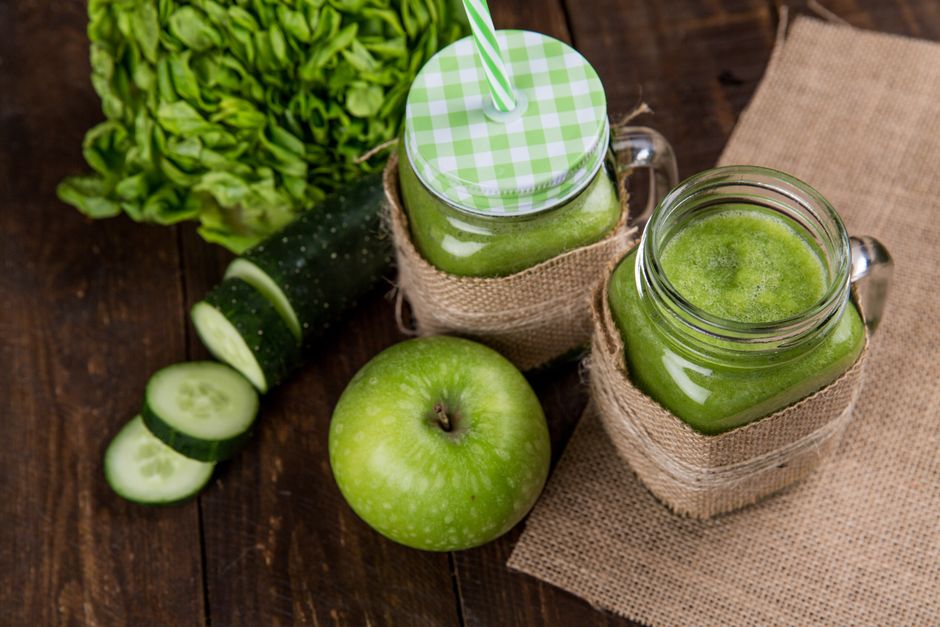
The Right Smoothie Ingredients for Weight Gain
Building a **high-calorie smoothie** that actually supports healthy weight gain starts with choosing the right foundation ingredients. Unlike a typical light breakfast smoothie, a weight-gain smoothie needs to pack serious caloric density without relying on empty sugars. The goal is **nutrient-dense calories** — every gram should bring protein, fat, fiber, or micronutrients to the table.
**Protein powders** are the cornerstone of any serious weight-gain blend. Whey concentrate delivers fast-digesting amino acids ideal for post-workout recovery, while casein digests slowly and works well for evening smoothies. Plant-based options like pea-rice blends are a solid choice for anyone avoiding dairy, and most now hit 20–25g of protein per scoop.
- **Nut butters** (peanut, almond, cashew): 180–200 calories per 2 tbsp, plus healthy fats and protein
- **Avocado**: roughly 240 calories per half, loaded with monounsaturated fats
- **Chia seeds**: 140 calories per 2 tbsp with omega-3s and fiber
- **Rolled oats**: slow-digesting carbs that bulk up calorie count and improve satiety
- **Full-fat coconut milk**: creamy, calorie-dense base alternative to water or skim milk
- **Frozen bananas**: natural sweetness and around 100 calories each
Fiber-rich fruits and vegetables round everything out. Berries add antioxidants with moderate sugar, and leafy greens like spinach disappear flavor-wise into most blends while adding iron and folate.
—
Quick pick: Compare top-rated Weight Gain options.
Four High-Calorie Smoothie Recipes Worth Making Every Week
These four recipes are designed for US home kitchens — ingredients you can find at any grocery store, prep times under 10 minutes, and calorie counts that actually move the needle on a **healthy weight gain smoothie** routine.
Peanut Butter Banana Smoothie
**Prep time:** 5 min | **Servings:** 1 | **Est. calories:** 650–700
- 1 large frozen banana
- 2 tbsp natural peanut butter
- 1 scoop vanilla whey protein
- 1 cup whole milk (or oat milk for dairy-free)
- 1 tbsp honey
- ½ cup rolled oats
Blend oats first into a fine flour, then add remaining ingredients and blend until smooth. The oats thicken the texture and add slow-burning carbs. **Swap:** Use almond butter if peanut allergies are a concern, or sunflower seed butter for a nut-free version.
Chocolate Avocado Smoothie
**Prep time:** 5 min | **Servings:** 1 | **Est. calories:** 700–750
- ½ ripe avocado
- 1 scoop chocolate casein or whey protein
- 1 tbsp cocoa powder
- 1 cup full-fat coconut milk
- 1 frozen banana
- 1 tbsp MCT oil
The avocado creates a thick, almost mousse-like texture. MCT oil adds fast-metabolizing fats without changing the flavor. **Swap:** Replace MCT oil with 1 tbsp coconut oil if MCT isn’t on hand.
Berry Almond Smoothie
**Prep time:** 5 min | **Servings:** 1 | **Est. calories:** 580–620
- 1 cup frozen mixed berries
- 2 tbsp almond butter
- 1 scoop vanilla plant-based protein
- ¾ cup unsweetened almond milk
- 2 tbsp chia seeds
- 1 tbsp maple syrup
This one leans lighter in calories but makes up for it with antioxidant density. Add a second scoop of protein or a handful of oats to push calories higher.
Green Smoothie with Spinach and Kale
**Prep time:** 7 min | **Servings:** 1 | **Est. calories:** 550–600
- 1 cup baby spinach
- ½ cup chopped kale
- 1 frozen banana
- 1 scoop unflavored or vanilla whey
- 1 tbsp flaxseed meal
- 1 cup whole milk
- ½ avocado
Blend greens with liquid first to avoid leafy chunks, then add remaining ingredients. The banana and avocado completely neutralize any bitterness from the kale.
—
Meal Prep Tips for Weight Gain Smoothies
Consistency is what makes smoothies effective for weight gain — and consistency requires a system. **Smoothie packs** are the single most effective prep strategy for busy schedules. Portion out each recipe’s frozen and dry ingredients into individual zip-lock bags or reusable silicone bags, then store them in the freezer. On any given morning, you dump one bag into the blender, add your liquid, and blend.
For fruits, freezing overripe bananas is a no-brainer. Peel them, snap them in half, and freeze flat on a parchment-lined sheet before transferring to a bag. They blend creamier than fresh bananas and prevent waste. Leftover oatmeal also works surprisingly well frozen into smoothie cubes — adds thickness and calories without any extra prep.
- Freeze bananas in halves for easy portioning
- Pre-measure nut butter into silicone molds and freeze for mess-free scooping
- Store portioned seeds (chia, flax, hemp) in small labeled jars
- Label each smoothie pack with the recipe name and date
- Make a week’s worth of packs on Sunday for seamless weekday blending
One common mistake: forgetting to add liquid before frozen ingredients when blending. Always pour your milk or base liquid in first — this protects the blender motor and ensures even blending.
—
Budget-Friendly Ingredients for Weight-Gain Smoothies
Eating for weight gain doesn’t have to be expensive. The key is **buying calorie-dense staples in bulk** and choosing affordable whole-food protein sources over premium supplements when your budget is tight.
Protein powder is worth buying in larger tubs (5 lb vs. 1 lb) — the per-serving cost drops significantly. At most US retailers and warehouse clubs, a large tub of whey concentrate runs about $0.75–$1.00 per serving compared to $1.50–$2.00 for smaller containers. The same logic applies to rolled oats, chia seeds, and flaxseed meal, all of which are available in bulk bins or large bags.
| Ingredient | Avg. Cost per Serving | Calories | Notes |
|---|---|---|---|
| Rolled oats | $0.10–$0.15 | 150 | Buy 42 oz canister |
| Frozen bananas (DIY) | $0.20–$0.30 | 100 | Freeze overripe ones |
| Peanut butter (store brand) | $0.20–$0.25 | 190 | 16–18 oz jar |
| Greek yogurt (plain, full-fat) | $0.50–$0.70 | 130 | Buy 32 oz tub |
| Cottage cheese (full-fat) | $0.40–$0.60 | 110 | Blends smooth |
| Frozen mixed berries | $0.40–$0.60 | 70 | Off-brand works great |
| Whey protein (large tub) | $0.75–$1.00 | +110 protein calories | Warehouse or online |
Greek yogurt and cottage cheese are two of the most underrated **affordable protein sources** for smoothies. Full-fat versions add creaminess alongside meaningful protein (15–20g per half cup) without requiring a separate protein powder scoop.
—
Time-Saving Techniques for Smoothie Preparation
The biggest reason people fall off a smoothie routine is prep time. When you’re rushed in the morning, even a 10-minute smoothie can feel like too much. A few targeted techniques cut that down to under 3 minutes on most days.
A **high-powered blender** is the single biggest time investment that pays off daily. Blenders in the 1000–1500 watt range pulverize frozen fruit, whole oats, and seeds in seconds without leaving chalky chunks. Cheaper underpowered blenders leave gritty textures that make smoothies less enjoyable, which tanks long-term consistency.
- Pre-soak chia seeds in water overnight (they gel and blend more smoothly)
- Keep a measured scoop of protein powder in a small jar next to the blender
- Use frozen fruit puree cubes instead of chopping fresh fruit each morning
- Pre-made nut milks (shelf-stable cartons) eliminate the need to open refrigerated bottles
- Clean the blender immediately after use by filling with warm soapy water and running for 15 seconds
Preparing ingredients the night before is particularly effective for the green smoothies, since greens wilt quickly after cutting. Pack everything into the blender jar, cover it, and refrigerate overnight — then just add liquid and blend in the morning.
—
Healthy Smoothie Add-Ins for Extra Calories
When a recipe is already dialed in but you still need more calories, **strategic add-ins** let you boost the number without dramatically changing the flavor or texture. This approach is especially useful for people who struggle to eat large volumes of food.
**MCT oil** is one of the cleanest calorie boosters available — 1 tablespoon adds about 130 calories with virtually no taste. It blends invisibly into any smoothie and provides fast-metabolizing fats that many people find beneficial for energy. Coconut oil works similarly but solidifies in cold blends, so it works better in room-temperature or warm smoothies.
- **Superfood powders** (spirulina, maca, cacao): 20–50 calories per serving, plus micronutrients
- **Hemp seeds**: 160 calories per 3 tbsp with all essential amino acids
- **Full-fat coconut cream**: 120 calories per 2 tbsp, great for tropical recipes
- **Collagen peptides**: 40–70 calories per scoop, unflavored, dissolves easily
- **Dry whole milk powder**: 160 calories per ¼ cup, boosts protein and fat invisibly
Rolled oats and chia seeds deserve a second mention here because they serve double duty — they thicken the smoothie (reducing the urge to drink it too fast) while adding meaningful **fiber and protein-rich calories** that support sustained energy rather than a sugar spike.
—
Serving and Presentation Ideas
How you serve a smoothie affects whether you actually enjoy drinking it — and enjoyment drives consistency. **Mason jars** are the most practical vessel for thick, high-calorie smoothies: they’re portable, easy to clean, and the wide mouth accommodates toppings without making a mess.
For a more indulgent feel at home, pour into a wide bowl and treat it as a **smoothie bowl** — this format naturally slows down eating, which helps digestion and makes the meal feel more satisfying. Top with granola for crunch, fresh fruit for color, and a drizzle of nut butter or honey to push calories and visual appeal higher.
- **Toppings that add calories**: granola, sliced almonds, shredded coconut, dark chocolate chips
- **Toppings for texture contrast**: puffed rice, cacao nibs, hemp seeds
- **Pairing ideas**: a high-calorie smoothie alongside a bowl of oatmeal is a straightforward 1,000+ calorie breakfast that requires minimal additional cooking
- Pair a lighter smoothie (under 600 cal) with two hard-boiled eggs and whole-grain toast for a balanced mid-morning meal
For meal prep presentation, line up your smoothie packs in the freezer door in the order you plan to use them. This sounds trivial, but visual organization significantly reduces decision fatigue on busy mornings and keeps the routine going.
—
Frequently Asked Questions (FAQ)
Q: What’s the best time to drink a high-calorie weight-gain smoothie?
A: Right after a workout is ideal — your muscles are primed to absorb protein and carbohydrates during the 30–60 minute post-exercise window. A smoothie also works well as a between-meal calorie booster in the mid-afternoon, especially if you struggle to eat enough at main mealtimes.
Q: How can I make my weight-gain smoothies more filling without just adding sugar?
A: Focus on **protein, healthy fats, and fiber** rather than extra fruit or sweeteners. Adding Greek yogurt, nut butter, chia seeds, or rolled oats increases satiety hormones and slows digestion, keeping you full longer and providing a steadier calorie release throughout the day.
Q: Are these high-calorie smoothie recipes suitable for people with dietary restrictions?
A: Yes — most recipes adapt easily. Use certified gluten-free oats for a **gluten-free** version. Swap whey for a pea-rice blend protein powder and use oat milk or almond milk for a fully **vegan and plant-based** smoothie. For **dairy-free and low-lactose** needs, coconut milk, oat milk, and plant-based yogurt are all exc nt substitutes that maintain calorie density.
Q: Which protein powder type gives the best value for a weight-gain smoothie routine?
A: Whey concentrate (not isolate) offers the best balance of cost, protein content, and mixability for most people. If you’re lactose-sensitive or vegan, a pea-rice blend protein powder is the closest equivalent in terms of amino acid profile and calorie density — look for options with at least 20g of protein per serving and minimal added sugars.
Top Product Recommendations
| Product Name | Rating | Key Feature | Est. Price | Action |
|---|---|---|---|---|
| Top-rated high powered blender for smoothies 1500 watt | ★★★★★ | Editor-recommended high powered blender for smoothies 1500 watt from this guide | $18–$42 | Check Lowest Price on Amazon |
| Best-value whey protein powder bulk weight gain | ★★★★☆ | Affordable whey protein powder bulk weight gain — strong everyday results | $12–$28 | Check Lowest Price on Amazon |
| Premium MCT oil unflavored smoothie supplement | ★★★★☆ | Higher-end MCT oil unflavored smoothie supplement for visible, lasting results | $45–$95 | Check Lowest Price on Amazon |
Affiliate Disclosure: This post contains affiliate links. We may earn a commission if you buy through our links, at no extra cost to you.
Leave a Reply