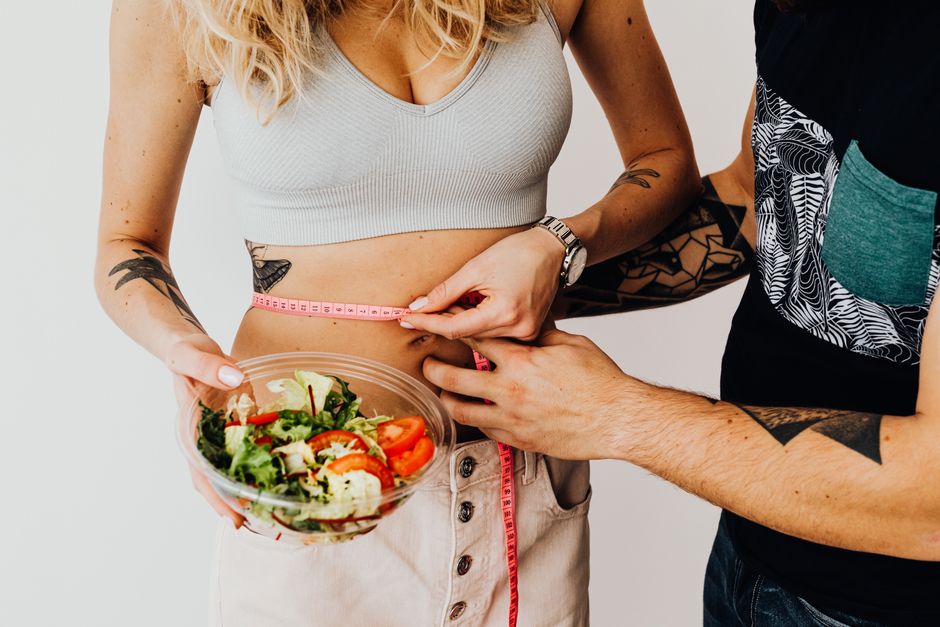
The Science Behind Green Tea and Weight Loss
If you’ve been searching for a natural, low-cost way to support your weight-loss goals, **green tea** keeps coming up for good reason. Research consistently points to its active compounds as genuine metabolic aids — not just wellness marketing hype. Understanding how it works at a biochemical level helps you use it smarter.
The real driver behind green tea’s fat-burning reputation is a group of plant compounds called **catechins**, particularly one known as **epigallocatechin gallate (EGCG)**. These antioxidants work alongside the moderate caffeine naturally found in green tea to stimulate the nervous system and signal the body to release fat from cells into the bloodstream. That process — called **fat oxidation** — is the foundation of green tea’s metabolic edge.
Multiple peer-reviewed studies back this up with real numbers. A widely cited meta-analysis published in a major nutrition journal found that participants who consumed green tea catechins lost significantly more weight and had greater reductions in waist circumference than control groups. While the effect size is modest on its own — typically 1 to 3 extra pounds over 12 weeks — combined with a calorie-conscious diet, the compounding benefit is real and measurable.
- **EGCG** is the most studied catechin for fat metabolism
- Green tea caffeine amplifies thermogenesis (heat production = calorie burn)
- Fat oxidation increases most noticeably during moderate-intensity exercise
- Effects are more pronounced in people who are not heavy caffeine users already
—
Quick pick: Compare top-rated Weight Loss options.
Choosing the Best Green Tea for Weight Loss
Not all green tea is created equal, and the difference between a high-catechin cup and a flat, stale one can mean the difference between results and disappointment. Knowing what to look for when you shop saves money and maximizes effectiveness.
**Loose-leaf green tea** from Japan or China generally offers a higher concentration of catechins than mass-market tea bags. Japanese varieties like **matcha**, **gyokuro**, and **sencha** tend to have the most robust EGCG content. Matcha is particularly potent because you consume the entire ground leaf rather than steeping and discarding it.
Freshness is non-negotiable. Green tea oxidizes after harvest, and older tea loses both flavor and catechin potency. Look for teas with a clear harvest date on the packaging, ideally within the last 12 months. Airtight, opaque packaging also signals quality-conscious sourcing.
| Tea Type | EGCG Level | Best Use | Notes |
|---|---|---|---|
| Matcha | Very High | Lattes, smoothies, baking | Whole-leaf powder; strongest dose |
| Gyokuro | High | Traditional hot brew | Shade-grown; premium price |
| Sencha | Medium-High | Daily drinking | Most widely available quality option |
| Bagged Green Tea | Low-Medium | Convenience | Variable quality; check brand sourcing |
| Green Tea Extract | Concentrated | Supplement capsules | Dose control; watch for additives |
- Choose **loose-leaf over tea bags** when possible for higher catechin content
- Check for **harvest date** — fresher is always better
- Store your tea in a **cool, dark, airtight container** away from humidity
- **Organic certification** reduces pesticide exposure, especially important for daily use
—
Brewing the Perfect Cup of Weight-Loss Green Tea
One of the most common mistakes American home brewers make is using boiling water straight from the kettle. That’s the right move for black tea, but it actively damages green tea’s delicate catechins and produces a bitter, astringent cup. Getting the temperature right is the single biggest upgrade you can make to your routine.
The ideal water temperature for green tea sits between **160°F and 180°F** (70°C–80°C). If you don’t have a variable-temperature kettle, simply bring water to a boil and let it rest for 2 to 3 minutes before pouring. The steeping time is equally important — **1 to 3 minutes** is the sweet spot for balancing catechin extraction with palatability. Steeping longer increases bitterness without meaningfully increasing EGCG.
For **matcha**, use a bamboo whisk or a small electric frother to combine 1 teaspoon of powder with 2 to 4 ounces of water at around 175°F. Whisk in a zigzag motion until frothy, then sip straight or top with a small pour of unsweetened oat milk. Avoid loading your green tea with sugar, flavored syrups, or full-fat dairy — those additions can easily erase the modest calorie deficit green tea helps create.
**Prep time:** 5 minutes | **Servings:** 1
**Basic Weight-Loss Green Tea — Step-by-Step:**
1. Heat filtered water to 170°F (use a thermometer or let boiling water cool 3 minutes)
2. Add 1 teaspoon loose-leaf sencha or 1 quality tea bag to your infuser or cup
3. Pour water over the leaves
4. Steep for 2 minutes — set a timer
5. Remove leaves immediately; don’t let them sit
6. Optional: add a squeeze of fresh lemon (vitamin C can enhance catechin absorption)
7. Drink without milk or sweetener for maximum metabolic benefit
**Common mistakes and fixes:**
- **Boiling water** → Let it cool to 170°F; your tea will taste smoother and retain more EGCG
- **Over-steeping** → Set a 2-minute timer; bitter tea is a sign catechins are degrading
- **Adding lots of sugar** → Use a small amount of raw honey if needed, or try cinnamon for natural sweetness
- **Using tap water** → Filtered water noticeably improves flavor and doesn’t compete with delicate notes
—
Incorporating Green Tea into a Healthy Diet
Green tea isn’t a magic bullet, but it is a legitimately useful tool when layered into an overall weight-loss eating plan. The key is consistency and timing — both of which are easy to build into an American daily routine without major lifestyle disruption.
From a dietary integration standpoint, green tea works best as a **replacement for higher-calorie beverages** like sweetened coffee drinks, sodas, and juices. Swapping two daily sodas for unsweetened green tea can eliminate 250 to 400 calories per day without any changes to food intake. That alone, sustained over several months, produces meaningful fat loss.
Timing your green tea intake around **exercise sessions** gives the catechin-caffeine combination the best conditions to enhance fat burning. Drinking a cup 30 to 45 minutes before a brisk walk, a gym session, or even an active household chore session appears to increase fat oxidation during that activity window. Research also suggests drinking green tea **between meals** rather than with food helps with appetite modulation and avoids potential interference with iron absorption from plant-based foods.
- Drink **1 cup 30–45 minutes before exercise** to maximize fat-burning potential
- Replace caloric drinks with green tea across the day for a passive calorie reduction
- **Between-meal timing** (mid-morning, mid-afternoon) works well for most people
- Pair green tea habits with a **whole-food, fiber-rich diet** for compounding results
- Avoid drinking green tea late evening — the caffeine content can disrupt sleep, which is directly tied to weight management
—
Green Tea Supplements for Weight Loss
For people who don’t enjoy drinking tea or want a more concentrated catechin dose, **green tea extract supplements** offer a practical alternative. These capsules or softgels typically deliver 400–800 mg of EGCG per serving — roughly equivalent to 3 to 6 cups of brewed tea. That concentrated dose is part of the appeal, but it also introduces considerations worth understanding before you buy.
The primary advantage is **dose consistency**. When you brew tea, catechin content varies by leaf quality, water temperature, and steep time. A standardized extract removes that variability. Several weight-loss studies that showed statistically significant results actually used concentrated green tea extract, not brewed tea, which is one reason some researchers believe the supplement form may be more effective for targeted fat loss.
That said, green tea extract is not without risk, particularly at very high doses. The FDA has flagged rare but serious cases of **liver injury** associated with concentrated green tea extracts, especially in people taking high doses on an empty stomach. If you choose a supplement, look for products with third-party testing (USP or NSF certification), take them with food, and stay within the label’s recommended dose. Anyone with liver conditions, heart arrhythmias, anxiety disorders, or who is pregnant should consult a doctor before use.
**Choosing a quality green tea supplement:**
- Look for **standardized EGCG content** on the label (minimum 45% catechins)
- Prefer products with **USP, NSF, or Informed Sport** third-party certification
- Avoid proprietary blends that obscure individual ingredient doses
- Check for added stimulants like synephrine or high-dose vitamin B6 — these raise risk profiles unnecessarily
- **Start with the lowest effective dose** and assess tolerance before increasing
**Potential interactions to know:**
- Blood thinners (warfarin) — catechins may affect clotting factors
- Iron supplements — EGCG can reduce non-heme iron absorption
- Stimulant medications — additive caffeine effects
- Certain heart medications — consult a pharmacist
—
Delicious and Healthy Green Tea Recipes
One of the easiest ways to stay consistent with green tea is to enjoy it in forms beyond a plain hot cup. These three recipes bring variety into your routine without adding significant calories — and each one fits naturally into a weight-conscious eating plan.
Iced Green Tea with Lemon and Honey
**Prep time:** 10 minutes + cooling | **Servings:** 2
This is the most refreshing way to drink green tea in summer months, and it replaces store-bought lemonade or iced tea with something genuinely functional.
**Ingredients:**
- 2 cups filtered water, heated to 175°F
- 2 teaspoons loose-leaf sencha or 2 quality green tea bags
- Juice of 1 lemon
- 1 teaspoon raw honey (optional)
- Ice and lemon slices to serve
**Steps:**
1. Brew tea at 175°F for 2 minutes, then remove leaves
2. Let cool to room temperature (15–20 minutes) or use the fridge
3. Stir in lemon juice and honey while still slightly warm so the honey dissolves
4. Pour over ice and garnish with lemon slices
5. Serve immediately or keep refrigerated up to 24 hours
**Swap:** Replace honey with a few drops of liquid stevia to drop the sugar content to near zero.
Green Tea Breakfast Smoothie
**Prep time:** 5 minutes | **Servings:** 1
This smoothie layers matcha’s concentrated catechins with fiber and protein for a breakfast that actually keeps you full through the morning.
**Ingredients:**
- 1 teaspoon ceremonial-grade or culinary-grade matcha powder
- 1 cup unsweetened almond milk or oat milk
- ½ frozen banana (for natural sweetness and creaminess)
- ½ cup frozen spinach
- 1 tablespoon chia seeds or ground flaxseed
- Optional: 1 scoop unflavored or vanilla protein powder
**Steps:**
1. Add all ingredients to a blender
2. Blend on high for 45–60 seconds until completely smooth
3. Taste and adjust — add more banana if you want sweeter, more almond milk if too thick
4. Pour immediately and drink within 10 minutes for best texture
**Swap:** Substitute the banana with ½ cup frozen mango for a tropical flavor with a slightly lower glycemic profile.
Warm Green Tea Salad Dressing
**Prep time:** 5 minutes | **Servings:** 4 (about 2 tablespoons each)
This unexpected application turns brewed green tea into a light, umami-forward dressing that works beautifully on grain bowls, Asian-inspired slaws, or simple mixed greens.
**Ingredients:**
- ¼ cup freshly brewed, cooled green tea (sencha works best)
- 2 tablespoons rice vinegar
- 1 tablespoon low-sodium soy sauce or tamari
- 1 teaspoon sesame oil
- 1 teaspoon fresh grated ginger
- ½ teaspoon honey or maple syrup
**Steps:**
1. Whisk all ingredients together in a small bowl until combined
2. Taste and adjust vinegar-to-sweet balance to your preference
3. Drizzle over salad just before serving — don’t toss ahead or greens will wilt
4. Store leftovers in a sealed jar in the refrigerator for up to 3 days; shake before using
**Swap:** Use coconut aminos instead of soy sauce for a soy-free, slightly sweeter version.
—
Frequently Asked Questions (FAQ)
Q: Does green tea really help with weight loss?
A: Yes, but with realistic expectations. The catechins and caffeine in green tea genuinely increase fat oxidation and metabolic rate, with studies showing modest but real additional weight loss of 1 to 3 pounds over 8 to 12 weeks when combined with a calorie-controlled diet. It works best as a supportive tool, not a standalone solution.
Q: How much green tea should I drink daily for weight loss?
A: Most research supporting weight-loss benefits used **3 to 5 cups per day**. That range provides enough EGCG to have a measurable metabolic effect without pushing caffeine intake into problematic territory for most adults. Spreading cups across the morning and early afternoon tends to work best for sleep quality.
Q: Can other teas support weight loss the same way green tea does?
A: Some can contribute, but none match green tea’s specific catechin profile. **Oolong tea** contains catechins and has modest fat-oxidation support. **Black tea** has lower catechin content but provides polyphenols that may support gut health connected to metabolism. **Herbal teas** like peppermint or ginger have digestive benefits but no direct fat-burning compounds comparable to EGCG.
Q: Which form of green tea is most effective for weight loss — brewed or supplement?
A: Both can work, but they suit different needs. Brewed tea is safer, more enjoyable, and comes with hydration benefits. Supplements deliver higher, more consistent catechin doses and are useful for people who find 3 to 5 cups per day impractical. If you choose a supplement, verify third-party testing and take it with food to reduce the small but real risk of liver stress at high concentrations.
Top Product Recommendations
| Product Name | Rating | Key Feature | Est. Price | Action |
|---|---|---|---|---|
| Top-rated loose leaf sencha green tea weight loss | ★★★★★ | Editor-recommended loose leaf sencha green tea weight loss from this guide | $18–$42 | Check Lowest Price on Amazon |
| Best-value matcha powder ceremonial grade | ★★★★☆ | Affordable matcha powder ceremonial grade — strong everyday results | $12–$28 | Check Lowest Price on Amazon |
| Premium green tea extract supplement EGCG standardized | ★★★★☆ | Higher-end green tea extract supplement EGCG standardized for visible, lasting results | $45–$95 | Check Lowest Price on Amazon |
Affiliate Disclosure: This post contains affiliate links. We may earn a commission if you buy through our links, at no extra cost to you. Medical Disclaimer: This content is for informational purposes only and is not medical advice. Consult a healthcare professional before changing diet or exercise.
Leave a Reply