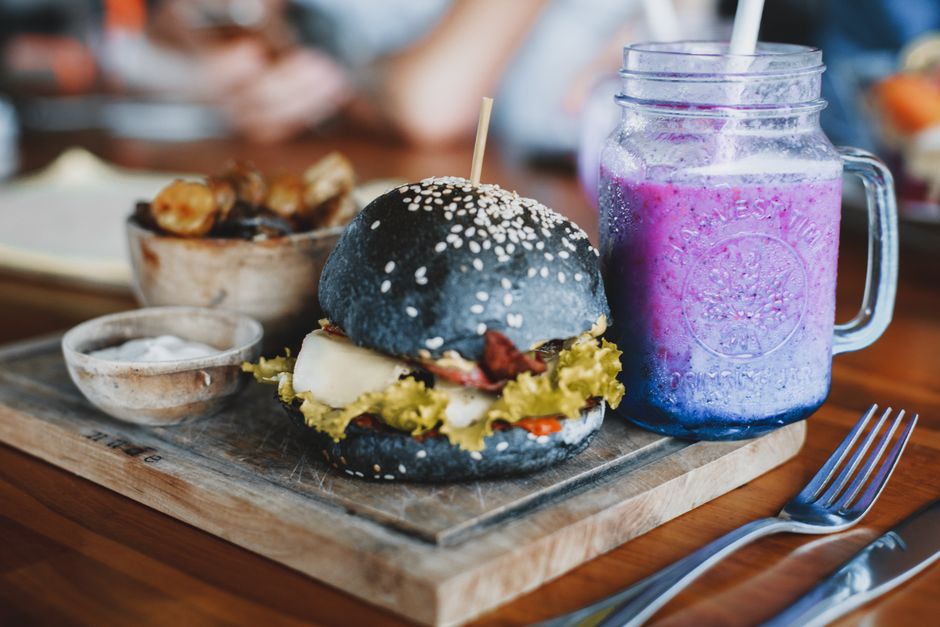
If you’re trying to build mass or recover lost weight, **healthy weight gain smoothie recipes high calorie** are one of the most efficient tools in your kitchen. A well-built smoothie can deliver 600–1,000+ calories in a single glass without leaving you stuffed or sluggish. This guide walks you through everything from base ingredients to flavor combos, with exact swaps for every dietary need.
Building a High-Calorie Smoothie Foundation
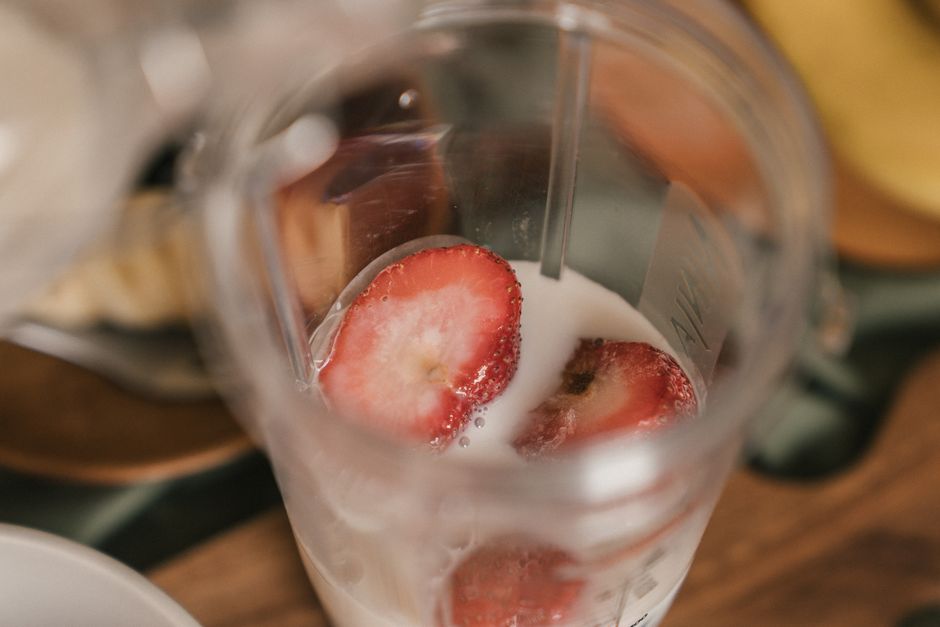
A weight-gain smoothie is fundamentally different from a diet smoothie — you’re engineering for **caloric density**, not restriction. The goal is to pack in quality macros (protein, fats, and complex carbs) without relying on empty sugar calories. A solid baseline for one serving is 500–800 calories before any add-ins.
The three pillars of a high-calorie smoothie base are:
- **A liquid base**: whole milk, oat milk, or full-fat coconut milk — avoid water or skim milk, which tank the calorie count
- **A creamy binder**: banana, avocado, or Greek yogurt
- **A calorie anchor**: nut butter, protein powder, rolled oats, or full-fat dairy
Always layer liquids first, then soft ingredients, then frozen items on top. This prevents air pockets and produces a smoother, creamier texture. A high-powered blender (at least 1,000 watts) handles frozen fruit and oats without leaving chunks.
The **best time** to drink a weight-gain smoothie is within 30–60 minutes post-workout, as a between-meal calorie bridge, or as a breakfast replacement when morning appetite is low. If you’re serious about building a consistent weight gain nutrition plan, smoothies are the easiest daily habit to sustain.
Editor’s pick: whey protein powder for weight gain — see current prices and reviews.
Protein-Packed Smoothies for Muscle Building
Protein is the cornerstone of any muscle-building plan. Most adults aiming to gain lean mass need **0.7–1 gram of protein per pound of bodyweight** daily, and smoothies make it easy to close that gap.
| Feature | Whey Protein | Plant-Based Protein |
|---|---|---|
| Amino acid profile | Complete | Often incomplete (blend pea + rice) |
| Digestion speed | Fast | Moderate to slow |
| Caloric density | ~120 cal/scoop | ~110–130 cal/scoop |
| Best for | Post-workout | Lactose intolerance, vegan diet |
| Mixability | Very smooth | Can be gritty |
For maximum calorie density, **add 2 tablespoons of nut butter** — almond, peanut, or cashew — which contributes roughly 180–200 calories and 6–8 grams of protein. Combine one scoop of protein powder with **½ cup of rolled oats** for another 200+ calories of slow-digesting complex carbs that sustain energy and support recovery. A common mistake is using too much liquid, which dilutes the calorie count — start with 1 cup and adjust only if the texture is too thick to blend.
Fruits and Vegetables That Boost Calories
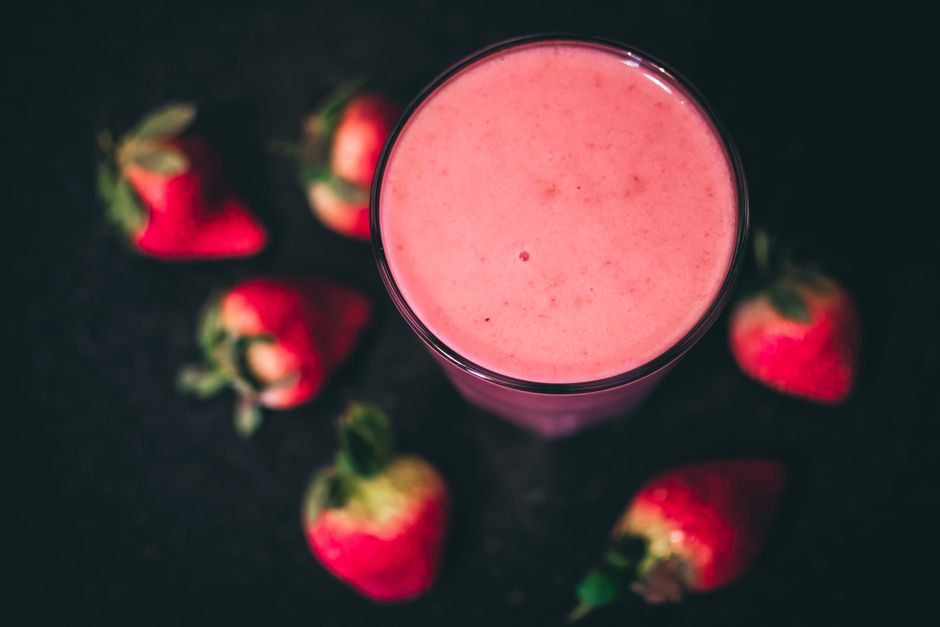
Not all produce is equal when it comes to calorie density. Strategic choices can dramatically increase a smoothie’s nutritional profile without making it taste like a salad.
**Avocado** is the single best whole-food fat source for smoothies. Half an avocado adds roughly 120 calories, 10 grams of healthy monounsaturated fat, and a silky texture no other ingredient replicates. It blends invisibly into any recipe with virtually no detectable flavor.
**Cooked sweet potato** (about ½ cup, cooled) is an underrated addition — it contributes complex carbohydrates, natural sweetness, beta-carotene, and around 90 calories. Pair it with banana, cinnamon, and almond milk for a smoothie that tastes like dessert. **Baby spinach** rounds out the greens category, disappearing into the blend completely while adding iron, magnesium, and folate for about 20 calories per cup.
Nutrient-Dense Add-Ins for Extra Calories
Small additions make a big difference in total calorie count. Think of these as **calorie multipliers** — each one adds meaningful macros in a small physical volume.
Top add-ins to keep stocked:
- **Chia seeds** (2 tbsp): ~140 calories, 5g protein, 9g fat, plus omega-3s and fiber
- **Ground flaxseed** (2 tbsp): ~74 calories, plus lignans and additional omega-3 fatty acids
- **Hemp hearts** (3 tbsp): ~170 calories, 10g complete protein, 14g fat
- **Full-fat Greek yogurt** (½ cup): ~100–150 calories, 8–10g protein, probiotics
- **Coconut cream** (2 tbsp): ~100 calories, adds richness and medium-chain triglycerides
- **Medjool dates** (2 dates): ~133 calories, natural sweetener, plus potassium
Pick 2–3 add-ins per recipe and rotate them across different smoothie days. Adding too many competing add-ins at once can create a bitter or muddy flavor.
Meal Prep Tips for Busy Home Cooks
Consistency is the single biggest factor in successful weight gain — and the biggest barrier is time. **Smoothie packs** are the most practical solution for US home cooks with packed schedules.
Here’s how to build a week’s worth in under 20 minutes:
1. Portion all solid ingredients (frozen fruit, oats, seeds, protein powder) into individual zip-lock or silicone freezer bags.
2. Label each bag with the recipe name and date.
3. Store bags flat in the freezer for up to 3 months.
4. At blend time, dump the bag into the blender, add your liquid, and blend for 60 seconds.
Pre-blended smoothies keep for up to 24 hours in an airtight jar in the fridge — shake before drinking, as separation is normal. For longer storage, pour into ice cube trays, freeze solid, then re-blend with fresh liquid. Avoid storing smoothies with chia seeds pre-blended overnight, since they absorb liquid and significantly alter the texture.
Three Proven High-Calorie Flavor Combinations
These flavor profiles are reliable, budget-friendly, and easy to customize for any dietary need.
Chocolate Peanut Butter Banana (approx. 720 calories)
- 1 cup whole milk (or oat milk for dairy-free)
- 1 frozen banana
- 2 tbsp peanut butter
- 1 scoop chocolate whey protein
- ½ cup rolled oats
- 1 tbsp cocoa powder
- **Swap**: Sunflower seed butter for nut-free households
Vanilla Almond Date (approx. 680 calories)
- 1 cup unsweetened almond milk + ½ cup full-fat Greek yogurt
- 2 Medjool dates (pitted)
- 1 scoop vanilla protein powder
- 2 tbsp almond butter
- ½ avocado
- Pinch of cinnamon
- **Swap**: Cashew butter for a milder, creamier flavor
Berry Yogurt Honey (approx. 600 calories)
- 1 cup whole milk
- 1 cup frozen mixed berries
- ¾ cup full-fat Greek yogurt
- 1 tbsp honey
- 2 tbsp chia seeds
- ½ cup oats
- **Swap**: Frozen acai for a deeper berry flavor and extra antioxidants
Blend all three on high for 45–60 seconds. If too thick, add liquid in 2-tablespoon increments. If too thin, add half a frozen banana or a few ice cubes.
Serving Ideas and Presentation Tips
How you serve a smoothie affects how much you actually drink — a larger, visually appealing glass encourages finishing the full portion, which matters when you’re hitting a calorie surplus. Use a **16–20 oz wide-mouth glass or mason jar** for a full weight-gain serving.
Popular toppings that add texture and bonus calories:
- Granola (100–150 cal per ¼ cup)
- Sliced banana or fresh berries
- A drizzle of honey or nut butter
- Cacao nibs or dark chocolate chips
- Toasted coconut flakes
Pairing a high-calorie smoothie **alongside a full meal** rather than replacing it is a reliable strategy for hard gainers — people who struggle to eat enough despite a solid appetite. For more ideas on high-calorie meal strategies that support healthy weight gain, a smoothie consumed 30–45 minutes before or after a regular meal works as a dedicated calorie bridge.
Frequently Asked Questions
How many calories should a weight-gain smoothie have?
A weight-gain smoothie should generally deliver **500–1,000 calories** per serving, depending on your total daily calorie target. If your goal is to add 3,500 extra calories per week (roughly 1 lb of mass), a 700-calorie smoothie consumed daily covers about half that surplus on its own.
What’s the best protein powder for weight-gain smoothies?
For most people, a **whey concentrate or whey isolate** is the most effective and budget-friendly choice due to its complete amino acid profile and fast absorption. For dairy-free or vegan diets, a **pea + brown rice protein blend** delivers comparable muscle-building results. Look for at least 20–25g of protein per scoop and minimal added sugar.
Can I use frozen fruits and vegetables in my smoothie?
Yes — **frozen produce is actually preferred** for weight-gain smoothies. Frozen fruit chills the smoothie without diluting it with ice, and frozen cooked sweet potato blends seamlessly into the base. Frozen ingredients are also typically more affordable and nutritionally equivalent to fresh, since they’re frozen at peak ripeness.
How do I add more calories without making the smoothie taste bad?
Focus on **flavor-neutral calorie boosters** like avocado, rolled oats, and unflavored protein powder. These add significant calories without competing with your main flavor profile. Nut butter and coconut cream enhance richness and naturally complement most fruit and chocolate-based combinations.
Top Product Recommendations
| Product Name | Rating | Key Feature | Est. Price | Action |
|---|---|---|---|---|
| Top-rated whey protein powder for weight gain | ★★★★★ | Editor-recommended whey protein powder for weight gain from this guide | $18–$42 | Check Lowest Price on Amazon |
| Best-value high powered blender for smoothies | ★★★★☆ | Affordable high powered blender for smoothies — strong everyday results | $12–$28 | Check Lowest Price on Amazon |
| Premium hemp hearts seeds bulk | ★★★★☆ | Higher-end hemp hearts seeds bulk for visible, lasting results | $45–$95 | Check Lowest Price on Amazon |
Affiliate Disclosure: This post contains affiliate links. We may earn a commission if you buy through our links, at no extra cost to you.
Leave a Reply