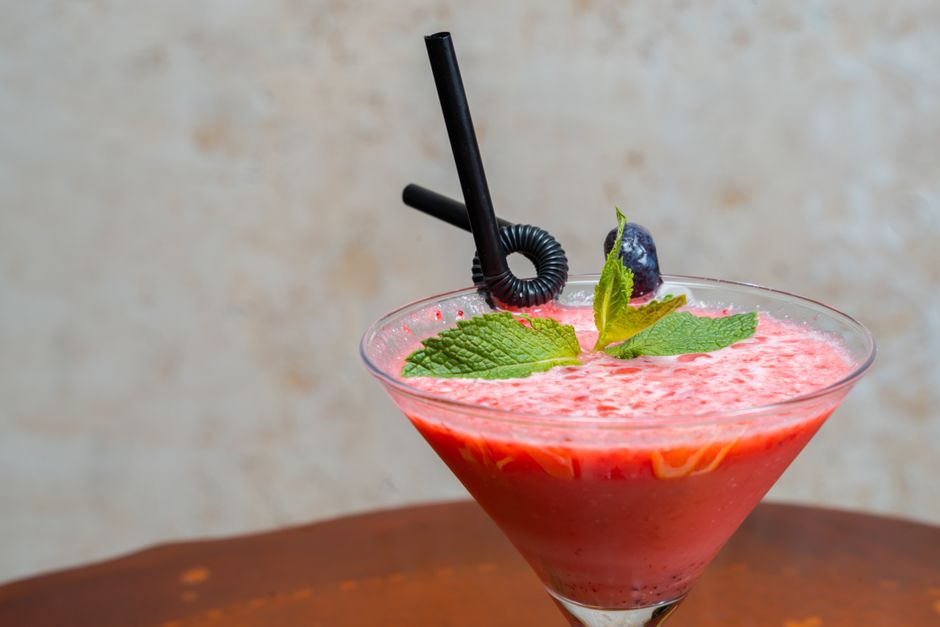
If you’re trying to gain weight the healthy way, **healthy weight gain smoothie recipes high calorie** are one of the most efficient tools in your kitchen. A well-built smoothie can pack 500–900 calories into a single glass without leaving you stuffed or sluggish. This guide covers everything from base ingredients to post-workout blends, vegan options, and smart add-ins that make every sip count.
Building a Calorie-Dense Smoothie Foundation
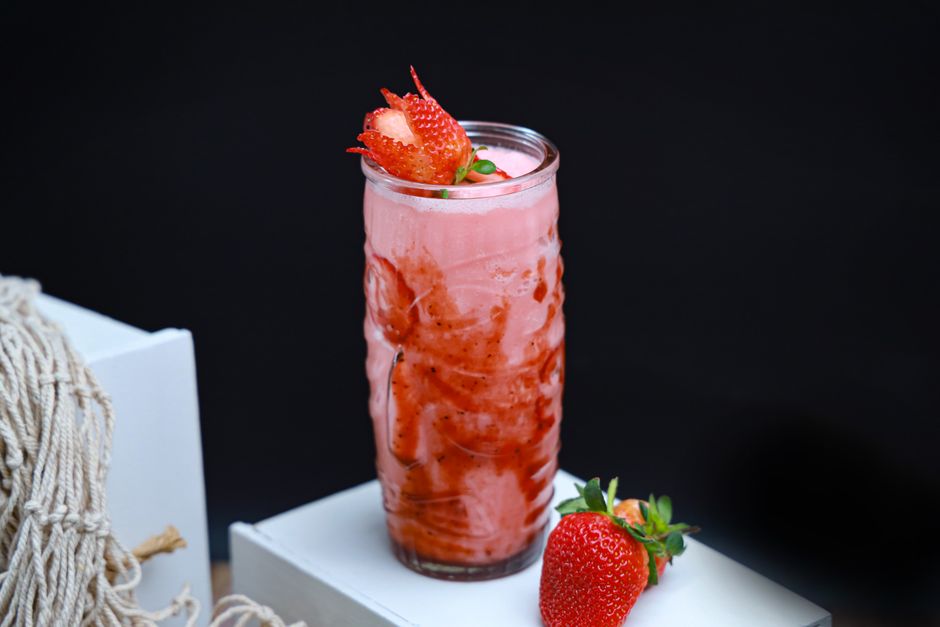
The secret to a great weight-gain smoothie starts with choosing the right liquid base. **Whole milk, full-fat canned coconut milk, and oat milk** all deliver significantly more calories per cup than water or skim milk. Pairing your base with calorie-dense whole foods is where the real calorie-building happens.
Key ingredients to keep stocked:
- **Bananas** — roughly 100 calories each, plus potassium and natural sweetness
- **Nut butters** (peanut, almond, cashew) — 190 calories per 2 tablespoons
- **Rolled oats** — 150 calories per half cup, with slow-digesting carbs
- **Avocado** — 230 calories per half, rich in healthy monounsaturated fats
- **Full-fat Greek yogurt** — 150–170 calories per cup with a solid protein boost
Always add your liquid to the blender before solids so the blades engage properly and your smoothie stays creamy rather than chunky. This one habit alone prevents the most common texture problems home blenders run into.
For more ideas on building calorie-surplus meals, browse the full weight gain nutrition guide on this site.
Editor’s pick: whey protein powder for weight gain — see current prices and reviews.
High-Calorie Breakfast Smoothies
Breakfast smoothies are a time-efficient way to front-load your calories early in the day. Research consistently shows that eating more calories in the morning supports steadier energy and appetite regulation throughout the day. A 600-calorie breakfast smoothie can replace a full cooked meal on busy mornings.
**Classic Peanut Butter Banana Breakfast Smoothie**
- Prep time: 5 minutes | Servings: 1
- 1 cup whole milk
- 1 large frozen banana
- 2 tbsp peanut butter
- ½ cup rolled oats
- 1 tbsp honey
- Pinch of cinnamon
Blend liquid and oats first for 20 seconds, then add remaining ingredients. This blend clocks in around **620 calories** with 18g of protein. Swap peanut butter for sunflower seed butter if you have a nut allergy.
Time-saving tips for mornings:
- Pre-portion dry ingredients (oats, protein powder, seeds) into zip bags the night before
- Freeze peeled bananas in advance so you skip the ice
- Use a wide-mouth blender cup that doubles as a travel cup
Post-Workout Smoothies for Muscle Recovery
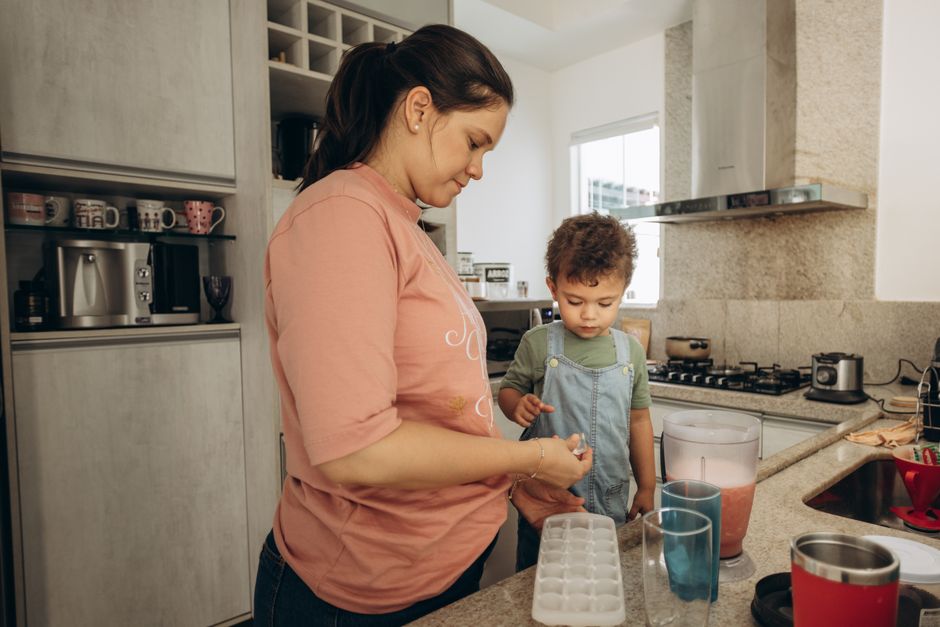
After a strength training session, your muscles need a quick hit of protein and carbohydrates within 30–60 minutes. A **post-workout high-calorie smoothie** delivers both in liquid form, which absorbs faster than solid food. Aim for a 3:1 or 4:1 carb-to-protein ratio to support glycogen replenishment.
**Chocolate Cherry Recovery Smoothie**
- Prep time: 5 minutes | Servings: 1
- 1 cup whole milk or chocolate milk
- 1 cup frozen dark cherries
- 1 scoop chocolate whey protein powder (~120 cal, 25g protein)
- 1 tbsp almond butter
- 1 tbsp cocoa powder
This blend delivers approximately **550–650 calories** depending on your protein powder. Dark cherries contain natural antioxidants that specifically help reduce exercise-induced muscle soreness. Skip the cocoa if you prefer a fruitier flavor and add a tablespoon of honey instead.
Common post-workout smoothie mistakes:
- Using only protein powder with no carb source — carbs are critical for recovery
- Drinking it more than 90 minutes after training — the anabolic window narrows quickly
- Over-blending with ice, which dilutes calories without adding nutrition
High-Calorie Vegan Smoothies
Gaining weight on a plant-based diet is completely doable when you lean into calorie-dense whole foods. **Vegan smoothies for weight gain** replace dairy with coconut cream, oat milk, or hemp milk — all of which carry solid calorie counts. The key is doubling up on fat and carb sources since plant proteins are generally lower in leucine.
**Tropical Coconut Mango Gainer**
- Prep time: 5 minutes | Servings: 1
- 1 cup full-fat coconut milk (canned, not carton)
- 1 cup frozen mango chunks
- ½ frozen banana
- 2 tbsp hemp seeds
- 1 tbsp coconut oil
- 1 scoop plant-based vanilla protein powder
Calorie count: approximately **700–750 calories** with 22–25g protein. Canned coconut milk is the highest-calorie non-dairy liquid you can use — one cup provides around 445 calories on its own. Swap mango for frozen pineapple or papaya for variety.
Vegan ingredients that support healthy weight gain:
- **Hemp seeds** — 170 calories per 3 tablespoons, complete protein
- **Tahini** — 90 calories per tablespoon, rich in calcium and zinc
- **Medjool dates** — 66 calories each, natural binder and sweetener
- **Soaked cashews** — adds creaminess and 160 calories per ounce
Gluten-Free High-Calorie Smoothies
If you avoid gluten, smoothies are naturally a safe zone — most whole-food smoothie ingredients are inherently gluten-free. The watch-outs are **oats** (buy certified gluten-free) and some protein powders processed in shared facilities. Always check labels on powders and supplements before buying.
**Berry Almond Gluten-Free Gainer**
- Prep time: 5 minutes | Servings: 1
- 1 cup unsweetened almond milk
- ½ cup full-fat coconut yogurt
- 1 cup frozen mixed berries
- 2 tbsp almond butter
- 1 tbsp chia seeds
- ½ cup certified gluten-free oats
Estimated calories: **520–580 calories**. Chia seeds absorb liquid and create a thicker texture while adding omega-3 fatty acids. Swap almond butter for sunflower seed butter if tree nuts are a concern.
Gluten-free swaps at a glance:
- Replace regular oats → certified gluten-free rolled oats
- Replace malt-based protein powders → rice protein or pea protein
- Replace granola toppings → pumpkin seeds or coconut flakes
Best Smoothie Add-Ins for Extra Calories
Sometimes a recipe hits the right flavor but falls short on calories. **Strategic add-ins** close the gap without dramatically changing the taste. The goal is adding 50–200 extra calories per smoothie through nutrient-dense boosters.
| Add-In | Calories | Primary Benefit |
|---|---|---|
| Peanut butter (2 tbsp) | 190 | Healthy fats + protein |
| Coconut oil (1 tbsp) | 120 | MCTs for quick energy |
| Full-fat Greek yogurt (½ cup) | 90 | Protein + probiotics |
| Hemp seeds (3 tbsp) | 170 | Complete plant protein |
| Medjool dates (2 pieces) | 133 | Natural sugars + fiber |
| Rolled oats (½ cup) | 150 | Slow-release carbs |
| Avocado (½ medium) | 115 | Monounsaturated fats |
| Heavy cream (2 tbsp) | 100 | Richness + added fat |
**Protein powders** deserve a special mention. Whey concentrate is the budget-friendly standard for most people, offering 110–130 calories and 20–25g protein per scoop. If you’re lactose-sensitive, opt for whey isolate or a pea-rice blend. Casein protein is a slower-digesting option that works particularly well in bedtime smoothies.
Healthy oils to blend in:
- **Flaxseed oil** — rich in omega-3s, neutral flavor, 120 calories per tablespoon
- **MCT oil** — rapid energy source, 115 calories per tablespoon; start with 1 tsp to assess tolerance
- **Walnut oil** — slightly nutty, 120 calories per tablespoon
Always pulse the blender for an extra 15–20 seconds after adding any oil to fully emulsify it into the smoothie.
Calorie Comparison: Smoothie Styles at a Glance
| Smoothie Type | Est. Calories | Protein | Best For |
|---|---|---|---|
| Peanut Butter Banana Breakfast | 620 | 18g | Morning calorie loading |
| Chocolate Cherry Recovery | 600 | 30g | Post-workout muscle repair |
| Tropical Coconut Mango Vegan | 730 | 23g | Plant-based weight gain |
| Berry Almond Gluten-Free | 550 | 16g | Sensitive stomachs |
| Standard Base + All Add-Ins | 900+ | 35g+ | Maximum calorie density |
If you want to keep building on this foundation, the weight gain recipe archive has more high-calorie meal and drink ideas organized by goal and dietary preference.
Tips for Making Smoothies Creamier and More Indulgent
Texture matters as much as calories when you’re drinking a smoothie daily. A watery, thin smoothie is easy to skip; a thick, creamy one feels like a treat. **Frozen fruit** is the single biggest upgrade — it replaces ice without diluting flavor or calories.
Top techniques for a creamier result:
- **Freeze your banana overnight** before blending — this creates a near-milkshake texture
- Add **avocado or nut butter** for body and richness without graininess
- Use **full-fat coconut milk or whole milk** instead of water or low-fat alternatives
- Blend in **soaked cashews** for ultra-smooth, neutral-tasting creaminess
- Add **a scoop of full-fat Greek yogurt** for tanginess and a protein bump
If your smoothie is still too thin, blend in extra frozen banana or a tablespoon of chia seeds and let it sit for two minutes. The chia seeds will absorb liquid and naturally thicken the consistency before you drink it.
—
Frequently Asked Questions (FAQ)
What is the best time to drink high-calorie smoothies for weight gain?
The two most effective windows are **breakfast and immediately post-workout**. Drinking a calorie-dense smoothie within 30–60 minutes of strength training accelerates muscle protein synthesis. A bedtime smoothie with casein protein and nut butter is also a solid option for overnight recovery and calorie surplus.
Can I use frozen fruits and vegetables in weight-gain smoothies?
Absolutely — frozen produce is often **nutritionally equivalent or superior** to fresh because it’s frozen at peak ripeness. It’s also more affordable, reduces waste, and eliminates the need for ice. Frozen spinach, frozen banana, and frozen mango are pantry staples for anyone making smoothies regularly.
How do I make my smoothies thicker and more satisfying?
The fastest fix is to **freeze your banana beforehand** and swap water for whole milk or full-fat coconut milk. Adding nut butter, avocado, rolled oats, or a few soaked cashews will thicken any smoothie while meaningfully increasing calorie and nutrient density. Avoid adding too much ice, which dilutes both flavor and total calories.
How many calories should a weight-gain smoothie have?
For most people trying to build mass, aim for **500–800 calories per smoothie** as a meal replacement or post-workout drink. If you’re using it as a supplement between meals, 300–400 calories is a practical target. Adjust based on your total daily calorie goal and how many whole meals you’re already eating.
Is it okay to drink a high-calorie smoothie every day?
Yes, as long as your ingredients are whole foods rather than refined sugars. **Daily smoothies built around nut butters, whole milk, oats, and fruit** provide fiber, healthy fats, and micronutrients alongside the calories. Rotate your fruit and protein sources week to week to keep the nutrient profile varied and prevent flavor fatigue.
Top Product Recommendations
| Product Name | Rating | Key Feature | Est. Price | Action |
|---|---|---|---|---|
| Top-rated whey protein powder for weight gain | ★★★★★ | Editor-recommended whey protein powder for weight gain from this guide | $18–$42 | Check Lowest Price on Amazon |
| Best-value full fat coconut milk canned | ★★★★☆ | Affordable full fat coconut milk canned — strong everyday results | $12–$28 | Check Lowest Price on Amazon |
| Premium certified gluten-free rolled oats | ★★★★☆ | Higher-end certified gluten-free rolled oats for visible, lasting results | $45–$95 | Check Lowest Price on Amazon |
Affiliate Disclosure: This post contains affiliate links. We may earn a commission if you buy through our links, at no extra cost to you.
Leave a Reply