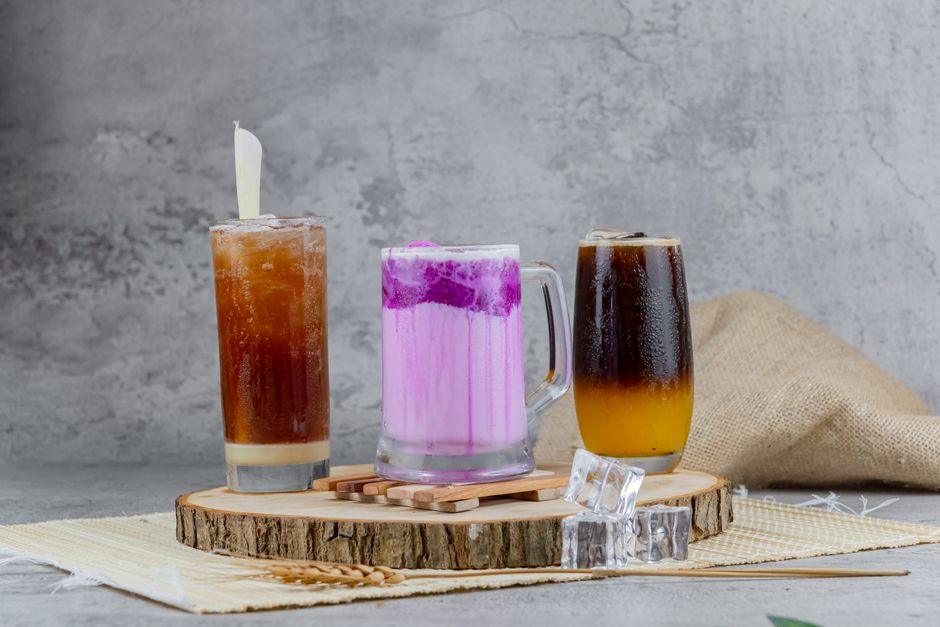
Why Keto Drinks Matter for Fat-Burning Success
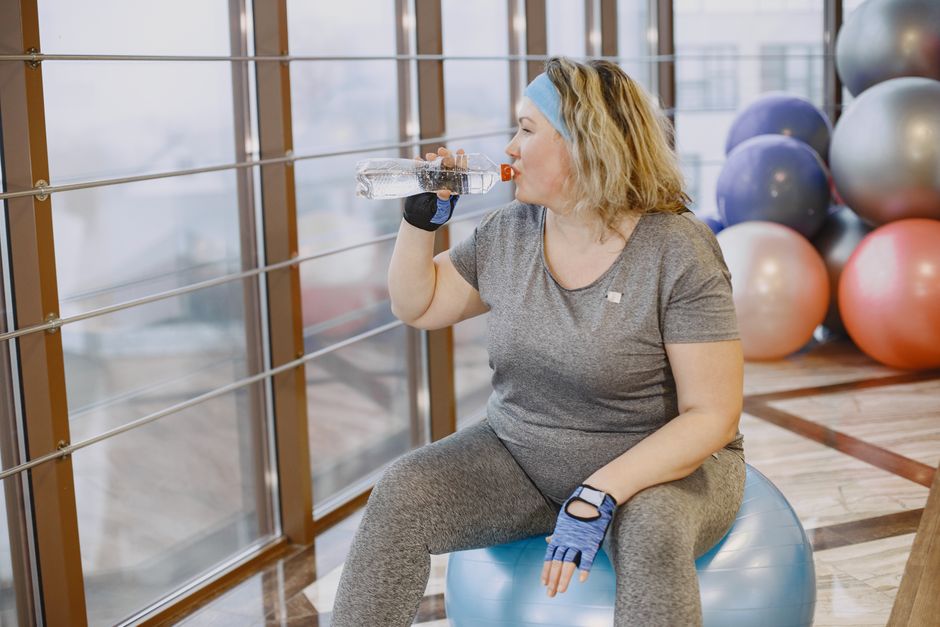
Ketogenic beverages play a crucial role in supporting your body’s transition into metabolic ketosis, where fat becomes the primary fuel source instead of glucose. When you drink the right low-carb options, you maintain steady energy levels throughout the day without the crashes that come from sugar-laden alternatives. **Electrolyte-rich drinks** help prevent the dreaded keto flu—those first few days of headaches, fatigue, and muscle cramps that derail many beginners.
Sugar-free, low-carb drinks help control insulin spikes that trigger cravings and fat storage. Every time you consume carbohydrates or sugar, your pancreas releases insulin to shuttle that energy into cells. On keto, keeping insulin low allows your body to access stored fat for fuel. Many people sabotage their progress with “healthy” drinks that contain hidden carbs—fruit smoothies, flavored coffee drinks, and even some protein shakes can pack 20-30g of carbs per serving.
The biggest mistake is underestimating liquid carbs. A store-bought green juice might seem nutritious, but most contain apple or pineapple juice that kicks you out of ketosis. Reading labels carefully and tracking net carbs in everything you drink becomes essential for consistent weight loss results.
Editor’s pick: MCT oil powder — compare options and current availability.
Top 5 Keto-Friendly Morning Drinks to Kickstart Fat Burn
**Bulletproof coffee** remains the gold standard for keto mornings. Blend 8-12 ounces of black coffee with 1-2 tablespoons of MCT oil and 1-2 tablespoons of grass-fed butter or ghee. The healthy fats provide sustained energy for 4-6 hours while suppressing appetite naturally. MCT oil converts quickly into ketones, giving your brain immediate fuel without carbs. Start with smaller amounts of MCT oil to avoid digestive upset, then gradually increase.
A **matcha green tea latte** offers a gentler caffeine boost with added antioxidants. Whisk 1 teaspoon of ceremonial-grade matcha powder with 8 ounces of unsweetened almond milk (1g net carbs), add 1 scoop of unflavored collagen peptides, and sweeten with stevia or monk fruit drops. The combination provides amino acids for muscle preservation during weight loss and L-theanine for calm, focused energy.
**Apple cider vinegar tonic** supports digestion and may improve insulin sensitivity. Mix 1-2 tablespoons of raw, unfiltered ACV with 8 ounces of water, juice from half a lemon, a pinch of cayenne pepper, and stevia to taste. Drink this 15-20 minutes before breakfast to prime your digestive system. Some studies suggest ACV helps with blood sugar regulation, though results vary by individual.
Keto-friendly **protein shakes** work best with whey protein isolate (under 2g net carbs per scoop) or plant-based options like pea protein that stay under 3g net carbs. Blend with unsweetened almond milk, ice, a handful of spinach, and half an avocado for creaminess. Avoid protein powders with maltodextrin, which spikes blood sugar despite being labeled “low carb.”
**Herbal tea blends** featuring ginger, cinnamon, and turmeric naturally boost thermogenesis—the process your body uses to generate heat and burn calories. Brew a strong cup, add a splash of heavy cream or coconut oil, and enjoy hot or iced. These warming spices also reduce inflammation that can interfere with weight loss.
Electrolyte Drinks and Hydration Hacks for Keto Dieters
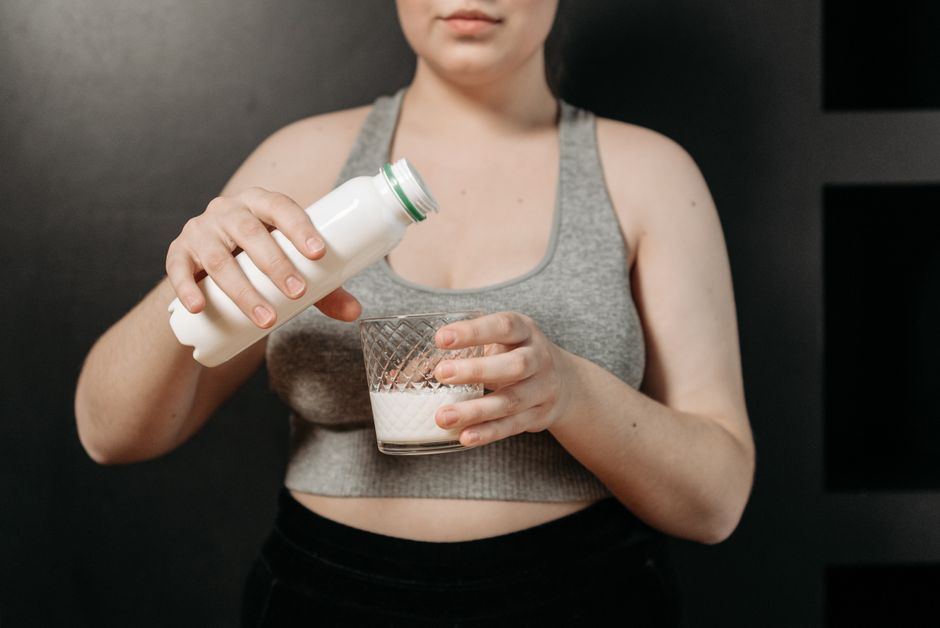
When you cut carbs, your body dumps water weight rapidly during the first week. Along with that water, you lose essential electrolytes—**sodium, potassium, and magnesium**. Without adequate electrolyte balance, you’ll experience fatigue, brain fog, muscle cramps, and headaches that make sticking to keto feel impossible.
Make DIY electrolyte water by mixing ¼ teaspoon pink Himalayan salt, ¼ teaspoon potassium chloride (salt substitute), and a magnesium supplement into 32 ounces of water. Add fresh lemon or lime juice and stevia for flavor. This homemade version costs pennies compared to store-bought options and contains no artificial ingredients or hidden carbs.
Store-bought zero-sugar sports drinks like Powerade Zero or Gatorade Zero contain electrolytes but rely on artificial sweeteners and colors. Compare the ingredient list to your homemade version—commercial drinks typically provide less sodium and potassium than keto dieters need. Budget-conscious? The homemade route saves $30-40 monthly versus buying ready-made electrolyte drinks.
Watch for these signs you need more electrolytes: persistent headaches that don’t respond to water alone, muscle cramps especially at night, unusual fatigue despite adequate sleep, heart palpitations or irregular heartbeat, and difficulty concentrating. Time your electrolyte intake around workouts—drink 8-16 ounces before exercise and another 8-16 ounces after. During intermittent fasting windows, electrolyte water keeps you hydrated without breaking your fast.
Fat-Burning Smoothies Under 10g Net Carbs
A **berry-avocado green smoothie** delivers antioxidants and healthy fats without excess carbs. Blend ½ cup frozen raspberries or blackberries (lowest-carb berry options), ½ ripe avocado, 1 cup spinach, 1 tablespoon chia seeds, 8 ounces unsweetened almond milk, and ice. Total net carbs: approximately 8g with 15g of satiating fat. The chia seeds provide omega-3s and fiber to keep you full until lunch.
**Chocolate peanut butter shakes** satisfy dessert cravings while supporting ketosis. Combine 1 scoop chocolate whey isolate, 2 tablespoons natural peanut butter (check for added sugar), 1 tablespoon unsweetened cocoa powder, 1 tablespoon MCT oil powder, 8 ounces unsweetened almond milk, and ice. This shake delivers around 6g net carbs with 25g protein and tastes like a milkshake.
For a **vanilla coconut cream smoothie**, blend 1 scoop vanilla protein powder, 3 tablespoons full-fat coconut cream, 2 tablespoons hemp hearts, ¼ teaspoon vanilla extract, 8 ounces water or almond milk, and plenty of ice. Hemp hearts add plant-based protein, magnesium, and omega-3s. Net carbs stay under 5g while the coconut cream provides MCTs for quick ketone production.
Ingredient swaps matter enormously. Replace high-carb fruits like bananas (27g net carbs), mangoes (22g), and apples (21g) with small amounts of berries, which contain 5-7g net carbs per half cup. Use **low-glycemic alternatives** like frozen cauliflower rice for thickness (adds only 2g net carbs per cup) or zucchini for neutral flavor and creamy texture.
Batch prep saves time on busy mornings. Portion smoothie ingredients into individual freezer bags—pre-measured protein powder, greens, nut butter, and low-carb fruits. In the morning, dump one bag into your blender with liquid and ice. This method cuts prep time from 10 minutes to 2 minutes while ensuring you stick to your macros.
Best Store-Bought Keto Drinks for Convenience and Portability
**Ready-to-drink ketone supplements** come in two forms: exogenous ketone esters and BHB salts. These products raise blood ketone levels temporarily, which some people find helpful for energy during the adaptation phase. However, exogenous ketones don’t replace natural ketosis achieved through diet. They work best as occasional support during fasting, intense workouts, or travel when maintaining strict macros proves difficult. Expect to pay $3-5 per serving.
**Sugar-free energy drinks** with clean caffeine sources include brands like Zevia Energy (uses stevia), Celsius (contains green tea extract and guarana), and Reign (uses sucralose). Avoid products with maltodextrin listed in the first five ingredients—manufacturers use this filler to add bulk, but it spikes blood sugar like regular sugar. Check for 0g sugar and under 5g total carbs per can.
**Keto meal replacement shakes** should contain 15-25g protein, 10-20g fat, and under 5g net carbs per serving. Popular options include Keto Chow, Ample K, and SlimFast Keto. Compare macros carefully—some brands pack unnecessary ingredients that drive up costs without improving nutrition. A taste test winner depends on personal preference, but chocolate and vanilla flavors tend to mix best with various additions like coffee, almond butter, or cinnamon.
**Sparkling water with natural flavors** provides zero-carb hydration with variety. Brands like Waterloo, Spindrift (check carbs—some have 1-2g from real fruit), and LaCroix offer dozens of flavors using natural essences. Add adaptogens like ashwagandha or rhodiola powder to afternoon sparkling water for stress support without breaking ketosis.
Reading labels prevents hidden carb traps. “Zero sugar” claims can be misleading—products may contain sugar alcohols like maltitol that raise blood glucose in sensitive individuals. Calculate net carbs by subtracting fiber and certain sugar alcohols (erythritol, allulose) from total carbs. If net carbs exceed 5g per serving, the product likely won’t fit your daily 20-50g limit.
Detox and Cleanse Drinks That Fit Keto Macros
**Lemon-ginger detox water** reduces bloating and supports digestive health. Slice 1 lemon and 2 inches of fresh ginger root into a pitcher, add 64 ounces of filtered water, and refrigerate overnight. The lemon provides vitamin C and liver support, while ginger reduces inflammation and nausea. Drink throughout the day for gentle detoxification that complements ketosis. Net carbs: approximately 2g per 16-ounce serving.
Green juice recipes must be carefully constructed to avoid carb overload. Use primarily **celery, cucumber, and parsley**—vegetables with extremely low net carbs (1-2g per cup). Add a small amount of spinach, kale, or romaine lettuce. Skip carrots (7g net carbs per cup), beets (13g), and all fruits except a squeeze of lemon. A 12-ounce serving should contain 3-5g net carbs maximum.
**Herbal cleanse teas** like dandelion root support liver function and act as natural diuretics to reduce water retention. Milk thistle contains silymarin, a compound that protects liver cells and may improve detoxification pathways. Brew these teas according to package directions and drink 1-2 cups daily. They contain virtually zero carbs and pair well with a splash of coconut milk.
Most commercial detox drinks break ketosis with fruit juices, maple syrup, or agave nectar that contain 30-50g of carbs per bottle. Master Cleanse-style lemonade diets rely on maple syrup for energy, completely incompatible with keto. Instead, use the lemon-ginger water recipe above or herbal teas that support your body’s natural detoxification without added sugars.
Evening Wind-Down Drinks That Support Overnight Fat Loss
**Golden milk** combines anti-inflammatory spices with satiating fats for better sleep quality. Heat 8 ounces of full-fat coconut milk (5g net carbs) with 1 teaspoon turmeric powder, ¼ teaspoon black pepper (enhances curcumin absorption), ¼ teaspoon cinnamon, and a pinch of ginger. Sweeten with stevia or monk fruit. Black pepper increases curcumin bioavailability by 2000%, making this drink highly effective for reducing inflammation that can interfere with weight loss.
**Chamomile and lavender tea** naturally lower cortisol levels and promote deeper sleep. High cortisol encourages fat storage, particularly around the midsection. Brew 1-2 teaspoons of dried chamomile flowers with ½ teaspoon culinary lavender for 5-7 minutes. Add a dollop of heavy cream for richness without carbs. Quality sleep directly impacts weight loss—studies show poor sleepers lose more muscle and less fat during calorie restriction.
**Bone broth sipping** before bed provides collagen, glycine, and sodium to support overnight fasting. Collagen peptides improve skin elasticity during weight loss and support joint health. Glycine promotes relaxation and deeper sleep. The sodium helps maintain electrolyte balance through the night. Heat 8 ounces of chicken or beef bone broth, add a pat of butter or splash of heavy cream, and season with herbs. Net carbs: 0-2g depending on the brand.
Avoid late-night carbs that trigger insulin release and fat storage. Alcohol alternatives include dry wines (3-4g net carbs per 5-ounce glass), spirits like vodka or tequila with soda water and lime (0g carbs), or a sugar-free hot chocolate made with unsweetened cocoa powder, heavy cream, and erythritol. These options satisfy cravings without derailing overnight fat burning.
Keto Drink Recipes for Social Situations and Cravings
**Mocktails and low-carb cocktails** let you enjoy social drinking without guilt. Mix vodka, gin, or tequila (0g carbs per ounce) with soda water, fresh lime juice, and muddled mint or berries. Dry wines like Sauvignon Blanc, Pinot Noir, or Champagne contain 3-4g net carbs per glass versus 10-15g in sweet wines. Avoid mixers like tonic water (32g carbs per 12 ounces), juice, and simple syrup.
Create a **keto-friendly iced coffee bar** at home with sugar-free flavor syrups (Torani, Jordan’s Skinny Syrups), heavy whipping cream, and monk fruit sweetener. Brew strong coffee, chill overnight, and serve over ice with your choice of add-ins. Popular combinations include vanilla-cinnamon, mocha-hazelnut, and caramel-sea salt. Each 16-ounce serving contains 1-3g net carbs versus 40-60g at coffee chains.
**Hot chocolate made with unsweetened cocoa** tastes indulgent while fitting keto macros perfectly. Heat 8 ounces of unsweetened almond milk with 2 tablespoons unsweetened cocoa powder, 2 tablespoons heavy cream, and 1-2 tablespoons powdered erythritol. Whisk until smooth and frothy. Top with sugar-free whipped cream and a dusting of cinnamon. Net carbs: approximately 4g with rich chocolate flavor that rivals traditional recipes.
Holiday drinks get keto makeovers easily. **Pumpkin spice lattes** use 2 tablespoons pumpkin puree (not pie filling), pumpkin pie spice, espresso, steamed almond milk, and monk fruit sweetener for 5g net carbs. **Peppermint mochas** combine sugar-free peppermint syrup with espresso, cocoa powder, and heavy cream for under 4g net carbs. These seasonal favorites help you stay on track during celebrations.
How to Track Macros in Your Keto Beverages
Using apps like MyFitnessPal, Carb Manager, or Cronometer allows precise tracking of **net carbs, fat, and protein** in homemade drinks. Scan barcodes on packaged ingredients or search the database for whole foods. Pay special attention to serving sizes—measuring cups and kitchen scales prevent underestimating portions, which commonly stalls weight loss.
Liquid calories count just as much as solid food, sometimes more because they don’t trigger the same satiety signals. A 16-ounce bulletproof coffee with 2 tablespoons each of butter and MCT oil contains roughly 400 calories and 45g of fat. While healthy fats support ketosis, over-consuming them prevents your body from burning stored fat. If weight loss plateaus, reduce added fats in beverages and let your body access its own fat stores.
Adjust drink recipes to fit your personal macro goals. Someone targeting weight loss might limit added fats to 1 tablespoon per beverage, while a maintenance-phase person or athlete might use 2-3 tablespoons. Calculate your ideal macros using a keto calculator based on age, height, weight, activity level, and goals. Most weight loss macros fall around 70-75% fat, 20-25% protein, and 5% carbs.
Pairing drinks with meals versus standalone consumption affects hunger management. A protein-rich smoothie works as meal replacement, providing sustained fullness for 4-5 hours. A cup of bulletproof coffee between meals acts as a snack replacement, bridging the gap until your next eating window. Track timing alongside macros to identify patterns that support your energy and appetite best.
Supplements to Add to Your Keto Drinks for Better Results
**MCT oil versus MCT powder** both provide medium-chain triglycerides that convert rapidly into ketones, but they differ in absorption and convenience. MCT oil absorbs faster, giving quicker energy, but can cause digestive upset (diarrhea, stomach cramps) when consumed too quickly or in large amounts. MCT powder blends more easily into cold drinks without separation and causes fewer digestive issues. Start with 1 teaspoon and gradually increase to 1-2 tablespoons as tolerance builds.
**Collagen peptides** dissolve completely in hot or cold liquids, providing 10g of protein per scoop with minimal taste. Collagen supports skin elasticity during weight loss—preventing the loose, sagging skin that sometimes accompanies rapid fat loss. It also benefits joint health, hair strength, and gut lining integrity. Add unflavored collagen to coffee, tea, smoothies, or bone broth daily.
**Exogenous ketones (BHB salts)** raise blood ketone levels within 30-60 minutes of consumption. They help during the keto adaptation phase when your body is learning to produce its own ketones efficiently. They also provide quick energy for workouts or mental clarity during fasting. However, they’re unnecessary once you’re fully adapted and expensive at $2-4 per serving. Use them strategically, not daily.
**Fiber supplements** prevent the constipation many people experience on keto due to reduced vegetable intake. Psyllium husk and acacia gum (prebiotic fiber) add bulk to stool and feed beneficial gut bacteria. Mix 1 teaspoon into smoothies or shakes, always with adequate water to avoid blockages. Fiber doesn’t count toward net carbs and supports regularity during calorie deficits.
**Greens powders** claim to replace servings of vegetables, but many aren’t truly low-carb. Check labels carefully—some contain spirulina, chlorella, wheatgrass, and fruit extracts that push net carbs above 5g per scoop. Look for products specifically marketed as keto-friendly with under 3g net carbs per serving. These provide micronutrients and antioxidants that might otherwise be lacking in a restrictive diet.
Common Pitfalls: Drinks That Sabotage Keto Weight Loss
**Lattes and coffee shop traps** derail more keto diets than most people realize. A grande Starbucks latte with 2% milk contains 19g carbs before any flavoring syrups. Almond milk reduces this to 7g, but still too high for strict keto. Oat milk, increasingly popular as a dairy alternative, contains 16g net carbs per cup—worse than regular milk. Order Americanos or cold brew with heavy cream and bring your own sweetener.
**Fruit juices and “natural” sweeteners** spike blood sugar regardless of organic certifications or health claims. Orange juice contains 26g carbs per 8 ounces, apple juice has 28g, and green juices from juice bars often exceed 30g when they include apples or pineapple for sweetness. Honey, maple syrup, agave nectar, and coconut sugar all metabolize as sugar—they’re not keto-friendly despite natural origins.
**Protein shakes with fillers** turn a healthy habit into a carb bomb. Many brands add maltodextrin, dextrose, or corn syrup solids to improve texture and sweetness. Soy protein isolate is cheaper than whey, but contains phytoestrogens that may interfere with hormone balance. Read ingredient lists thoroughly—if sugar or a sugar synonym appears in the first five ingredients, choose a different product. Aim for shakes with 1-3g net carbs per scoop maximum.
**Diet sodas** remain controversial in the keto community. Artificial sweeteners like aspartame, sucralose, and acesulfame potassium don’t directly raise blood glucose, but some research suggests they may trigger insulin release through taste receptors. Individual responses vary widely—some people drink diet soda daily with no weight loss issues, while others find it stalls progress or increases cravings. The “sweetness addiction” cycle is real; constantly consuming sweet flavors (even zero-calorie) can make it harder to reduce sugar cravings long-term.
**Over-relying on fat bombs in liquid form** instead of whole foods creates an unbalanced diet lacking essential micronutrients and fiber. While bulletproof coffee and keto shakes have their place, they shouldn’t replace actual meals more than once daily. Whole foods provide vitamins, minerals, and compounds that supplements can’t fully replicate. Use liquid meals strategically for convenience, but prioritize eating real food whenever possible.
Frequently Asked Questions
Can I drink diet soda on keto and still lose weight?
A: Artificial sweeteners like aspartame and sucralose don’t contain carbs or calories, making diet soda technically keto-compliant. However, research on insulin response remains mixed—some studies show certain sweeteners trigger a small insulin release through cephalic phase response (taste-triggered), while others show no metabolic impact. Individual tolerance varies significantly. Some people drink diet soda daily without weight loss issues, while others experience stalls or increased cravings. If you consume diet soda and weight loss plateaus, try eliminating it for 2-3 weeks to assess impact. Healthier alternatives include sparkling water with stevia drops, monk fruit-sweetened beverages, or naturally flavored unsweetened sparkling water. These options avoid the potential for sweetness addiction while keeping carbs at zero.
How much water should I drink daily on a keto diet?
A: General guidelines suggest drinking half your body weight in ounces daily, plus additional electrolytes to replace sodium lost through reduced insulin. A 160-pound person needs approximately 80 ounces (10 cups) as a baseline. Adjust upward for exercise intensity—add 16-24 ounces for every hour of moderate to intense activity. Climate matters too; hot weather or dry environments increase fluid needs through perspiration. Track urine color as a simple indicator: pale yellow suggests adequate hydration, while dark yellow or amber indicates you need more fluids. Signs of overhydration include frequent urination (more than once hourly), headaches, nausea, or swelling in hands and feet. On low-carb plans, balance water intake with adequate electrolytes—drinking excess water without sodium, potassium, and magnesium can dangerously dilute electrolyte concentrations. Personal sweat rate varies, so monitor how you feel and adjust accordingly rather than following rigid formulas.
Do exogenous ketone drinks really speed up fat loss?
A: Exogenous ketones raise blood ketone levels temporarily (for 2-4 hours) by providing BHB (beta-hydroxybutyrate) directly, but this doesn’t translate to increased fat burning or accelerated weight loss. Research shows exogenous ketones don’t trigger lipolysis—the breakdown of stored body fat. They provide an alternative fuel source, which can improve workout performance, mental clarity during fasting, or reduce keto flu symptoms during adaptation. Actual weight loss outcomes in studies show no significant difference between groups using exogenous ketones versus those achieving ketosis through diet alone. They’re useful for specific situations: supporting energy during extended fasts, reducing keto flu when starting, or pre-workout fuel when you’ve eaten recently and want quick ketones. Real food ketosis achieved through carb restriction and fat adaptation remains more sustainable, cost-effective (exogenous ketones cost $60-120 monthly), and effective for fat loss. Use them as occasional tools, not daily crutches.
What’s the best time to drink bulletproof coffee for weight loss?
A: Morning fasted state provides maximum fat oxidation benefits, as your body has depleted liver glycogen overnight and readily burns fat for fuel. Drinking bulletproof coffee first thing provides sustained energy for 4-6 hours while maintaining a fasted state for autophagy and fat-burning benefits. However, adding 300-500 calories of fat technically breaks a pure fast, though it maintains many fasting benefits. If practicing intermittent fasting strictly (targeting autophagy), delay bulletproof coffee until your eating window opens, or drink black coffee only during fasted hours. Post-breakfast timing works better if you experience anxiety or jitters from caffeine on an empty stomach. The MCT oil and butter slow caffeine absorption, providing smoother energy without crashes. Adjust portion sizes based on activity level and hunger signals—sedentary days might need only 1 tablespoon each of fat, while active training days might benefit from 2 tablespoons. Experiment with timing and amounts over 1-2 weeks to find what supports your energy, appetite control, and weight loss goals best.
Top Product Recommendations
| Product Name | Rating | Key Feature | Est. Price | Action |
|---|---|---|---|---|
| Top-rated MCT oil powder | ★★★★★ | Editor-recommended MCT oil powder from this guide | $18–$42 | Check Lowest Price on Amazon |
| Best-value grass-fed butter | ★★★★☆ | Affordable grass-fed butter — strong everyday results | $12–$28 | Check Lowest Price on Amazon |
| Premium collagen peptides unflavored | ★★★★☆ | Higher-end collagen peptides unflavored for visible, lasting results | $45–$95 | Check Lowest Price on Amazon |
Affiliate Disclosure: This post contains affiliate links. We may earn a commission if you buy through our links, at no extra cost to you. Medical Disclaimer: This content is for informational purposes only and is not medical advice. Consult a healthcare professional before changing diet or exercise.
Leave a Reply