Why Store-Bought Keto Bread Still Disappoints in 2026
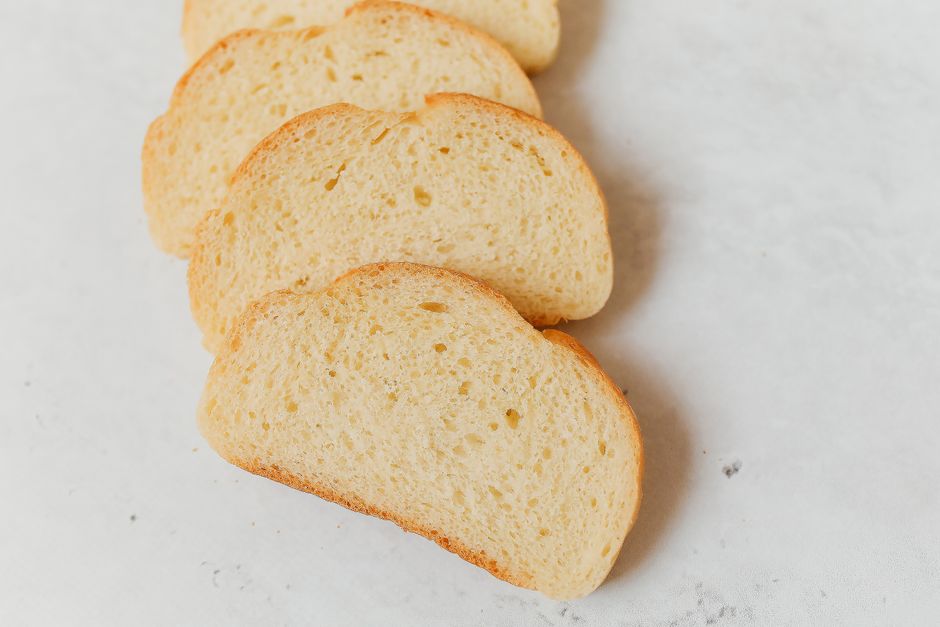
Walk into any US grocery store in 2026 and you’ll find a dedicated keto section—but the bread options remain frustrating. Most commercial keto loaves suffer from **crumbly, gummy, or cardboard-like textures** that fall apart the moment you try to spread butter. The consistency problem stems from manufacturers trying to replicate wheat bread structure without gluten, often resulting in dense bricks or airy foam that disintegrates.
The **”low-carb” label confusion** continues to trap shoppers who don’t understand net carbs versus total carbs. A loaf might advertise 1g net carbs per slice but contain 12g total carbs once you account for fiber and sugar alcohols. For strict keto dieters tracking macros, this math matters—and misleading packaging makes accurate tracking nearly impossible without a nutrition degree.
Price remains the biggest barrier to daily keto bread consumption. **Premium loaves cost $8–12** compared to $3 for standard whole wheat bread, making it an expensive habit for families. When you factor in shelf life failures—mold appearing within three days despite refrigeration—the cost per edible slice skyrockets. Many brands also hide **fillers, preservatives, and common allergens** like soy lecithin or wheat gluten (ironically) to improve texture, defeating the purpose for clean-eating keto followers.
Editor’s pick: almond flour baking — compare options and current availability.
What Actually Makes Keto Bread Work: The Science Behind Low-Carb Baking
Successful keto bread relies on **almond flour as the primary base** because it provides 3g net carbs per quarter-cup while mimicking wheat flour’s fat content. Coconut flour absorbs three times more liquid than almond flour, requiring completely different ratios—swapping them 1:1 guarantees a dry, inedible result. Most home recipes combine both flours to balance cost (coconut is cheaper) with texture (almond creates softer crumb).
**Psyllium husk powder** serves as the secret binding agent that replaces gluten’s elasticity. Just 1–2 tablespoons per loaf create the chewy, stretchy texture that prevents crumbling when slicing. The fiber doesn’t count toward net carbs and helps the dough hold gas bubbles from baking powder, allowing the loaf to rise without yeast or wheat gluten structure.
Egg ratios make or break keto bread—too few eggs result in dense, soggy centers, while too many create an omelet-like flavor and rubbery bounce. The **ideal formula uses 4–6 large eggs per loaf** depending on flour type, providing structure, moisture, and rise. Baking powder chemistry becomes critical since there’s no gluten network to trap air; using **aluminum-free double-acting baking powder** ensures consistent rise without metallic aftertaste.
Top 5 Keto Bread Recipes US Home Cooks Actually Bake in 2026
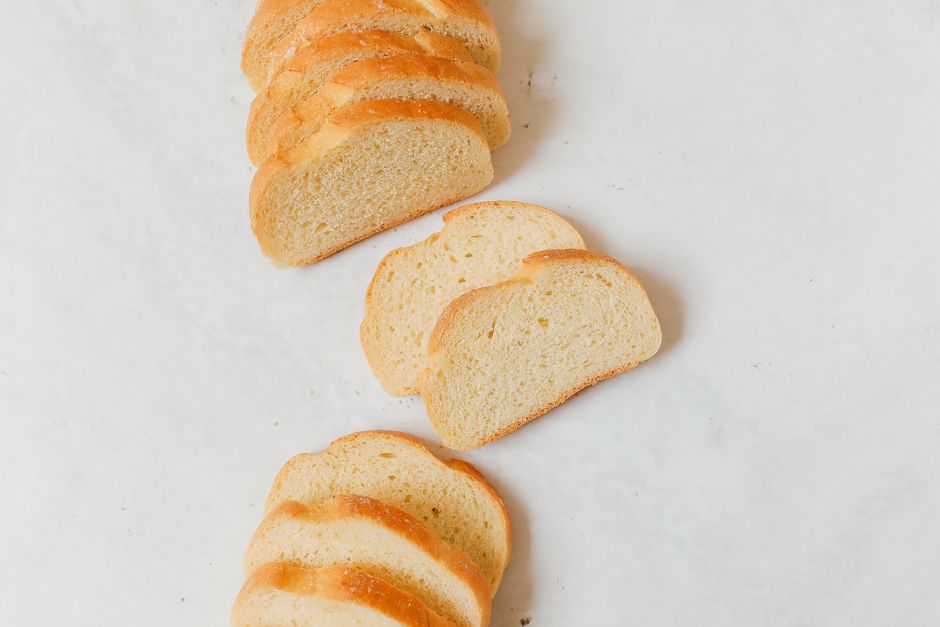
The **90-second microwave mug bread** remains the emergency go-to for single servings—mix 3 tablespoons almond flour, 1 egg, 1/2 teaspoon baking powder, and a pinch of salt in a mug, microwave 90 seconds, and you have instant toast. It won’t win texture awards but delivers 2g net carbs and zero waiting when cravings hit.
**Classic almond flour sandwich loaf** dominates meal-prep routines with its sliceable consistency and 3g net carbs per slice. The recipe uses 2 cups almond flour, 6 eggs, 1/4 cup melted butter, 2 tablespoons psyllium husk, and 1 tablespoon baking powder—baked at 350°F for 50 minutes in a standard loaf pan. This version actually holds up to peanut butter and jelly without falling apart.
When almond flour prices spike above $12 per pound, **coconut flour dinner rolls** become the budget-conscious option at $5 per pound for organic flour. The dough feels like Play-Doh initially but bakes into fluffy rolls perfect for burger buns or dinner sides. These require more eggs (8 for one batch) due to coconut flour’s absorbency.
**Seed-based bread** using ground flax, chia, and sunflower seeds offers a nut-free alternative for households with allergies. The texture leans toward dense and hearty—think German vollkornbrot—with 1g net carbs per thick slice. Grinding seeds fresh in a coffee grinder produces better results than pre-ground meal that often tastes rancid.
**Cloud bread** made from cream cheese, eggs, and cream of tartar went viral on TikTok again in 2025 and refuses to disappear. It’s technically zero-carb and impossibly light—more like a savory meringue than bread—but works for sandwich wraps when you need maximum carb restriction.
Ingredient Swaps That Save Money Without Killing Macros
Substituting **sunflower seed flour** for almond flour cuts costs by 40% ($7 vs $12 per pound) while adding only 1g net carbs per serving. Grind raw sunflower seeds in a food processor until fine—stop before it turns into butter. The flavor is nuttier and slightly bitter, easily masked with garlic powder or Italian seasoning in savory loaves.
**Greek yogurt versus cream cheese** in batter creates interesting trade-offs: yogurt adds tang and moisture for $4 per tub while cream cheese ($5) provides richer fat content and denser crumb. Nutritionally they’re nearly identical at 3–4g carbs per half-cup, so choose based on desired texture. Greek yogurt makes lighter, airier bread while cream cheese creates denser, more filling slices.
Generic **psyllium husk from bulk bins** ($8/lb at Whole Foods) performs identically to name-brand Metamucil ($15/lb) since it’s the same ingredient without branding. Buy the powder form rather than whole husks for smoother texture—whole husks create visible fibers that some find unappetizing.
**Bulk baking and freezing dough portions** reduces per-loaf cost significantly when you factor in electricity and time. Mix three batches of batter on Sunday, portion into muffin tins or mini loaf pans, freeze unbaked, and bake individual portions throughout the week. This prevents waste from loaves going stale before you finish them.
Dollar stores increasingly stock **xanthan gum and baking essentials** at $1.25 compared to $6 at specialty grocers. Check expiration dates carefully, but the products are manufactured identically. This hack alone saves $20–30 per month for serious keto bakers.
Fixing the 5 Biggest Keto Bread Fails in Your Kitchen
When loaves **sink in the middle after baking**, your oven temperature is likely 25°F too high, causing rapid surface crust formation while the center remains undercooked. Use an oven thermometer to verify actual temperature versus dial setting, and reduce heat to 325°F with longer baking time. Overmixing batter also overdevelops structure that collapses—stir just until combined.
The **persistent eggy smell and taste** comes from using eggs straight from the refrigerator, which don’t incorporate air properly. Let eggs sit at room temperature 30 minutes before mixing, and add 1 teaspoon vanilla extract, 1 tablespoon cinnamon, or 2 teaspoons garlic powder depending on sweet or savory direction. The aromatics mask egg flavor without adding carbs.
**Crumbly bread that won’t slice cleanly** indicates insufficient binding agent or premature cutting. Add 1 extra tablespoon of psyllium husk to the recipe, and absolutely let loaves cool completely—at least 2 hours—before slicing. Warm bread hasn’t set its structure yet. Use a serrated bread knife with gentle sawing motion rather than pressing down.
**Gummy centers with crispy edges** signal incorrect pan size—batter spread too thin bakes unevenly. Match your pan dimensions to recipe specifications (usually 9×5-inch loaf pan), and tent aluminum foil over the top halfway through baking if edges brown too quickly. Rotating the pan 180° at the halfway point ensures even heat distribution.
When **bread refuses to rise**, test your baking powder freshness by mixing 1 teaspoon with hot water—it should fizz vigorously immediately. Expired leavening agents are the usual culprit. Also verify eggs are room temperature, as cold eggs inhibit rise by cooling the batter below optimal reaction temperature for baking powder.
Best Store-Bought Keto Breads If You’re Not Baking (2026 Tested)
**Costco and Sam’s Club** now carry house-brand keto loaves at $6.99 for two-packs, bringing per-slice cost down to $0.35 versus $0.75 for specialty brands. The Kirkland Signature keto bread contains 2g net carbs verified by independent lab testing (some customers reported discrepancies in 2024, prompting reformulation). Texture resembles standard sandwich bread more than any competitor, though it’s slightly denser.
**Aldi’s Zero Carb Bread** launches in April 2026 at $3.99 per loaf with legitimate 0g net carbs using modified wheat gluten and oat fiber. Early taste tests reveal it’s best **toasted rather than fresh**—straight from the bag it has a slight chemical aftertaste that disappears with heat. For grilled cheese and paninis, it performs admirably at unbeatable price.
Amazon **Subscribe & Save keto bread subscriptions** deliver popular brands like Franz Keto or ThinSlim at 15% discount, reducing cost to $0.55 per slice. The math works for households eating 2+ slices daily, but you’re locked into monthly deliveries. Calculate your actual consumption before subscribing—most people overestimate bread usage and end up with freezer hoarding.
Seek out **local bakeries willing to do custom keto orders** by searching “[your city] keto bakery” or joining regional keto Facebook groups for recommendations. Small businesses often use cleaner ingredients than mass producers and can adjust recipes for allergies. Expect $8–10 per loaf but vastly superior freshness and texture.
**Avoid brands using maltitol** (causes digestive distress and blood sugar spikes despite low net carb claims), wheat gluten as primary ingredient (defeats gluten-free goals), or vague “proprietary fiber blend” listings (usually code for cheap fillers). Read ingredient lists before nutrition labels.
Keto Bread Meal Prep: Making It Work for Busy Weekdays
The **bake-once-eat-all-week strategy** requires proper slicing and storage protocol. Cool loaves completely, slice uniformly using a bread guide or ruler, then layer parchment paper between slices before storing. This prevents sticking and allows grabbing individual slices without thawing entire loaf.
**Pre-portioned sandwich packs** solve the school-lunch and work-from-home chaos—assemble sandwiches Sunday night with deli meat and cheese, wrap individually in plastic wrap, then stack in gallon freezer bags. Grab one in the morning and it thaws by lunch. Add lettuce and condiments fresh to prevent sogginess.
Keto bread absolutely works for **French toast and grilled cheese** despite skepticism. For French toast, use slightly stale bread (fresh absorbs too much egg mixture and disintegrates) and cook over medium-low heat. Grilled cheese requires buttering the outside generously and using a weighted press or heavy skillet to compress while cooking—this prevents separation.
**Breadcrumb alternatives** from leftover crusty slices: pulse dried keto bread in food processor to create coating for chicken tenders or casserole toppings. Mix with Parmesan and Italian herbs for 1g net carb breading versus 12g for traditional panko.
Storage rules: counter 2 days maximum, refrigerator 5–7 days in airtight container or zip-top bag, freezer 3 months in double-wrapped freezer paper. Thaw frozen slices in toaster or 20 seconds microwave—never at room temperature where condensation makes them gummy.
Pairing Keto Bread with Low-Carb Spreads and Fillings
**Butter, mayonnaise, and full-fat cream cheese** remain optimal toppings because their fat macros complement keto bread’s carb-to-fat ratio perfectly. Kerrygold butter adds richness, Duke’s mayo (preferred Southern US brand) brings tang without sugar, and Philadelphia cream cheese at room temperature spreads easily without tearing delicate keto slices.
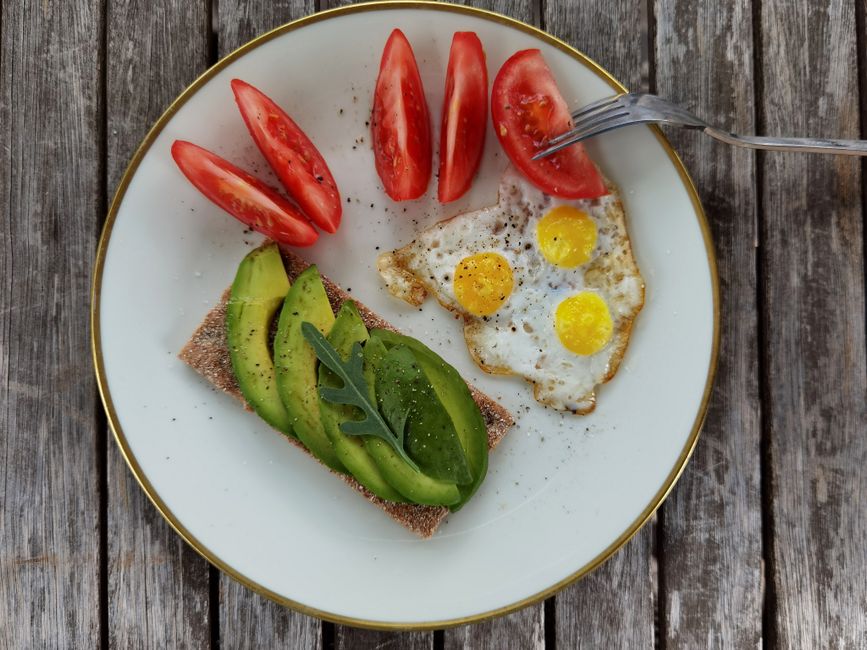
**Avocado smash with everything bagel seasoning** became the millennial keto breakfast staple for good reason—half an avocado provides 2g net carbs and creamy fat that contrasts keto bread’s denser texture. Trader Joe’s Everything But the Bagel seasoning contains 0g carbs and adds the onion-garlic-sesame punch that makes plain bread exciting.
For **deli meat convenience**, roll-ups (meat wrapped around cheese stick) versus traditional sandwiches comes down to time—roll-ups are faster for breakfast on-the-go, but sandwiches feel more satisfying psychologically and keep you fuller longer. Boar’s Head Low Sodium Turkey and Applegate Naturals avoid added sugars found in cheaper processed meats.
**Sugar-free jams and nut butters** require vigilant label reading. Good Good jam uses allulose and stevia (0g net carbs) while Smucker’s Sugar Free uses maltitol (subtract fiber but count sugar alcohols at 50%). Natural peanut butter has 4g net carbs per 2 tablespoons—measure strictly since jars disappear fast. Almond butter runs higher at 3g per tablespoon.
Turning **dinner protein into next-day sandwich filling** prevents waste and simplifies meal prep: rotisserie chicken shredded with mayo and celery, leftover steak sliced thin with horseradish cream cheese, or salmon salad with dill and capers. The bread becomes vehicle for using up refrigerator ingredients before they spoil.
Keto Bread for Special Diets: Nut-Free, Dairy-Free, and Vegan Options
**Vegan keto bread** poses the biggest challenge since eggs provide critical structure. The workaround uses coconut flour (1 cup), ground flax “eggs” (3 tablespoons flax meal mixed with 9 tablespoons water, set 5 minutes), 1/4 cup melted coconut oil, and 2 teaspoons baking powder. The result is denser than egg-based versions but surprisingly functional at 4g net carbs per slice.
**Seed-only recipes** eliminate nut allergies completely using combinations of ground sunflower seeds, pumpkin seeds (pepitas), sesame seeds, and hemp hearts. Process seeds until flour-like consistency, then follow standard keto bread ratios with eggs (or flax eggs for vegan). The flavor is robust and earthy—think artisan seeded loaves from European bakeries.
**Oat fiber** (not oat flour, which is high-carb) remains controversial in keto communities. It’s pure insoluble fiber with 0g net carbs that adds bulk and wheat-like texture, but some people report digestive issues or stalled weight loss. If experimenting, start with 1/4 cup replacing portion of almond flour rather than full substitution.
For **dairy-free adaptations**, replace butter with refined coconut oil (tasteless) or avocado oil, and swap cream cheese with Kite Hill almond milk cream cheese or mashed avocado. Miyoko’s Creamery makes exc nt dairy-free butter that browns and behaves like real butter in baking.
**Certified gluten-free keto baking** requires dedicated equipment to prevent cross-contamination if you have celiac disease. Wash mixing bowls, loaf pans, and utensils thoroughly, and consider separate toaster for gluten-free bread only. Most keto bread is naturally gluten-free unless recipes add vital wheat gluten for texture.
Drinking Keto-Friendly Beverages with Your Low-Carb Bread Meals
**Bulletproof coffee**—coffee blended with grass-fed butter and MCT oil—pairs perfectly with keto toast for breakfast because the fat bomb provides sustained energy while bread adds satisfying chew. The combination keeps most people full until lunch without mid-morning crashes. Add 1 tablespoon each butter and MCT oil to 8oz hot coffee, blend 20 seconds until frothy.
**Electrolyte drinks** become important when eating low-carb because reduced insulin causes kidneys to flush sodium, potassium, and magnesium. LMNT and Ultima Replenisher (0g carbs) prevent the headaches and fatigue that make people crave carbs and abandon keto bread efforts. Drink 16oz with breakfast to stay ahead of deficiency.
**Unsweetened almond milk** (30 calories, 1g carbs per cup) works for dunking keto French toast or alongside breakfast sandwiches. Califia Farms and Silk unsweetened vanilla varieties add slight sweetness without sugar. Avoid “original” almond milk which contains 7–12g carbs from added cane sugar.
**Bone broth** served warm in a mug alongside savory keto bread and eggs creates a complete breakfast with sodium boost that prevents keto flu. Pacific Foods and Kettle & Fire shelf-stable varieties offer convenience, or make your own in a slow cooker over 24 hours using chicken feet for maximum gelatin.
Summer meals call for **sugar-free lemonade** (Crystal Light or True Lemon packets) and unsweetened iced tea to accompany sandwiches. These drinks provide flavor variety without carbs, preventing the beverage boredom that leads to cheating with sweet tea or lemonade at 30g carbs per glass.
Budget Breakdown: Homemade vs Store-Bought Keto Bread in 2026
**Ingredient cost per homemade loaf**: almond flour ($3 for 2 cups), 6 eggs ($1.50), butter ($0.75 for 1/4 cup), psyllium husk ($0.50), and baking powder ($0.10) totals $5.85. That loaf yields 12 slices at $0.49 each—versus $0.60–0.75 for store-bought. Annual savings of $75–150 assumes eating 2 slices daily.
The **time investment question** matters for working parents and busy professionals. If 15 minutes of active mixing (plus 50 minutes unattended baking) feels manageable once weekly, the $6 savings per loaf adds up. But if your time is worth $50+ per hour professionally, buying bread makes financial sense. Factor in cleanup time realistically.
**Costco bulk strategy** changes the math significantly—buying 25-pound almond flour bags ($85) and 5-dozen egg flats ($12) drops ingredient costs by 30%. This requires serious commitment to keto lifestyle and freezer space. For households with multiple keto dieters, bulk buying becomes economically rational after month three.
**When to buy store-bought**: Target and Walmart markdown perishables at 50% off on sell-by dates. Keto bread freezes perfectly, so grab discounted loaves and store immediately. Amazon Prime Day (July) and Black Friday increasingly feature keto specialty foods at 25–40% off—stock up then.
**Hidden costs** first-time bakers overlook: KitchenAid mixer ($200–300), USA Pan almond-coated loaf pans ($15 each, need 2), and reusable parchment sheets ($10). Amortized over two years of weekly baking, these add $0.75 per loaf. Hand-mixing works but requires significantly more arm effort for proper incorporation.
Frequently Asked Questions
Q: Does keto bread actually keep you in ketosis?
A: Yes, if the **net carbs per serving fit your daily 20–50g limit** and the bread doesn’t contain hidden sugars or maltitol. Net carbs = total carbs minus fiber and most sugar alcohols. Track your total daily carbs from all sources, not just bread. Most people can eat 2 slices of properly made keto bread (4–6g net carbs) and stay in ketosis.
Blood ketone testing using a meter like Keto-Mojo ($40–60) confirms whether specific bread brands spike your glucose. Everyone’s carb tolerance differs—some people can eat 50g carbs daily and maintain ketosis, others need to stay under 20g. Test two hours after eating bread to see your individual response. Levels above 0.5 mmol/L indicate ketosis.
Q: Can I use regular bread recipes and just swap flours?
A: No, **1:1 flour swaps fail** because almond and coconut flour behave completely differently than wheat flour. Almond flour absorbs less liquid and has no gluten, while coconut flour absorbs three times more liquid than wheat. Swapping cup-for-cup results in dry crumbly bricks or wet batter that never sets.
Successful conversions require adjusting egg and fat ratios dramatically. As rough formula: **replace each cup of wheat flour with 1 cup almond flour plus 2 extra eggs**, and reduce liquid by 25%. Or use 1/4 cup coconut flour plus 4 eggs per original cup of wheat flour. Even then, texture won’t match the original—it’s better to follow tested keto recipes.
Q: How long does homemade keto bread last?
A: Counter storage: **2–3 days maximum** in airtight container or bread box before mold risk increases. Keto bread lacks preservatives found in commercial varieties and contains moisture-rich eggs that spoil faster than wheat bread.
Refrigerator extends life to **5–7 days** when wrapped tightly in plastic wrap or stored in zip-top bags with air pressed out. Cold storage slightly dries the bread, but toasting restores texture.
**Freezer storage lasts 3 months** without quality loss. Slice before freezing, layer parchment between slices, wrap entire loaf in plastic wrap then aluminum foil. Thaw slices individually in toaster (2 cycles) or 20 seconds microwave. Thawing at room temperature creates condensation that makes bread gummy and unpleasant.
Q: Is keto bread healthier than regular bread?
A: **Nutrient density comparison** shows keto bread typically provides more protein (6–8g per slice vs 3–4g in whole wheat), higher fiber (4–6g vs 2g), and more healthy fats from nuts. However, it lacks the B vitamins and iron that fortified wheat flour provides in conventional bread.
Processed ingredient concerns apply to both categories—cheap store-bought keto loaves contain as many additives and preservatives as Wonder Bread. Homemade keto bread using whole food ingredients (almond flour, eggs, butter) beats ultra-processed options in either category.
For non-dieters or people without blood sugar issues, **100% whole grain bread** (Ezekiel, Dave’s Killer Bread) offers nutritional benefits from intact wheat germ and bran that keto bread can’t match. The “healthier” choice depends entirely on your metabolic context and health goals—keto bread serves specific dietary needs rather than being universally superior.
Top Product Recommendations
| Product Name | Rating | Key Feature | Est. Price | Action |
|---|---|---|---|---|
| Top-rated almond flour baking | ★★★★★ | Editor-recommended almond flour baking from this guide | $18–$42 | Check Lowest Price on Amazon |
| Best-value psyllium husk powder | ★★★★☆ | Affordable psyllium husk powder — strong everyday results | $12–$28 | Check Lowest Price on Amazon |
| Premium keto bread loaf pan | ★★★★☆ | Higher-end keto bread loaf pan for visible, lasting results | $45–$95 | Check Lowest Price on Amazon |
Affiliate Disclosure: This post contains affiliate links. We may earn a commission if you buy through our links, at no extra cost to you.
Leave a Reply