
What Are Electrolyte Drinks?
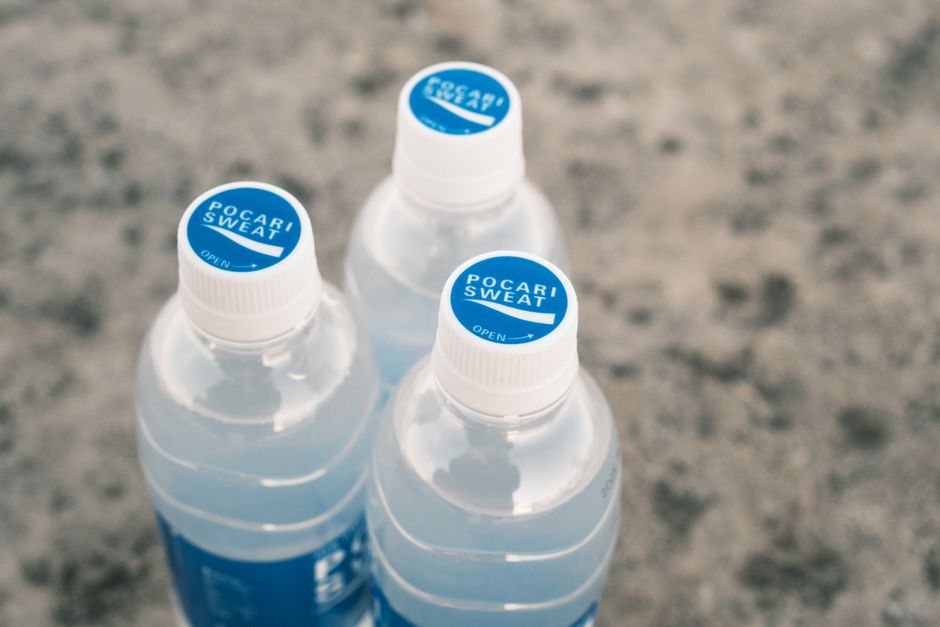
Electrolyte drinks are specially formulated beverages designed to replenish essential minerals lost through sweating, urination, and metabolic processes. These drinks typically contain sodium, potassium, magnesium, and calcium—minerals that conduct electrical charges in your body and regulate crucial functions like nerve signaling, muscle contraction, and fluid balance. For Americans following a **ketogenic diet**, electrolyte drinks serve as a practical solution to maintain optimal hydration and mineral levels.
When you drastically reduce carbohydrate intake on keto, your body shifts into ketosis and begins flushing out water and electrolytes at an accelerated rate. This metabolic change makes electrolyte supplementation particularly important. Many keto dieters experience what’s commonly called the “**keto flu**”—a collection of symptoms including headaches, fatigue, muscle cramps, and brain fog that typically occur during the first week of carbohydrate restriction.
Electrolyte drinks help **prevent keto flu** by replacing the minerals your body rapidly loses during the transition to fat-burning metabolism. Unlike traditional sports drinks loaded with sugar, keto-friendly electrolyte beverages contain zero or minimal carbohydrates, allowing you to maintain ketosis while staying properly hydrated and energized throughout your day.
Editor’s pick: keto electrolyte powder supplement — compare options and current availability.
Why Keto Dieters Need Electrolyte Drinks
The ketogenic diet fundamentally changes how your body processes and retains electrolytes, making supplementation essential rather than optional. When you reduce carbs to 20-50 grams daily, your insulin levels drop significantly. Lower insulin triggers your kidneys to excrete more sodium and water, which in turn causes your body to lose potassium and magnesium at higher rates than on a standard American diet.
Electrolytes play critical roles in **maintaining hydration** and supporting proper muscle function, including your heart muscle. Sodium helps regulate blood pressure and fluid balance, potassium ensures proper muscle contractions and nerve signals, magnesium supports over 300 enzymatic reactions in your body, and calcium maintains bone health and muscle function. Without adequate electrolyte intake, keto dieters commonly experience muscle cramps, heart palpitations, constipation, and persistent fatigue.
The importance of replenishing electrolytes on keto cannot be overstated—it’s the difference between feeling energized and thriving versus struggling through constant discomfort. Most Americans get sufficient electrolytes from carb-rich foods like potatoes, bread, and fruit, but keto dieters eliminate these sources. Electrolyte drinks bridge this nutritional gap efficiently, delivering concentrated minerals without breaking ketosis or requiring you to consume large volumes of food.
Top Electrolyte Drinks for Keto Diets

The best **electrolyte drinks for keto** in 2026 share several key characteristics: zero added sugars, adequate sodium content (400-1000mg per serving), meaningful amounts of potassium and magnesium, and clean ingredient lists without artificial additives. When shopping for keto-friendly options, prioritize drinks that provide at least three of the four major electrolytes in therapeutic amounts rather than trace quantities.
Key ingredients to look for include **sodium chloride** (table salt), potassium chloride or potassium citrate, magnesium citrate or magnesium glycinate, and calcium citrate. Avoid products containing dextrose, maltodextrin, sucrose, or other hidden carbohydrates that can kick you out of ketosis. Many mainstream sports drinks contain 20-35 grams of sugar per bottle, making them completely unsuitable for ketogenic diets.
Powder concentrates offer the best value and customization potential, allowing you to adjust electrolyte strength based on your activity level and personal needs. Ready-to-drink options provide convenience but typically cost more per serving. Look for products sweetened with stevia, erythritol, or monk fruit instead of sugar or artificial sweeteners like aspartame, which some people prefer to avoid for health reasons.
Making Your Own Electrolyte Drink at Home
Creating homemade **electrolyte drinks** gives you complete control over ingredients, taste, and mineral ratios while saving significant money compared to commercial products. A basic recipe requires just four ingredients: water, salt, a potassium supplement like No-Salt or cream of tartar, and a magnesium supplement. For enhanced flavor without added carbs, squeeze fresh lemon or lime juice and add liquid stevia drops.
Here’s a simple starting recipe: Mix 16 ounces of water with 1/4 teaspoon **table salt** (600mg sodium), 1/4 teaspoon potassium chloride (350mg potassium), 1/4 teaspoon magnesium citrate powder (100mg magnesium), juice from half a lemon, and stevia to taste. Shake well and drink throughout the day. You’ll need to purchase potassium chloride salt substitute and magnesium citrate powder, both available at most US grocery stores or online retailers.
The cost-saving benefits are substantial—homemade electrolyte drinks cost approximately $0.10-0.25 per serving versus $2-4 for commercial options. Customization allows you to increase sodium on hot days or after intense workouts, adjust sweetness to your preference, and experiment with different flavor combinations like cucumber-mint or berry using sugar-free options. Making your own also eliminates unnecessary additives and allows you to use **high-quality ingredients**.
Choosing the Best Electrolyte Drink for Your Keto Diet
Selecting the right electrolyte drink requires evaluating several factors beyond just the carb count. First, consider your **baseline sodium intake**—if you salt your food liberally and eat pickles or olives regularly, you may need less sodium in your drink. Most keto dieters need 3000-5000mg of sodium daily, significantly more than the FDA’s general recommendation of 2300mg for the average American.
Balance your electrolyte needs with keto dietary requirements by reading nutrition labels carefully. Check the “total carbohydrates” line rather than just “sugars,” as some products contain maltodextrin or other carb sources that don’t register as sugar. Aim for drinks with **zero to two grams of net carbs** per serving. Pay attention to serving sizes—some bottles contain 2-3 servings, meaning you need to multiply the nutrition facts accordingly.
Tips for understanding nutritional information include looking at the electrolyte amounts in milligrams, not just percentages of daily value. The FDA’s daily values are based on a standard American diet, not keto needs. Compare products using this benchmark: good options contain at least 500mg sodium, 200mg potassium, and 50mg magnesium per serving. Check the ingredient list for quality—products with five ingredients are generally better than those with twenty unpronounceable chemicals.
Comparison of Electrolyte Drink Options
| Drink Type | Sodium (mg) | Potassium (mg) | Magnesium (mg) | Carbs (g) | Cost per Serving |
|---|---|---|---|---|---|
| Homemade Recipe | 600 | 350 | 100 | 0-1 | $0.15 |
| Powder Concentrate | 500-1000 | 200-400 | 50-100 | 0-2 | $0.50-1.00 |
| Ready-to-Drink | 300-600 | 150-300 | 25-75 | 1-3 | $2.00-3.50 |
| Electrolyte Tablets | 400-800 | 100-250 | 30-60 | 0-1 | $0.75-1.25 |
Common Mistakes When Using Electrolyte Drinks on Keto
Many keto dieters make the mistake of **underestimating their electrolyte needs**, drinking just one serving daily when their body requires 2-3 times that amount. Active individuals, people living in hot climates, and those who sweat heavily need significantly more electrolytes than sedentary desk workers. Listen to your body—persistent muscle cramps, headaches, or fatigue despite adequate sleep signal insufficient electrolyte intake.
Another common error involves drinking electrolyte beverages too quickly, which can cause digestive discomfort or diarrhea, especially with magnesium. Sip your drink gradually throughout the day rather than chugging a full serving at once. Some people also mistakenly believe that drinking more water alone will solve keto flu symptoms, but water without electrolytes actually dilutes your blood sodium levels and worsens the problem.
Avoid relying solely on electrolyte drinks while neglecting **whole food sources** of minerals. Incorporate leafy greens, avocados, nuts, seeds, and bone broth into your diet to provide additional electrolytes and other essential nutrients. Also, don’t assume all “sugar-free” drinks are keto-friendly—some contain hidden carbs or artificial ingredients that may affect how you feel or perform on your ketogenic diet.
Maximizing Results with Electrolyte Drinks
To get the most benefit from electrolyte supplementation, time your consumption strategically throughout the day. Drink your first serving upon waking to replace minerals lost overnight and combat morning fatigue. Have another serving mid-afternoon to maintain energy levels and prevent the 3 PM crash many Americans experience. If you exercise, consume electrolytes before, during, and after workouts to support performance and recovery.
Track your symptoms and adjust your **electrolyte intake** accordingly. Keep a simple log noting how you feel daily along with how much of each electrolyte you consumed. After a week, patterns will emerge showing whether you need more sodium, potassium, or magnesium. Some keto dieters find they need extra sodium, while others require more magnesium to prevent muscle cramps and improve sleep quality.
Combine electrolyte drinks with other keto-supportive habits like getting adequate sleep, managing stress, and eating nutrient-dense whole foods. Electrolytes work synergistically with proper hydration—aim for 80-120 ounces of water daily depending on your body weight and activity level. Remember that coffee and tea have mild diuretic effects, so increase your electrolyte intake on days when you consume more caffeinated beverages.
Frequently Asked Questions
Q: What are the most important electrolytes for keto dieters?
A: The four most critical electrolytes for keto success are **sodium, potassium, magnesium, and calcium**. Sodium regulates fluid balance and blood pressure while preventing keto flu symptoms. Potassium supports heart function and prevents muscle cramps. Magnesium enables over 300 enzymatic reactions, improves sleep, and reduces muscle tension. Calcium maintains bone health and muscle contractions. Aim for 3000-5000mg sodium, 2000-4000mg potassium, 300-500mg magnesium, and 1000mg calcium daily.
Q: How often should I drink electrolyte drinks on a keto diet?
A: Most keto dieters benefit from consuming **electrolyte drinks 2-3 times daily**, spread throughout the day rather than all at once. During the first two weeks of starting keto or after intense exercise, you may need 3-4 servings. Signs you need more electrolytes include persistent headaches, muscle cramps, fatigue despite adequate sleep, brain fog, and heart palpitations. Adjust your intake based on activity level—sedentary days require less than days with intense workouts or outdoor activities in hot weather.
Q: Can I have too many electrolyte drinks on a keto diet?
A: Yes, excessive electrolyte intake can cause problems, though this is relatively uncommon. Consuming too much sodium may cause bloating and elevated blood pressure. Excess potassium can lead to heart rhythm disturbances, especially if you have kidney issues. Too much magnesium causes diarrhea and digestive upset. Signs of overconsumption include persistent bloating, irregular heartbeat, severe diarrhea, or feeling worse after drinking electrolytes. Stay within recommended ranges and consult a healthcare provider if you have **kidney disease or heart conditions** before supplementing heavily.
Q: Are there any side effects of drinking electrolyte drinks on a keto diet?
A: Some people experience mild digestive upset when first starting electrolyte supplementation, particularly with **magnesium-rich drinks**. This typically resolves within a few days as your body adjusts. To minimize side effects, start with half servings and gradually increase. Sip drinks slowly rather than gulping them quickly. If you experience persistent diarrhea, reduce magnesium and increase it gradually. Consult a healthcare professional if you have existing medical conditions, take medications that affect electrolyte balance, or experience severe symptoms like chest pain or extreme dizziness.
Explore more kids guides on our site.
Top Product Recommendations
| Product Name | Rating | Key Feature | Est. Price | Action |
|---|---|---|---|---|
| Top-rated keto electrolyte powder supplement | ★★★★★ | Editor-recommended keto electrolyte powder supplement from this guide | $18–$42 | Check Lowest Price on Amazon |
| Best-value potassium chloride salt substitute | ★★★★☆ | Affordable potassium chloride salt substitute — strong everyday results | $12–$28 | Check Lowest Price on Amazon |
| Premium magnesium citrate powder supplement | ★★★★☆ | Higher-end magnesium citrate powder supplement for visible, lasting results | $45–$95 | Check Lowest Price on Amazon |
Affiliate Disclosure: This post contains affiliate links. We may earn a commission if you buy through our links, at no extra cost to you.
Leave a Reply