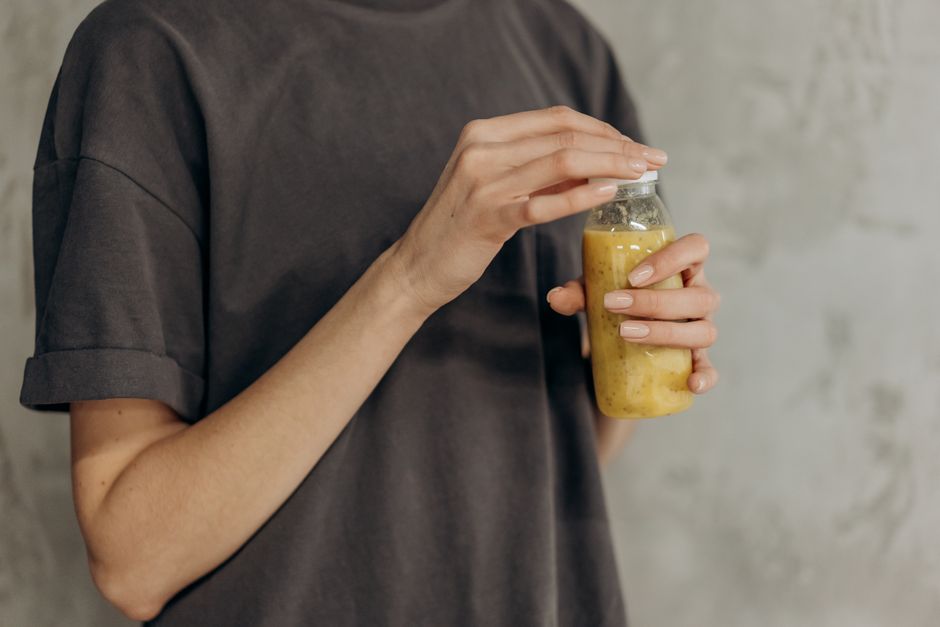
Understanding Probiotics
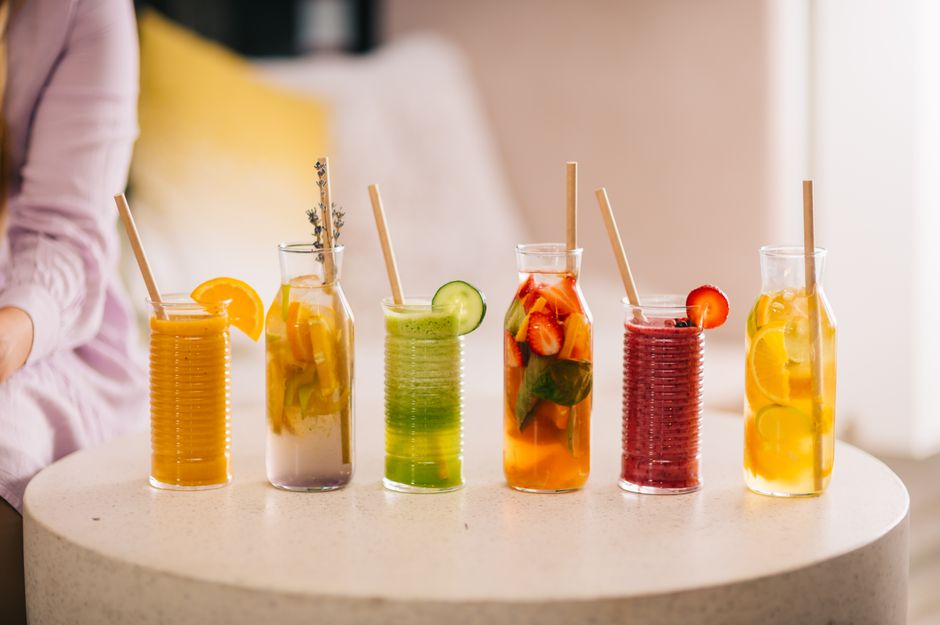
Probiotics are live microorganisms that provide health benefits when consumed in adequate amounts. These beneficial bacteria support digestive health, strengthen immune function, and may even influence mood and mental clarity. For American home cooks looking to improve their gut health naturally, probiotic drinks offer a convenient and delicious way to introduce these helpful microbes into your daily routine.
The human gut contains trillions of bacteria, both good and bad. Probiotics help maintain the balance by crowding out harmful bacteria and supporting the intestinal lining. Common probiotic strains found in drinks include **Lactobacillus acidophilus**, **Bifidobacterium bifidum**, and **Saccharomyces boulardii**. Each strain offers specific benefits, from reducing bloating to supporting regularity.
When you consume probiotic drinks regularly, you’re essentially reinforcing your body’s natural defense system. Research shows that a healthy gut microbiome influences everything from nutrient absorption to inflammation levels. The key is choosing drinks with live and active cultures that can survive the journey through your digestive system.
Editor’s pick: kombucha starter kit SCOBY — compare options and current availability.
Choosing the Best Probiotic Drinks
Selecting the right probiotic drink requires careful label reading and understanding what makes a product effective. The first factor to check is the **CFU count** (colony-forming units), which indicates the number of live bacteria per serving. Look for drinks containing at least 1 billion CFUs, though many effective products offer 10 billion or more.
Always verify that the label states “live and active cultures” rather than just “contains probiotics.” Some products are heat-treated after fermentation, which kills the beneficial bacteria. Check the expiration date as well, since probiotic potency decreases over time. Refrigerated drinks generally maintain higher bacteria counts than shelf-stable versions.
Avoid probiotic drinks loaded with added sugars, artificial sweeteners, or unnecessary additives. Many commercial options contain 15-20 grams of sugar per serving, which can actually feed harmful gut bacteria and counteract the probiotic benefits. Instead, choose drinks sweetened with small amounts of fruit juice or natural alternatives like stevia.
Top Probiotic Drinks for Gut Health in 2026
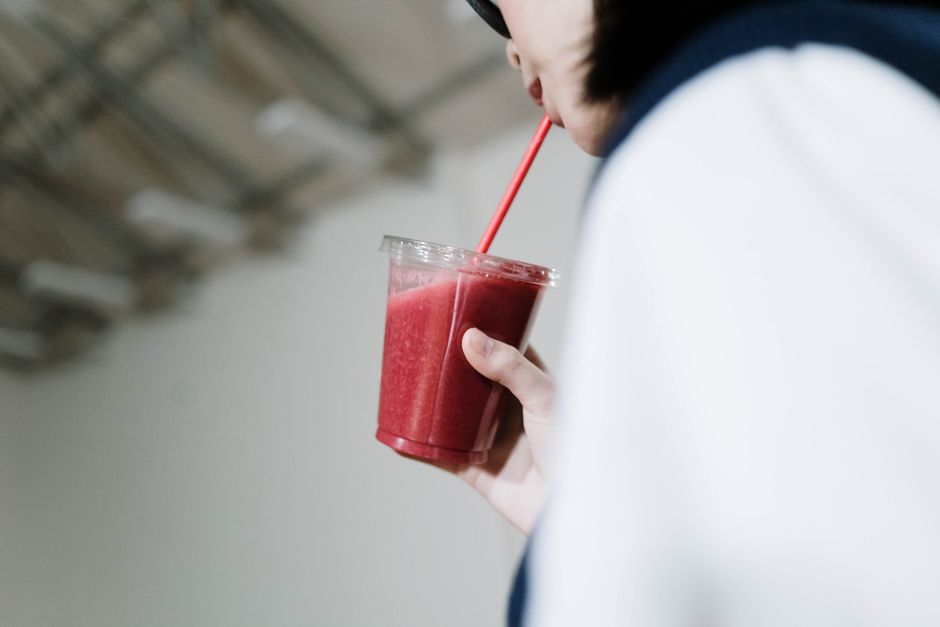
The probiotic drink market has exploded with options for American consumers seeking gut health support. **Kombucha** remains a top choice, offering a tangy, effervescent taste with multiple probiotic strains. Quality kombucha brands contain 2-10 billion CFUs per serving and come in flavors from ginger-lemon to berry-hibiscus. The fermentation process also creates beneficial organic acids that support digestion.
**Kefir** stands out as one of the most potent probiotic drinks available. This fermented milk beverage typically contains 10-30 billion CFUs and offers 10-12 different probiotic strains. Plain kefir works beautifully in smoothies, while flavored versions make great standalone drinks. Coconut milk kefir provides a dairy-free alternative with similar benefits.
**Probiotic water** and **functional beverages** have gained traction among Americans who prefer lighter options. These drinks combine probiotic strains with electrolytes, vitamins, or adaptogens. While they typically contain fewer CFUs (1-5 billion), they offer convenience for on-the-go consumption. Look for brands that use Bacillus coagulans or other shelf-stable strains.
| **Drink Type** | **Average CFU Count** | **Key Benefits** | **Best For** |
|---|---|---|---|
| Kombucha | 2-10 billion | Digestive support, energy | Afternoon pick-me-up |
| Kefir | 10-30 billion | High potency, multiple strains | Breakfast or post-workout |
| Probiotic Water | 1-5 billion | Hydration, convenience | Active lifestyles |
| Fermented Vegetable Juice | 5-15 billion | Nutrient-dense, savory option | Meal accompaniment |
Making Your Own Probiotic Drinks at Home
Creating probiotic drinks at home gives you complete control over ingredients and sugar content while saving money. **Homemade kombucha** requires a SCOBY (symbiotic culture of bacteria and yeast), black or green tea, sugar, and a glass jar. The initial sugar feeds the fermentation process, and most gets consumed by the bacteria, leaving a tart, slightly sweet beverage.
To make kombucha, brew 8 cups of strong tea, dissolve 1 cup of sugar, and let it cool completely. Add the SCOBY and 1 cup of starter liquid to your jar, cover with a breathable cloth, and ferment for 7-14 days at room temperature. Taste daily after day 7 until it reaches your preferred tartness. Second fermentation with fruit juice adds flavor and carbonation.
**Water kefir** offers a dairy-free alternative using water kefir grains (different from milk kefir grains). Dissolve 1/4 cup sugar in 4 cups water, add the grains, and ferment for 24-48 hours. Strain the grains and flavor the liquid with fruit juice, ginger, or herbs during a second 12-24 hour fermentation. The result is a lightly carbonated, probiotic-rich drink with minimal sugar.
Common mistakes include using metal utensils (which can damage the cultures), over-fermenting (creating overly sour drinks), or contaminating your cultures with soap residue. Always use clean glass containers, wooden or plastic spoons, and give your cultures regular feedings. If mold appears (fuzzy growth in colors other than white), discard the batch and start fresh.
Incorporating Probiotic Drinks into a Healthy Diet
Probiotic drinks work best as part of a comprehensive gut-health strategy that includes **prebiotic foods**. Prebiotics are fiber-rich foods that feed beneficial bacteria, including onions, garlic, bananas, oats, and asparagus. Pair your morning kefir with oatmeal and sliced banana for a synbiotic breakfast that supports microbiome diversity.
Timing matters when consuming probiotic drinks. Many experts recommend drinking them on an empty stomach or with light meals, allowing bacteria to pass through the stomach more quickly. Some people prefer kombucha in the afternoon for an energy boost, while others enjoy kefir smoothies post-workout for protein and probiotic benefits.
A sample gut-healthy day might include:
- **Breakfast**: Plain kefir smoothie with berries, spinach, and flaxseed
- **Mid-morning**: Kombucha with a handful of almonds
- **Lunch**: Large salad with fermented vegetables and grilled chicken
- **Afternoon**: Probiotic water during exercise
- **Dinner**: Salmon with roasted asparagus and sweet potato
- **Evening**: Small glass of water kefir if desired
Avoid consuming probiotic drinks immediately with hot foods or beverages, as heat can kill the beneficial bacteria. Similarly, don’t drink them alongside antibiotics, which can destroy probiotic strains. If taking antibiotics, space probiotic consumption at least 2-3 hours apart.
Budget-Friendly Probiotic Drink Strategies
Store-bought probiotic drinks can cost $3-5 per bottle, adding up quickly for daily consumers. Making your own reduces costs to approximately $0.50-1.00 per serving. A single SCOBY or set of water kefir grains (typically $10-20) can produce unlimited batches when properly maintained, making home fermentation the most economical long-term option.
Buy ingredients in bulk to maximize savings. Purchase organic tea and sugar in larger quantities, and stock up on seasonal fruit when prices drop for flavoring. Many health-conscious Americans save glass jars from other products to use for fermentation and storage, eliminating the need for specialized equipment.
If home brewing feels intimidating, start with one method and master it before expanding. Water kefir offers the simplest entry point, requiring minimal equipment and short fermentation times. Once comfortable, you can experiment with kombucha, milk kefir, or fermented vegetable juices. Join local fermentation groups or online communities to troubleshoot issues and share starter cultures.
Common Pitfalls and How to Fix Them
Many Americans new to probiotic drinks experience temporary digestive discomfort when starting. Begin with small servings (4 ounces) and gradually increase to 8-16 ounces daily. This allows your gut microbiome to adjust without overwhelming your system. Symptoms like bloating or increased gas typically resolve within 1-2 weeks.
**Choosing products based solely on marketing claims** represents another common mistake. Terms like “promotes gut health” or “supports immunity” don’t guarantee effectiveness. Focus on specific information: CFU count, identified probiotic strains, sugar content, and whether cultures are live and active. Third-party testing certifications add credibility.
Some people assume all fermented drinks contain probiotics, but this isn’t true. Beer, wine, and most commercial pickles undergo processes that eliminate bacteria. Similarly, pasteurized versions of traditionally fermented drinks no longer contain live cultures. Always check labels or choose raw, unpasteurized versions from the refrigerated section.
Inconsistent consumption limits results. Probiotics need to be consumed regularly to maintain their benefits, as they don’t permanently colonize your gut. Think of probiotic drinks as a daily practice rather than a quick fix. Set reminders or incorporate them into established routines like breakfast or post-workout recovery.
Frequently Asked Questions
Q: What are the signs that a probiotic drink is effective?
A: Effective probiotic drinks typically produce noticeable improvements within 2-4 weeks of consistent use. Positive signs include more regular bowel movements, reduced bloating and gas, better digestion of previously problematic foods, and increased energy levels. Some people report clearer skin and improved mood. However, if you experience severe digestive discomfort, excessive bloating, or allergic reactions, discontinue use and consult a healthcare provider. Not all probiotic strains work equally well for everyone, so you may need to try different products to find what suits your unique gut microbiome.
Q: Can I consume probiotic drinks every day?
A: Yes, most healthy adults can safely consume probiotic drinks daily. The recommended intake varies by product but generally ranges from 8-16 ounces per day for drinks like kombucha or kefir. Probiotic waters may be consumed more liberally due to lower CFU counts. Daily consumption actually provides the most benefit since probiotic bacteria don’t permanently colonize your gut and need regular replenishment. However, avoid overconsumption of high-sugar varieties, which can exceed daily sugar limits even if the probiotics themselves are beneficial. Moderation ensures you get probiotic benefits without excessive calories or sugar.
Q: Are there any contraindications for consuming probiotic drinks?
A: People with compromised immune systems, those undergoing chemotherapy, or individuals with central line catheters should consult their doctor before consuming probiotic drinks, as there’s a small risk of bacterial infection. Pregnant and breastfeeding women should choose pasteurized options or discuss raw fermented drinks with their healthcare provider. Those with histamine intolerance may react poorly to fermented foods and should proceed cautiously. If you have small intestinal bacterial overgrowth (SIBO), probiotics might worsen symptoms and require professional guidance. Anyone taking immunosuppressant medications should get medical clearance before adding probiotic drinks to their routine.
Top Product Recommendations
| Product Name | Rating | Key Feature | Est. Price | Action |
|---|---|---|---|---|
| Top-rated kombucha starter kit SCOBY | ★★★★★ | Editor-recommended kombucha starter kit SCOBY from this guide | $18–$42 | Check Lowest Price on Amazon |
| Best-value water kefir grains organic | ★★★★☆ | Affordable water kefir grains organic — strong everyday results | $12–$28 | Check Lowest Price on Amazon |
| Premium probiotic drink refrigerated | ★★★★☆ | Higher-end probiotic drink refrigerated for visible, lasting results | $45–$95 | Check Lowest Price on Amazon |
Affiliate Disclosure: This post contains affiliate links. We may earn a commission if you buy through our links, at no extra cost to you.
Leave a Reply