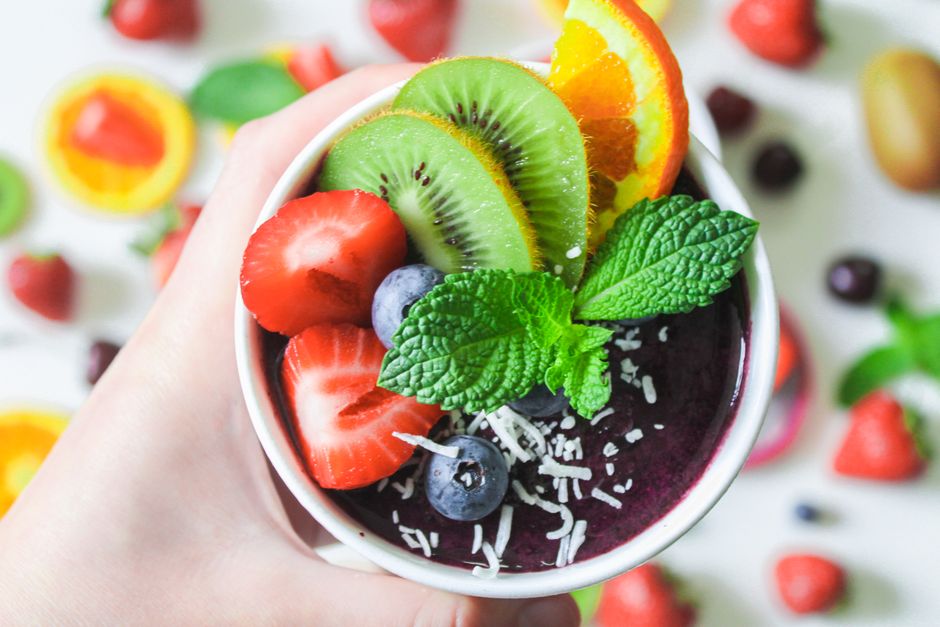
Healthy Meal Prep: Easy Recipes & Tips
Meal prepping has become one of the most effective strategies for maintaining a healthy lifestyle without the daily stress of figuring out what to cook. For many American home cooks, the biggest obstacle to eating healthy is not a lack of knowledge about nutrition—it’s the simple fact that after a long workday, convenience often wins out over intention. By dedicating just a couple of hours on a Sunday afternoon or a quiet evening during the week, you can prepare nutritious meals that will carry you through busy mornings and exhausting evenings. The goal of this guide is to walk you through the complete process of healthy meal prep: from choosing the right ingredients to avoiding common pitfalls, managing your budget, and presenting your creations in ways that make you actually want to eat them.
The word “healthy” gets thrown around a lot in food media, and it can feel vague or even intimidating. Here, we define healthy meal prep as the practice of planning, preparing, and storing nutritious meals in advance so that you have wholesome options readily available. This means focusing on whole ingredients—vegetables, lean proteins, whole grains, and healthy fats—while minimizing processed foods, excess sodium, and added sugars. A successful meal prep session sets you up for success all week long, reducing decision fatigue and helping you stay on track whether your goal is weight management, improved energy, or simply eating better.
This article is organized to take you from the basics of building a healthy plate all the way through storage, serving, and troubleshooting. By the end, you’ll have a practical framework you can adapt to your own schedule, taste preferences, and budget. No elaborate equipment or exotic ingredients required—just solid planning and a willingness to cook a little ahead of time.
Healthy Eating Made Simple
The foundation of any successful meal prep routine starts with understanding what a balanced, healthy plate actually looks like. You do not need to count calories or follow a restrictive fad diet. Instead, aim to fill half your plate with vegetables and fruits, one quarter with lean protein, and one quarter with whole grains or starchy vegetables. Add a modest amount of healthy fat—such as avocado, olive oil, or a handful of nuts—and you have a meal that nourishes your body without requiring culinary expertise or hours in the kitchen.
Quick and healthy breakfast ideas are often the first casualty of a rushed morning. Overnight oats are a lifesaver: combine rolled oats, milk or a dairy-free alternative, a touch of honey or maple syrup, and your favorite toppings—fresh berries, sliced banana, a sprinkle of chia seeds, or a dollop of almond butter. Mix everything in a mason jar the night before, refrigerate, and grab it on your way out the door. Another speedy option is a veggie-loaded egg muffin: whisk together eggs, chopped spinach, diced bell peppers, a bit of shredded cheese, and cooked diced chicken or turkey sausage. Pour the mixture into a muffin tin and bake at 350°F for 20–25 minutes. You get about six protein-packed muffins that reheat in under a minute and stay fresh in the fridge for up to four days.
Easy healthy lunch recipes that travel well are essential for meal prep success. A Mediterranean-inspired grain bowl works beautifully: cook quinoa or brown rice in bulk, then pair it with roasted chickpeas, diced cucumber, cherry tomatoes, kalamata olives, crumbled feta, and a drizzle of lemon-tahini dressing. Store each component separately in airtight containers, then assemble your bowl each morning. For busy weeknights, sheet pan dinners are hard to beat. Toss chicken thighs or salmon fillets with olive oil, garlic, and whatever vegetables are in season—broccoli, zucchini, sweet potatoes—and roast everything on a single pan at 425°F for 25–30 minutes. The result is a complete, healthy meal with minimal cleanup.
Meal Prep Mistakes to Avoid
Even the most well-intentioned meal preppers fall into patterns that undermine their efforts. One of the most common mistakes is overcomplicating recipes. If you are new to meal prepping, resist the urge to prepare elaborate multi-course feasts for the week. Start with two or three simple recipes that use overlapping ingredients. For example, a batch of roasted chicken breast can serve as a protein base for Monday’s Caesar salad, Tuesday’s chicken grain bowl, and Wednesday’s chicken quesadilla. Keeping things simple reduces prep time, minimizes waste, and prevents the burnout that often leads people to abandon meal prep altogether.
Ignoring seasonal ingredients is another pitfall that can quietly inflate your grocery bill while reducing the nutritional quality of your meals. Produce that is in season is typically cheaper, more flavorful, and more nutritious because it is harvested at peak ripeness. In the summer, stock up on tomatoes, zucchini, corn, and stone fruits. In the cooler months, lean into root vegetables like carrots, parsnips, and butternut squash, as well as hearty greens like kale and Brussels sprouts. Building your weekly menu around what is currently available at your grocery store or farmers market is one of the simplest ways to eat healthier and spend less.
Not considering food allergies or dietary restrictions—for yourself or your family—is a mistake that can turn meal prep into a health hazard rather than a health boost. Always label your containers clearly, especially if multiple people share the fridge. If someone in your household is gluten-free, dairy-free, or has a nut allergy, plan separate portions from the start rather than trying to modify meals on the fly. Similarly, skipping meal prep entirely when life gets hectic leads directly to reaching for unhealthy convenience foods. Even a partial prep—washing and chopping a few vegetables, cooking a batch of rice—is infinitely better than doing nothing and defaulting to takeout.
Healthy Ingredients to Incorporate
Knowing which healthy ingredients to keep stocked in your pantry and refrigerator makes the actual cooking part far less daunting. Seasonal produce should be your first priority. Farmers markets often offer the best deals on produce that is at its peak, and buying in modest quantities ensures you use everything before it spoils. Frozen vegetables are an exc nt backup when fresh options are expensive or out of season. They are flash-frozen at peak freshness, retaining most of their vitamins and minerals, and they can be steamed, stir-fried, or added to soups without any advance preparation.
Whole grains are another cornerstone of healthy eating that many Americans underexplore. Swap white rice for brown rice, quinoa, farro, or barley. These options offer more fiber, which aids digestion and helps you feel fuller longer. Overnight oats and whole grain porridge are exc nt breakfast vehicles, while cooked farro or barley can serve as hearty bases for lunch and dinner grain bowls. When shopping, look for the word “whole” as the first ingredient on grain packaging—bread, pasta, and crackers labeled “whole grain” or “whole wheat” contain the entire grain kernel and deliver better nutritional value than their refined counterparts.
Lean proteins keep you satisfied and support muscle maintenance, especially important if you are active. Skinless chicken breast, ground turkey, fish such as salmon and tilapia, eggs, tofu, and legumes like lentils and black beans are all exc nt sources of high-quality protein that fit comfortably into a healthy eating plan. Healthy fats round out the picture: extra virgin olive oil, avocado, almonds, walnuts, chia seeds, and ground flaxseed all provide omega-3 fatty acids and monounsaturated fats that support heart health and brain function. A small handful of nuts or a quarter of an avocado with each meal is all you need to incorporate this important macronutrient.
Easy Meal Prep Swaps
One of the most painless ways to upgrade your diet is by making strategic ingredient swaps in recipes you already love. Instead of reaching for sour cream, try plain Greek yogurt—it offers the same creamy texture with significantly more protein and far less fat. When a recipe calls for white pasta, swap in chickpea pasta or whole wheat pasta for a fiber and protein boost. For baking, replace half the butter with unsweetened applesauce to cut saturated fat while adding natural sweetness and moisture. These small adjustments do not dramatically alter flavor, but they compound over time into meaningful nutritional improvements.
Creating healthy versions of favorite meals is easier than most people think. Pizza night can become a healthy tradition by using whole wheat pita or naan as a base, spreading a thin layer of marinara sauce, and topping it with plenty of vegetables—mushrooms, spinach, roasted red peppers, sliced olives—along with a moderate amount of reduced-fat mozzarella. Taco Tuesday can be elevated by using lettuce wraps or whole corn tortillas instead of fried shells, loading up on black beans and grilled chicken or fish, and adding fresh pico de gallo instead of high-sodium store-bought taco seasoning.
Incorporating more vegetables into meals does not require elaborate vegetable-centric recipes. Simply double the vegetable portion in any dish you are already making. If you are making spaghetti Bolognese, add an extra half pound of mushrooms and two cups of spinach to the sauce—the texture and flavor blend seamlessly, and you get a serving of vegetables without even noticing. Stir-fry extra broccoli and snap peas into fried rice. Blend cauliflower into smooth soups for added creaminess without the calories. The principle is simple: add, don’t necessarily subtract, and your meals become more filling and nutrient-dense without feeling like a sacrifice.
Time-Saving Meal Prep Tips
Time is the resource most meal preppers feel they never have enough of, so working smarter is just as important as working hard. Prepping ingredients in bulk is the single most effective time-saving technique. Set aside an hour each week to wash, peel, and chop all the vegetables you will need for the coming days. Store them in airtight containers or zip-top bags with a paper towel to absorb excess moisture. Pre-cook a large batch of grains—quinoa, rice, farro—and proteins like chicken breast or seasoned ground turkey. When dinnertime arrives, all the components are ready to be assembled in minutes.
Using time-saving kitchen tools dramatically reduces the physical labor of meal prep. A food processor with a slicing disc makes quick work of shredding cabbage for slaws or chopping onions and peppers for omelets and stir-fries. An Instant Pot or slow cooker allows you to set ingredients in the morning and come home to fully cooked meals with virtually no active cooking time. Sheet pans lined with parchment paper or silicone baking mats cut down on cleanup, and a good set of glass storage containers with secure lids means you can move seamlessly from cooking to storage without dirtying extra dishes.
Preparing meals in advance does not always mean cooking everything to completion. A batch cooking approach works well: prepare proteins and grains fully, but keep vegetables slightly undercooked so they retain their texture when you reheat them later. Overcooked vegetables become mushy and unappetizing after a day or two in the refrigerator. Some meals actually taste better on day two or three as the flavors meld—soups, stews, braised meats, and grain bowls all fall into this category. Use this to your advantage by planning meals that are naturally suited to make-ahead storage.
Healthy Meal Prep on a Budget
Eating healthy does not have to break the bank, and strategic planning can stretch your grocery budget further than you might expect. Buying ingredients in season is the single most impactful budget strategy. Watermelon in July costs a fraction of what it does in January. Butternut squash in autumn is abundant and inexpensive, while out-of-season berries can be replaced with frozen alternatives that are just as nutritious at a fraction of the price. Sign up for your grocery store’s weekly email to stay informed about which produce items are on sale each week, and build your menu around those items.
Storing food properly to avoid waste is a skill that directly impacts your food budget. Most fresh vegetables last significantly longer when stored correctly—lettuce and herbs stay crisp when wrapped in a damp paper towel and placed inside a zip-top bag in the crisper drawer. Berries should be washed only right before eating to prevent mold growth. Beans and lentils purchased dry cost about one-third the price of canned versions and cook up in under 30 minutes with a quick-soak method. Investing a few dollars in quality storage containers with tight-sealing lids pays for itself within the first week by keeping prepped ingredients fresher longer.
Creating meal plans based on sales and discounts is a practice that professional home economists have used for decades. Before you head to the grocery store, review the weekly flyer and plan your meals around what is discounted. Build a rotating roster of recipes that feature the same affordable ingredients in different ways—chicken thighs, for example, can be roasted on Sunday, sliced into a salad on Monday, and turned into a chicken vegetable soup on Tuesday. This approach minimizes waste, maximizes savings, and ensures you always have a healthy option ready when hunger strikes.
Serving Ideas for Healthy Meals
The way a meal looks on the plate has a measurable impact on how satisfying it feels to eat. Presenting healthy meals in an appealing way does not require professional plating skills—it simply means thinking about color, texture, and arrangement. A plate that features deep green spinach, bright orange carrot ribbons, golden roasted sweet potato cubes, and a白白 piece of grilled chicken is visually striking by default. Contrast matters: pair creamy elements like avocado or Greek yogurt dressing with crunchy vegetables. Add fresh herbs like cilantro, parsley, or chives as a garnish to bring color and aroma to the table.
Encouraging healthy portion sizes is easier when you use visual cues rather than a scale. A serving of protein should be about the size of your palm. A portion of grains or starchy vegetables fits in your cupped hand. A serving of fats is roughly the size of your thumb. Using smaller plates—8 or 9 inches in diameter—subconsciously encourages appropriate portions because the same amount of food appears more generous on a smaller surface. When serving family-style meals, keep serving dishes in the kitchen rather than on the table to prevent second and third helpings from becoming automatic.
Adding variety to meal prep with different serving options keeps healthy eating from feeling monotonous. The same base of grilled chicken breast can be transformed into a completely different experience depending on how it is served: on a bed of mixed greens with vinaigrette, rolled into a whole wheat wrap with hummus and cucumber, sliced over a quinoa bowl with avocado and corn, or chopped into a chicken and vegetable soup with low-sodium broth. Rotating between these formats throughout the week prevents palate fatigue and keeps you genuinely excited to eat the meals you have worked hard to prepare.
Frequently Asked Questions (FAQ)
What are the benefits of meal prepping for healthy eating?
Meal prepping provides consistent structure for anyone trying to maintain a healthy diet. By preparing food in advance, you eliminate the impulse to order takeout or grab processed snacks when time is short. Research consistently shows that people who plan their meals in advance consume more vegetables, more whole grains, and fewer empty calories than those who do not. Beyond nutrition, meal prep saves money by reducing food waste and limiting spontaneous dining-out purchases. It also reduces daily decision stress—you always know what is for lunch or dinner because you already decided when you planned the week.
How can I make healthy meal prep more affordable?
The most effective budget strategies for meal prep include buying seasonal produce, purchasing dry beans and lentils instead of canned versions, and cooking protein from scratch rather than relying on pre-packaged convenience meats. Planning your weekly menu around whatever is on sale at your grocery store dramatically cuts costs. Batch-cooking grains and proteins at the beginning of the week means you can assemble a variety of meals from the same base ingredients, stretching your grocery budget across multiple dinners and lunches. Investing in proper storage containers also saves money by keeping food fresh longer and reducing spoilage.
What are some easy and healthy meal prep recipes for beginners?
Beginners should start with recipes that require minimal ingredients and equipment. Overnight oats take five minutes of active prep and provide a customizable breakfast for the entire week. A simple sheet pan dinner—chicken thighs with vegetables roasted at 425°F—is essentially foolproof and produces enough food for two or three meals. A large batch of turkey and black bean chili simmers in under an hour and reheats beautifully throughout the week. Grain bowls with a base of quinoa, roasted vegetables, and a simple lemon-olive oil dressing are endlessly adaptable and require only a few basic cooking skills. Focus on mastering two or three of these simple formats before moving on to more complex recipes.
Explore more healthy guides on our site.
Top Product Recommendations
| Product Name | Rating | Key Feature | Est. Price | Action |
|---|---|---|---|---|
| Best Healthy Pick | ★★★★★ | Top-rated overall | $25–$45 | Check Lowest Price on Amazon |
| Budget Healthy Option | ★★★★☆ | Great for beginners | $12–$28 | Check Lowest Price on Amazon |
| Premium Healthy Choice | ★★★★☆ | Pro-level results | $50–$90 | Check Lowest Price on Amazon |
Affiliate Disclosure: This post contains affiliate links. We may earn a commission if you buy through our links, at no extra cost to you.
Leave a Reply