What Does “Detox” Really Mean in the Kitchen?
When nutritionists and home cooks talk about a **detox diet**, they are not referring to some extreme juice-only cleanse or a magic pill that instantly flushes toxins from your body. In culinary terms, detox is simply a way of eating that prioritizes whole, unprocessed foods — foods that give your digestive system a break and flood your body with the nutrients it needs to do its natural cleansing work every single day. Your liver, kidneys, and skin are built-in detox organs. A detox eating approach simply supports those systems with the right fuel.
The real value of a detox diet lies in stripping away the foods that weigh you down: excess sugar, refined carbs, processed snacks, and salty convenience foods that are staples of the typical American pantry. When you replace those items with fresh vegetables, lean proteins, whole grains, and hydrating beverages, most people notice improved energy, clearer skin, and better digestion within just a few days. It is not about suffering or deprivation — it is about intentional, nourishing choices.
Americans spend billions of dollars each year on products that promise a quick fix, but the most sustainable approach is far simpler. Building meals around whole ingredients you can find at any grocery store, preparing them in ways that actually taste good, and making those habits stick — that is the real foundation of a lasting detox eating lifestyle.
Common Misconceptions About Detoxing
One of the biggest myths about detox diets is that they require you to survive on nothing but lemon water and cayenne pepper for a week. This image is dramatic and completely unrealistic for most households. The truth is, a practical detox eating plan is not a punishment — it is a reset button for your palate and your habits. You can absolutely eat satisfying, flavorful meals while following a detox approach, and you do not need exotic superfoods shipped from halfway around the world to do it.
Another misconception is that detox only matters if you have been eating terribly for years. The reality is that our food supply exposes everyone to some level of processed ingredients, pesticide residues, and environmental contaminants — not because of bad choices, but simply because of modern food systems. Even someone who eats fairly well benefits from intentionally leaning into detox-supportive foods on a regular basis. Think of it as routine maintenance for your body, not a last-ditch rescue mission.
**Detox does not mean going hungry.** One of the biggest reasons people fail at detox eating is that they cut calories too drastically, which triggers cravings, mood swings, and eventual binge eating. A well-designed detox meal plan keeps you full and satisfied while still steering clear of inflammatory ingredients. The goal is to crowd out the problematic foods by making the healthy ones so appealing that you naturally reach for them first.
Planning Your Detox Meal Prep
Before you clear out your pantry and stock up on nothing but kale, take a step back and plan your approach. The best time to start a detox diet is when you have a few days of normal routine ahead of you — not during a stressful work week or right before a major holiday full of social eating. A Monday morning is ideal because it aligns with the natural rhythm most Americans follow, making meal prep and grocery shopping easier to organize.
The smart strategy is not to overhaul your diet overnight. Instead, identify two or three meals you already eat that could be easily upgraded. For example, swap sugary cereal for overnight oats made with steel-cut oats and fresh berries. Replace deli meat sandwiches with wraps loaded with hummus, cucumber, and avocado. These small swaps add up quickly and prevent the overwhelm that leads to quitting after three days.
Set yourself up for success by batch-cooking one or two staples at the beginning of each week. Roasted sweet potatoes, hard-boiled eggs, and a big pot of quinoa or brown rice all keep well for several days and serve as the foundation for dozens of different meals. When healthy options are already prepared and ready to grab, you are far less likely to reach for a bag of chips or order takeout on a busy evening.
Essential Ingredients for a Detox Diet
Building a detox-friendly kitchen starts with stocking up on ingredients that genuinely support your body’s natural cleansing systems. These are not expensive specialty items — most have been staples in kitchens around the world for centuries.
**Top detox-supportive ingredients to keep on hand:**
- **Leafy greens** such as spinach, kale, and Swiss chard are rich in chlorophyll, which aids liver function and helps the body neutralize chemicals
- **Cruciferous vegetables** including broccoli, cauliflower, and Brussels sprouts contain sulfur compounds that support the liver is primary detoxification pathways
- **Citrus fruits** like lemons, limes, and grapefruits provide vitamin C and flavonoids that boost glutathione production, a key antioxidant in detox processes
- **Garlic and onions** contain sulfur-containing compounds that activate liver enzymes responsible for filtering toxins from the bloodstream
- **Ginger and turmeric** have powerful anti-inflammatory properties that reduce the internal inflammation that can impair detox function
- **Hydrating foods** such as cucumber, watermelon, and celery are high in water content and help flush waste products through the kidneys
When shopping on a budget, prioritize seasonal produce, which is always cheaper and usually at peak freshness. Frozen vegetables and fruits are just as nutritious as fresh and cost significantly less, making them ideal for anyone stocking a detox kitchen without breaking the bank.
A Simple Morning Detox Smoothie Recipe
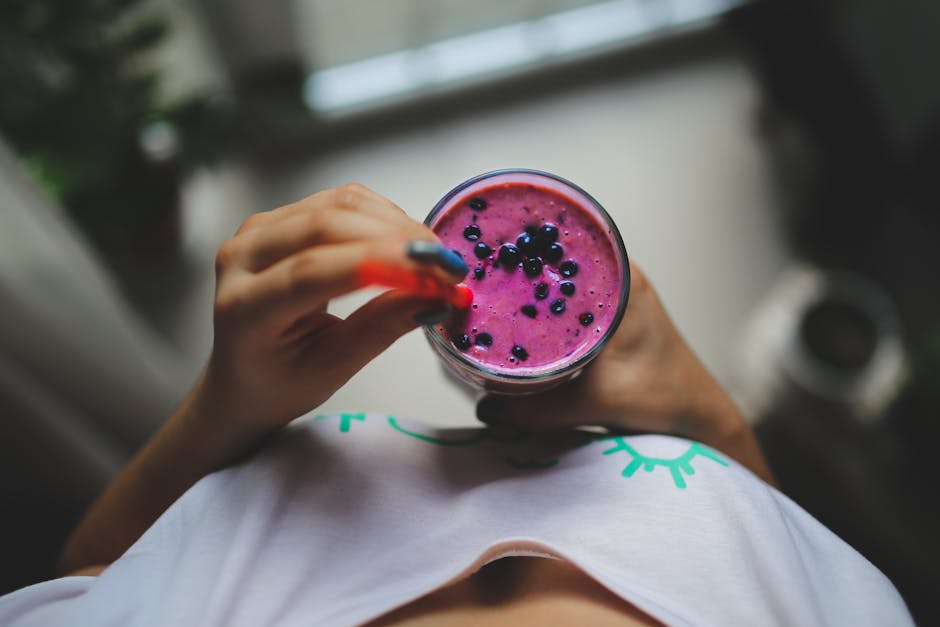
A great way to start any detox day is with a nutrient-dense smoothie that packs multiple detox-supportive ingredients into one quick, portable meal. This recipe takes about five minutes to make and delivers a substantial amount of fiber, vitamins, and antioxidants without any added sugar.
**Prep time:** 5 minutes
**Servings:** 1 large or 2 small
**Ingredients:**
- 1 cup fresh spinach or kale, roughly torn
- 1 frozen banana
- Half a cup of frozen blueberries
- Juice of half a fresh lemon
- One-inch piece of fresh ginger, peeled
- 1 tablespoon chia seeds
- 1 cup unsweetened almond milk or filtered water
**Instructions:**
Add the almond milk to your blender first, followed by the leafy greens. Blend on low for 30 seconds to break down the greens before adding the remaining ingredients. Blend on high for 60 to 90 seconds until completely smooth. If the texture is too thick, add more liquid a tablespoon at a time. Pour into a large glass and drink immediately for maximum nutrient absorption.
**Common mistake:** Blending greens without a liquid base first creates a thick, fibrous paste that is hard to drink and can clog blender blades. Always start with liquid and soft ingredients before adding frozen fruit or dense leafy greens.
A Wholesome Detox Grain Bowl Recipe
Grain bowls are one of the most versatile formats for a detox diet because you can mix and match ingredients based on what you have on hand. This base recipe is satisfying, colorful, and packed with plant-based protein and fiber to keep blood sugar stable and hunger at bay for hours.
**Prep time:** 15 minutes | **Cook time:** 20 minutes | **Servings:** 2
**Base ingredients:**
- 1 cup quinoa, rinsed
- 2 cups low-sodium vegetable broth
- 1 can of chickpeas, drained and rinsed
- 2 cups mixed roasted vegetables such as broccoli, sweet potato, and red onion
- 1 cup fresh arugula or spinach
- Quarter cup tahini thinned with water and lemon juice for dressing
- 1 avocado, sliced
- 2 tablespoons pumpkin seeds
**Instructions:**
Bring the vegetable broth to a boil in a small saucepan, add the quinoa, reduce heat to low, cover, and simmer for 15 minutes until the liquid is absorbed and the quinoa is fluffy. While the quinoa cooks, toss the chickpeas with a drizzle of olive oil and a pinch of smoked paprika, then roast at 400°F for 15 minutes until slightly crispy. Arrange the cooked quinoa in bowls, top with roasted vegetables, crispy chickpeas, fresh greens, and avocado slices. Drizzle the tahini dressing over the top and finish with pumpkin seeds.
**Swaps and variations:** Swap quinoa for brown rice or farro if you prefer a different grain. Replace chickpeas with baked tofu cubes for a different protein profile. Use store-bought hummus as a faster dressing alternative when you are short on time.
Meal Prep Strategies for Busy Schedules
The biggest obstacle most people face when trying to eat detox-friendly meals is time. Between work, family obligations, and daily commutes, finding 90 minutes to cook a full meal from scratch every evening is simply not realistic for many Americans. The solution is to work smarter, not harder — and that means embracing batch cooking and smart storage strategies.
**Sunday prep session plan:**
- Cook a large pot of brown rice or quinoa (40 minutes, makes 6 to 8 servings)
- Roast two sheet pans of mixed vegetables at 425°F for 25 minutes
- Hard-boil a dozen eggs and store them in the refrigerator
- Wash and spin-dry a big container of mixed salad greens
- Make two servings of overnight oats for weekday breakfasts
- Prepare a batch of lemon-ginger water or cucumber-infused water to keep in the fridge
This single hour of prep gives you the building blocks for breakfast, lunch, and dinner for most of the week. When you get home tired, you are not starting from zero — you are just assembling components that already exist.
**Storage tip:** Glass containers with secure lids keep food fresher longer than plastic and do not absorb odors. Prep ingredients in individual portions on Sundays so weekday meals are grab-and-go. Most prepped ingredients stay fresh in the refrigerator for three to four days.
The Science Behind Why Detox Foods Work
Understanding why certain foods support detoxification makes it easier to stay motivated and make smart choices even when you are dining out or facing limited options. Your body is constantly engaged in two types of detoxification — Phase 1 and Phase 2 — which take place primarily in the liver. Phase 1 involves converting fat-soluble toxins into intermediate compounds, while Phase 2 attaches other molecules to those intermediates so they can be flushed from the body through urine or bile.
Cruciferous vegetables like broccoli and Brussels sprouts contain compounds called glucosinolates that specifically support Phase 2 liver function. Fiber from whole grains, legumes, and vegetables binds to toxins in the digestive tract and carries them out before they can be reabsorbed. Antioxidant-rich foods like berries, citrus, and leafy greens reduce oxidative stress that can damage liver cells and slow the detox process.
| Detox Organ | Primary Function | Supporting Foods |
|---|---|---|
| Liver | Filters blood, neutralizes chemicals | Leafy greens, garlic, turmeric |
| Kidneys | Filters blood, produces urine | Cucumber, watermelon, celery |
| Skin | Sweats out water-soluble toxins | Hydrating fruits, water-rich vegetables |
| Colon | Eliminates solid waste | Fiber-rich foods, chia seeds, oats |
Staying well-hydrated is one of the simplest and most overlooked ways to support your body’s natural detox systems. Water carries dissolved toxins from the kidneys to the bladder for excretion. Most Americans are chronically mildly dehydrated, which slows this process significantly. Aim for at least eight glasses of water daily, more if you are physically active or live in a hot climate.
Building a Sustainable Detox Lifestyle
The most effective detox diet is the one you can actually maintain over the long term, not a two-week crash program that you abandon in frustration. Instead of thinking of detox as a temporary phase, view it as a set of principles you gradually weave into your everyday eating habits. Start by making one or two changes per week rather than trying to overhaul your entire pantry on day one.
Focus on addition, not just subtraction. Instead of fixating on all the foods you cannot eat, get excited about discovering new ingredients and recipes that you genuinely love. Try a new vegetable each week. Experiment with herbs and spices you have never cooked with before. Visit a farmers market and buy whatever looks fresh and beautiful, then figure out a meal around it.
Social eating does not have to derail your progress. When you are invited to dinner at a restaurant or a friend’s home, choose the most detox-friendly option available rather than trying to force a perfectly clean meal into a situation where it is impractical. One imperfect meal does not erase weeks of good habits. Consistency over time is what creates lasting change.
Frequently Asked Questions (FAQ)
Q: What is the best time to start a detox diet?
The best time to start a detox diet is whenever you can give it focused attention for at least three to five days without major disruptions. A calm weekend, the start of a new work week, or a short vacation at home are ideal windows. Avoid beginning right before holidays, weddings, or other high-stress eating events. The key is starting when you have enough mental bandwidth to plan meals, shop for ingredients, and prepare them without falling back on old convenience food habits.
Q: How long should I follow a detox diet?
A structured detox eating approach is most effective as a dedicated program lasting 7 to 14 days, though the principles of eating whole, unprocessed foods should be an ongoing habit. Some people with specific health goals follow a stricter protocol for up to 30 days, but prolonged very-low-calorie detox diets can backfire by slowing metabolism and causing nutrient deficiencies. Listen to your body and consult a healthcare professional if you plan to follow an extended program beyond 30 days.
Q: Can I still enjoy occasional treats while on a detox diet?
Absolutely. The goal is sustainable balance, not perfection. If you have a slice of birthday cake at a party or a handful of chips at a game, do not spiral into guilt or use it as an excuse to abandon your goals entirely. Simply return to your detox-friendly eating pattern at your very next meal. For healthier treat alternatives, try frozen banana “ice cream,” dark chocolate with a high cacao percentage, air-popped popcorn seasoned with nutritional yeast, or homemade energy balls made with dates and nut butter.
Q: Do I need to buy expensive supplements or special detox kits to support my body?
Most people do not. Your body’s built-in detox organs — the liver, kidneys, and skin — are remarkably efficient when they are properly supported with whole foods, adequate water, quality sleep, and stress management. While certain supplements can be helpful for people with specific deficiencies or health conditions, they are not a substitute for a whole-food diet. Focus first on building a solid foundation with real food before investing in any products marketed as detox aids.
Explore more detox guides on our site.
Top Product Recommendations
| Product Name | Rating | Key Feature | Est. Price | Action |
|---|---|---|---|---|
| Top-rated detox cookbook healthy recipes | ★★★★★ | Editor-recommended detox cookbook healthy recipes from this guide | $18–$42 | Check Lowest Price on Amazon |
| Best-value glass meal prep containers | ★★★★☆ | Affordable glass meal prep containers — strong everyday results | $12–$28 | Check Lowest Price on Amazon |
| Premium organic vegetable spiralizer | ★★★★☆ | Higher-end organic vegetable spiralizer for visible, lasting results | $45–$95 | Check Lowest Price on Amazon |
Affiliate Disclosure: This post contains affiliate links. We may earn a commission if you buy through our links, at no extra cost to you.
Leave a Reply