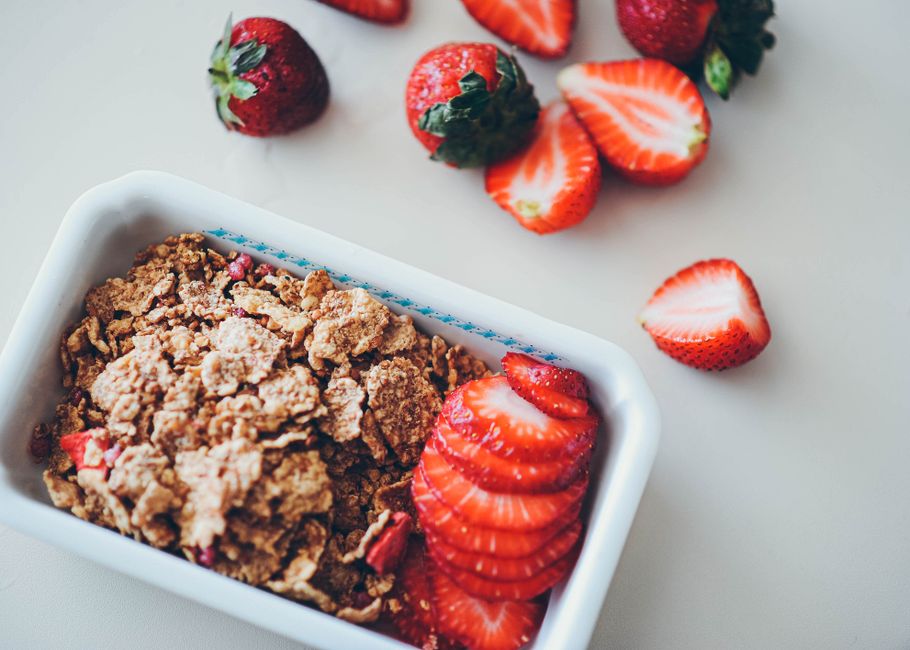
Introduction to Healthy Eating on a Budget
Eating well does not have to drain your bank account. Contrary to popular belief, a **healthy diet** packed with vitamins, protein, fiber, and whole grains can fit comfortably within a tight grocery budget. The key lies in understanding which ingredients deliver the most nutritional value per dollar, planning your weekly shop strategically, and building meals around affordable staples rather than expensive convenience foods.
Many American families assume that nutritious eating requires premium organic produce and specialty supplements. While those items have their place, the foundation of a wholesome diet rests on simple, budget-friendly ingredients that have powered healthy populations for generations. This guide walks you through building a complete week of delicious, wallet-conscious meals that nourish your family without sacrificing flavor or variety.
Throughout this article, you will find practical meal plans, easy swap strategies, and step-by-step recipes designed specifically for US home cooks working with real household budgets. Every section includes serving sizes, prep times, and tips to prevent common kitchen mistakes.
Planning Healthy Meals for the Week
The single most impactful change you can make is **planning your weekly meals** before you step foot in a grocery store. A weekly meal plan prevents impulse purchases, reduces food waste, and ensures you always have the ingredients on hand to prepare something nutritious when hunger strikes.
**Start with a simple checklist each Sunday:**
- Review what you already have in the pantry, fridge, and freezer
- Write down breakfast, lunch, and dinner for each day of the week
- Make a detailed shopping list organized by store aisle
- Set a realistic budget per person and stick to it at checkout
Focus on **protein sources that cost less per serving**, such as eggs, canned beans, canned tuna, frozen chicken thighs, and tofu. These staples provide the building blocks for satisfying meals without the premium price tag of fresh cuts. Combine them with whole grains like brown rice, oats, and whole wheat pasta, plus seasonal produce sold at peak abundance, and you have the backbone of a nutritionally complete diet.
One common mistake beginners make is over-buying fresh produce that spoils before they can use it. Combat this by choosing versatile vegetables with long shelf lives. Carrots, potatoes, onions, cabbage, and frozen vegetable mixes last much longer than delicate salads and berries, yet they provide essential fiber, vitamins, and minerals your body needs.
Healthy Breakfast Ideas for Busy Mornings
Breakfast sets the tone for the entire day, yet it is the meal most people skip or replace with expensive drive-thru options. The good news is that a **nutritious breakfast** can be assembled in under ten minutes using pantry staples you already have.
**Overnight oats** are a standout choice for US families on the go. Combine rolled oats, milk or a dairy-free alternative, a tablespoon of chia seeds, and a drizzle of honey in a jar the night before. In the morning, top with banana slices, a sprinkle of cinnamon, or a handful of frozen berries. Each serving delivers complex carbohydrates, fiber, and plant-based protein at a fraction of the cost of boxed cereal.
**Scrambled egg wraps** take five minutes from start to finish. Beat two eggs with a splash of milk, scramble in a nonstick pan, and roll into a whole wheat tortilla with a tablespoon of salsa. This quick breakfast provides high-quality protein, B vitamins, and iron while keeping your morning budget intact.
For families with **grab-and-go mornings**, prep a batch of breakfast burritos on Sunday evening. Fill whole wheat tortillas with scrambled eggs, black beans, and shredded cheese, wrap individually in foil, and store in the freezer. Reheat one in the microwave for 90 seconds and enjoy a protein-rich breakfast that costs less than a coffee shop equivalent.
**Common mistake:** Skipping breakfast entirely or relying on sugary pastries. Fix this by keeping hard-boiled eggs in the fridge at all times. They require zero preparation, provide 6 grams of protein each, and stay fresh for up to one week when stored properly.
Lunch Recipes for Work and School
Packing a lunch for yourself or your children is one of the most effective ways to **trim your monthly food budget**. A homemade lunch typically costs $2–$5 per person, while purchasing lunch from a café or food court easily runs $8–$15.
**Black bean and corn salads** are perfect for meal prep. Drain and rinse two cans of black beans, combine with frozen corn (thawed), diced tomatoes, chopped red onion, cilantro, lime juice, and a drizzle of olive oil. Season with cumin and a pinch of salt. This salad keeps well in the fridge for up to four days and delivers plant-based protein, fiber, and antioxidants. Serve over a bed of romaine lettuce or scoop with whole grain tortilla chips.
**Turkey and avocado wraps** are a satisfying lunch option that travels well. Spread mashed avocado on a whole wheat tortilla, layer deli turkey, a slice of cheese, and crunchy cucumber or bell pepper strips. Roll tightly and slice in half diagonally. The combination of lean protein, healthy fats, and fiber keeps energy levels stable through the afternoon.
**Peanut butter and banana sandwiches** on whole grain bread remain a timeless budget staple for good reason. They provide protein, potassium, and complex carbohydrates in a portable format that kids love. Swap the bread for whole wheat pita pockets for a fun twist.
When packing school lunches, include a small container of **baby carrots and hummus** alongside the main dish. This adds vegetables to the lunchbox without requiring cooking, and hummus provides additional protein and iron from chickpeas.
Dinner Recipes for Every Night of the Week
Dinner is where families can save the most money by cooking at home instead of ordering takeout. A well-stocked pantry and a handful of basic techniques enable you to prepare **delicious weeknight dinners** that rival restaurant quality at a fraction of the cost.
**One-pan chicken and vegetable roasts** are ideal for busy evenings. Arrange chicken thighs, cubed potatoes, carrot chunks, and onion wedges on a sheet pan. Toss with olive oil, garlic powder, paprika, salt, and pepper. Roast at 425°F for 35–40 minutes until the chicken reaches an internal temperature of 165°F and the vegetables are golden and tender. This single-pan meal feeds four people with minimal cleanup.
**Bean and rice skillets** represent the ultimate budget-friendly dinner. Brown one pound of ground turkey or crumble firm tofu in a large skillet. Add one can of diced tomatoes, one can of drained kidney or black beans, and cooked brown rice. Season with chili powder, cumin, and garlic. Simmer for ten minutes and serve with a dollop of Greek yogurt or shredded cheese. This protein-rich dish costs roughly $1.50 per serving and provides complete nutrition.
**Pasta with homemade tomato sauce** is a reliable family favorite that stretches a small amount of ingredients into a satisfying meal. Sauté diced onion and garlic in olive oil, add a large can of crushed tomatoes, a pinch of basil, oregano, and sugar (to balance acidity), and simmer for 20 minutes. Toss with whole wheat penne and top with grated parmesan. A batch of sauce freezes beautifully in individual portions for future quick dinners.
**Batch cooking on weekends** dramatically reduces weeknight stress. Prepare a large pot of soup, a tray of baked chicken, and a pot of grains ahead of time. During the week, combine pre-cooked elements into new meals to prevent boredom. Transform leftover roasted chicken into chicken quesadillas, and turn extra rice into fried rice with eggs and frozen peas.
Healthy Snacks Under $1 Per Serving
Between meals, smart snacking prevents energy crashes and overeating at dinner. The challenge is finding **nutritious snacks** that do not cost more than the meals themselves. Fortunately, many of the healthiest options are also the cheapest.
**Homemade trail mix** costs a fraction of store-bought versions and allows you to control the ingredients. Combine bulk rolled oats, raw sunflower seeds, mini pretzels, and dark chocolate chips in a large jar. Keep portions to roughly one-quarter cup per serving to manage calorie intake while maximizing nutrition.
**Apples with peanut butter** deliver natural fruit sugar, dietary fiber, and protein in a satisfying combination. Slice one apple and spread one tablespoon of peanut butter alongside. This snack provides roughly 5 grams of protein and costs under 75 cents per serving.
**Greek yogurt parfaits** require only plain Greek yogurt, a drizzle of honey, and a handful of granola. Greek yogurt offers twice the protein of regular yogurt, making it especially valuable for active individuals and growing children. Buying Greek yogurt in large tubs rather than individual cups saves money without sacrificing quality.
**Popcorn** deserves a place at the top of any budget-conscious snack list. Air-popped corn contains only 30 calories per cup and provides fiber. Toss with a small amount of melted butter, garlic powder, and a pinch of parmesan for a savory alternative to chips. Use an air popper or a brown paper bag in the microwave for the most affordable results.
**Common mistake:** Buying pre-packaged snack packs that charge premium prices for tiny portions. Fix this by portioning bulk snacks into reusable containers on Sunday night. The savings accumulate significantly over a month.
Comparison Table: Budget Protein Sources
| Protein Source | Cost Per Serving | Protein (grams) | Best Used In |
|---|---|---|---|
| Eggs (2 large) | $0.50 | 12 g | Breakfast, salads, sandwiches |
| Canned black beans | $0.40 | 15 g | Soups, salads, rice dishes |
| Canned tuna | $0.75 | 20 g | Salads, casseroles, sandwiches |
| Ground turkey (4 oz) | $1.50 | 22 g | Skillets, tacos, meatballs |
| Firm tofu (4 oz) | $1.00 | 10 g | Stir-fries, scrambles, skewers |
| Whole chicken thighs | $1.25 | 26 g | Roasts, soups, tacos |
| Canned pinto beans | $0.35 | 15 g | Burritos, soups, dips |
| Greek yogurt (plain) | $0.80 | 17 g | Parfaits, sauces, dips |
Frequently Asked Questions (FAQ)
What exactly does healthy eating mean for a budget-conscious family?
Healthy eating means building your daily meals around nutrient-dense ingredients that provide the vitamins, protein, fiber, and minerals your body needs without relying on expensive processed foods or luxury ingredients. Focus on whole grains, legumes, eggs, seasonal produce, and affordable lean proteins. These staples deliver maximum nutrition at minimum cost and form the foundation of sustainable healthy eating.
Why does eating healthy on a budget matter for American families?
The average US household spends roughly 10–15% of its income on food, and that percentage climbs higher for families with children. By learning to shop strategically, meal prep effectively, and cook at home, families can redirect significant savings toward other essential expenses. Healthy eating also reduces the long-term financial burden of diet-related health conditions, making it both a short-term and long-term investment in your family’s wellbeing.
How can I add variety and balance to my meals without overspending?
Variety comes from **rotating your spices and sauces** rather than buying new ingredients for every meal. A single batch of grilled chicken can become a Mexican burrito bowl, a Mediterranean salad, or an Asian stir-fry depending on which seasoning blend you use. Keep a small collection of versatile spices like cumin, garlic powder, Italian seasoning, and smoked paprika on hand to transform basic ingredients into exciting dishes throughout the week.
What are the most common mistakes to avoid when eating healthy on a budget?
Three mistakes consistently derail budget-conscious healthy eating. First, buying too much fresh produce that spoils before use — stick to durable vegetables and frozen fruits. Second, shopping without a list, which leads to impulse purchases and forgotten staples. Third, skipping meal prep, which forces you toward expensive convenience foods when hunger strikes and you have nothing ready. Address these three habits and your budget will thank you immediately.
How do I make sure my family actually enjoys healthy meals?
Involve your family in the planning process and let everyone pick one meal per week. Serve vegetables with a familiar dip like hummus or yogurt-based ranch. Make meals colorful by combining different produce colors on the plate. And remember that healthy eating is a gradual process — start by adding one nutritious element to each meal rather than overhauling everything at once. Consistency matters far more than perfection.
Top Product Recommendations
| Product Name | Rating | Key Feature | Est. Price | Action |
|---|---|---|---|---|
| Top-rated bulk rolled oats | ★★★★★ | Editor-recommended bulk rolled oats from this guide | $18–$42 | Check Lowest Price on Amazon |
| Best-value canned black beans | ★★★★☆ | Affordable canned black beans — strong everyday results | $12–$28 | Check Lowest Price on Amazon |
| Premium whole wheat tortillas | ★★★★☆ | Higher-end whole wheat tortillas for visible, lasting results | $45–$95 | Check Lowest Price on Amazon |
Affiliate Disclosure: This post contains affiliate links. We may earn a commission if you buy through our links, at no extra cost to you.
Leave a Reply