
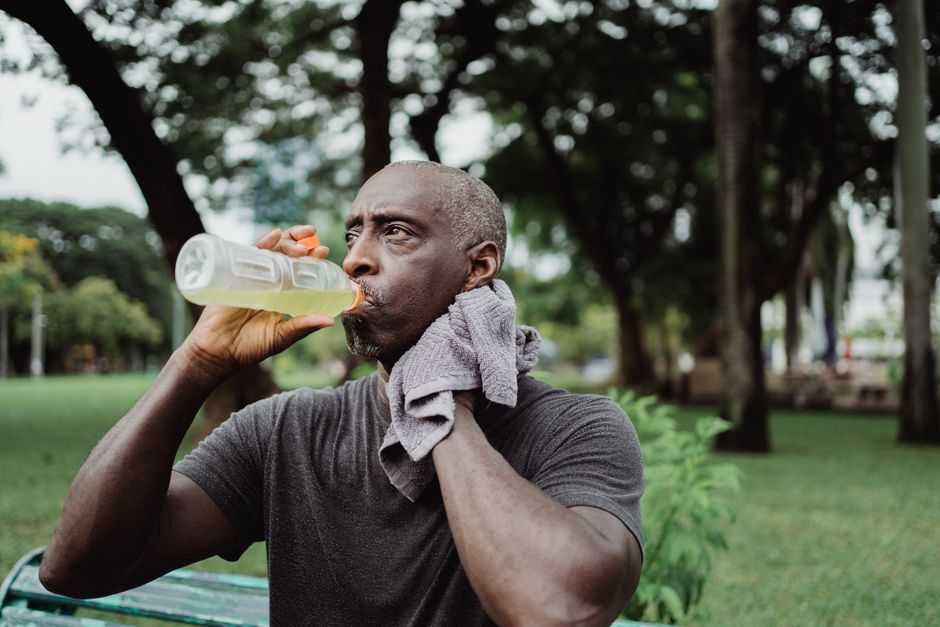
Best Sugar-Free Electrolyte Drinks for Athletes

{## Why Electrolytes Matter for Athletic Performance
When you sweat through a hard workout or race, you lose far more than water. Your body sheds **sodium, potassium, magnesium, and calcium** — the four core electrolytes that keep muscles contracting, nerves firing, and fluids balanced at the cellular level. Replacing water alone won’t cut it; without those minerals, you risk cramping, fatigue, and a sharp drop in performance.
Athletes training more than 60 minutes in warm conditions are especially vulnerable to electrolyte depletion. Even moderate sweat loss — around 1–2% of body weight — can reduce endurance capacity by up to 10%. That gap is the difference between a personal best and hitting the wall early.
The best electrolyte drinks without sugar for athletes restore these minerals quickly, support faster recovery, and keep you performing at your peak without loading you up with unnecessary calories. For a deeper look at how nutrition choices affect training outcomes, browse the full healthy eating and performance guide on this site.
—
Why Sugar-Free Is the Smarter Choice for Athletes
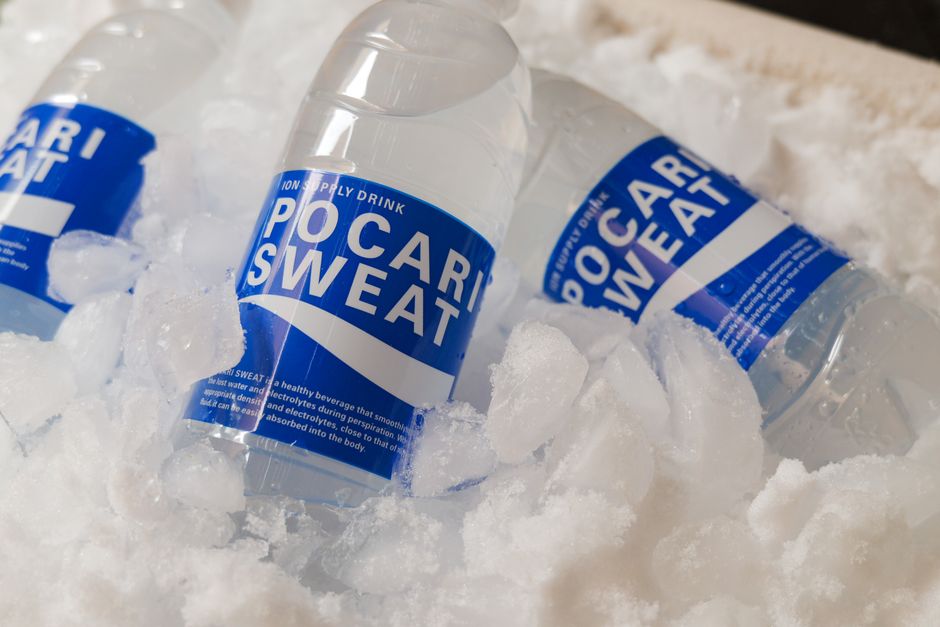
Traditional sports drinks can contain **20–34 grams of sugar** per bottle — roughly on par with a candy bar. For ultra-endurance efforts lasting several hours, some fast-absorbing carbohydrates can serve a purpose. But for most gym sessions, moderate-length runs, or everyday hydration, that sugar load does more harm than good.
High sugar intake spikes blood glucose, triggers an insulin response, and can cause an energy crash mid-workout. Over time, habitual consumption of sugary beverages contributes to weight gain, chronic inflammation, and increased risk of type 2 diabetes — none of which support your athletic goals.
Sugar-free electrolyte drinks deliver the same mineral replenishment without the glycemic rollercoaster:
- No blood sugar spikes during training
- Fewer empty calories per serving
- Better fit for daily hydration beyond intense sessions
- Compatible with low-carb, keto, and diabetic-friendly nutrition plans
—
Quick pick: Compare top-rated Healthy options.
Key Ingredients to Look For on the Label
Not all sugar-free electrolyte products are created equal. Reading the label carefully separates effective formulas from glorified flavored salt water.
**Essential minerals to confirm in any formula:**
- **Sodium** (300–700 mg per serving) — the primary electrolyte lost in sweat
- **Potassium** (100–400 mg) — supports muscle function and prevents cramping
- **Magnesium** (20–80 mg) — aids muscle recovery and sleep quality
- **Calcium** (50–100 mg) — supports bone health and muscle contraction
For sweetness without sugar, look for **stevia** or **monk fruit extract** — both are natural, zero-glycemic options that don’t cause digestive distress at typical doses. Be cautious with formulas that rely heavily on sugar alcohols like sorbitol, which can trigger GI issues during runs.
Some premium formulas also include **coconut water powder** as a natural potassium source, or **citric acid** for flavor and mild pH buffering. These are useful additions, not requirements.
—
Comparing Popular Sugar-Free Electrolyte Formats
| Product Type | Sodium (mg) | Potassium (mg) | Sweetener | Best For |
|---|---|---|---|---|
| Dissolvable tablet | 300–500 | 100–200 | Stevia | Travel, portability |
| Powder packet | 500–700 | 200–400 | Monk fruit | Long training sessions |
| Ready-to-drink can | 200–400 | 150–300 | Stevia blend | Post-workout convenience |
| Concentrated drops | 400–600 | 50–150 | Unflavored | Mixing into water bottles |
Dissolvable **tablets** are a favorite among cyclists and runners because they’re lightweight and easy to carry in a jersey pocket or race vest. **Powder packets** typically offer the highest mineral concentrations per serving, making them ideal for hot-weather endurance events. **Ready-to-drink cans** trade some mineral density for grab-and-go convenience — a reasonable tradeoff after a tough session.
—
How to Make a Sugar-Free Electrolyte Drink at Home
If you prefer full control over what goes into your bottle, a homemade electrolyte drink is simple, affordable, and easy to customize. This recipe takes about five minutes and yields one 16 oz serving.
**Homemade Sugar-Free Electrolyte Drink**
*Prep time: 5 minutes | Servings: 1 (16 oz)*
**Ingredients:**
- 16 oz cold water
- ¼ tsp sea salt (≈ 590 mg sodium)
- ¼ tsp cream of tartar (≈ 495 mg potassium)
- 1–2 tbsp fresh lemon or lime juice
- 2–3 drops liquid stevia, adjusted to taste
- Optional: small pinch of magnesium glycinate powder
**Steps:**
1. Add sea salt and cream of tartar to a glass or shaker bottle.
2. Pour in the water and stir or shake until the minerals fully dissolve.
3. Add lemon juice and stevia. Taste and adjust sweetness before serving.
4. Drink immediately, or refrigerate for up to 24 hours.
**Easy ingredient swaps:** Use pink Himalayan salt for trace minerals. Swap lemon for cucumber slices and fresh mint for a lighter flavor. If cream of tartar isn’t on hand, a tablespoon of coconut water adds natural potassium.
**One common mistake to avoid:** Too much salt without enough liquid makes the drink unpleasant and can actually backfire on hydration. Hold to ¼ tsp per 16 oz as your baseline, scaling up only for very long or very hot sessions.
—
When and How to Time Your Electrolyte Intake
Drinking electrolytes strategically — rather than randomly throughout the day — gets you the most benefit with the least waste.
**Pre-workout (30–60 minutes before):** A half-serving helps top off electrolyte stores, especially if you’re training in heat or on back-to-back days. Too much sodium before exercise can make you feel bloated, so keep it moderate.
**During workout (sessions over 60 minutes):** Sip 6–8 oz every 15–20 minutes. For shorter efforts in a cool gym, plain water is typically sufficient.
**Post-workout (within 30 minutes):** This is the highest-priority window. A full serving alongside a protein-rich snack accelerates muscle recovery and restores fluid balance faster than water alone.
Additional situations where electrolytes help:
- Morning after travel or a poor night’s sleep
- Hot days, even without formal training
- **Do not use electrolyte drinks as a meal replacement** — they supply minerals, not macronutrients
Monitor urine color as a simple hydration gauge. Pale yellow means you’re well-hydrated. Dark yellow or amber signals a need for more fluids. Completely clear urine can indicate over-hydration, which dilutes electrolytes — a reminder that plain water alone isn’t always the full answer.
—
Smart Nutrition Habits That Complement Electrolyte Use
Electrolyte drinks work best as part of a broader healthy nutrition strategy, not as a standalone fix. Whole foods like bananas, avocados, leafy greens, and dairy naturally supply potassium, magnesium, and calcium. Building your diet around these sources means your electrolyte drink is topping off what whole foods already provide — not compensating for a poor eating pattern.
Pairing your electrolyte intake with adequate protein (for muscle repair) and complex carbohydrates (for glycogen replenishment) creates a recovery environment where the minerals can actually do their job effectively.
—
Avoiding Common Mistakes With Electrolyte Drinks
Even experienced athletes make avoidable errors with electrolyte supplementation. Knowing the pitfalls saves you money and protects your performance.
**Over-relying on electrolyte drinks during short workouts** is among the most common issues. If you’re lifting for 45 minutes in an air-conditioned gym, you likely don’t need supplementation — water is fine. Reserve electrolyte drinks for situations where sweat losses are genuinely significant.
**Neglecting magnesium** is another frequent gap. Most commercial formulas emphasize sodium and potassium because those are lost most heavily in sweat. But magnesium deficiency is widespread among active adults and contributes to night cramps, poor sleep, and slower recovery. If your formula is low in magnesium, a standalone supplement is worth considering.
Additional label red flags to watch for:
- **Artificial dyes** (FD&C Yellow No. 5, Red 40) — common in mainstream sports drinks and best avoided
- Don’t stack multiple electrolyte products simultaneously; excess sodium can elevate blood pressure
- Store powder packets in a cool, dry place — humidity causes clumping and degrades potency over time
—
Frequently Asked Questions (FAQ)
**Q: Are sugar-free electrolyte drinks less effective than sugary options?**
No. For most training sessions, sugar-free formulas perform equally well at restoring hydration and mineral balance. Sugar provides fast energy during multi-hour endurance events, but for workouts under 90 minutes it’s unnecessary. The electrolyte minerals themselves drive the hydration benefit — not the sugar content.
**Q: Can non-athletes benefit from sugar-free electrolyte drinks?**
Absolutely. Anyone who sweats heavily, travels frequently, works outdoors, follows a low-carb diet, or simply struggles to drink enough plain water can benefit. They’re also useful when recovering from illness that causes fluid loss. The sugar-free versions are especially practical for daily use since they contribute zero extra calories.
**Q: How often should I drink electrolytes to notice a difference?**
Most athletes notice improved energy and reduced cramping within 3–7 days of consistent use during training. For daily support, one full serving on training days and a half-serving on rest days is a solid starting point. Adjust based on your sweat rate, local climate, and how you feel during workouts.
**Q: What’s the best sugar-free electrolyte drink for keto athletes?**
Look for formulas sweetened with stevia or monk fruit that contain zero grams of net carbs. Powder packets and concentrated drops tend to be the cleanest options for keto-compatible hydration, since many ready-to-drink cans include small amounts of added carbohydrates for flavor balance.
**Q: Is it possible to get too many electrolytes?**
Yes. Excess sodium from stacking multiple electrolyte products can raise blood pressure, and very high magnesium intake may cause loose stools. Stick to one product at a time, follow serving size guidelines, and let your food intake cover baseline mineral needs.
Top Product Recommendations
| Product Name | Rating | Key Feature | Est. Price | Action |
|---|---|---|---|---|
| Top-rated sugar-free electrolyte powder packets athletes | ★★★★★ | Editor-recommended sugar-free electrolyte powder packets athletes from this guide | $18–$42 | Check Lowest Price on Amazon |
| Best-value electrolyte tablets no sugar stevia | ★★★★☆ | Affordable electrolyte tablets no sugar stevia — strong everyday results | $12–$28 | Check Lowest Price on Amazon |
| Premium magnesium glycinate powder supplement | ★★★★☆ | Higher-end magnesium glycinate powder supplement for visible, lasting results | $45–$95 | Check Lowest Price on Amazon |
Affiliate Disclosure: This post contains affiliate links. We may earn a commission if you buy through our links, at no extra cost to you.

