Easy and Quick Lunch Recipes for Busy School Days
Getting kids to eat a nutritious lunch can feel like an impossible task, especially when they are picky eaters. But packing a healthy lunch does not have to take hours in the kitchen. With a few simple recipes, you can put together a balanced meal that your child will actually eat — and that will keep them energized through the afternoon.
Start with a basic turkey and cheese sandwich on whole wheat bread. This classic combination delivers lean protein, calcium, and fiber in a format that most kids recognize and trust. If your child turns up their nose at whole wheat at first, try mixing white and whole wheat bread together until their palate adjusts. Another quick option is a ham and swiss roll-up using a flour tortilla instead of bread. Roll-ups are fun to eat, easy to hold, and they let you tuck in extra slices of cucumber or sweet pepper alongside the meat and cheese.
For something a little different, try a mini pita pocket filled with hummus, shredded carrots, and a few spinach leaves. Pita pockets are portable, mess-free, and introduce kids to plant-based protein in a friendly format. You can prep four or five of these at once and store them in the fridge for grab-and-go mornings.
Quick pick: Compare top-rated Kids options.
Nutritious Ingredients That Picky Eaters Will Actually Eat
Choosing the right ingredients makes all the difference when you are building a lunch for a fussy eater. Not every child will devour a salad bar, but most kids will eat a few raw vegetables when they are cut into fun shapes and paired with a familiar dip.
**Healthy bread options** are the foundation of any good sandwich lunch. Look for whole grain bread with a short ingredient list — ideally, the first ingredient should be whole wheat flour or oats. If your child is attached to white bread, look for brands that blend enriched flour with whole grains to bump up the fiber without changing the taste too dramatically.
**For vegetables**, stock up on cherry tomatoes, snap peas, baby carrots, and cucumber coins. These are naturally sweet, crunchy, and easy to pack in a separate container alongside a small ramekin of ranch dressing or hummus. Steaming vegetables for wraps softens their texture and makes them less intimidating for kids who prefer softer foods.
**Protein sources** that tend to go over well with picky eaters include sliced turkey, rotisserie chicken, string cheese, hard-boiled eggs, and deli ham. Rotisserie chicken is especially useful because you can shred it and use it in wraps, sandwiches, or as a standalone protein to pair with crackers and cheese.
Make-Ahead Lunches for Stressed Parents
Sunday meal prep is a lifesaver for families who are juggling school schedules, sports practices, and work commitments. Spending just 30 to 45 minutes prepping ingredients on the weekend can save you from frantic morning scrambles five days a week.
Start by hard-boiling a dozen eggs, roasting a sheet pan of chicken breast or thighs, and washing and drying a batch of leafy greens. Store each component in its own airtight container in the refrigerator. On Monday morning, assemble the lunch in under five minutes by layering a protein, a vegetable, and a whole grain into a container or sandwich wrapper.
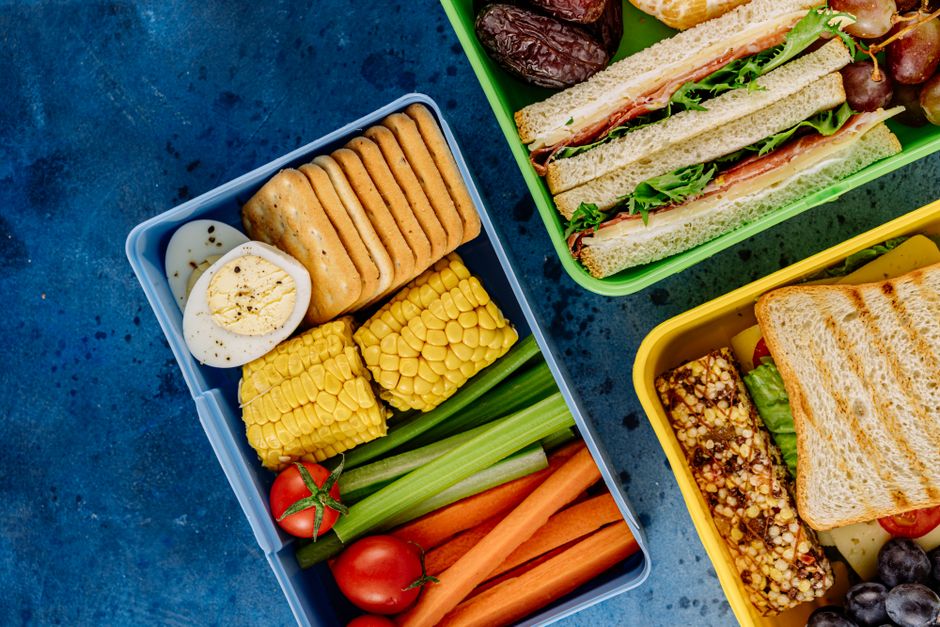
Another effective strategy is to prep complete lunch kits on Sunday night. Divide portions of crackers, cheese cubes, deli meat, grapes, and baby carrots into a compartmentalized bento-style container. Seal everything and stack the containers in the fridge. Each morning, grab one, add a drink and a treat, and your child’s lunch is ready to go.
Labeling containers with the day of the week can help you track freshness and prevent food waste. Most prepped components stay fresh for three to four days when stored properly in the refrigerator.
Budget-Friendly Lunch Options That Do Not Break the Bank
Feeding kids well does not require a massive grocery budget. In fact, many of the healthiest lunch ingredients are also the most affordable. Beans, lentils, eggs, oatmeal, and whole grain bread staples cost a fraction of processed snack foods and deliver far more nutrition per dollar.
**Buying in bulk** works well for pantry staples like oats, rice, and canned beans. Store brands often contain the same quality ingredients as name brands at a significantly lower price. Stock up when these items go on sale and rotate through your pantry to keep costs down week to week.
**Seasonal produce** is both cheaper and fresher. In the summer, load sandwiches and wraps with ripe tomatoes, avocados, and leafy greens. In fall and winter, switch to root vegetables like shredded carrots, roasted sweet potato cubes, and steamed broccoli florets. Adapting your lunch ingredients to what is in season at your local grocery store or farmers market is one of the simplest ways to trim your grocery bill without sacrificing nutrition.
Batch-cooking grains like brown rice or quinoa on the weekend lets you stretch a single pot of grain into multiple meals throughout the week. A grain bowl with shredded chicken, black beans, corn, and a drizzle of dressing takes under ten minutes to assemble and costs less than $2 per serving.
Encouraging Kids to Try New Foods at Lunch
One of the biggest challenges parents face is getting a picky eater to expand their horizons without turning mealtime into a battleground. The key is patience, consistency, and a willingness to present new foods in a low-pressure way.
**Introduce new ingredients gradually.** Do not pile a plate with unfamiliar vegetables and expect your child to devour them on the first try. Instead, add one new item alongside two or three familiar foods. Offer the new food two or three times before deciding your child dislikes it — palate preferences can take five to ten exposures to shift.
**Make healthy food fun.** Let your child help you plan the week’s lunches by offering two or three healthy options and letting them choose. When kids have a say in what goes into their lunch, they are far more likely to eat it. You can also involve them in simple prep tasks like washing lettuce, stirring dressings, or arranging food in a container.
**Keep portions small.** A child who refuses a whole sandwich might happily eat a few bites of one. Serve new foods in tiny amounts alongside foods you know your child enjoys. Over time, as comfort with the food grows, the portion sizes can increase naturally.
Creative Presentation Ideas That Make Lunch Exciting
Presentation matters more than most parents realize. A lunch that looks boring in a plain container suddenly becomes appealing when it is arranged with a little creativity and care.
Use **cookie cutters** to transform ordinary sandwiches, cheese slices, and watermelon into stars, hearts, dinosaurs, and butterflies. This simple trick takes seconds but makes the lunch feel special and fun. Kids who would ignore a standard turkey sandwich will happily devour the same filling when it is cut into a shape they love.
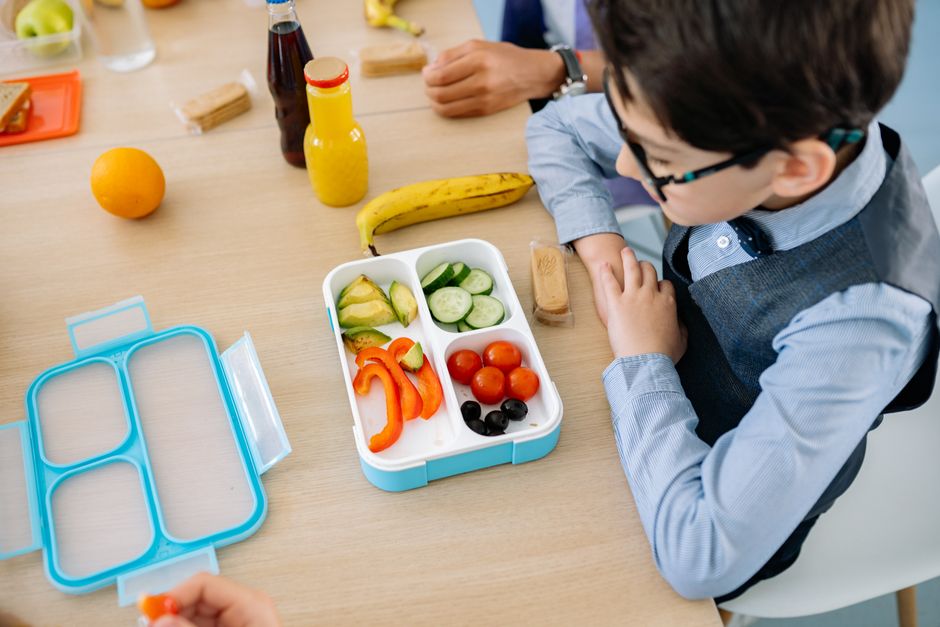
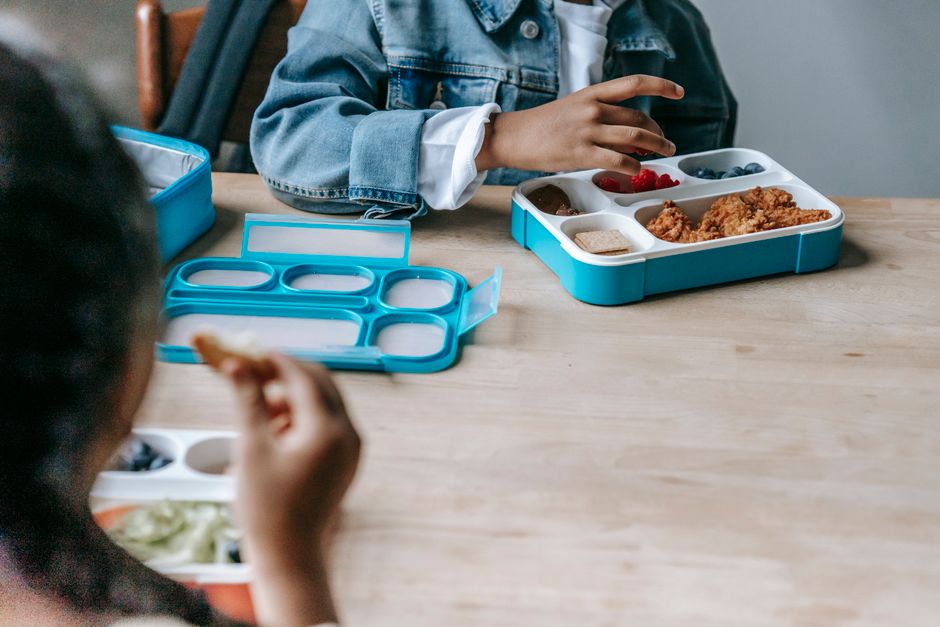
**Arranging food in a visually appealing way** also helps. Place the main item on one side of a bento container, add a small side of fruit or vegetables on the other, and include a tiny treat or special note in the center. The compartmentalized layout signals to your child that the meal is organized and intentional, which can make them more willing to engage with it.
Adding a **special touch** does not have to be elaborate. A colorful toothpick, a handwritten note on a small card, or a post-it with a fun riddle can transform an ordinary lunch into something your child looks forward to opening. These small gestures cost nothing but can make a meaningful difference in how your child perceives mealtime.
Healthy Vegetarian and Vegan Lunch Ideas
Whether your family follows a plant-based diet or you simply want to add more meatless meals to your rotation, there are plenty of vegetarian and vegan lunch options that are nutritious, filling, and kid-friendly.
For sandwiches, try a creamy avocado spread on whole wheat bread with sliced cucumber, spinach, and a sprinkle of Everything Bagel seasoning. Avocados provide healthy fats and potassium, while the vegetables add fiber and vitamins. Another option is a black bean and corn salsa served inside a small tortilla with shredded cheese and a drizzle of plain Greek yogurt.
**Nutritious salad recipes** for younger kids work best when the greens are mild and the toppings are familiar. A bed of baby spinach with canned mandarin oranges, sliced almonds, and shredded rotisserie chicken is a winning combination of sweet, savory, and crunchy. For a fully plant-based version, swap the chicken for chickpeas and add croutons for texture.
**Wraps and rolls** are arguably the easiest vehicle for vegetarian lunch ingredients. Fill a flour tortilla with hummus, shredded purple cabbage, grated carrots, and a few cubes of feta cheese. Roll it tightly, cut it in half on the diagonal, and secure each half with a toothpick. The visual presentation is inviting, and the flavors are familiar enough that most kids will give it a try.
Building a Sustainable Lunch Routine for Your Family
Creating a healthy lunch routine that works for your family is not about perfection — it is about consistency and flexibility. The goal is to build habits that you can maintain even on the busiest weeks.
Start by identifying three or four lunch templates that your child enjoys and that you can assemble quickly. Rotate through these templates week by week, swapping ingredients based on what is fresh, affordable, and available. Over time, your child will develop an appetite for these meals and you will spend less mental energy debating what to pack.
Keep a running shopping list on your phone or fridge so you can restock lunch supplies as they run low. There is nothing more frustrating than reaching for the whole wheat bread on Tuesday morning only to find an empty bag. Staying ahead of your grocery needs removes one more source of stress from the school morning routine.
Finally, check in with your child regularly about what is working and what is not. A lunch that feels exciting in September might feel stale by February. Asking your child for input and adjusting accordingly keeps the routine fresh and ensures that the meals you pack are actually being eaten.
Frequently Asked Questions (FAQ)
What are some healthy and easy lunch ideas for picky eaters at school?
Simple options like turkey and cheese roll-ups, mini pita pockets with hummus, or turkey sandwiches on whole wheat bread are reliable choices. Pair any of these with raw vegetable sticks and a dip, a side of fruit, and a small handful of nuts or seeds for a complete, balanced meal that most kids will eat without protest.
How can I encourage my child to try new foods in their lunch?
Introduce one new ingredient at a time alongside two or three familiar foods, and give it at least five to ten exposures before concluding your child dislikes it. Let your child help prepare or assemble their lunch, keep portions small at first, and present new foods in fun shapes or formats. Making the experience low-pressure and collaborative tends to yield better results than forcing or bribing.
What are budget-friendly options for healthy school lunches?
Focus on affordable staples like canned beans, eggs, oats, and seasonal produce. Buying store-brand whole grains and cooking dried beans from scratch instead of using canned versions can significantly reduce costs. Batch-cooking grains and proteins on the weekend lets you stretch a single prep session into multiple meals throughout the week, which is one of the most effective ways to keep a family lunch budget under control.
How do I store prepped lunch ingredients safely?
Keep prepped components in airtight containers in the refrigerator and use them within three to four days. For items that spoil quickly, like sliced fresh fruit or soft vegetables, prep those on the morning of rather than the night before. Keep hot and cold items in separate containers if your lunch box does not have a built-in divider, and use an ice pack to keep perishables cool until lunchtime.
Top Product Recommendations
| Product Name | Rating | Key Feature | Est. Price | Action |
|---|---|---|---|---|
| Top-rated whole wheat tortilla wraps | ★★★★★ | Editor-recommended whole wheat tortilla wraps from this guide | $18–$42 | Check Lowest Price on Amazon |
| Best-value reusable bento lunch container | ★★★★☆ | Affordable reusable bento lunch container — strong everyday results | $12–$28 | Check Lowest Price on Amazon |
| Premium hummus chickpea dip | ★★★★☆ | Higher-end hummus chickpea dip for visible, lasting results | $45–$95 | Check Lowest Price on Amazon |
Affiliate Disclosure: This post contains affiliate links. We may earn a commission if you buy through our links, at no extra cost to you.
Leave a Reply