

Healthy Lunch Ideas for Picky Eaters at School

Why a Lunchbox Strategy Changes Everything for Picky Eaters
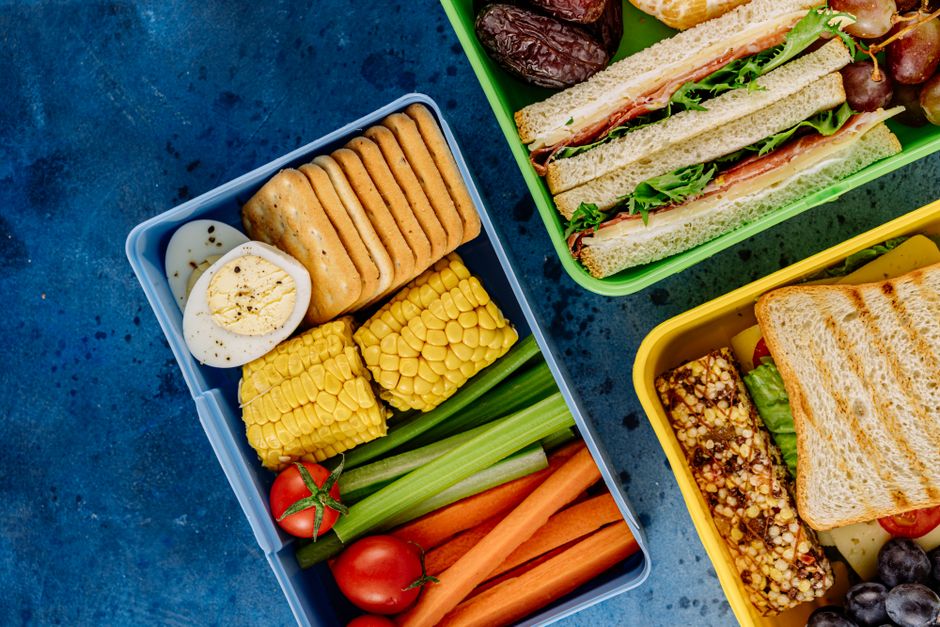
Packing a school lunch that a picky eater will actually eat — and that delivers real nutrition — is one of the toughest daily challenges in parenting. The good news: with a little strategy, you can send your kid off with **healthy lunch ideas for picky eaters school** days that check every box. This guide walks through main dishes, produce tricks, protein swaps, whole grains, snacks, and drinks so you never stare blankly at an empty lunchbox again.
Kids who are selective about food often respond better to **familiar shapes, mild flavors, and colorful presentation** than to entirely new foods. Research from pediatric dietitians consistently shows that repeated low-pressure exposure helps expand a child’s palate over time. The lunchbox is a perfect testing ground because there’s no dinner-table pressure.
- Keep **portion sizes small** so nothing looks overwhelming.
- Rotate two or three accepted favorites while slowly introducing one new item per week.
- Use **divided containers** — kids often dislike foods touching each other.
Prep time for most lunches below: **10–15 minutes** the night before. Each recipe idea yields **1 serving** unless noted.
—
Quick pick: Compare top-rated Kids options.
Main Dishes That Vanish from the Lunchbox
The classic sandwich gets a major upgrade when you swap plain white bread for **whole wheat, whole grain wraps, or mini pita pockets**. Cutting sandwiches into stars or dinosaurs with cookie cutters makes even the most resistant eater curious. Try turkey and mild cheddar on whole wheat with a thin spread of hummus instead of mayo.
**Wrap ideas that work:**
- Cream cheese and cucumber in a spinach tortilla
- Shredded rotisserie chicken with mild salsa in a whole wheat wrap
- Peanut butter and banana in a honey-wheat tortilla (check school nut policies first)
**Pasta salads** are another crowd-pleaser. Cook rotini or bowties, toss with Italian dressing, diced mozzarella, and cherry tomatoes halved. Serve cold. Swap in chickpea pasta for extra protein and fiber without changing the taste kids love.
For a **pizza alternative**, spread marinara on a whole wheat English muffin, top with part-skim mozzarella and any accepted veggie, and bake at 375°F for 8 minutes the night before. Pack cold — kids eat it happily at room temperature. Looking for more easy meal inspiration? Check out our full kids’ food category for weekly recipe ideas.
—
Fruits and Vegetables: Smart Ways to Get Produce Eaten
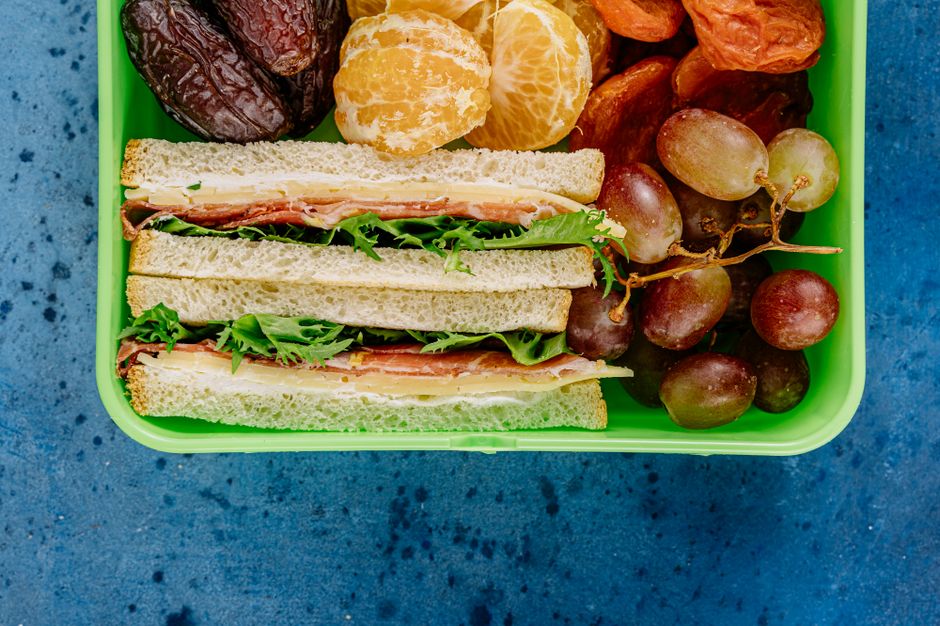
Getting vegetables into a picky eater’s lunchbox requires creativity over confrontation. **Finely shredded carrots or zucchini** disappear into cream cheese sandwich spreads. Spinach blended into a smoothie turns it green but tastes like nothing but fruit.
**Easy fruit wins:**
- Seedless grapes (halved for younger kids)
- Apple slices with a small container of peanut butter or sunflower butter
- Mandarin orange segments — sweet, easy to peel, no mess
**Veggie and fruit pairing ideas** that reduce resistance:
- Cucumber coins alongside watermelon chunks (similar crunch and coolness)
- Baby carrots paired with pineapple tidbits (sweet distraction effect)
- Sugar snap peas next to strawberry slices
The key is **visual balance** — a lunchbox that looks colorful and fun gets eaten more completely, according to school nutrition studies. Pairing a favorite fruit with a mild vegetable is one of the most reliable tricks in the kids’ nutrition playbook.
—
Protein Options That Kids Actually Eat
Protein keeps kids **full through afternoon classes** and supports growth. For picky eaters who reject most meats, there are plenty of workarounds.
**Homemade chicken nuggets** are a game-changer. Coat chicken breast strips in whole wheat breadcrumbs mixed with Parmesan, bake at 400°F for 18 minutes, and freeze in batches. They reheat in a toaster oven in 5 minutes and pack well.
**Deli meat and cheese alternatives:**
- Hard-boiled eggs (prep 6 at once for the week)
- String cheese or mini Babybel rounds
- Edamame (sh d, lightly salted) — most kids love the fun texture
**Kid-friendly seafood options** include canned light tuna mixed with a little mayo and relish on crackers, or salmon patties made from canned salmon, an egg, and breadcrumbs, pan-fried and packed cold.
—
Carbohydrates and Whole Grains That Fuel Focus
Carbs are not the enemy — **quality carbs** fuel brain function during school hours. The goal is choosing options with more fiber and nutrients than standard refined grains.
| Option | Fiber per Serving | Kid-Friendly? |
|---|---|---|
| White bread | 0.6 g | Yes |
| Whole wheat bread | 2 g | Yes (mild taste) |
| Chickpea pasta | 5 g | Yes (same texture) |
| Brown rice | 2 g | Yes with sauce |
| Quinoa | 2.5 g | Yes when mixed |
**Whole grain rice dishes** like mild fried rice with scrambled egg and peas pack well in a thermos. **Quinoa** works best when mixed with something familiar — try quinoa tabbouleh with cucumber, lemon, and a drizzle of olive oil. Most kids accept it when the ratio is 50/50 with rice.
- Always **rinse quinoa** before cooking to remove the bitter saponin coating.
- Use **low-sodium broth** instead of water for extra flavor without added salt.
—
Snacks and Side Dishes Worth Packing
The snack section of the lunchbox is prime real estate. **Replacing chips and cookies** with smarter options doesn’t mean deprivation — it means better choices that still feel like a treat.
**Homemade snack ideas (prep time: 5–10 minutes):**
- Whole grain crackers with individually portioned guacamole cups
- Trail mix with pretzels, dried cranberries, sunflower seeds, and a few chocolate chips
- Homemade energy bites: oats, peanut butter, honey, and mini chocolate chips rolled into balls
**Side dishes that complement the main:**
- Small container of cottage cheese with pineapple chunks
- Sliced avocado with a squeeze of lemon (packs better than you’d think)
- Bean and corn salsa with whole grain tortilla chips
**Yogurt** makes an exc nt dessert stand-in. Choose **plain Greek yogurt** and stir in a teaspoon of honey and a few berries. It provides protein and probiotics without the added sugar of flavored varieties. Freeze the container overnight — it thaws perfectly by lunchtime and stays cold.
—
Drinks: Hydration Without the Sugar Load
School-age kids need **5–8 cups of fluids daily**, and most of that should come from water. Sugary juice boxes spike blood sugar and contribute to the mid-afternoon energy crash teachers complain about.
**Healthier drink swaps:**
- **Infused water** — add sliced cucumber, lemon, or a few frozen berries to a reusable bottle
- **Smoothie pouches** — blend spinach, frozen mango, banana, and milk; freeze in reusable pouches overnight
- **Low-fat milk** (dairy or unsweetened fortified oat/almond milk) in an insulated thermos
If your child won’t drink plain water, **sparkling water** with a splash of 100% fruit juice is a reasonable bridge. Avoid sports drinks — they’re marketed to kids but contain as much sugar as soda and aren’t necessary for moderate school-day activity.
- Pack drinks in **insulated stainless steel bottles** to keep them cold without relying on ice packs.
- Freeze a **water bottle halfway** the night before; top with water in the morning for an all-day cold drink.
—
Quick-Reference Lunchbox Checklist
Before sealing the lunchbox, run through this quick check:
- [ ] **Protein source** included (egg, cheese, meat, legumes)
- [ ] **Whole grain or complex carb** present
- [ ] **At least one fruit or vegetable**
- [ ] **Hydrating drink** (water, milk, or low-sugar option)
- [ ] **No more than one treat-style item** (chips, cookie, or sweet snack)
- [ ] **Container is leak-proof** and easy for your child to open independently
—
Frequently Asked Questions (FAQ)
Q: What are some healthy and easy sandwich ideas for kids?
A: Whole wheat turkey and mild cheddar, peanut butter and banana on honey-wheat bread, and cream cheese with cucumber on whole grain bread are all picky-eater-approved and take under 5 minutes to assemble. Cut them into fun shapes with cookie cutters to boost appeal.
Q: How can I make sure my child is getting enough nutrients in their lunch?
A: Aim to include at least one item from each major group — **protein, complex carb, fruit or vegetable, and dairy or dairy alternative**. A lunchbox that hits all four categories covers the key micronutrients most school-age kids need. Rotating foods weekly helps prevent deficiencies from over-reliance on one item.
Q: What are some good alternatives to junk food snacks in my child’s lunchbox?
A: Homemade energy bites, whole grain crackers with hummus, trail mix with a small amount of chocolate chips, and plain Greek yogurt with honey all feel indulgent but deliver real nutritional value. The trick is **presentation** — portion them into fun containers so they look as exciting as a bag of chips.
Q: How do I handle foods touching each other in the lunchbox?
A: Use a **divided lunchbox container** with separate compartments. Many picky eaters have genuine sensory sensitivities around food contact, and a simple container swap solves the problem without any arguing. This single change can transform how much of the lunch actually gets eaten.
Top Product Recommendations
| Product Name | Rating | Key Feature | Est. Price | Action |
|---|---|---|---|---|
| Top-rated whole wheat bread for kids lunch | ★★★★★ | Editor-recommended whole wheat bread for kids lunch from this guide | $18–$42 | Check Lowest Price on Amazon |
| Best-value lunchbox containers divided | ★★★★☆ | Affordable lunchbox containers divided — strong everyday results | $12–$28 | Check Lowest Price on Amazon |
| Premium chickpea pasta for kids | ★★★★☆ | Higher-end chickpea pasta for kids for visible, lasting results | $45–$95 | Check Lowest Price on Amazon |
Affiliate Disclosure: This post contains affiliate links. We may earn a commission if you buy through our links, at no extra cost to you.
