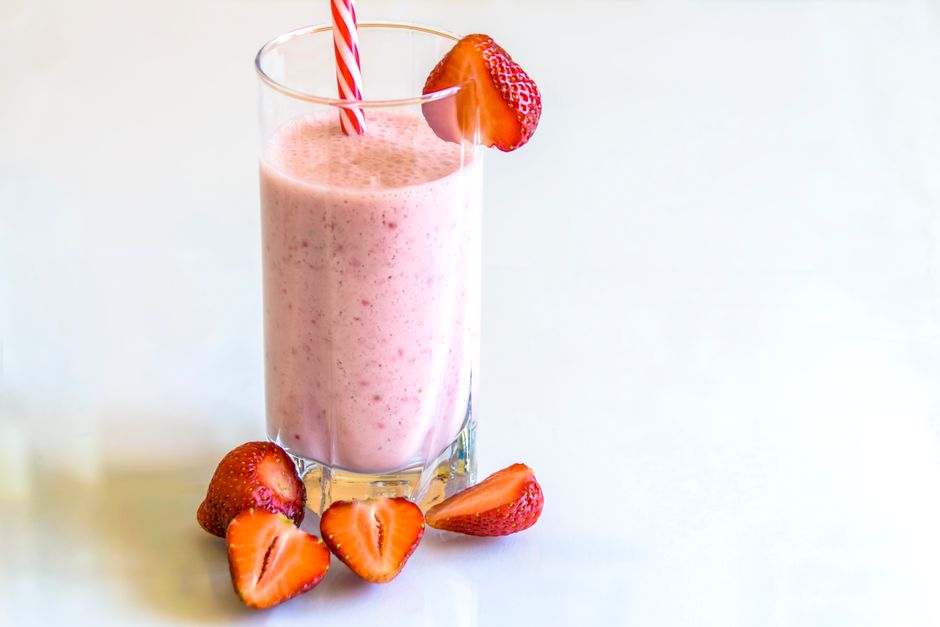
{## Smoothie Basics for Weight Gain
If you’re trying to add lean mass or recover from a calorie deficit, **healthy weight gain smoothie recipes high calorie** are one of the most efficient tools in your kitchen. A single well-built smoothie can deliver 600–1,000+ calories without leaving you stuffed — and without relying on junk food or empty sugars. The secret is stacking **nutrient-dense ingredients** that work together across all three macronutrients.
Start with a calorie-rich liquid base, then layer in protein, healthy fats, and complex carbs. Protein rebuilds muscle tissue, fats add dense calories while slowing digestion, and complex carbs replenish glycogen stores so you have fuel for your next session. Getting that ratio right means steady, quality weight gain — not blood sugar spikes and crashes.
- Use **whole-fat liquids** (whole milk, canned coconut milk) as your base
- Build every smoothie around at least one fat source, one protein source, and one carb source
- Target a minimum of **400–600 calories per serving** for meaningful weight gain support
Explore more strategies on the [weight gain nutrition guide](https://sieunjayf.blog/category/weight-gain/) to pair these smoothies with a complete eating plan.
—
Choosing the Right Protein Powder
Protein powder is the backbone of any serious weight-gain smoothie. Without adequate protein, surplus calories tend to be stored as fat rather than converted into lean muscle. Most active adults targeting muscle gain need roughly **0.7–1 gram of protein per pound of body weight** each day.
Whey protein is the gold standard for post-workout recovery — it’s a complete amino acid profile and digests quickly when your muscles need it most. Plant-based options like pea, hemp, or brown rice protein work just as well for dairy-free drinkers, especially when two sources are combined to fill out the amino acid spectrum. Look for powders with **at least 20–25g of protein per scoop** and minimal added sugar.
| Protein Type | Protein per Scoop | Best For | Digestion Speed |
|---|---|---|---|
| Whey concentrate | 22–25g | Post-workout, muscle gain | Fast |
| Whey isolate | 25–27g | Lean bulking, low lactose | Very fast |
| Pea protein | 20–24g | Vegan, sensitive stomachs | Medium |
| Hemp protein | 12–15g | Whole-food preference | Slow |
| Brown rice protein | 20–22g | Vegan, allergen-free | Medium |
- Mix whey with casein for a slower-release blend — ideal for meal-replacement smoothies
- Look for **third-party testing certifications** (NSF Certified for Sport, Informed Sport) on the label
- Add protein powder *after* your liquid and frozen ingredients to prevent clumping
—
Quick pick: Compare top-rated Weight Gain options.
Healthy Fats That Pack Real Calories
Fat is the most calorie-dense macronutrient at **9 calories per gram**, making it a powerful lever for anyone trying to increase their daily intake without adding bulk to their meals. The fats best suited for weight-gain smoothies also happen to be among the most beneficial for heart and brain health.
Nut butters are a fan favorite — two tablespoons of almond butter adds roughly 190 calories and 7g of protein. Peanut butter is slightly higher in protein and easier on the budget, while cashew butter offers a creamier, milder flavor. Avocado is a standout option: half an avocado contributes about 120 calories along with heart-healthy monounsaturated fats and a luxuriously thick texture.
Chia seeds and ground flaxseeds are small but mighty. One tablespoon of chia seeds delivers around 60 calories, omega-3 fatty acids, and soluble fiber. Full-fat canned coconut milk (not the carton variety) adds richness and roughly 120–140 calories per quarter cup.
- 2 tbsp peanut butter ≈ 190 calories
- ½ avocado ≈ 120 calories
- 2 tbsp chia seeds ≈ 120 calories
- ¼ cup canned coconut milk ≈ 130 calories
—
Carb-Loading Ingredients for Sustained Energy

Complex carbohydrates fuel your training and help maintain the calorie surplus you need to gain weight. Unlike simple sugars, they digest slowly and provide steady energy without a crash. **Rolled oats** are one of the best smoothie add-ins available — a half cup contributes about 150 calories plus 5g each of fiber and protein. Blend them dry for the smoothest result.
Dried fruits are a concentrated calorie source that also sweetens naturally. A quarter cup of raisins delivers around 120 calories, while two Medjool dates add 130 calories alongside potassium and a rich caramel-like sweetness. Bananas are the go-to fresh fruit for bulking smoothies — a large one brings about 120 calories and creates that thick, creamy texture most people love.
- ½ cup rolled oats ≈ 150 calories
- 2 Medjool dates ≈ 130 calories (pit before blending)
- 1 large frozen banana ≈ 120 calories
- ¼ cup dried mango ≈ 120 calories
Quinoa flakes are a lesser-known option that adds complete protein alongside carbs — worth trying if you want to reduce your reliance on protein powder.
—
Dairy and Non-Dairy Liquid Bases
Your liquid base sets the calorie floor for the entire smoothie, so choose it intentionally. **Whole milk** is the classic bulking choice — 150 calories per cup with 8g each of protein and fat. Full-fat Greek yogurt adds thickness and a serious protein boost; half a cup contributes about 100 calories and 10g of protein. Kefir is a fermented dairy option that supports gut health with live probiotics while adding comparable calories to yogurt.
For dairy-free drinkers, full-fat canned coconut milk is the highest-calorie non-dairy option at 400+ calories per cup — dilute with water to reach your preferred consistency. Oat milk is the next best among plant-based milks at 120–130 calories per cup, with a neutral flavor that pairs well with almost any combination. Unsweetened almond milk sits at the low end (~30–40 cal/cup) and works best when it’s supporting other high-calorie ingredients, not carrying the weight alone.
- **Whole milk**: 150 cal/cup — best overall for bulking
- **Full-fat canned coconut milk**: 400+ cal/cup — best dairy-free option
- **Oat milk**: 120–130 cal/cup — good neutral base
- **Soy milk**: 100–110 cal/cup — highest protein among plant milks
—
Superfoods for Micronutrient Density
Calories drive weight gain, but **micronutrient density** determines whether your body can actually use them. Loading your smoothie with vitamins and minerals supports muscle repair, hormone production, and energy metabolism — all critical when you’re in a sustained calorie surplus. Spinach is the easiest green to add: a large handful blends invisibly into berry or chocolate smoothies and delivers iron, folate, and vitamin K with virtually no flavor impact.
Acai powder and frozen wild blueberries bring antioxidants that counter the oxidative stress caused by heavy training. One tablespoon of acai powder adds around 20 calories and a rich, deep berry flavor. Turmeric (½ tsp) and fresh ginger (½-inch knob) are both anti-inflammatory additions that are especially useful when muscle soreness is slowing your recovery.
- Add 1 cup spinach or kale — undetectable in chocolate or berry blends
- Frozen wild blueberries offer more antioxidants than fresh cultivated ones
- Always pair turmeric with a pinch of black pepper to activate curcumin absorption
—
Targeted Add-Ins and Natural Sweeteners
A handful of well-chosen add-ins can push a good smoothie into exceptional territory for weight gain. **Creatine monohydrate** (3–5g per serving) is one of the most rigorously researched supplements for muscle gain and blends tastlessly into any recipe. **Collagen peptides** contribute 10g of protein per scoop with a completely neutral flavor — easy to layer into any build.
For natural sweetness and extra calories, raw honey adds roughly 60 calories per tablespoon along with trace enzymes. Maple syrup is an exc nt vegan swap at the same calorie level. Two blended Medjool dates deliver sweetness plus fiber and are a whole-food alternative to any liquid sweetener.
- **Creatine monohydrate**: 3–5g per serving, stir well
- **Collagen peptides**: 1 scoop (~10g protein, ~40 calories)
- **Raw honey or maple syrup**: 1 tbsp ≈ 60 calories
- **Cacao powder**: 1 tbsp for chocolatey flavor and a magnesium boost
For even more ideas on building calorie-dense meals around your smoothie routine, browse the full [weight-gain recipe collection](https://sieunjayf.blog/category/weight-gain/) for complementary meal ideas.
—
Blending Techniques and Meal Prep Tips
Equipment matters more than most people realize. A **high-powered blender** (1,000 watts minimum) is essential for processing frozen fruit, raw oats, nut butters, and seeds into a drinkable consistency. If yours struggles with thick mixtures, add liquid in small increments rather than all at once.
For texture: frozen banana or avocado makes smoothies thicker; additional liquid or ice thins them out. If your smoothie tastes too earthy or bitter, a Medjool date, a small drizzle of honey, or a splash of pure vanilla extract usually fixes it. Avoid over-blending — once everything is smooth, stop. Excess blending raises temperature and can degrade heat-sensitive nutrients.
**Meal prep shortcut**: Pre-portion all dry and frozen ingredients into labeled freezer bags and store them flat. In the morning, dump a bag into the blender with your liquid of choice and blend. Finished smoothies keep for up to **24 hours** in a sealed mason jar in the refrigerator — shake before drinking since separation is completely normal. Don’t push past 24 hours; oxidation degrades both flavor and nutrient content quickly.
- Layer liquids first, then soft ingredients, then frozen or hard ingredients on top
- Start on low, ramp to high, and blend for 30–45 seconds
- Store blended smoothies in airtight glass jars — not plastic — for best results
- Freeze leftover smoothie in an ice cube tray for a quick future addition to any blend
—
Frequently Asked Questions (FAQ)
Q: What is the best time to drink a weight gain smoothie?
**A:** The most effective windows are **within 30–60 minutes after a workout** — when muscle protein synthesis is elevated — or as a between-meal calorie boost mid-morning or mid-afternoon. A smoothie made with slow-digesting protein like casein or Greek yogurt before bed also supports overnight muscle recovery.
Q: Can I make these smoothies vegan or dairy-free?
**A:** Yes, easily. Swap whole milk for full-fat canned coconut milk or oat milk, replace whey protein with a pea-rice blend, and use maple syrup in place of honey. Avocado and nut butters are already vegan and deliver the same healthy fat benefits as any dairy-based ingredient.
Q: How many calories should a weight gain smoothie have?
**A:** Aim for **400–700 calories** for a snack-level smoothie and **700–1,000+ calories** if you’re using it as a full meal replacement. The exact target depends on your total daily calorie goal — a smoothie should supplement your meals, not replace the variety and fiber whole foods provide.
Q: How often should I drink a weight gain smoothie?
**A:** For most people targeting steady weight gain, **1–2 smoothies per day** alongside regular meals is effective. One post-workout and one as a mid-day snack or light meal replacement is a common approach. Drinking more than two daily can crowd out the whole foods your body needs for fiber, micronutrients, and long-term digestive health.
Q: Do I need protein powder, or can I skip it?
**A:** Protein powder is convenient but not mandatory. You can build a high-protein smoothie using Greek yogurt, whole milk, nut butters, and hemp or chia seeds. That said, if you’re training hard and struggling to hit your daily protein target through food alone, a quality protein powder is one of the most practical tools available.
Top Product Recommendations
| Product Name | Rating | Key Feature | Est. Price | Action |
|---|---|---|---|---|
| Top-rated high calorie protein powder for weight gain | ★★★★★ | Editor-recommended high calorie protein powder for weight gain from this guide | $18–$42 | Check Lowest Price on Amazon |
| Best-value high powered blender for smoothies | ★★★★☆ | Affordable high powered blender for smoothies — strong everyday results | $12–$28 | Check Lowest Price on Amazon |
| Premium nut butter variety pack almond peanut cashew | ★★★★☆ | Higher-end nut butter variety pack almond peanut cashew for visible, lasting results | $45–$95 | Check Lowest Price on Amazon |
Affiliate Disclosure: This post contains affiliate links. We may earn a commission if you buy through our links, at no extra cost to you.
Leave a Reply