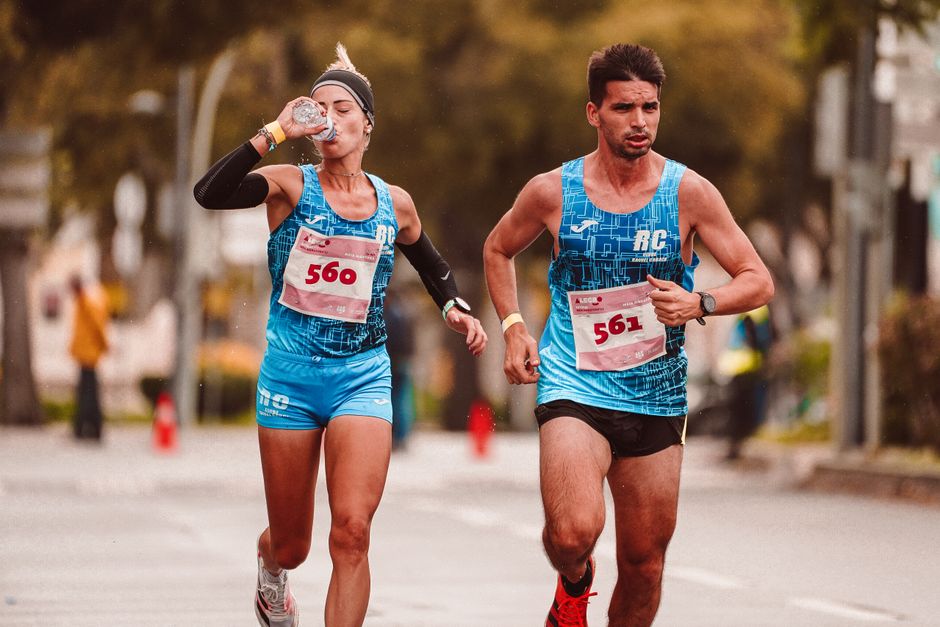
Why Sugar-Free Electrolyte Drinks Matter for Athletic Performance
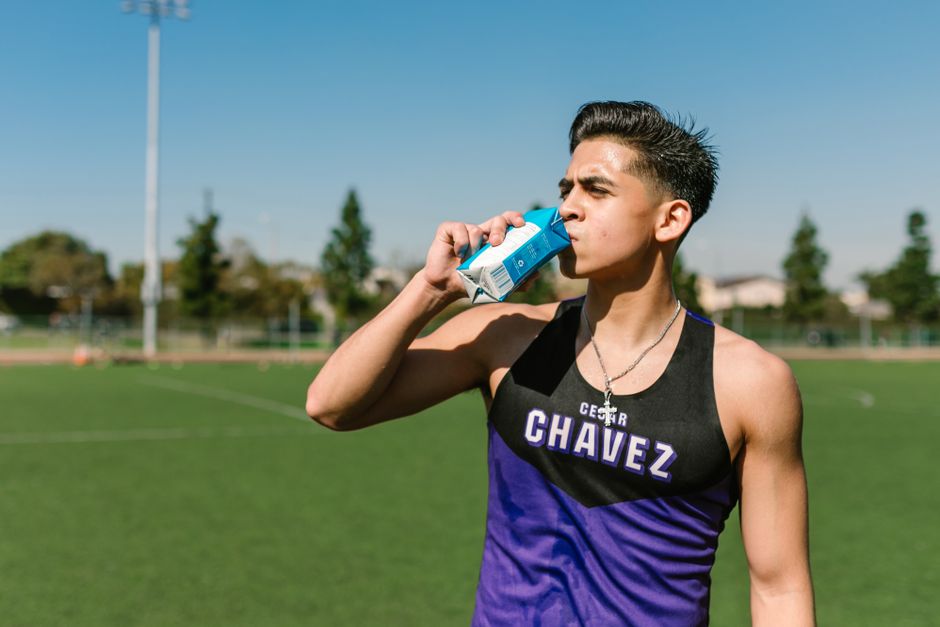
The best electrolyte drinks without sugar for athletes solve a problem that mainstream sports drinks have ignored for decades: loading your body with 34 grams of sugar mid-workout does more harm than good. That sugar spike triggers an insulin response that can cause energy to crash right when you need it most — usually around mile three or set four. For endurance athletes especially, that rollercoaster is a performance killer.
Sugar also feeds inflammation in overworked muscles. Research consistently links high-glycemic intake during intense exercise with elevated inflammatory markers, which means slower recovery and more soreness the next day. Athletes who train daily simply cannot afford that trade-off.
Keto, low-carb, and diabetic athletes have even less room for error. A single conventional sports drink can knock someone out of ketosis or spike blood glucose into a dangerous range. **Clean hydration** — water plus the right mineral profile, zero sugar — is not a niche preference anymore. It’s a performance standard.
Browse healthy nutrition guides for more fuel strategies that support consistent training.
—
Editor’s pick: sugar-free electrolyte powder packets — see current prices and reviews.
What Are Electrolytes and Why Athletes Lose Them Fast
Electrolytes are electrically charged minerals your body uses to regulate fluid balance, muscle contractions, and nerve signals. The four you lose through sweat are **sodium, potassium, magnesium, and chloride** — and during a hard 60-minute workout in warm weather, you can shed up to 2,000 mg of sodium alone. That’s a significant deficit your body cannot function well without.
Dehydration and electrolyte imbalance are not the same problem, though they often get lumped together. Drinking plain water when you’re electrolyte-depleted actually dilutes your blood sodium further — a condition called hyponatremia — which causes headaches, muscle cramps, fatigue, and serious brain fog. Water handles volume; electrolytes handle function.
Magnesium deserves special attention here. Most Americans are already mildly deficient in magnesium before they even lace up their shoes. Add an hour of HIIT or a long run, and **magnesium loss through sweat** accelerates sharply — contributing directly to the muscle cramps and post-workout exhaustion athletes blame on overtraining.
—
What to Look for on a Sugar-Free Electrolyte Drink Label
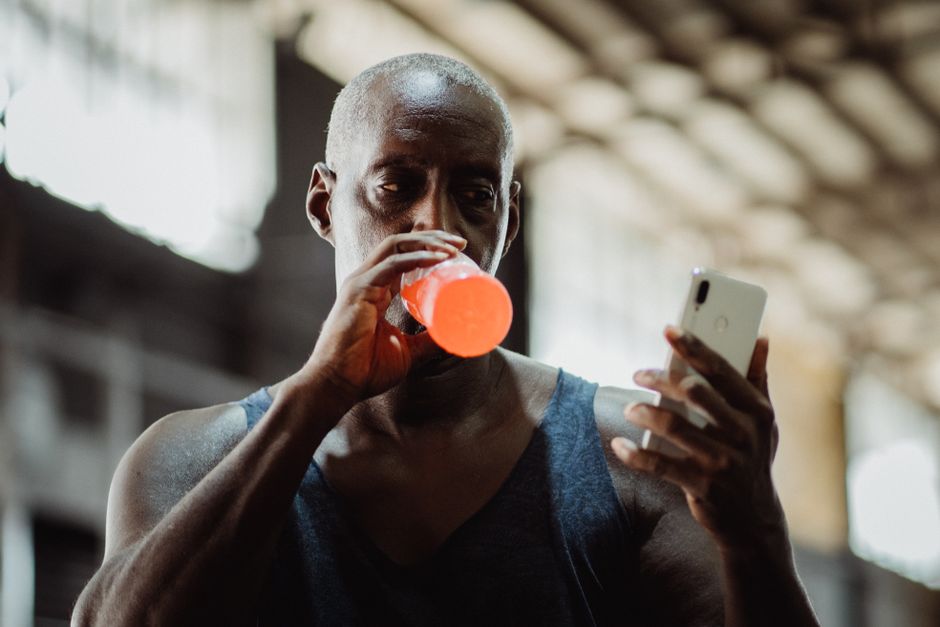
Not every product labeled “sugar-free” is actually clean. Watch for **maltodextrin, sucrose, dextrose, and glucose syrup** hiding in proprietary blends — these spike blood sugar just like table sugar despite the marketing language. “Natural flavors” is another catch-all phrase that sometimes masks sweetening agents.
For the mineral profile, look for these ranges per serving:
| Electrolyte | Minimum Effective Range | Endurance Target |
|---|---|---|
| Sodium | 200 mg | 500–1,000 mg |
| Potassium | 100 mg | 200–400 mg |
| Magnesium | 30 mg | 60–120 mg |
| Chloride | 100 mg | 300–500 mg |
For sweeteners, **stevia** and **monk fruit** are the cleanest options with no glycemic impact. Erythritol is generally well-tolerated but can cause GI distress in some athletes at higher doses — not ideal mid-race. Avoid products where sweeteners appear before minerals in the ingredient list, as that signals flavor is prioritized over function.
—
Homemade Sugar-Free Electrolyte Drink Recipes for Home Cooks
**Prep time:** 5 minutes | **Servings:** 1 (scale up for batch prep)
The most reliable base recipe uses ingredients you can find at any grocery store. Combine 16 oz of filtered water, ¼ tsp of **sea salt** (about 500 mg sodium), ⅛ tsp of **NoSalt or Nu-Salt** (potassium chloride, roughly 650 mg potassium), the juice of half a lemon, and a small pinch of **magnesium glycinate powder** if available. Sweeten with 2–3 drops of liquid stevia. That’s it — a complete electrolyte profile for under 15 cents per serving.
For a **citrus mint summer version**, add 4–5 muddled mint leaves and swap the lemon for fresh lime juice. This version is particularly refreshing for outdoor training in July and August when heat significantly increases sodium loss. The mint provides a perceived cooling effect that makes it easier to keep drinking during long sessions.
If you want a natural middle-ground option, replace half the water with **unsweetened coconut water**. This adds roughly 470 mg of potassium naturally and improves palatability. Note that coconut water adds 25–30 calories and about 6 grams of natural sugar per cup — not sugar-free, but significantly lower than commercial sports drinks and worth the trade-off for some athletes.
**Budget breakdown:**
- Homemade base recipe: ~$0.12 per serving
- Coconut water blend: ~$0.65 per serving
- Typical store-bought powder packet: $1.00–$2.50 per serving
—
Best Store-Bought Sugar-Free Electrolyte Options (Ingredient-Based Review)
Store-bought options break down into three main formats, each with real trade-offs. **Powder packets** are the most convenient and typically deliver the most concentrated mineral content per dollar. Look for packets with a sodium-to-potassium ratio of roughly 2:1 for general training — endurance athletes may want to skew higher on sodium.
**Liquid drops** are the most portable and easiest to add to any water bottle without changing flavor significantly. The downside is that many liquid drop formulas skip magnesium entirely to keep the product shelf-stable. If you rely on drops as your only electrolyte source, you may need to supplement magnesium separately.
**Effervescent tablets** dissolve quickly and are enjoyable to drink, but watch the ingredient list carefully. Many tablet formulas include citric acid combined with baking soda for the fizz — which is fine — but some also sneak in small amounts of dextrose to improve dissolution.
Format trade-offs at a glance:
- **Powder packets:** High mineral density, portable, cost-effective, may clump in humidity
- **Liquid drops:** Ultra-portable, flavorless, low magnesium content typical
- **Effervescent tablets:** Easy to use, enjoyable, higher cost per serving, check for hidden sugars
—
Sugar-Free Electrolyte Drinks for Specific Training Types
Different athletes have genuinely different electrolyte needs, and a one-size-fits-all approach leaves performance on the table. **Endurance runners and cyclists** training for 90 minutes or more need the highest sodium intake — up to 1,000 mg per hour in hot conditions. They also need a replenishment schedule, not just a single drink at the finish line. Sipping every 15–20 minutes is more effective than drinking large volumes infrequently.
**Strength and HIIT athletes** have shorter sessions but faster magnesium depletion relative to session length. High-intensity contractions burn through magnesium quickly, so a formula with 60–100 mg of magnesium per serving pays dividends in reduced post-workout cramping. Potassium matters here too — it’s directly involved in the muscle contraction-relaxation cycle.
For **morning fasted workouts**, electrolytes before coffee is a non-negotiable for many experienced athletes. Coffee is a diuretic that accelerates sodium loss, and training fasted already puts your body in a mild electrolyte deficit from overnight breathing and perspiration. A simple 8 oz serving of a low-sodium electrolyte drink before your first cup of coffee can meaningfully reduce early-session fatigue.
—
Ingredient Swaps and Budget-Friendly Substitutions
Not every pantry has specialty electrolyte powders, and that’s fine. **Morton Lite Salt** is one of the most underrated budget finds in sports nutrition — it’s a blend of sodium chloride and potassium chloride sold in every major grocery store for about $3.00 a container. One-quarter teaspoon delivers a near-ideal sodium-to-potassium ratio for most athletes.
For magnesium, **magnesium citrate powder** is cheaper than magnesium glycinate and dissolves more easily in drinks. The trade-off is that magnesium citrate has a stronger laxative effect at higher doses, so start with half a serving and build up. Glycinate is gentler on the stomach and worth the slight premium for athletes with sensitive digestion.
For natural flavoring without any sugar impact, these options work well:
- **Fresh citrus juice** (lemon, lime, orange) adds flavor and a small amount of natural potassium
- **Cucumber slices** infused overnight create a subtle, refreshing taste with zero calories
- **Fresh ginger** adds anti-inflammatory compounds and a spicy kick that masks the mineral taste
- **Mint leaves** cool perception and make electrolyte drinks feel more refreshing during hot workouts
Bulk buying electrolyte ingredients at Costco, Sam’s Club, or through Amazon Subscribe & Save can cut your per-serving cost by 40–60% compared to buying individual packets.
—
How Much Is Too Much: Electrolyte Dosing and Safety for Athletes
More is not always better with electrolytes, and this is one area where athletes need to pay attention. The tolerable upper intake level for sodium sits around **2,300 mg per day** for most adults — but active adults sweating heavily can safely exceed that during exercise. The key is matching intake to output, not just stacking sodium for insurance.
Potassium overdose from food and drink sources is rare in healthy individuals with functioning kidneys, but **hyperkalemia** (excess potassium) can cause irregular heartbeat and muscle weakness. Athletes with kidney disease or those taking potassium-sparing medications should consult a physician before using high-potassium electrolyte formulas.
Signs you may be over-supplementing electrolytes include:
- **Nausea or stomach cramping** shortly after drinking an electrolyte solution
- **Puffiness or bloating** from excess sodium causing water retention
- **Heart palpitations** or irregular pulse, which require immediate medical attention
- **Muscle weakness** or unusual fatigue despite adequate sleep and nutrition
When in doubt, a registered dietitian specializing in sports nutrition can calculate your personal sweat rate and build a custom electrolyte protocol. It’s a worthwhile investment for competitive athletes.
—
Meal Prep and Drink Prep: Batching Electrolyte Drinks for the Week
Batching your electrolyte drinks on Sunday saves time and removes the daily friction that causes athletes to skip hydration or reach for something less clean. The most efficient approach is making a **concentrated base** — about 4x the mineral content of a single serving mixed into 1 cup of water — then storing it in a sealed glass jar in the refrigerator. It keeps for up to 7 days.
When you’re ready to drink, pour 2 tablespoons of concentrate into 16 oz of fresh water and shake. This method works especially well with a small funnel and a set of labeled reusable bottles pre-portioned for morning, pre-workout, and post-workout use. Silicone ice cube trays are a great hack too — freeze the concentrate in cubes and drop one or two directly into a water bottle for a slow-release electrolyte effect during long workouts.
Pairing electrolyte timing with your meals amplifies recovery. A post-workout electrolyte drink alongside a meal containing protein and complex carbohydrates accelerates glycogen replenishment and muscle repair more effectively than either alone. Think of it as the liquid component of your recovery meal, not a separate event.
—
Common Myths About Sugar-Free Electrolyte Drinks
**Myth #1: You only need electrolytes for workouts over 60 minutes.** This rule of thumb was built around conventional sports drink marketing. In reality, morning fasted training, hot weather exercise, and high-sweat individuals can deplete electrolytes significantly in 30–45 minutes. Session length is one factor, not the only factor.
**Myth #2: Plain water is enough if you drink enough of it.** This is the most dangerous hydration myth in amateur athletics. Drinking large volumes of plain water without electrolytes actually dilutes blood sodium, worsening hyponatremia symptoms. Electrolytes help your body hold and use the water you’re drinking — without them, much of that water passes straight through.
**Myth #3: All natural sweeteners in sports drinks are equally safe.** Stevia, monk fruit, erythritol, xylitol, and allulose all behave differently in the body. Xylitol and erythritol can cause bloating and GI distress at exercise-relevant doses. Stevia and monk fruit remain the most consistently well-tolerated options for active use.
**Myth #4: More sodium always means better hydration.** Excess sodium without adequate fluid intake concentrates your blood, increasing thirst and putting strain on kidneys. Sodium improves hydration only when paired with enough water to support proper absorption and distribution.
—
Frequently Asked Questions (FAQ)
Q: Are sugar-free electrolyte drinks safe to drink every day?
A: For most healthy, active adults, yes — daily use is safe and often beneficial, especially for those who train consistently or live in hot climates. Sodium-sensitive individuals or those with high blood pressure should track their total daily sodium intake across food and drinks. Healthy kidneys handle normal electrolyte cycling without issue, but if you have a kidney condition, check with your doctor before making daily electrolyte drinks a habit.
Q: What is the best natural sugar-free electrolyte drink you can make at home?
A: The most effective homemade version combines 16 oz of water, ¼ tsp of sea salt, ⅛ tsp of NoSalt (potassium chloride), the juice of half a lemon, and a pinch of magnesium powder sweetened with liquid stevia. This costs roughly $0.12 per serving, covers all four major electrolytes, and takes under five minutes to prepare. Adjust salt levels up or down based on your sweat rate and workout intensity.
Q: Do sugar-free electrolyte drinks actually help with muscle cramps?
A: Yes, when the cramps are caused by electrolyte depletion — which covers the majority of exercise-related cramps. Magnesium and potassium are the most directly linked to muscle cramping, and replenishing them before and during exercise significantly reduces frequency. Timing matters: consuming electrolytes 30 minutes before a workout is more effective at preventing cramps than drinking them reactively after cramping starts.
Q: Can I use sugar-free electrolyte drinks for non-athletic purposes?
A: Absolutely. Electrolyte drinks serve anyone losing fluids — hikers, people working in hot environments, anyone dealing with illness-related dehydration. The mineral balance that supports athletic performance supports everyday hydration too. Just note that most formulas are calibrated for active adults, so sedentary individuals may want a lower-sodium version or half-strength dilution.
Top Product Recommendations
| Product Name | Rating | Key Feature | Est. Price | Action |
|---|---|---|---|---|
| Top-rated sugar-free electrolyte powder packets | ★★★★★ | Editor-recommended sugar-free electrolyte powder packets from this guide | $18–$42 | Check Lowest Price on Amazon |
| Best-value magnesium glycinate powder supplement | ★★★★☆ | Affordable magnesium glycinate powder supplement — strong everyday results | $12–$28 | Check Lowest Price on Amazon |
| Premium Morton Lite Salt potassium chloride | ★★★★☆ | Higher-end Morton Lite Salt potassium chloride for visible, lasting results | $45–$95 | Check Lowest Price on Amazon |
Affiliate Disclosure: This post contains affiliate links. We may earn a commission if you buy through our links, at no extra cost to you.
Leave a Reply