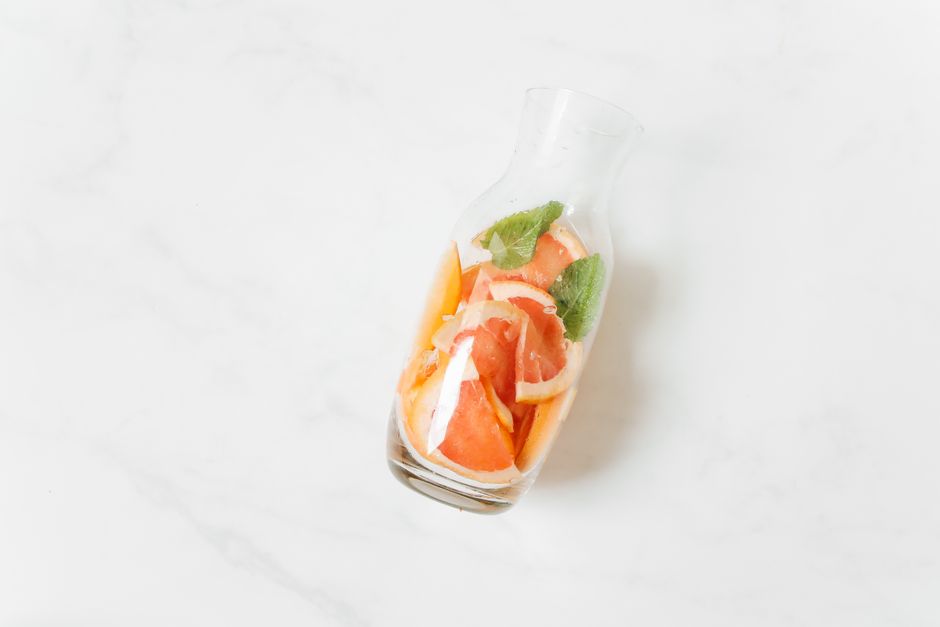
What Is Detox Water and Why Americans Are Drinking It Daily
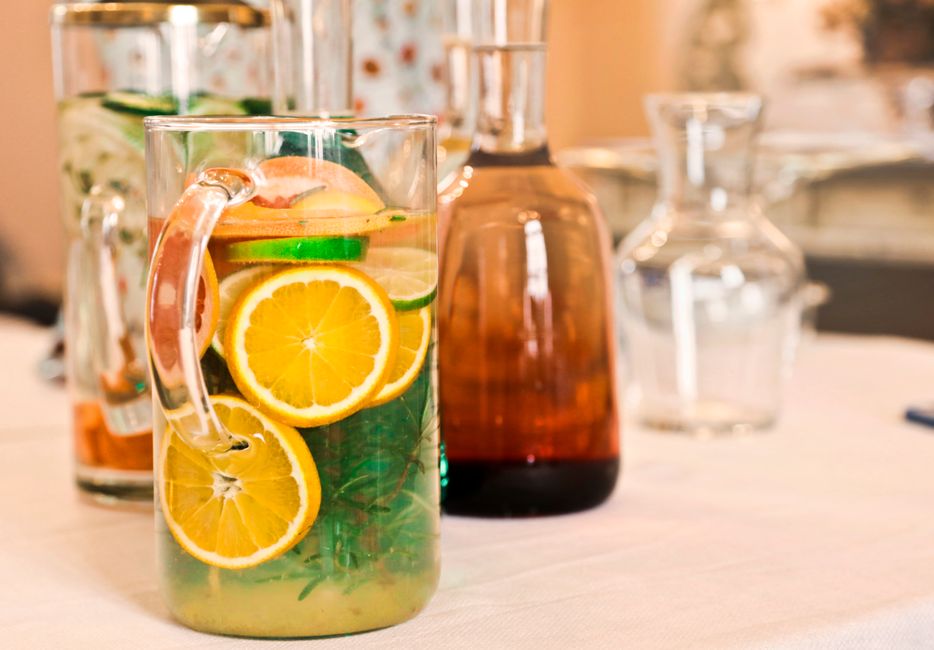
Detox water is simply water infused with fresh fruits, vegetables, and herbs—nothing more complicated than sliced cucumber, lemon wedges, or mint leaves steeping in your pitcher. Unlike juice cleanses that strip fiber and concentrate sugar, or supplement drinks loaded with proprietary blends, detox water keeps the whole fruit intact and adds subtle flavor to plain water. The infusion process releases vitamins, minerals, and natural oils into the water without the calorie load of smoothies or juices.
The real benefit is hydration motivation. Most Americans struggle to drink eight glasses of plain water daily, but add strawberries and basil, and suddenly that pitcher empties by lunchtime. **Infused water helps you meet hydration goals** by making water taste interesting without added sugar, artificial sweeteners, or caffeine. You get trace amounts of vitamin C from citrus, potassium from cucumber, and antioxidants from berries—bonus nutrients that support your regular diet.
What detox water cannot do is “flush toxins” or jumpstart weight loss overnight. Your liver and kidneys already filter waste products 24/7 without special drinks. Detox water won’t cleanse your colon, burn fat, or reverse last night’s pizza. It’s flavored hydration, not medicine. The weight loss some people experience comes from replacing sugary sodas and juices with zero-calorie infused water—a simple calorie swap, not metabolic magic.
Busy Americans choose detox water over $4 bottled drinks because it costs pennies per pitcher and takes five minutes to prep. You control the ingredients, skip the preservatives, and avoid the markup. A $2 lemon and a handful of mint make a week’s worth of infused water for less than one store-bought bottle.
Editor’s pick: detox — compare options and current availability.
The 5 Biggest Mistakes Beginners Make With Detox Water (And How to Avoid Them)
Using bruised or overripe produce creates bitter, undrinkable batches that taste like compost tea instead of refreshing hydration. Soft spots on strawberries or browning lemon slices release off-flavors and spoil faster in water. **Always inspect fruit before slicing**—firm texture and bright color mean better flavor and longer shelf life in your pitcher.
Over-infusing overnight seems convenient, but waking up to mushy fruit floating in cloudy water ruins the experience. Citrus peels turn bitter after 8-12 hours, cucumbers get slimy, and berries disintegrate into pulp. The sweet spot is 2-4 hours for most recipes, with a maximum overnight infusion only for hearty ingredients like apple slices or cinnamon sticks. Remove the fruit after 12 hours even if you plan to drink the water later.
Skipping the prep step—washing produce and removing certain peels—introduces pesticides, wax coatings, and dirt into your drinking water. Conventionally grown citrus often has wax applied to the peel, which doesn’t dissolve in water but affects taste. **Scrub citrus under warm water or peel it entirely** if using non-organic fruit. Cucumbers, apples, and berries need a quick rinse even if they look clean.
Expecting instant weight loss or “toxin removal” sets you up for disappointment and leads to abandoned pitchers in the back of the fridge. Detox water supports hydration and reduces liquid calorie intake—that’s it. If you’re hoping to lose five pounds by Friday or eliminate mysterious toxins, you’ll quit when the magic doesn’t happen. Treat it as flavored water that helps you drink more, not a cure-all elixir.
Wasting money on exotic ingredients like dragon fruit, acai, or edible flowers ignores the fact that pantry staples work just as well. A $6 pomegranate adds visual appeal but doesn’t hydrate you better than a $0.50 lemon. Save the Instagram-worthy ingredients for special occasions and build your daily habit around affordable, accessible produce.
Essential Ingredients Every US Kitchen Already Has for Detox Water
Citrus options—lemon, lime, and orange—form the backbone of most detox water recipes because they’re cheap, shelf-stable, and universally liked. Lemons add tartness without bitterness if you remove the seeds and slice thinly. Limes pack more punch per slice, perfect for tropical or spicy combinations. Oranges bring natural sweetness but release more pulp, so some people prefer removing the peel and using segments only.
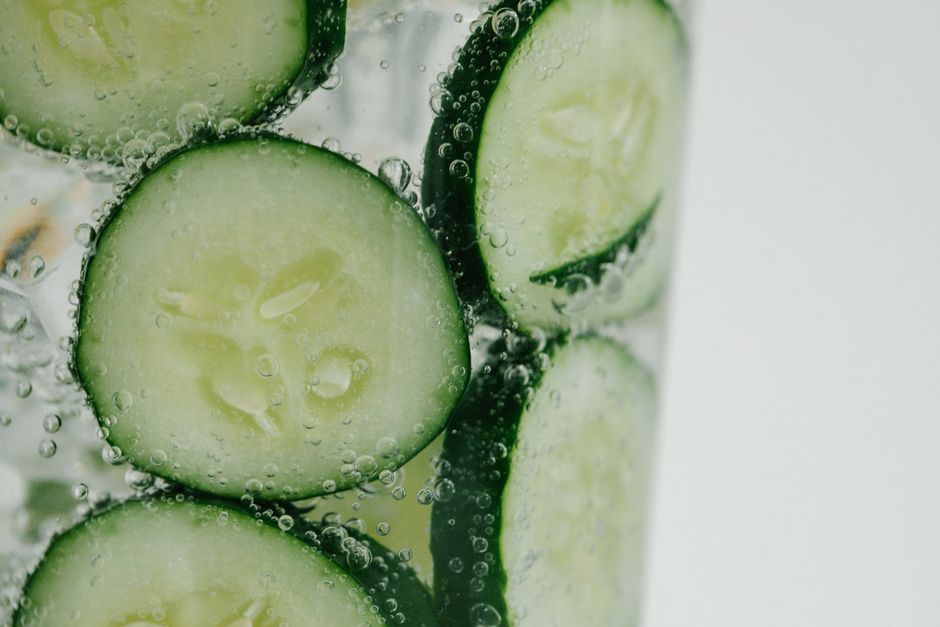
Cucumber is the hydration MVP that adds subtle flavor, stays crisp for 24+ hours, and pairs with everything from mint to strawberries. It’s 96% water, so it reinforces the hydration goal while adding a clean, refreshing taste. **Slice cucumber into thin rounds or long ribbons** for maximum surface area and faster infusion. English cucumbers have fewer seeds and thinner skins, making them ideal for leaving the peel on.
Fresh vs. dried herbs change the flavor intensity and prep method. Fresh mint leaves release oils quickly and stay vibrant for 4-6 hours before wilting. Basil adds an unexpected sweetness that pairs well with berries. Rosemary works best in small amounts—two sprigs per pitcher—because it’s potent and slightly medicinal. Dried herbs take longer to infuse and don’t look as appealing floating in your water, so stick with fresh when possible.
Berries on a budget means choosing frozen over fresh when strawberries cost $5 per pint. Frozen berries are picked at peak ripeness, flash-frozen, and often cheaper per pound than fresh. They thaw in the water and infuse just as well, though they may bleed more color. Fresh blueberries hold their shape best and add antioxidants without much flavor transfer. Raspberries disintegrate quickly, so use them for short infusions you’ll drink within 4 hours.
Ginger and turmeric offer anti-inflammatory compounds but require careful measurement to avoid overpowering the batch. **Start with a 1-inch knob of fresh ginger, peeled and sliced thin**, for a 2-quart pitcher. Too much creates a spicy, harsh flavor that masks other ingredients. Turmeric stains everything it touches—use sparingly (half-inch piece per pitcher) and pair with citrus and black pepper to enhance absorption.
8 Easy Detox Water Recipes for Different Goals (Taste, Energy, Digestion)
**Classic lemon-cucumber-mint** is the starter recipe that converts detox water skeptics. Slice one lemon and half a cucumber, add 10 fresh mint leaves, and fill a 2-quart pitcher with cold water. Refrigerate for 2 hours. This combination tastes clean and refreshing without being sweet, bitter, or medicinal. It’s the recipe to master before experimenting with bold flavors.
**Strawberry-basil refresh** brings natural sweetness without added sugar, perfect for people transitioning off soda. Halve 1 cup of strawberries, tear 8 basil leaves to release oils, and infuse for 3-4 hours. The basil adds an herbal note that keeps the flavor interesting without turning into dessert water.
**Apple-cinnamon fall blend** works as a warm spice infusion for cold-weather hydration. Slice one apple (leave the peel for nutrients and color), add two cinnamon sticks, and infuse for 4-6 hours. The apples stay firm longer than soft fruits, and the cinnamon adds warmth without sweetness. This one works at room temperature or chilled.
**Ginger-turmeric-orange** supports anti-inflammatory goals with bold citrus flavor to balance the spice. Use one sliced orange, a 1-inch piece of fresh ginger, and a half-inch piece of turmeric. Add a crack of black pepper (improves turmeric absorption). Infuse for 2-3 hours maximum—ginger gets stronger over time.
**Watermelon-mint summer cooler** leverages watermelon’s high water content for double hydration and kid-friendly taste. Cube 2 cups of watermelon, add 10 mint leaves, and infuse for 1-2 hours. This one doesn’t keep well overnight—the watermelon breaks down—so make it fresh and drink it the same day.
**Blueberry-lemon antioxidant boost** combines deep color and tart-sweet balance. Use 1 cup blueberries (fresh or frozen) and one sliced lemon. Muddle half the blueberries first to release juice and color, then add whole berries and lemon. Infuse for 3-4 hours. The color makes it visually appealing, and blueberries hold up better than raspberries.
**Pineapple-coconut tropical hydration** uses enzyme-rich pineapple with an optional coconut water base instead of plain water. Cube 1 cup fresh pineapple and infuse in coconut water for 2-3 hours. This one adds calories from the coconut water, so it’s technically not zero-calorie detox water, but it’s great for post-workout hydration when you need electrolytes.
**Raspberry-lime fizz** offers a still or sparkling water option for soda replacements. Muddle half a cup of raspberries with one sliced lime, then add to sparkling water right before drinking. Don’t infuse sparkling water ahead of time—it goes flat. This is an assemble-and-serve recipe that satisfies carbonation cravings without sugar or artificial sweeteners.
How to Prep and Store Detox Water Safely (Avoid Spoilage and Waste)
Cold vs. room temperature infusion changes timing and safety windows. **Cold infusion in the refrigerator takes longer**—2 to 4 hours for most fruits—but keeps bacteria growth minimal and extends shelf life. Room temperature infusion speeds up flavor release to 30-60 minutes but creates a safety risk if left out beyond 2 hours, especially with cucumber or melon.
Glass pitchers beat plastic bottles for both safety and flavor. BPA-free plastic is better than old-school plastic, but even BPA-free containers can transfer faint plastic taste to water, especially with acidic citrus. Glass doesn’t leach chemicals, doesn’t retain odors between batches, and looks better on the table. Wide-mouth glass pitchers make adding and removing fruit easier than narrow-neck bottles.
Maximum safe refrigeration time is 24-48 hours depending on ingredients. Citrus and cucumber last the full 48 hours. Berries start breaking down after 24 hours. **Remove all fruit after 12-24 hours** even if you plan to keep drinking the infused water for another day—the water retains flavor, and you avoid slimy produce. Strain the water into a clean container if you want to extend it to 48 hours.
When to muddle herbs vs. leave whole depends on how fast you want flavor and how much sediment you can tolerate. Muddling mint, basil, or berries releases oils and juices immediately, creating strong flavor in 1 hour instead of 3. But muddled herbs also release tiny particles that float in the water. For clear, elegant infusion, leave herbs whole. For maximum flavor and faster prep, muddle gently with a wooden spoon.
Reusing fruit for a second batch works only with hearty ingredients like apple slices, cinnamon sticks, or citrus wheels. Berries turn to mush, cucumber gets limp, and herbs lose all flavor after the first infusion. If you’re trying to save money, squeeze out citrus after the first batch to extract remaining juice, then compost it. Don’t expect a flavorful second round from soft fruits.
Budget-Friendly Detox Water Strategies for Weekly Meal Prep
Buying produce on sale and freezing prepped fruit cubes gives you instant infusion ingredients without waste. When strawberries drop to $2 per pound, buy extra, hull and slice them, then freeze in single-layer trays before transferring to freezer bags. **Drop frozen fruit directly into your pitcher**—no thawing needed—and it doubles as ice cubes that won’t dilute the water.
Herb garden basics turn a $3 weekly mint expense into a one-time $5 plant investment. Mint and basil thrive on a sunny windowsill in small pots, require minimal care, and regenerate faster than you can drink them. Snip what you need for each batch, and the plant keeps producing. Even people without green thumbs can keep mint alive—it’s nearly indestructible.
Bulk citrus vs. organic depends on how you use the peel. If you’re removing the peel entirely, conventional citrus saves money without compromising safety. If you’re leaving the peel on for oils and visual appeal, organic avoids pesticide residue and wax coatings. Costco and Aldi sell 5-pound bags of lemons for under $5, making bulk conventional citrus the budget winner.
Mason jar single-serve prep creates grab-and-go work bottles for under $2 each. Prep five 24-ounce jars on Sunday with pre-portioned fruit and herbs, fill with water each morning, and infuse during your commute. By the time you reach your desk, the water is flavored and ready. This beats buying $4 bottled detox drinks from the corner store five times a week.
Avoiding the $8 detox water trap at grocery stores and cafes requires a mindset shift: you’re paying for convenience and marketing, not better hydration. A bottled detox water at Whole Foods contains the same cucumber-lemon combination you can make for pennies. Save the expensive bottles for emergencies when you forgot your home batch, not as a daily habit.
Common Detox Water Questions: Taste Fixes and Ingredient Swaps
Why does my detox water taste watery or bland after one hour? You didn’t use enough fruit or you used the wrong ratio of ingredients to water. **The standard ratio is 1-2 cups of fruit per 2-quart pitcher**. If you’re adding three lemon slices to a gallon of water, it won’t taste like much. Double the fruit, muddle half of it, or give it more infusion time.
Can I use bottled lemon juice instead of fresh lemons? You can, but flavor suffers dramatically. Bottled lemon juice tastes flat and slightly metallic because it’s been pasteurized and stored in plastic. Fresh lemon adds brightness, essential oils from the peel, and visual appeal. If you’re trying to save time, buy pre-sliced lemons from the grocery store salad bar instead of bottled juice.
Sweetener debate: honey, stevia, agave, or skip it entirely? The entire point of detox water is zero-calorie hydration, so adding sweeteners defeats the purpose. If your water tastes too tart, you’re using too much citrus or not enough naturally sweet fruit like strawberries or watermelon. **Adjust the recipe instead of adding sugar**. If you absolutely need sweetness, a teaspoon of raw honey per quart is the least processed option, but try weaning yourself off sweeteners entirely.
Replacing hard-to-find ingredients keeps your habit sustainable when the recipe calls for pomegranate, dragon fruit, or lavender. Swap pomegranate with raspberries (similar color, tart-sweet flavor). Replace dragon fruit with kiwi or pineapple. Skip lavender entirely or use a tiny pinch of dried lavender from the spice aisle—fresh culinary lavender is hard to source and easy to overdo.
Carbonated detox water adds bubbles without losing infusion strength if you follow one rule: infuse in still water first, then add to sparkling water right before drinking. Don’t try to infuse fruit in carbonated water for hours—it goes flat. Make a concentrated infusion in 1 cup of still water, strain out the fruit, then mix with 3 cups of sparkling water. You get fizz and flavor.
How Detox Water Fits Into Your Daily Hydration Routine (No Hype, Just Habits)
Realistic hydration goals look like 64 ounces of plain water plus 16-32 ounces of infused water daily. Don’t try to replace all your water intake with detox water—your teeth will thank you for drinking some plain water, and you won’t get bored of the flavors. **Infused water is the treat that motivates you to drink enough plain water**, not a replacement for regular hydration.
Morning ritual: starting the day with room-temperature lemon water supports digestion and hydration after 8 hours of sleep. Slice half a lemon into a 16-ounce glass of room-temp water and drink it before coffee. Room temperature is gentler on your system first thing in the morning than ice-cold water. This jump-starts hydration before you’ve eaten anything.
Replacing afternoon soda cravings with fruit-infused fizzy water breaks the 3 PM vending machine habit. Prep a bottle of raspberry-lime sparkling water to drink at your desk instead of reaching for a Coke. The carbonation satisfies the fizz craving, and the fruit flavor gives your taste buds something interesting without 39 grams of sugar.
Post-workout hydration benefits from adding a pinch of sea salt to cucumber-lime water for electrolyte replacement. If you’ve been sweating for 60+ minutes, plain water isn’t enough—you need sodium to retain hydration. **A quarter teaspoon of sea salt per quart** replaces what you lost without the artificial colors and sweeteners in sports drinks.
Evening wind-down drinks should be caffeine-free herbal infusions that support sleep instead of energizing citrus blends. Try apple-cinnamon or watermelon-mint in the evening. Avoid ginger after 6 PM if you’re sensitive to stimulating spices. Sipping infused water in the evening keeps you hydrated without the sleep disruption of late-night caffeine.
Detox Water vs. Store-Bought
Top Product Recommendations
| Product Name | Rating | Key Feature | Est. Price | Action |
|---|---|---|---|---|
| Best Detox Pick | ★★★★★ | Top-rated overall | $25–$45 | Check Lowest Price on Amazon |
| Budget Detox Option | ★★★★☆ | Great for beginners | $12–$28 | Check Lowest Price on Amazon |
| Premium Detox Choice | ★★★★☆ | Pro-level results | $50–$90 | Check Lowest Price on Amazon |
Affiliate Disclosure: This post contains affiliate links. We may earn a commission if you buy through our links, at no extra cost to you.
Leave a Reply