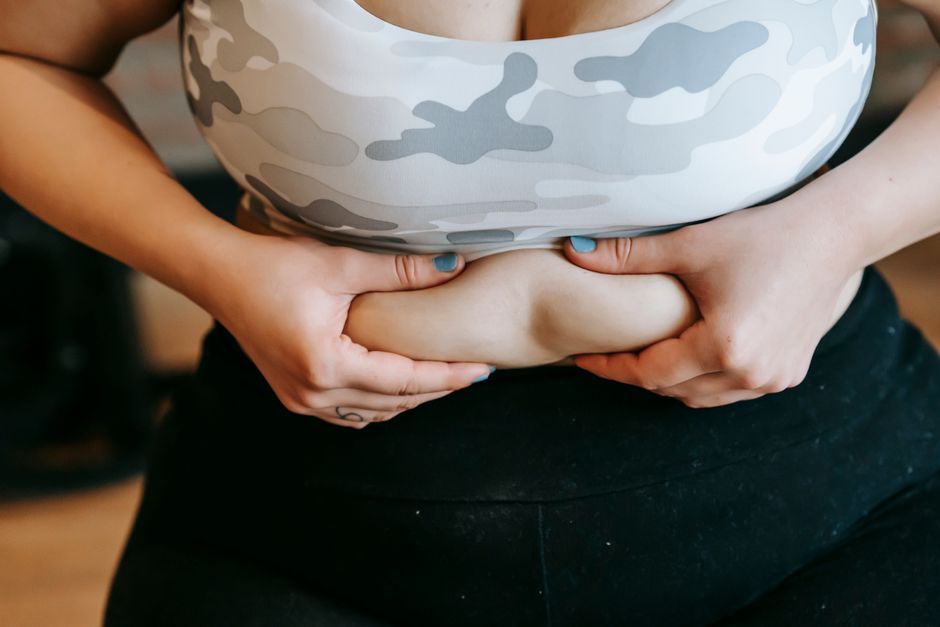
Pre-Workout Nutrition: Fueling Your Fat-Burning Engine
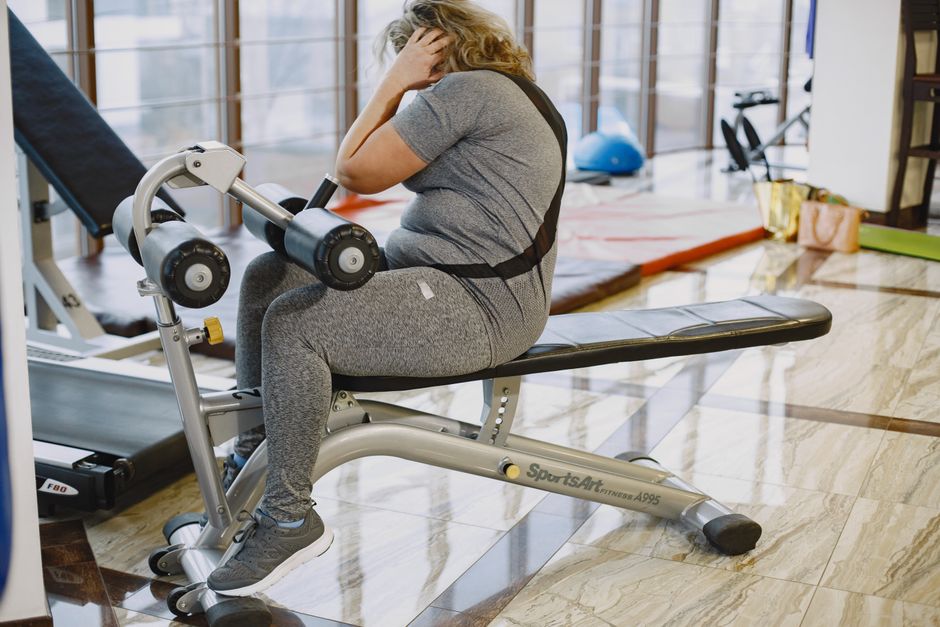
Timing your pre-workout meal correctly makes the difference between powering through your routine and hitting a wall halfway through. Eat **90 to 120 minutes before exercise** to give your body enough time to digest without causing cramping or sluggishness during core-focused movements. This window allows carbohydrates to convert into readily available energy while keeping your stomach comfortable during planks, crunches, and burpees.
For belly fat targeting workouts, aim for a **lighter carb load with moderate protein**—think a ratio of 2:1 or 3:1 carbs to protein. A banana with a tablespoon of almond butter delivers quick-digesting carbs and healthy fats totaling around 180 calories. Greek yogurt with a handful of berries provides protein and antioxidants in under 150 calories. Avoid heavy, fiber-rich meals or anything fried that sits in your stomach and causes bloating when you’re doing mountain climbers or bicycle crunches.
Hydration starts **two hours before your workout**. Drink 16 to 20 ounces of water to establish a baseline, then sip another 8 ounces about 20 minutes before you start. Skip carbonated drinks, dairy-heavy smoothies, and cruciferous vegetables like broccoli or cauliflower right before training—they all increase gas and make ab exercises uncomfortable.
Editor’s pick: whey protein powder — compare options and current availability.
Post-Workout Recovery Drinks: Maximizing Fat Loss While You Rest
The **30-minute post-workout window** is when your muscles are primed to absorb protein and begin repair. Consuming 20 to 30 grams of protein during this time supports muscle preservation, which is critical when you’re in a calorie deficit for fat loss. More muscle mass means a higher resting metabolic rate, helping you burn belly fat even while sitting at your desk.
You don’t need expensive pre-made shakes. Blend one cup of cottage cheese, a frozen banana, a handful of spinach, and a tablespoon of oats for a nutrient-dense recovery drink under 250 calories. Add a teaspoon of **matcha powder** for an extra metabolism boost—matcha contains catechins that support fat oxidation and provide a mild caffeine lift without jitters.
**Coconut water** is a natural electrolyte source with fewer than 50 calories per cup, replacing sodium and potassium lost through sweat without the added sugars found in commercial sports drinks. Avoid the trap of consuming a 400-calorie smoothie that negates the 300 calories you just burned. Keep recovery drinks simple, protein-focused, and under 250 calories to stay in your fat-loss zone.
Metabolism-Boosting Morning Beverages for Active Days
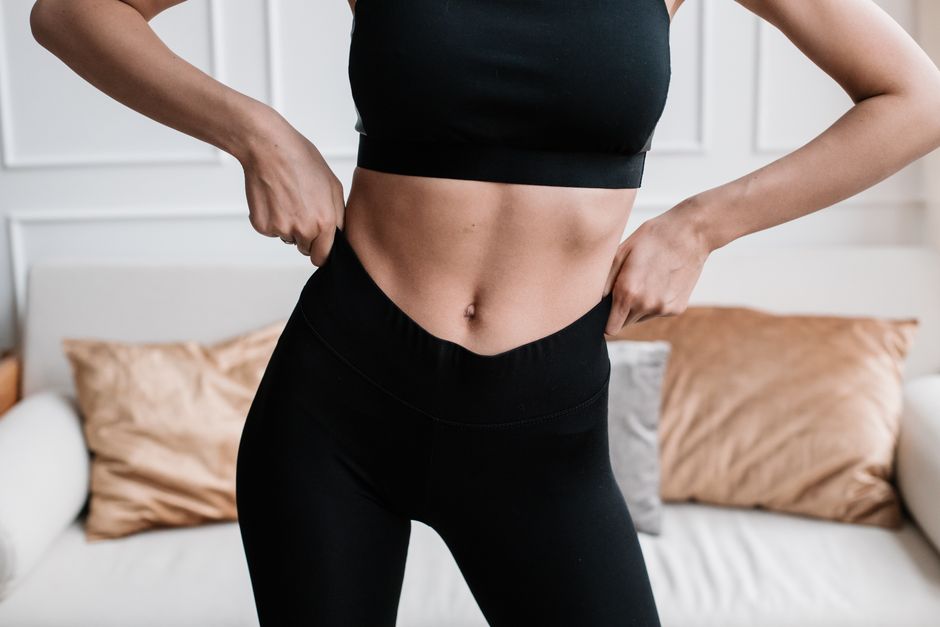
Starting your day with the right beverage sets the tone for fat-burning workouts. **Lemon water** won’t magically melt belly fat, but it does support hydration and may improve digestion when consumed first thing in the morning. Squeeze half a lemon into 12 ounces of warm water and drink it 20 minutes before breakfast to kickstart your system.
**Apple cider vinegar** has shown modest benefits for blood sugar regulation when diluted properly—mix one tablespoon in 8 ounces of water and drink it 15 minutes before meals. Never consume it undiluted, as the acidity can damage tooth enamel and irritate your esophagus. Time it away from your workout by at least an hour to avoid any stomach upset.
Coffee and **green tea** are proven performance enhancers. Caffeine increases fat oxidation during exercise and improves endurance, making your cardio sessions more effective. One to two cups of black coffee or green tea (which also contains metabolism-boosting EGCG) 30 to 60 minutes before your workout can elevate your calorie burn by 3 to 11 percent. A **ginger-turmeric shot**—blend fresh ginger, turmeric root, black pepper, and lemon juice—reduces inflammation and bloating after intense core work.
High-Protein Meal Prep for Belly Fat Loss Goals
Protein is your best ally when losing belly fat because it preserves muscle mass, increases satiety, and has a higher thermic effect than carbs or fats—your body burns more calories digesting it. Aim for **0.7 to 1 gram of protein per pound of body weight** daily, spread across four to five smaller meals to keep energy stable throughout the day.
Weekly meal prep saves time and money. Buy **bulk chicken breast, ground turkey, and eggs** from Costco or Sam’s Club, along with canned tuna and dried lentils for plant-based options. Grill or bake proteins on Sunday, portion them into containers with vegetables and a fist-sized serving of complex carbs, and refrigerate for the week. This strategy prevents the 6 p.m. panic that leads to drive-thru runs.
Quick high-protein recipes include scrambled eggs with spinach and salsa (ready in 10 minutes), turkey and black bean lettuce wraps, or Greek yogurt parfaits with chia seeds and walnuts. **Portion sizes matter**—a palm-sized serving of protein (about 4 ounces cooked) at each meal keeps you in a calorie deficit without feeling deprived or losing muscle.
Carb Cycling Around Your Workout Schedule
Carb cycling isn’t just for bodybuilders—it’s a practical tool for home exercisers trying to lose belly fat. The concept is simple: eat **more carbs on high-intensity workout days** to fuel performance, and fewer carbs on rest or low-activity days to encourage fat burning. This approach prevents metabolic slowdown while keeping you energized for tough training sessions.
On workout days, include a fist-sized portion of **sweet potato, brown rice, or quinoa** with your post-workout meal. These complex carbs replenish glycogen stores and support recovery. On rest days, replace those starches with extra vegetables and healthy fats like avocado or olive oil. You’re not eliminating carbs entirely—you’re strategically timing them.
For example, if you do HIIT training on Monday, Wednesday, and Friday, those are higher-carb days (around 150 to 200 grams). On Tuesday, Thursday, and weekends, drop to 75 to 100 grams of carbs, focusing on leafy greens, peppers, and zucchini. **Use your hand as a measuring tool**: one cupped palm of cooked grains equals roughly 30 grams of carbs. No food scale required.
Anti-Bloat Foods That Support Core Training
Bloating makes you look and feel heavier, especially around your midsection, and it can sabotage ab workouts by causing discomfort. Certain foods act as natural diuretics, helping your body shed excess water retention. **Asparagus, cucumber, and celery** are all high in water content and contain compounds that promote fluid balance.
Fermented foods introduce beneficial bacteria that improve gut health and reduce bloating. Add **kefir, sauerkraut, or kimchi** to your meals three to four times per week. A healthier gut microbiome supports better digestion, less gas, and improved nutrient absorption—all factors that contribute to a leaner midsection.
Cut back on sodium without losing flavor by using herbs and spices like garlic powder, cumin, paprika, and fresh cilantro. The average American consumes over 3,400 mg of sodium daily, well above the recommended 2,300 mg, leading to water retention that masks fat loss progress. **Avoid these foods within two hours of ab workouts**: dairy products (especially milk and ice cream), cruciferous vegetables like broccoli and Brussels sprouts, and carbonated beverages. Pineapple and papaya contain natural digestive enzymes—bromelain and papain—that help break down protein and reduce bloating after meals.
Supplement Drinks That Actually Support Workout Performance
**Whey protein powder** remains the gold standard for post-workout recovery because it’s quickly absorbed and contains all essential amino acids. A two-pound tub costs $25 to $40 at Walmart or Amazon and provides about 30 servings. Plant-based options like pea or brown rice protein work nearly as well and suit those avoiding dairy, though they may require slightly larger servings to match whey’s amino acid profile.
**BCAAs** (branched-chain amino acids) can reduce muscle soreness after intense core training, but they’re not essential if you’re already hitting your daily protein target through food and shakes. Save your money unless you train fasted in the morning—that’s when BCAAs provide the most benefit by preventing muscle breakdown.
**Collagen peptides** support joint health during high-impact cardio like jump squats and box jumps. Mix one scoop into your morning coffee or smoothie. As for pre-workout drinks, DIY options—black coffee with a pinch of sea salt and a teaspoon of honey—deliver caffeine and electrolytes without the jittery crash from overstimulating commercial blends. Skip supplements altogether if your budget is tight; whole foods always take priority over powders.
Hydration Strategies for Maximum Fat-Burning Results
Proper hydration directly impacts your workout performance and fat-burning capacity. A simple formula: drink **half your body weight in ounces daily**, plus an additional 16 to 24 ounces for every hour of exercise. If you weigh 180 pounds, that’s 90 ounces of baseline water plus extra for training days.
**Signs of under-hydration** include dark yellow urine, headaches, fatigue during workouts, and stubborn weight plateau despite a calorie deficit. Even 2 percent dehydration reduces strength and endurance, making your belly fat workouts less effective. Your body also retains water when chronically dehydrated, which ironically makes you look bloated.
Make water more appealing with infused recipes: **mint and cucumber**, strawberry and basil, or lemon and ginger. Prep a pitcher each morning and keep it in the fridge. During workouts longer than 45 minutes, sip water every 15 to 20 minutes rather than chugging large amounts. For sweaty sessions, add a **pinch of sea salt and a squeeze of lime** to your water bottle to replace electrolytes without added sugar. Post-workout, drink 16 to 24 ounces within an hour to support recovery.
Budget-Friendly Grocery List for Workout Nutrition
Eating to lose belly fat doesn’t require expensive organic superfoods. A smart **$50 weekly grocery list** includes bulk chicken breast or thighs ($12), dozen eggs ($3), Greek yogurt ($5), frozen mixed vegetables ($6), brown rice or oats ($4), canned black beans ($3), bananas ($2), peanut butter ($4), cottage cheese ($4), and a bag of spinach ($3). That leaves $4 for seasonings or a treat.
**Costco and Sam’s Club** offer the best value on proteins—10-pound bags of frozen chicken breast run about $20, or $2 per pound. Frozen vegetables retain nearly the same nutrients as fresh and never spoil, eliminating waste. Buy store-brand Greek yogurt instead of Chobani or Fage—it’s half the price with identical macros.
Generic protein powders from Walmart’s Equate line or Amazon’s house brands cost $15 to $20 and deliver the same 20 to 25 grams of protein per scoop as premium options. **Meal planning** is your secret weapon: write out five dinners on Sunday, shop only for those ingredients, and batch-cook grains and proteins. This eliminates the $12 Chipotle burrito that derails your calorie deficit.
Common Nutrition Mistakes That Sabotage Belly Fat Loss
The biggest mistake is **over-restricting calories** in an attempt to speed up fat loss. Dropping below 1,200 calories for women or 1,500 for men triggers metabolic adaptation, where your body conserves energy and burns fewer calories at rest. You feel exhausted, your workouts suffer, and fat loss stalls despite eating very little.
Many people adopt an “I earned it” mentality—rewarding a 400-calorie workout with a 700-calorie post-gym meal. This creates a **calorie surplus** instead of the deficit needed for fat loss. Track your intake honestly for one week using an app like MyFitnessPal to see where extra calories sneak in.
Another error is **not eating enough protein** while cutting calories. Without adequate protein (at least 0.7 grams per pound of body weight), you lose muscle along with fat, which slows your metabolism and leaves you with a “skinny fat” appearance. Liquid calories from smoothies, juices, and flavored coffee drinks add up fast—a Starbucks Frappuccino contains over 400 calories and 60 grams of sugar. Stick to black coffee, unsweetened tea, or plain water between meals. Finally, weekend binge cycles undo five days of disciplined eating. One cheat day with 3,000 extra calories erases most of your weekly deficit.
Frequently Asked Questions
Q: What should I drink before a belly fat workout to maximize results?
A: Drink **16 to 20 ounces of water two hours before** your workout, followed by 8 ounces about 20 minutes prior. For an extra boost, have a cup of black coffee or green tea 30 to 60 minutes before training—the caffeine increases fat oxidation and improves endurance. Avoid sugary drinks, dairy-based smoothies, or anything carbonated, as these cause bloating during core exercises.
Q: How much protein do I really need after ab exercises to see fat loss?
A: Consume **20 to 30 grams of protein within 30 minutes** after your workout to support muscle recovery and preservation. Good options include a scoop of whey protein mixed with water (25 grams), one cup of Greek yogurt (20 grams), or four ounces of grilled chicken (28 grams). Adequate post-workout protein helps maintain muscle mass, which keeps your metabolism elevated and accelerates belly fat loss over time.
Q: Can I lose belly fat with workouts if I don’t change my diet?
A: You cannot out-exercise a poor diet. While workouts create a calorie deficit and build muscle, **nutrition accounts for 70 to 80 percent of fat loss success**. A single fast-food meal can contain 1,200 calories—more than most hour-long workouts burn. To lose belly fat, you must combine consistent exercise with a calorie deficit of 300 to 500 calories daily through portion control, high protein intake, and eliminating liquid calories and processed foods.
Top Product Recommendations
| Product Name | Rating | Key Feature | Est. Price | Action |
|---|---|---|---|---|
| Top-rated whey protein powder | ★★★★★ | Editor-recommended whey protein powder from this guide | $18–$42 | Check Lowest Price on Amazon |
| Best-value coconut water electrolyte drink | ★★★★☆ | Affordable coconut water electrolyte drink — strong everyday results | $12–$28 | Check Lowest Price on Amazon |
| Premium matcha green tea powder | ★★★★☆ | Higher-end matcha green tea powder for visible, lasting results | $45–$95 | Check Lowest Price on Amazon |
Affiliate Disclosure: This post contains affiliate links. We may earn a commission if you buy through our links, at no extra cost to you. Medical Disclaimer: This content is for informational purposes only and is not medical advice. Consult a healthcare professional before changing diet or exercise.
Leave a Reply