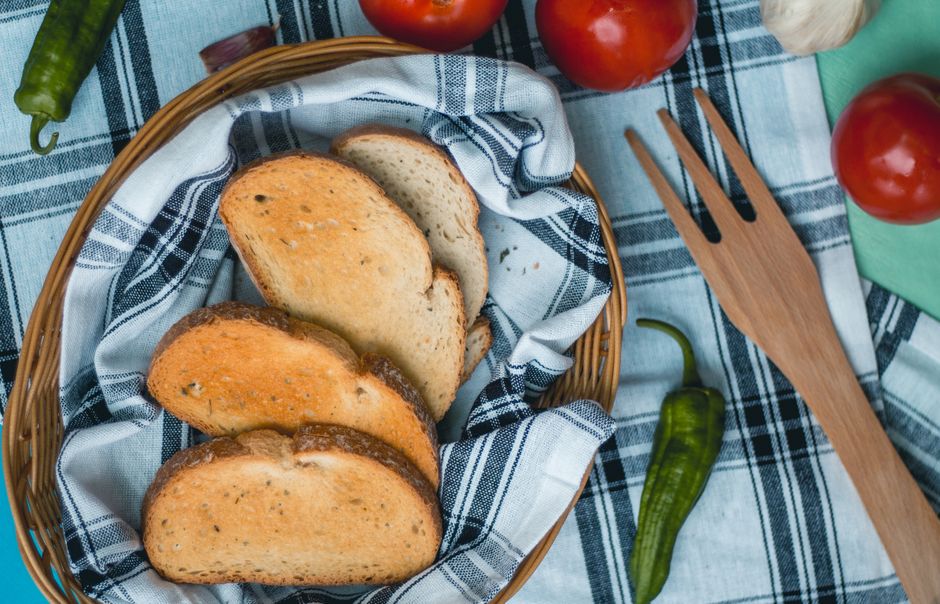
Why Most Keto Bread Falls Short (And What Changed in 2026)
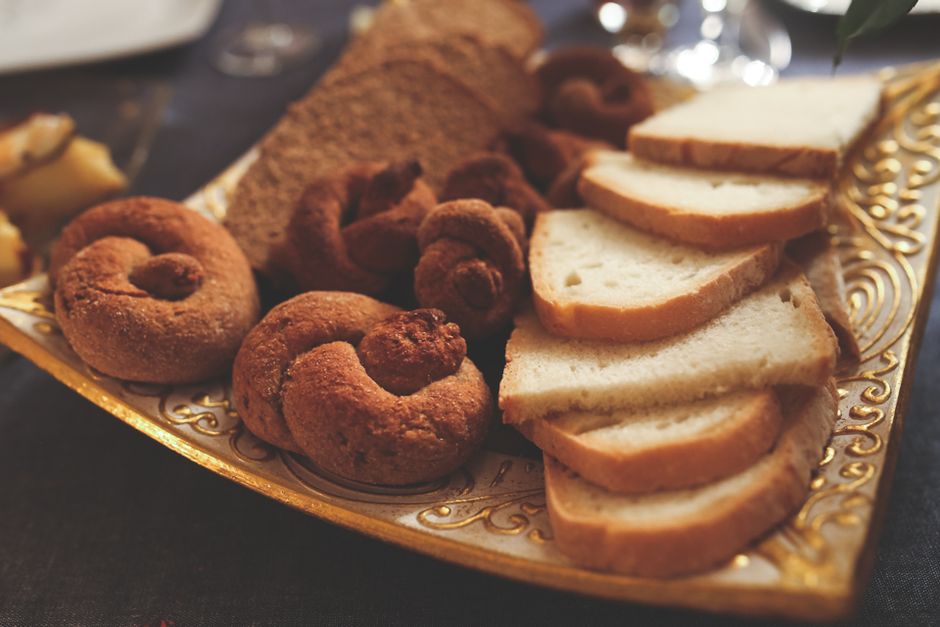
Early keto bread recipes earned a bad reputation for good reason. Dense bricks that crumbled apart, gummy centers that never fully cooked, or chalky aftertastes turned many low-carb eaters back to lettuce wraps. The problem wasn’t just missing gluten—it was that bakers tried to replace wheat flour one-to-one without understanding how different flours behave.
**Almond flour** creates a tender, cake-like crumb but lacks structure on its own. **Coconut flour** absorbs liquid like a sponge and can turn rubbery if you add too many eggs. Neither mimics the stretchy protein network that gluten provides in traditional bread. By 2026, formulators solved this by layering **psyllium husk powder** and **resistant wheat starch** to build that missing structure without adding digestible carbs.
Taste-test reality check: “bread-like” for keto means you won’t miss regular bread in a grilled cheese, not that it’s identical to sourdough. Most keto loaves have a slightly denser texture and mild nutty flavor. Price-wise, homemade keto bread costs about $0.60 per slice when buying almond flour in bulk, while premium store-bought brands run $1.20 to $1.80 per slice.
Editor’s pick: blanched almond flour baking — compare options and current availability.
Top Ingredient Swaps That Make or Break Keto Bread
**Xanthan gum** and **guar gum** both act as binders, but xanthan creates a chewier texture that works better in sandwich bread. Use just ½ teaspoon per loaf—too much makes the crumb gummy. Guar gum is gentler on digestion if xanthan bothers your stomach, but it produces a slightly softer, less structured loaf.
**Egg white protein powder** (unflavored) is a game-changer when you want more rise without adding whole eggs. Two tablespoons replace one egg white and boost structure without the eggy smell. This trick works especially well in rolls and bagels where you need height.
**Apple cider vinegar** isn’t just for flavor. When combined with baking soda, it creates an acid-base reaction that helps keto dough rise—critical since there’s no yeast feeding on sugar. One tablespoon per loaf is the sweet spot. Room-temperature eggs and almond milk blend more evenly into the batter, preventing dense pockets that won’t cook through.
Store-Bought Keto Bread Options Worth Your Money

Nutrition labels tell the real story. Look for **net carbs under 2g per slice**, with fiber coming from real sources like oat fiber, wheat protein isolate, or chicory root—not just “modified wheat starch” that may spike blood sugar in some people. Watch for hidden sugars disguised as maltitol or tapioca starch in the first five ingredients.
Texture varies wildly across brands. Some mimic soft white bread but turn soggy within hours of opening. Others have a hearty, seeded texture that holds up to thick spreads and grilling. Shelf life matters for meal prep: vacuum-sealed keto bread lasts 2–3 months frozen without freezer burn if you double-wrap it.
Price reality: premium keto bread runs $8 to $11 per loaf (10–12 slices) at US grocery stores. That’s $0.75 to $1.10 per slice, versus $0.20 for regular bread. For daily sandwich eaters, the monthly cost difference is $30 to $50. **Best uses by type**: soft sandwich bread for cold cuts, dense bagels for cream cheese and lox, English muffins for breakfast sandwiches.
Homemade Keto Bread Recipe That Rises Like Real Bread
**Ingredients** (makes one 9×5-inch loaf, about 16 slices):
- 2 cups **blanched almond flour** (not almond meal—too coarse)
- ¼ cup **coconut flour**
- ¼ cup **psyllium husk powder** (whole, not ground flakes)
- 2 tablespoons **resistant wheat starch** or oat fiber
- 1 tablespoon **baking powder** (aluminum-free tastes cleaner)
- 1 teaspoon **sea salt**
- 1 teaspoon **xanthan gum**
- 6 large **eggs**, room temperature
- ¼ cup **melted butter** or avocado oil
- ¼ cup **warm water** (100–110°F)
- 1 tablespoon **apple cider vinegar**
**Step-by-step instructions**: Preheat oven to 350°F. Line a 9×5-inch loaf pan with parchment paper, leaving overhang on the sides for easy removal. Whisk all dry ingredients in a large bowl until no clumps remain—this prevents psyllium from forming gel balls.
In a separate bowl, whisk eggs until frothy, then add melted butter, warm water, and vinegar. Pour wet ingredients into dry and stir with a spatula just until combined. The batter will be thick and sticky—that’s correct. Let it rest 2 minutes to let psyllium absorb liquid and thicken further.
Transfer batter to the prepared pan and smooth the top with a wet spatula. **Bake 50–60 minutes** until the top is golden brown and a toothpick inserted in the center comes out clean. Internal temperature should reach 205°F. Cool in the pan 10 minutes, then lift out using the parchment overhang and cool completely on a wire rack before slicing—cutting warm keto bread guarantees crumbles.
**Storage**: Room temperature in an airtight container for 3 days, refrigerated for 7 days, or frozen up to 3 months. Slice before freezing and separate slices with parchment for easy grab-and-go.
Toasting, Grilling, and Cooking Tips for Keto Bread
Keto bread toasts faster than wheat bread because of its higher fat content. Set your toaster to medium or the edges will blacken before the center crisps. For even browning, lightly brush both sides with **melted butter or avocado oil** before toasting in a skillet over medium heat.
**French toast** works beautifully with keto bread—the custard soaks in without making it soggy. Use a mix of heavy cream and egg, plus vanilla extract and cinnamon. Cook over medium-low heat to avoid burning the outside while the inside stays raw.
Grilled cheese needs a two-step approach: butter the outside, start in a cold pan, then turn heat to medium-low. This gives the cheese time to melt before the bread burns. For **croutons**, cube day-old keto bread, toss with olive oil and garlic powder, and bake at 325°F for 15 minutes, stirring halfway.
Reheating refrigerated slices: 10 seconds in the microwave between damp paper towels restores moisture without making it rubbery. Or wrap in foil and warm in a 300°F oven for 5 minutes.
Budget-Friendly Keto Bread Strategies for Weekly Meal Prep
**Bulk buying** almond flour from Costco or Sam’s Club cuts the per-pound cost by 40% versus grocery stores. A 3-pound bag runs $12–15 and makes about 6 loaves. **Psyllium husk powder** is cheapest at Indian grocery stores (sold as Isabgol) or online in 1-pound bags for $10–12, enough for 15+ loaves.
Batch-bake two loaves on Sunday, slice and freeze one immediately, keep one refrigerated for the week. This gives you 32 slices for $12 in ingredients ($0.38 per slice), versus $32 for two store-bought loaves. Label freezer bags with the bake date and type (plain, seeded, garlic).
**Subscription bread services** cost $30–40 monthly for weekly deliveries, convenient but triple the DIY price. Repurpose **stale keto bread** into breadcrumbs: pulse in a food processor, spread on a baking sheet, and toast at 300°F until dry. Store in an airtight container for 2 months—perfect for meatballs, casserole toppings, or breading chicken.
Ingredient shelf life: almond flour stays fresh 6 months refrigerated, 12 months frozen. Psyllium husk lasts 2 years in a cool, dark pantry.
Flavor Variations: Garlic, Herbs, and Seed-Topped Keto Loaves
Add **2 teaspoons garlic powder** and **1 tablespoon Italian seasoning** to the dry ingredients for a savory loaf that pairs with pasta dishes or soups. For everything bagel flavor, mix 2 tablespoons of **sesame seeds, poppy seeds, dried minced garlic, and dried onion flakes**, then press into the top of the loaf before baking.
**Sunflower seeds, pumpkin seeds, and flax seeds** add crunch and healthy fats. Fold ¼ cup into the batter or press them into the top before baking. Seeds toast as the bread bakes, adding nutty flavor.
For **cinnamon-sweetened breakfast bread**, add 2 teaspoons cinnamon and 2 tablespoons erythritol or monk fruit sweetener to the dry mix. This version makes exc nt French toast or pairs with cream cheese and sugar-free jam.
**Cheese-infused loaves** work for burger buns or dinner rolls: fold in 1 cup shredded sharp cheddar or Parmesan after mixing the batter. The cheese melts into pockets throughout the bread and creates a golden, crispy crust.
Common Keto Bread Mistakes and How to Fix Them
A **sunken center** means the loaf rose too fast then collapsed. This happens when oven temperature is too high (over 375°F) or you used too much baking powder. Stick to 350°F and measure baking powder with a level tablespoon, not heaping.
**Too much moisture** creates a gummy texture that never fully sets. Reduce the water by 2 tablespoons if you live in a humid climate, or add an extra tablespoon of coconut flour to absorb excess liquid. Let the batter rest 5 minutes before baking so psyllium fully hydrates.
**Eggy smell or taste** comes from using too many eggs or under-baking. If your loaf needs 6+ eggs, add 1 teaspoon vanilla extract or ½ teaspoon almond extract to mask the smell. Bake until the internal temperature reaches 205°F—undercooked keto bread smells strongly of eggs.
**Crumbly slices** mean not enough binding. Make sure you’re using psyllium husk **powder**, not whole flakes, and add xanthan gum. Also, let the loaf cool completely before slicing—cutting warm bread breaks the structure.
**Uneven browning**: if the top browns too fast, tent with foil after 30 minutes. If the bottom burns, move the oven rack up one level or place a baking sheet on the rack below to diffuse heat.
Keto Bread for Special Diets: Nut-Free, Dairy-Free, and Egg-Free Options
**Sunflower seed flour** replaces almond flour for nut-free keto bread. Use the same amount, but add 1 extra teaspoon of baking powder and 1 tablespoon of lemon juice to prevent the loaf from turning green (a harmless reaction with baking soda). The flavor is earthier and slightly bitter compared to almond flour.
**Flax eggs** (1 tablespoon ground flax + 3 tablespoons water per egg) work in keto bread, but the texture is denser and more fragile. Use flax eggs for no more than half the eggs in a recipe, and add 2 tablespoons of egg white protein powder to compensate for lost structure.
For **dairy-free fat**, swap butter with coconut oil, avocado oil, or olive oil in equal amounts. Coconut oil adds a subtle tropical flavor; avocado oil is neutral. Olive oil works in savory breads with garlic and herbs.
**Removing multiple allergens** creates texture trade-offs. A nut-free, egg-free keto bread will be more fragile and less bread-like than a standard recipe. **Fortify with collagen peptides** (2 tablespoons per loaf) to add protein and improve structure without eggs or nuts.
Pairing Keto Bread with Low-Carb Spreads and Fillings
**Nut butters** like almond butter, cashew butter, or macadamia nut butter provide healthy fats and protein. Choose versions with no added sugar—just nuts and salt. **Seed butters** (sunflower, pumpkin) are nut-free alternatives with similar macros.
**Sugar-free jams** made with chia seeds and berries keep net carbs under 2g per tablespoon. Smashed avocado with salt, pepper, and red pepper flakes is a savory option with 7g fat per half avocado. **Cream cheese** (plain or flavored with chives, garlic, or jalapeño) spreads easily on toasted keto bread.
**Sandwich protein ideas**: sliced turkey, roast beef, rotisserie chicken, tuna salad with mayo, or egg salad. For vegetarian options, use thick slices of mozzarella, goat cheese, or marinated tofu.
**Veggie add-ins** that won’t make bread soggy: lettuce, arugula, cucumber slices (pat dry first), roasted red peppers (drained), pickles, and radish slices. Quick **open-face toast combos**: mashed avocado + everything bagel seasoning, cream cheese + smoked salmon + capers, or ricotta + sliced strawberries + cinnamon.
Keto Bread and Blood Sugar: What the Data Says
Keto bread made with **almond flour and psyllium husk** typically causes a minimal blood sugar rise—under 10 mg/dL for most people. **Resistant wheat starch** is designed to pass through the small intestine undigested, but some individuals still see a glucose response. Continuous glucose monitors show this varies widely based on gut bacteria and individual metabolism.
Test your own reaction if you’re concerned: eat two slices of keto bread on an empty stomach and check blood glucose at 30, 60, and 90 minutes. A spike over 30 mg/dL suggests that particular brand or recipe doesn’t work for your body.
**Timing matters**: eating keto bread around workouts may blunt any minor glucose rise as muscles pull sugar from the bloodstream. Combining bread with protein (eggs, cheese, meat) and fat (butter, avocado) flattens the glucose curve compared to eating bread alone.
**Net carb labels** are calculated by subtracting fiber and sugar alcohols from total carbs. This math works for most people, but some fibers (like IMO, isomalto-oligosaccharides) can raise blood sugar. Stick with brands that list **oat fiber, wheat protein isolate, or psyllium** as their fiber sources.
Shopping List and Pantry Setup for Regular Keto Bread Baking
**Essential dry ingredients** to keep stocked:
- Blanched almond flour (5-pound bag, refrigerated)
- Coconut flour (16-ounce bag, pantry)
- Psyllium husk powder (1-pound bag, pantry)
- Resistant wheat starch or oat fiber (1-pound bag, pantry)
- Xanthan gum (8-ounce bag, pantry—lasts years)
- Baking powder (aluminum-free, 10-ounce can)
- Sea salt, monk fruit sweetener, spices
**Affordable online retailers**: Amazon (subscribe & save for 15% off), Nuts.com (bulk flours), Anthony’s Goods (clean-label keto flours), Thrive Market (members-only discounts).
**Small kitchen tools**: digital kitchen scale (for precise measuring), silicone spatula (batter is sticky), whisk, parchment paper, and a 9×5-inch metal loaf pan. A **serrated bread knife** makes clean slices without squashing the loaf.
**Bread pans and liners**: parchment paper prevents sticking better than greasing the pan. Silicone loaf pans work but extend baking time by 5–10 minutes. Metal pans conduct heat more evenly.
**Labeling your freezer stash**: use a permanent marker to write the bread type and bake date on freezer bags. Rotate stock so older loaves get used first. A half-sheet pan in the freezer keeps bags flat and organized.
Frequently Asked Questions
Does keto bread actually keep you in ketosis?
Yes, if the net carbs per serving fit within your daily carb limit (typically 20–50g total). Most keto bread has 1–3g net carbs per slice. Eating two slices (2–6g net carbs) leaves room for vegetables and other foods while staying in ketosis. However, individual tolerance varies—some people need to stay under 20g total carbs, while others can handle 50g. Test your ketone levels with urine strips or a blood meter after adding keto bread to confirm you’re still in ketosis. Ingredients like resistant starch and sugar alcohols don’t affect ketosis for most people, but if you stall, try eliminating keto bread for a week to see if it’s the cause.
Can I use keto bread every day without stalling weight loss?
Most people can eat keto bread daily without stalling weight loss, but portion control matters. Two slices per day (200–250 calories, depending on recipe) fits easily into a 1,500–2,000 calorie keto diet. Problems arise when people overeat keto bread because it’s “allowed”—eating half a loaf adds 800+ calories. Some individuals are sensitive to certain fibers or resistant starches in commercial keto bread and experience bloating or water retention that masks fat loss on the scale. If your weight stalls for more than two weeks while eating keto bread daily, try switching to homemade versions with simpler ingredients, or replace bread with lettuce wraps and vegetable sides for a week to see if it breaks the plateau.
What’s the best keto bread for sandwiches that won’t fall apart?
Look for keto bread with **wheat protein isolate, psyllium husk, or egg whites** high in the ingredient list—these create structure. Avoid brands that rely heavily on coconut flour alone, which crumbles easily. Homemade keto bread with xanthan gum and psyllium holds together better than most store-bought options. For sandwiches, **toast the bread lightly** even if you’re eating it cold—toasting firms up the structure. Use spreads like mayo, mustard, or cream cheese as a moisture barrier between the bread and wet fillings like tomatoes or pickles. Assemble sandwiches just before eating rather than making them hours ahead, and wrap tightly in parchment paper or foil to hold everything together.
How long does homemade keto bread stay fresh?
Homemade keto bread stays fresh **3 days at room temperature** in an airtight container, **7 days refrigerated**, or **3 months frozen**. The high fat content (from almond flour and eggs) means it can go rancid faster than wheat bread, especially in warm climates. Refrigeration extends shelf life but can dry out the texture—toast slices to restore moisture. For best results, slice the entire loaf after it cools, then freeze individual slices separated by parchment paper in a freezer bag. Thaw slices at room temperature for 20 minutes or toast directly from frozen. Vacuum-sealing before freezing prevents freezer burn and keeps bread fresh up to 6 months.
Top Product Recommendations
| Product Name | Rating | Key Feature | Est. Price | Action |
|---|---|---|---|---|
| Top-rated blanched almond flour baking | ★★★★★ | Editor-recommended blanched almond flour baking from this guide | $18–$42 | Check Lowest Price on Amazon |
| Best-value psyllium husk powder keto | ★★★★☆ | Affordable psyllium husk powder keto — strong everyday results | $12–$28 | Check Lowest Price on Amazon |
| Premium xanthan gum low carb | ★★★★☆ | Higher-end xanthan gum low carb for visible, lasting results | $45–$95 | Check Lowest Price on Amazon |
Affiliate Disclosure: This post contains affiliate links. We may earn a commission if you buy through our links, at no extra cost to you.
Leave a Reply