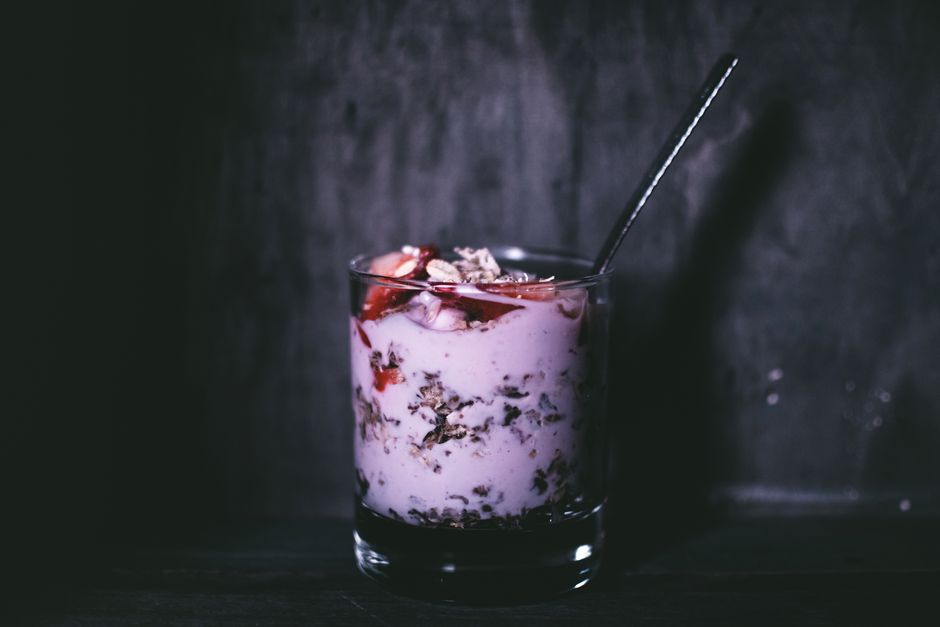
What Are Probiotic Drinks and Why They Matter for Gut Health

Probiotic drinks contain **live bacterial cultures** that survive fermentation and reach your digestive system intact. Unlike pasteurized beverages or supplements with dead cultures, these living microorganisms colonize your gut and support the balance of your microbiome. The key difference lies in the fermentation process—traditional methods preserve active strains like Lactobacillus and Bifidobacterium that actually work.
These fermented beverages do more than aid digestion. They strengthen your immune response, reduce inflammation, and even influence your mental clarity through the **gut-brain axis**. Research shows that a healthy gut microbiome produces neurotransmitters like serotonin, affecting mood and energy levels throughout the day.
Millions of Americans struggle with bloating, irregular bowel movements, and irritable bowel syndrome (IBS). Probiotic drinks offer a whole-food solution that often outperforms isolated pill supplements. The liquid format delivers beneficial bacteria alongside enzymes, organic acids, and nutrients that work synergistically—something capsules can’t replicate.
Editor’s pick: kombucha starter kit SCOBY — compare options and current availability.
Top Probiotic Drink Types You Can Buy or Make at Home
**Kombucha** leads the market with its tangy, slightly effervescent profile. This fermented tea contains multiple probiotic strains and comes in flavors from ginger-lemon to berry blends. Watch for sugar content—some brands add excessive sweeteners that counteract health benefits. Home brewing lets you control sweetness and fermentation time.
**Kefir** offers the highest probiotic diversity among common drinks. Dairy versions taste like drinkable yogurt with a tart kick, while coconut and oat-milk alternatives serve lactose-intolerant consumers. Each serving typically contains 10-40 billion CFUs across dozens of bacterial strains, making it more potent than most kombuchas.
Lesser-known options include **kvass**, a beet-based Eastern European drink with earthy sweetness, and **drinking vinegars** (shrubs) that blend apple cider vinegar with fruit juice. Grocery stores now stock ready-to-drink probiotic sodas that mimic soda flavor profiles while delivering live cultures. Check labels carefully—many “probiotic” marketing claims are attached to pasteurized products with zero living bacteria.
How to Choose the Best Probiotic Drink for Your Needs

CFU counts (colony-forming units) range from 1 billion to over 50 billion per serving. Higher numbers don’t automatically mean better results—**strain diversity** matters more than raw CFU totals. Look for drinks listing specific strains like Lactobacillus rhamnosus GG or Bifidobacterium lactis, which have documented digestive benefits.
Sugar content creates a real trade-off. Fermentation requires sugar to feed bacteria, but excessive residual sugar spikes blood glucose and feeds harmful gut bacteria. Aim for drinks with 2-6 grams of sugar per serving. Kombucha naturally contains some sugar after fermentation; zero-sugar versions often use artificial sweeteners that may disrupt gut flora.
**Refrigerated products** maintain higher potency than shelf-stable options. Live cultures slowly die at room temperature, so bottles sitting on unrefrigerated shelves for months have diminished probiotic content. Read ingredient lists carefully—avoid products listing “probiotic” after pasteurization, which kills all beneficial bacteria. Legitimate probiotic drinks clearly state they contain live and active cultures.
Homemade Probiotic Drinks: Recipes for Budget-Conscious Kitchens
Basic **kombucha** requires only black tea, sugar, water, and a SCOBY (symbiotic culture of bacteria and yeast). Brew 3-4 cups of strong black tea, dissolve ¾ cup sugar, cool to room temperature, and add to a gallon jar with your SCOBY and 1-2 cups starter liquid. Cover with cloth, ferment 7-14 days at room temperature, then bottle for a second ferment with fruit juice or ginger.
**Water kefir** works without dairy using kefir grains, sugar water, and dried fruit. Dissolve ¼ cup sugar in 4 cups warm water, cool completely, add water kefir grains and 2-3 dried figs or dates. Ferment 24-48 hours, strain out grains, then bottle with fruit juice for carbonation. This method produces a lighter, less tangy drink than dairy kefir.
For **lacto-fermented lemonade**, mix 6 cups water, ½ cup lemon juice, ⅓ cup sugar, and ½ cup whey (drained from yogurt) or vegetable starter culture. Ferment at room temperature for 2-3 days until pleasantly fizzy. The result tastes like sparkling lemonade with probiotic benefits.
Common failures include **mold growth** from contaminated equipment or insufficient acidity, flat drinks from inactive starter cultures, and vinegary over-fermentation. Always sanitize jars and utensils, maintain proper sugar ratios, and taste-test daily during fermentation to catch the optimal flavor window.
When to Drink Probiotics for Maximum Gut Health Benefits
Morning consumption on an **empty stomach** allows probiotics to pass through your digestive system with minimal interference from stomach acid and digestive enzymes. Drinking 30 minutes before breakfast gives bacteria time to reach your intestines. However, some people tolerate probiotics better with food, which buffers acidity.
Pre-workout probiotic drinks serve double duty as hydration and gut support. The natural sugars in kombucha or kefir provide quick energy, while electrolytes from fermentation help endurance. Athletes report reduced digestive discomfort during long training sessions when they include fermented drinks in their routine.
**Evening kefir** has become popular for sleep quality. The drink contains tryptophan and magnesium that support relaxation, plus probiotics work overnight while digestive activity slows. Avoid high-sugar options before bed to prevent blood sugar disruption.
If you’re taking antibiotics, space probiotic drinks at least 2 hours away from medication doses. Antibiotics kill beneficial bacteria along with pathogens, so continue probiotic consumption during and after treatment to restore gut balance. Aim for 4-8 ounces daily—more isn’t always better and can cause temporary gas or bloating as your microbiome adjusts.
Pairing Probiotic Drinks with Prebiotic Foods
Prebiotics are **fiber compounds** that feed beneficial gut bacteria, amplifying probiotic effects. Garlic, onions, leeks, and asparagus contain inulin and fructooligosaccharides that nourish Lactobacillus and Bifidobacterium strains. Cooking these vegetables lightly preserves prebiotic content while improving digestibility.
**Resistant starch** from green bananas, cooked-and-cooled potatoes, and overnight oats resists digestion in the small intestine, reaching the colon intact where gut bacteria ferment it into beneficial short-chain fatty acids. This process reduces inflammation and supports intestinal barrier function.
Whole grains like oats, barley, and brown rice combined with legumes (lentils, chickpeas, black beans) create **synbiotic meals**—foods containing both probiotics and prebiotics. Try kombucha alongside a quinoa bowl with roasted vegetables and hummus for comprehensive gut support.
Avoid excessive processed sugar, artificial sweeteners, and heavy alcohol consumption, which disrupt gut microbiome balance. Even moderate alcohol kills beneficial bacteria and increases intestinal permeability. If drinking alcohol, wait several hours before consuming probiotic drinks to maximize bacterial survival.
Store-Bought Probiotic Drink Brands Worth Your Money in 2026
**GT’s Kombucha** remains the gold standard with verified live cultures, transparent ingredient lists, and sugar content between 2-6 grams per serving depending on flavor. Their “Enlightened” line uses less sugar than original formulas. Health-Ade offers creative flavors with similar quality at slightly higher prices.
For kefir, **Lifeway** dairy kefir provides 12 probiotic strains and 25-30 billion CFUs per cup at reasonable prices. Lactose-intolerant consumers should try their low-lactose versions or switch to Forager Project cashew-based kefir, which delivers probiotics without dairy. Coconut kefir from Coco-Biotic works for strict vegan and paleo diets.
**Culture Pop** and Poppi represent the probiotic soda category with familiar flavors like cola and root beer. These contain apple cider vinegar and added probiotic strains, though CFU counts are lower than traditional fermented drinks. They work as gateway products for people who dislike kombucha’s vinegar notes.
Cost comparison: GT’s kombucha runs $3-4 per 16-ounce bottle, Lifeway kefir costs $4-5 per quart, and probiotic sodas average $2-3 per 12-ounce can. Costco and Trader Joe’s carry house-brand kombucha and kefir at 20-30% lower prices. Whole Foods alternatives like Sprouts and Natural Grocers run frequent sales on rotating probiotic drink brands.
Probiotic Drinks for Specific Health Goals
For **weight management**, probiotic drinks may support metabolism by improving nutrient absorption and reducing chronic inflammation linked to obesity. Kefir’s high protein content (8-11 grams per cup for dairy versions) increases satiety and helps maintain muscle during calorie restriction. Studies suggest specific strains like Lactobacillus gasseri may reduce abdominal fat, though results vary individually.
**Immune support** comes from the 70% of immune cells residing in gut tissue. Daily probiotic consumption reduces the frequency and duration of colds and respiratory infections, particularly during winter months. Kombucha’s vitamin C and organic acids provide additional immune benefits beyond probiotics alone.
The **gut-skin axis** links intestinal health to skin conditions like acne, eczema, and rosacea. Probiotic drinks reduce systemic inflammation that manifests as skin problems. Many people report clearer complexion within 4-8 weeks of consistent probiotic consumption, especially when combined with reduced sugar intake.
Post-antibiotic **gut restoration** requires aggressive probiotic intervention. Drink 8-12 ounces of kefir or kombucha daily for at least 4 weeks after completing antibiotics. Rotate between different probiotic sources to maximize bacterial diversity. For serious digestive conditions like IBS, Crohn’s disease, or ulcerative colitis, consult your gastroenterologist before starting any probiotic regimen—certain strains may worsen symptoms in compromised digestive systems.
DIY Probiotic Drink Flavor Combinations Americans Love
**Berry kombucha** tops popularity lists for good reason. Add 1 cup mixed strawberries and blueberries (fresh or frozen) to your second ferment bottles along with finished kombucha. Ferment 2-4 days at room temperature until fizzy, then refrigerate. The natural fruit sugars create carbonation while adding antioxidants and subtle sweetness.
**Tropical kefir smoothies** blend ½ cup plain kefir, ½ cup mango chunks, ¼ cup coconut milk, and ice for a creamy probiotic breakfast. The cold temperature doesn’t kill probiotics but does slow their activity temporarily. Drink immediately for maximum benefits and best texture.
Fall calls for **apple pie spice kvass** made by adding cinnamon sticks, whole cloves, and sliced apples to beet kvass during fermentation. The warming spices complement earthy beet flavor and provide anti-inflammatory compounds. Strain before drinking and dilute with sparkling water if the flavor is too intense.
**Ginger-turmeric tonics** combine powerful anti-inflammatory roots with probiotic benefits. Grate 2 tablespoons fresh ginger and 1 tablespoon fresh turmeric into your kombucha second ferment. Add a pinch of black pepper to increase turmeric absorption. This combination soothes digestive upset and joint inflammation.
Citrus-mint combinations offer refreshing hydration for summer. Muddle fresh mint leaves with lime or lemon zest before adding to kombucha or water kefir bottles. The essential oils from citrus and mint create bright flavors without added sugar while providing digestive support.
Common Mistakes That Ruin Probiotic Drinks
**Over-fermentation** happens when you forget about fermenting jars for weeks. The bacteria consume all available sugar, producing acetic acid that tastes like straight vinegar. Some kombucha also develops high alcohol content (over 2-3%) from extended fermentation. Taste your drinks daily after day 5 to catch them at peak flavor.
Using **chlorinated tap water** kills starter cultures before fermentation begins. Municipal water treatment adds chlorine and chloramine to eliminate bacteria—including the beneficial ones you’re trying to grow. Use filtered, bottled, or boiled-and-cooled water for all probiotic drink recipes. Well water works if it’s not heavily treated.
**Cross-contamination** between fermentation projects spreads unwanted bacteria and yeast strains. Keep separate equipment for kombucha and kefir production. Never reuse cloth covers without washing. Mold on one batch can contaminate your entire fermentation station if you’re not careful with sanitation.
Storing fermenting jars in **direct sunlight** or near heat sources accelerates fermentation unpredictably and can kill cultures. Keep your ferments at stable room temperature (68-78°F) away from windows and appliances that generate heat. Too-cold temperatures below 65°F slow fermentation to a crawl.
Expecting **instant results** leads to disappointment. Gut microbiome changes occur gradually over weeks and months, not days. Some people notice improved digestion within a week, but significant changes to immunity, skin, and mood typically require 4-8 weeks of consistent consumption. Be patient and track changes in a journal.
Budget Hacks for Making Probiotic Drinks at Home
**SCOBY and kefir grains** reproduce indefinitely with proper care, making them one-time investments. A healthy kombucha SCOBY grows a new layer with each batch—you can compost extras or share with friends. Kefir grains multiply when fed regularly; strain out excess grains and start new batches or dry them for long-term storage.
Buy **organic tea and sugar in bulk** from warehouse stores like Costco or online retailers. A 5-pound bag of organic cane sugar costs $8-12 and makes 40+ gallons of kombucha. Organic black tea in bulk quantities drops to $0.10-0.15 per gallon batch versus $0.50-0.75 for premium tea bags.
Join local **fermentation groups** on social media where members give away SCOBY starters and kefir grains for free. Many cities have fermentation meetups where enthusiasts share cultures and troubleshooting advice. This community support eliminates startup costs and accelerates your learning curve.
**Recycle glass bottles** from store-bought kombucha, juice, or beer instead of buying specialized fermentation vessels. Save swing-top bottles for second ferments—they create better carbonation than screw-top bottles. Thoroughly clean and sanitize all recycled containers before use to prevent contamination.
Shop **farmers market seconds** for discounted fruit to flavor your drinks. Bruised or overripe produce works perfectly in fermentation where appearance doesn’t matter. Frozen fruit from warehouse stores offers year-round availability at consistent prices, often cheaper than fresh.
Frequently Asked Questions
Can I drink probiotic drinks every day safely?
A: Most healthy adults benefit from daily probiotic consumption between 4-8 ounces. Start with smaller amounts (2-4 ounces) and gradually increase over 1-2 weeks as your gut adapts. Signs you’re drinking too much include excessive gas, bloating, or loose stools. If you experience persistent digestive discomfort, reduce your intake or take a few days off to let your system rebalance. Rotating between different probiotic sources (kombucha, kefir, kvass) provides broader bacterial diversity than sticking to one type. People with compromised immune systems or serious digestive conditions should consult healthcare providers before starting daily probiotic routines.
Do probiotic drinks need to be refrigerated?
A: Yes, refrigeration preserves **live culture potency** by slowing bacterial metabolism and preventing over-fermentation. Once fermentation reaches your desired flavor, cold storage maintains that profile and prevents the drink from turning too acidic or alcoholic. Probiotic counts slowly decline even when refrigerated, so consume homemade drinks within 2-3 weeks and store-bought options before the expiration date. Shelf-stable probiotic products use stabilization techniques that may reduce bacterial viability—read labels carefully for “refrigerate after opening” instructions. When traveling, use insulated bags with ice packs for short trips. Don’t freeze probiotic drinks, as ice crystal formation damages bacterial cell walls and significantly reduces live culture counts.
How long does it take to see gut health improvements?
A: Initial changes like **reduced bloating** and more regular bowel movements often appear within 5-10 days for people with minor digestive issues. Energy improvements and reduced brain fog typically emerge in weeks 2-4 as your microbiome stabilizes. Significant immune system benefits, skin clarity, and mood enhancements usually require 6-12 weeks of consistent probiotic consumption paired with dietary improvements. Individual timelines vary based on starting gut health, diet quality, stress levels, and medication use. Keep a simple log tracking digestion, energy, and mood to notice gradual improvements you might otherwise miss. If you see no changes after 8 weeks or symptoms worsen, consult a gastroenterologist to rule out underlying conditions that require medical treatment beyond probiotics.
Are probiotic drinks safe during pregnancy or for kids?
A: Pregnant women should be cautious with homemade probiotic drinks due to **potential alcohol content** from fermentation. Commercial kombucha labeled as non-alcoholic (under 0.5% ABV) and pasteurized kefir are generally considered safe, but consult your OB-GYN before adding them to your routine. Raw, unpasteurized drinks carry small risks of harmful bacteria in immunocompromised states. Children over age 1 can safely consume small amounts (2-4 ounces) of probiotic drinks, starting with mild-flavored kefir diluted with milk or fruit smoothies. Avoid high-sugar kombucha for young kids and introduce fermented foods gradually to prevent digestive upset. Always check with your pediatrician before giving probiotic drinks to children under 3 or those with underlying health conditions. Start with kid-friendly flavors like berry kefir smoothies or diluted fruit-flavored water kefir rather than vinegary kombucha.
Top Product Recommendations
| Product Name | Rating | Key Feature | Est. Price | Action |
|---|---|---|---|---|
| Top-rated kombucha starter kit SCOBY | ★★★★★ | Editor-recommended kombucha starter kit SCOBY from this guide | $18–$42 | Check Lowest Price on Amazon |
| Best-value water kefir grains organic | ★★★★☆ | Affordable water kefir grains organic — strong everyday results | $12–$28 | Check Lowest Price on Amazon |
| Premium probiotic kefir plain unsweetened | ★★★★☆ | Higher-end probiotic kefir plain unsweetened for visible, lasting results | $45–$95 | Check Lowest Price on Amazon |
Affiliate Disclosure: This post contains affiliate links. We may earn a commission if you buy through our links, at no extra cost to you.
Leave a Reply