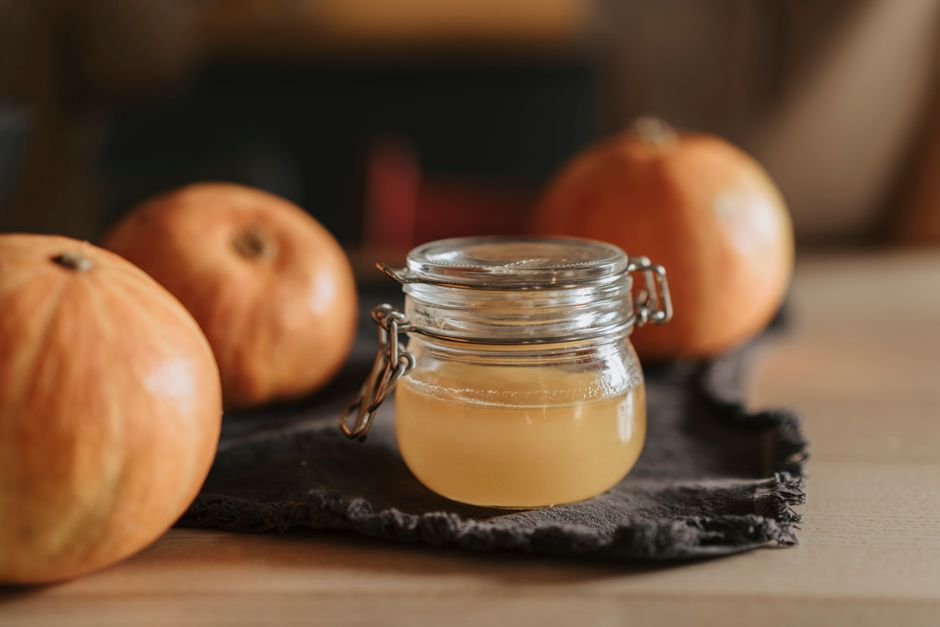
Introduction to Apple Cider Vinegar (ACV)
Apple cider vinegar, often abbreviated as ACV, has been a staple in American kitchens and medicine cabinets for generations. This tangy, amber-colored liquid is made by fermenting apple cider into acetic acid, a process that gives ACV its distinctive sour flavor and the gut-friendly bacteria that many health-conscious home cooks swear by. While vinegar itself is nothing new — ancient civilizations used it for everything from wound care to cooking — the modern wellness movement has catapulted apple cider vinegar into the spotlight as a go-to natural tonic.
People turn to ACV for a wide range of reasons. Some believe it supports **digestive health**, others use it as part of a morning routine before breakfast, and a growing number of home cooks are experimenting with ACV drink recipes to add more gut-friendly beverages to their diet. The appeal is easy to understand: it’s inexpensive, widely available, and can be made into a surprisingly refreshing drink with just a few common ingredients.
That said, it’s important to approach ACV with realistic expectations. While research has shown some promising benefits, many of the claims floating around social media and wellness blogs overstate what science actually supports. This guide walks through a solid ACV drink recipe, separates real benefits from common myths, and helps you figure out how to enjoy this tonic safely and deliciously.
**Key precautions before you start:** Apple cider vinegar is highly acidic. Always dilute it with water or another liquid before drinking. Avoid sipping it straight — the acidity can erode tooth enamel and irritate your throat over time. If you take prescription medications, talk to your doctor before making ACV a daily habit.
Quick pick: Compare top-rated Detox options.
Apple Cider Vinegar Drink Recipe
This basic ACV drink recipe takes about five minutes to put together and makes one serving. It’s the foundation that most wellness-focused home cooks start with before customizing to their taste.
**Prep time:** 5 minutes
**Servings:** 1 drink (easily doubled or tripled for a household)
**Ingredients:**
- 1 to 2 tablespoons of raw, unfiltered apple cider vinegar (look for the kind with the “mother” — cloudy strands that indicate live cultures)
- 8 to 12 ounces of filtered water (cold or room temperature)
- 1 to 2 teaspoons of raw honey (optional, for sweetness)
- A squeeze of fresh lemon juice (optional)
- A pinch of ground cinnamon (optional, for warmth)
**Step-by-step instructions:**
1. Pour 8 to 12 ounces of water into a glass. Using cold water makes a more refreshing drink, especially in summer. Room temperature water is gentler on the stomach if you have a sensitive digestive system.
2. Add 1 to 2 tablespoons of apple cider vinegar. Start with 1 tablespoon if you’ve never tried ACV before. You can work up to 2 tablespoons once your body adjusts to the acidity.
3. Stir in honey (if using) until fully dissolved. Raw honey has its own health fans — it contains trace enzymes and antioxidants — but it adds calories, so keep that in mind if you’re watching your intake.
4. Squeeze in a small amount of fresh lemon juice. This boosts the bright, citrusy flavor and adds a dose of vitamin C.
5. Sprinkle in a pinch of cinnamon if you want a warmer, spiced note. Cinnamon pairs especially well with honey in this recipe.
6. Stir well and serve immediately. Do not let the drink sit for hours — the honey and lemon work best when fresh.
**Common mistake to avoid:** Never drink ACV undiluted. The acetic acid in vinegar is strong enough to damage tooth enamel and cause stomach discomfort when consumed straight. Always dilute first.
**Ingredient swaps:** If you don’t have honey, pure maple syrup works as a sweetener, though it changes the flavor profile. Agave nectar is another option, though less nutritionally interesting than raw honey. For a low-sugar version, skip the sweetener entirely — the lemon juice provides enough brightness to make the drink palatable on its own.
Benefits of Drinking Apple Cider Vinegar
The science behind ACV benefits is still evolving, but several well-documented effects have emerged from clinical research and nutrition studies.
**Improving digestion and gut health:**
The acetic acid in apple cider vinegar may support digestion by increasing stomach acid production. Some people find that sipping a diluted ACV drink about 15 to 20 minutes before a meal helps them digest protein-heavy foods more comfortably. The “mother” in unfiltered ACV also contains natural probiotics, which some nutritionists believe support a healthier gut microbiome — though the evidence here is still preliminary.
**Supporting weight management efforts:**
Several small human studies have suggested that acetic acid may help with modest weight loss. One mechanism researchers propose is that ACV slows the rate at which food leaves your stomach, which can increase feelings of fullness and reduce overall calorie intake throughout the day. In one Japanese study, participants who consumed a tablespoon of vinegar before meals showed measurably lower post-meal blood sugar spikes compared to a control group.
It’s worth noting that ACV is not a shortcut. The weight-related benefits observed in studies were modest, typically a few pounds over several months, and they paired with dietary changes rather than replacing them.
**Blood sugar regulation:**
Perhaps the most scientifically supported benefit of ACV relates to blood sugar control. Multiple studies have shown that consuming vinegar — including apple cider vinegar — with a carbohydrate-heavy meal can blunt the blood glucose spike that typically follows eating. This is particularly relevant for people managing insulin sensitivity or type 2 diabetes, though ACV should never replace prescribed medication.
**Boosting immune function:**
Raw apple cider vinegar contains small amounts of potassium, magnesium, and vitamin C, all of which play roles in immune support. The antibacterial properties of acetic acid have also been demonstrated in laboratory settings, though these findings don’t automatically translate to dramatic immune benefits when consumed as a beverage. Think of ACV as one small piece of a broader wellness routine rather than a cure-all.
Common Myths and Misconceptions About ACV Drinks
ACV is surrounded by more than its share of dramatic claims. Let’s sort through what’s real and what’s been blown out of proportion.
**Myth: ACV produces instant results.**
The reality is that most benefits associated with regular ACV consumption build up over weeks and months, not hours or days. If someone claims they lost 10 pounds in a week because of an ACV drink regimen, that claim is not backed by evidence. Sustainable health changes take time, and ACV works best as a consistent habit paired with a balanced diet and regular exercise.
**Myth: More ACV is always better.**
More is not better when it comes to acetic acid. Consuming too much — say, several tablespoons at a time — can cause nausea, throat irritation, and, over long periods, potential damage to tooth enamel. The studied doses in clinical trials typically range from 1 to 2 tablespoons per day, diluted in water. Sticking to that range is a smart approach.
**Myth: ACV cures diseases.**
This is perhaps the most dangerous myth. Apple cider vinegar is not a treatment for any medical condition. It has shown promise in supporting certain metabolic markers — blood sugar regulation being the most solid example — but it does not cure, treat, or prevent diseases. Anyone facing a health diagnosis should work with a qualified medical provider, not rely on vinegar.
**Myth: All apple cider vinegars are the same.**
Not true. The vinegar aisle at most American grocery stores carries multiple varieties, and they differ significantly. Look for bottles labeled **raw, unfiltered, and unpasteurized** with the “mother” intact. Filtered and pasteurized ACV has been heat-treated, which kills the beneficial bacteria and enzymes that make the unfiltered version more appealing from a wellness standpoint.
Making ACV Drinks More Palatable
Plain diluted apple cider vinegar is an acquired taste. Its sharp, sour punch can be off-putting if you’re new to it. Fortunately, there are many simple ways to make ACV drinks more enjoyable without sacrificing the core health benefits.
**Sweetening options:**
Raw honey is the most popular natural sweetener paired with ACV. It adds natural sweetness along with trace nutrients. Agave nectar and pure maple syrup dissolve easily in cold water and offer an alternative for those with bee-related allergies. Be mindful of quantity — even natural sweeteners add up in calories quickly.
**Flavor boosters:**
- **Lemon or lime juice:** A half-squeeze adds bright acidity that complements the vinegar.
- **Fresh ginger:** Grate a thumbnail-sized piece of raw ginger into your drink for a warming, zesty kick. Ginger also has its own digestive benefits.
- **Cinnamon:** A quarter teaspoon of ground cinnamon adds warmth and pairs nicely with honey.
- **Mint leaves:** A few torn fresh mint leaves create a cooling summer twist.
**ACV iced tea blend:**
A popular variation in American home kitchens involves brewing a mild black or green tea, letting it cool to room temperature, and then mixing in 1 to 2 tablespoons of ACV along with honey and lemon. This creates an iced tea-style beverage that’s far more interesting than plain water. Some people add a pinch of cayenne pepper for extra metabolism support, though scientific evidence for that claim is thin.
**Smoothie integration:**
For a thicker, more filling option, blend ACV into a morning fruit smoothie. Berries, banana, and a splash of almond milk make an exc nt base, and the vinegar’s sourness blends surprisingly well with sweet fruit. This is a great option for anyone who finds sipping a drink unpleasant but wants the benefits.
Incorporating ACV Drinks into a Healthy Diet
Adding an ACV drink to your routine is simple, but how and when you drink it matters more than many people realize.
**Best timing for ACV consumption:**
Most research studies administered vinegar with meals or shortly before eating. This timing is linked to better blood sugar regulation and improved satiety. Drinking ACV first thing in the morning on an empty stomach is a popular wellness trend, but there’s limited evidence that it offers extra benefits compared to taking it with food. Some people find that morning consumption on an empty stomach causes mild stomach discomfort — if that happens to you, shift to a before-meal schedule instead.
**Pairing with meals:**
ACV drinks pair naturally with lighter meals — salads, grilled proteins, and vegetable-forward dishes. Adding a splash of ACV-based dressing to a salad is one of the easiest ways to incorporate more vinegar into your diet, whether or not you also make a standalone drink.
**Moderation matters:**
Most nutrition experts recommend limiting ACV intake to 1 to 2 tablespoons of diluted vinegar per day. That’s roughly one to two servings of the recipe outlined above. Going beyond that threshold can lead to digestive upset, and long-term excessive consumption may contribute to potassium depletion and bone density concerns, according to some case studies.
| ACV Serving Size | Dilution (Water) | Best Taken With |
|---|---|---|
| 1 tablespoon | 8 oz water | Light meals, snacks |
| 2 tablespoons | 12 oz water | Moderate meals |
| 1 teaspoon (start) | 8 oz water | Sensitive stomachs |
**Who should skip ACV drinks:**
Certain individuals should avoid regular ACV consumption or seek medical advice first. This includes people with diagnosed acid reflux, GERD, or ulcer conditions, as the acidity can aggravate symptoms. Anyone taking diabetes medications, blood pressure drugs, or diuretics should consult their physician because ACV may interact with these medications.
Frequently Asked Questions (FAQ)
Can I use any type of apple cider vinegar for the drink recipe?
Not all ACV is created equal for wellness purposes. You want a raw, unfiltered, unpasteurized variety that still contains the “mother” — those cloudy, stringy strands you see floating in the bottle. The filtering and pasteurizing process removes many of the beneficial bacteria and enzymes. Most major grocery store brands in the United States carry at least one unfiltered option. Bragg Apple Cider Vinegar is one of the most widely available brands that meets this standard.
How long does it take to see benefits from drinking ACV regularly?
Patience is key. Most people who experience measurable benefits from a daily ACV drink — such as improved digestion comfort or modest blood sugar regulation — start noticing changes after two to four weeks of consistent use. Weight-related benefits, if any, tend to be small and emerge over several months. There are no overnight miracles with ACV, and anyone promising instant results is overstating the science.
Are there specific contraindications for taking ACV with certain medications?
Yes, and this is an area where you should be cautious. Apple cider vinegar may interact with diabetes medications by lowering blood sugar further, leading to hypoglycemia. It can also interact with diuretics and certain heart medications. Additionally, because ACV is high in potassium, combining it with potassium-sparing medications warrants medical supervision. Always discuss new supplements or dietary habits with your healthcare provider, especially if you are on prescription medications.
Does the temperature of the water matter when making an ACV drink?
It can affect both taste and digestion. Cold water creates a crisper, more refreshing drink that many people prefer during warm months. Warm or room temperature water is gentler on the stomach and can help the honey dissolve more easily. Avoid using hot water, as it can destroy the beneficial enzymes in raw honey and may degrade some of the live cultures in unfiltered ACV.
Conclusion and Further Resources
Apple cider vinegar drink recipes are a simple, affordable way to add more gut-friendly habits to your daily routine. The most reliable benefits — modest blood sugar support, mild digestive comfort, and potential appetite regulation — are backed by enough scientific evidence to take them seriously, even if they aren’t dramatic.
Start with a single daily serving of diluted ACV, pay attention to how your body responds, and adjust the recipe to your taste. Whether you prefer it with honey and lemon, blended into a morning smoothie, or mixed into iced tea, the fundamentals stay the same: dilute, moderate, and be consistent.
As always, ACV is a complement to a healthy lifestyle, not a replacement for one. A balanced diet rich in whole foods, regular movement, adequate sleep, and stress management will always form the foundation of good health — with an occasional tangy ACV drink rounding things out nicely.
Explore more detox guides on our site.
Top Product Recommendations
| Product Name | Rating | Key Feature | Est. Price | Action |
|---|---|---|---|---|
| Best Detox Pick | ★★★★★ | Top-rated overall | $25–$45 | Check Lowest Price on Amazon |
| Budget Detox Option | ★★★★☆ | Great for beginners | $12–$28 | Check Lowest Price on Amazon |
| Premium Detox Choice | ★★★★☆ | Pro-level results | $50–$90 | Check Lowest Price on Amazon |
Affiliate Disclosure: This post contains affiliate links. We may earn a commission if you buy through our links, at no extra cost to you.
Leave a Reply