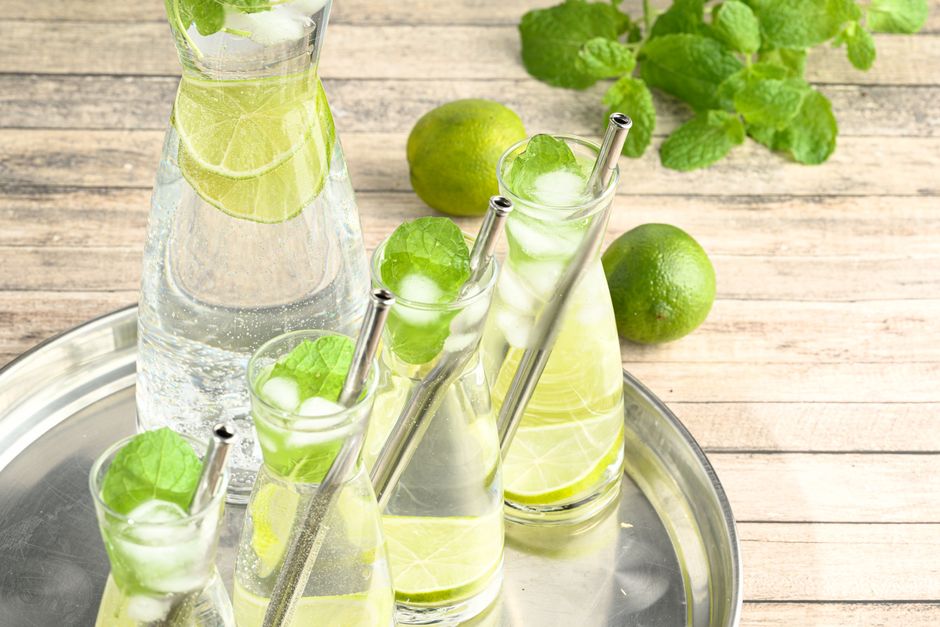
What Is Detox Water and How Does It Work in Your Body
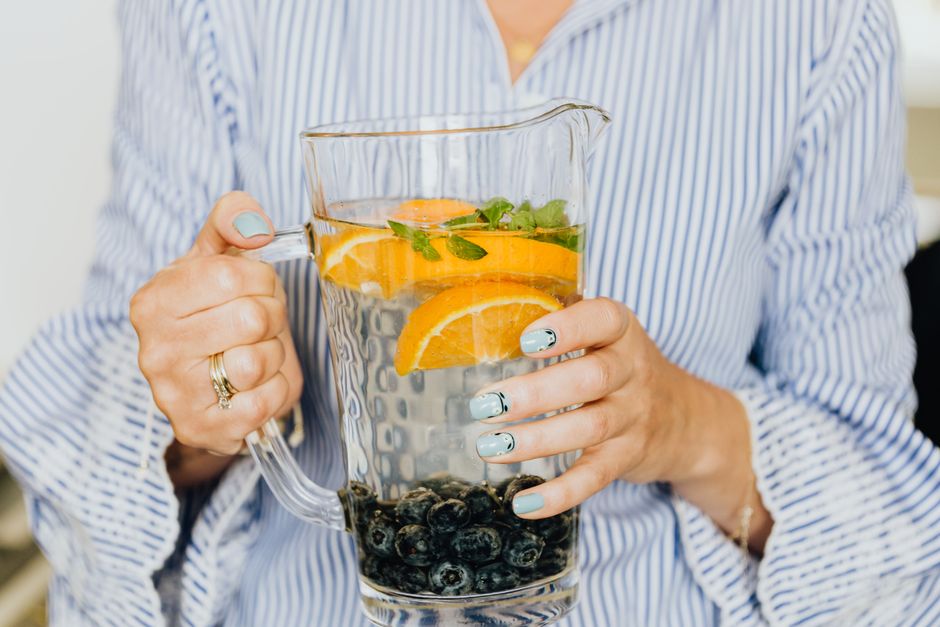
Detox water is plain water infused with fresh fruits, vegetables, and herbs that release water-soluble vitamins, minerals, and antioxidants into the liquid. Unlike store-bought functional beverages with added supplements or sweeteners, detox water relies on whole-food ingredients steeped in cold water for several hours. The infusion process extracts natural compounds like vitamin C from citrus, potassium from cucumber, and phytonutrients from mint without heat or processing.
Your body’s detoxification system runs primarily through the liver and kidneys, which filter metabolic waste and toxins from your bloodstream. Adequate hydration is critical because your kidneys need water to flush waste through urine, and your liver requires hydration to convert fat-soluble toxins into water-soluble forms. Detox water supports these natural pathways by keeping you consistently hydrated while delivering antioxidants that reduce oxidative stress at the cellular level.
Detox water works best as a complement to whole-food eating, not a meal replacement or magic bullet. It can help you meet daily hydration goals, reduce bloating, and replace sugary drinks in your routine. However, it will not deliver overnight weight loss, erase poor dietary choices, or “cleanse” organs that already function efficiently when properly nourished and hydrated.
Editor’s pick: Glass water infusion pitcher — compare options and current availability.
The Science Behind Natural Detoxification and Hydration
Your liver processes toxins in two phases: first converting them into intermediate compounds, then neutralizing and preparing them for elimination through bile or urine. The kidneys filter around 50 gallons of blood daily, removing waste products and excess fluids. The lymphatic system also plays a role by transporting cellular waste to lymph nodes for processing. All three systems rely on adequate water intake to function optimally.
When you drink detox water, you increase fluid volume in your bloodstream, which helps kidneys filter more efficiently and prevents dehydration-related buildup of waste. Antioxidants from berries, citrus, and herbs neutralize free radicals that damage cells during normal metabolism and environmental exposure. Compounds like limonene in lemon peels and anthocyanins in blueberries have been studied for their anti-inflammatory and cellular repair properties.
The myth of an “instant cleanse” persists in wellness marketing, but your body cannot dump stored toxins in 24 hours through any beverage. Sustained hydration habits over weeks and months support long-term organ health and metabolic efficiency. Plain water alone provides the bulk of detoxification support, while infused water adds functional benefits through micronutrients and flavor variety that encourages consistent intake throughout the day.
Essential Ingredients for Effective Detox Water Recipes
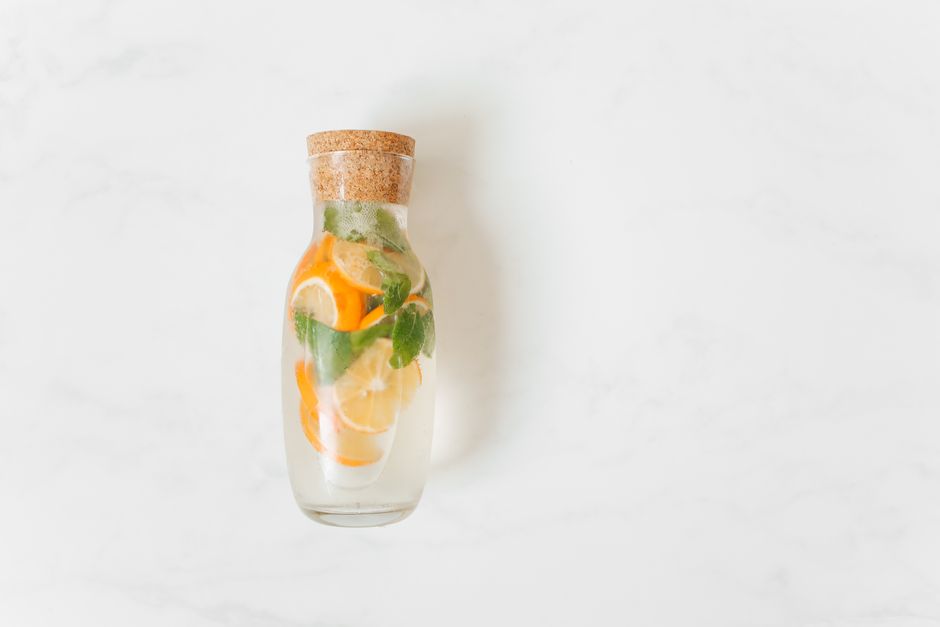
**Citrus fruits** like lemon, lime, and grapefruit deliver high doses of vitamin C, an antioxidant that supports immune function and collagen synthesis. The peel contains limonene, a compound studied for liver enzyme support, though most infusions use the flesh and a few peel slices to avoid bitterness. Citrus also adds bright acidity that makes water more palatable for people who struggle to drink plain water.
**Cucumber and celery** provide electrolytes like potassium and magnesium along with silica and anti-inflammatory compounds. Cucumber has a high water content itself, so it infuses quickly and adds a subtle, refreshing taste. Celery contains apigenin, a flavonoid that may support digestive health and reduce bloating when consumed regularly.
**Fresh herbs** such as mint, basil, and cilantro contribute volatile oils that enhance flavor and offer phytonutrients. Mint contains menthol, which has a cooling effect and may aid digestion. Basil provides eugenol, an anti-inflammatory compound, while cilantro has been traditionally used to support heavy metal elimination, though clinical evidence is limited.
**Berries** like strawberries, blueberries, and raspberries are rich in anthocyanins, powerful antioxidants that give berries their deep colors. These compounds support cardiovascular health and reduce oxidative stress. Berries also add natural sweetness without refined sugar, making detox water more enjoyable for those transitioning away from soda or juice.
**Ginger and turmeric root** are warming spices with well-documented anti-inflammatory benefits. Gingerol in ginger supports digestive motility and may reduce nausea, while curcumin in turmeric has been studied extensively for its anti-inflammatory and antioxidant effects. Both roots infuse slowly, so slicing them thin or muddling helps release active compounds into the water.
5 Easy Detox Water Recipes You Can Make in Under 5 Minutes
**Classic Lemon Cucumber Mint** combines half a sliced lemon, half a sliced cucumber, and a handful of fresh mint leaves in a 32-ounce pitcher of cold water. Let it infuse in the fridge for at least 2 hours or overnight for maximum flavor. This recipe is hydrating, mildly diuretic, and refreshing on hot days or after salty meals.
**Ginger Turmeric Citrus** uses one tablespoon of thinly sliced fresh ginger, one teaspoon of sliced turmeric root, half a sliced orange, and half a sliced lemon in 32 ounces of water. The anti-inflammatory power of ginger and turmeric makes this ideal for morning hydration, especially if you experience joint stiffness or digestive sluggishness. Drink it first thing to kickstart circulation and metabolism.
**Berry Basil Refresher** pairs a cup of mixed fresh or frozen berries (strawberries, blueberries, raspberries) with 5–6 fresh basil leaves in 32 ounces of water. The anthocyanins from berries provide antioxidant support, while basil adds a subtle herbal note. This recipe works well post-workout when you need rehydration with a hint of natural sweetness.
**Green Apple Cinnamon** combines one sliced green apple and one cinnamon stick in 32 ounces of water. Green apples have less sugar than red varieties, making this a blood sugar-friendly option. Cinnamon adds warming flavor and may help stabilize glucose levels when consumed regularly. Infuse for at least 4 hours to extract cinnamon’s aromatic compounds.
**Watermelon Rosemary Lime** uses two cups of cubed watermelon, two sprigs of fresh rosemary, and half a sliced lime in 32 ounces of water. Watermelon is naturally high in electrolytes and the amino acid citrulline, which supports circulation. Rosemary adds an unexpected savory note that balances the sweetness. This recipe is perfect for hot weather or after intense physical activity.
How to Prep, Store, and Maximize Flavor Infusion
Slice citrus fruits into thin rounds to maximize surface area contact with water, or use a light muddle to release juices and oils without pulverizing the flesh. For herbs, gently bruise the leaves by clapping them between your palms or pressing lightly with a spoon to break cell walls and release essential oils. Cucumber and apple can be left in thicker slices since they infuse more slowly.
Cold infusion in the refrigerator is the standard method and preserves heat-sensitive vitamins like vitamin C. Room temperature infusion works faster—2 hours instead of 4—but introduces a higher risk of bacterial growth if left out too long. For safety and nutrient retention, always infuse in the fridge and consume within 48 hours.
Store detox water in glass pitchers or BPA-free plastic containers with tight-sealing lids to prevent oxidation and flavor loss. Glass is ideal because it does not absorb odors or leach chemicals, and it allows you to see the infusion as it develops. If using plastic, choose containers labeled BPA-free and dishwasher-safe for easy cleaning.
Most ingredients can be reused once for a milder second infusion. After the first batch, top off the pitcher with fresh water and refrigerate for another 4–6 hours. Citrus and ginger hold up well to reuse, while berries and cucumber tend to break down and should be replaced. Discard all ingredients after 48 hours to avoid spoilage and off flavors.
Common Detox Water Mistakes That Waste Ingredients and Flavor
Over-infusing citrus peels creates a bitter, astringent taste that makes the water undrinkable. Lemon and lime peels contain limonene and other compounds that turn harsh after 12–24 hours of soaking. If you want peel flavor, use just a few thin strips and remove them after 6 hours, or stick to the flesh only for longer infusions.
Using wilted herbs or overripe fruit accelerates spoilage and introduces off flavors into your water. Herbs should be vibrant and aromatic, and fruit should be firm with no soft spots. Overripe berries break down quickly, creating a cloudy, slimy texture that is unappealing even if still safe to drink.
Adding honey, agave, or sugar defeats the purpose of detox water by reintroducing refined or concentrated sweeteners that spike blood sugar. If your water tastes too bland, increase the fruit-to-water ratio or try naturally sweeter options like berries or watermelon. Stevia and monk fruit are zero-calorie alternatives but are unnecessary if you allow enough infusion time for natural fruit sugars to release.
Skipping the wash step introduces pesticide residue, dirt, and surface bacteria into your drink. Always rinse all produce under cold running water, even if you plan to peel it. For organic produce, a quick rinse is sufficient; for conventional, consider a 30-second soak in a vinegar-water solution (1 part vinegar to 3 parts water) followed by a thorough rinse.
Expecting detox water to replace meals or deliver rapid weight loss sets up unrealistic expectations and potential disappointment. Detox water is a hydration tool, not a meal substitute or fat-burning supplement. Sustainable weight loss comes from balanced nutrition, calorie awareness, and regular movement, with detox water playing a supportive role by reducing liquid calorie intake and improving satiety.
Budget-Friendly Tips for Making Detox Water Every Day
Shopping seasonal produce cuts costs significantly. Berries are cheapest in summer, citrus peaks in winter, and cucumber is affordable year-round. Buy what is in season and on sale, then design your recipes around those ingredients. Seasonal produce also tends to be fresher and more flavorful.
Growing your own mint, basil, and rosemary in a windowsill herb garden provides a constant supply of fresh herbs for pennies per use. These herbs are low-maintenance, regrow quickly after trimming, and thrive indoors with moderate sunlight. A small pot of mint can yield enough leaves for daily detox water for months.
Buying frozen fruit when fresh options are expensive or out of season is a smart swap. Frozen berries are picked at peak ripeness and flash-frozen, preserving nutrients. They work just as well in detox water as fresh and often cost half as much per pound. Add them directly to cold water and let them thaw as they infuse.
Reusing citrus peels and ginger slices for a second mild infusion stretches your ingredient budget. After the first 12-hour soak, top off with fresh water and refrigerate for another 4–6 hours. The second batch will be lighter in flavor but still more interesting than plain water and costs nothing extra.
Batch-prepping ingredient combos in mason jars for grab-and-go convenience saves time and reduces waste. On Sunday, portion out lemon slices, cucumber rounds, and mint into individual jars. Each morning, dump one jar into your water bottle, fill with cold water, and take it with you. The ingredients stay fresh in the sealed jars for 3–4 days in the fridge.
Best Times to Drink Detox Water for Energy and Digestion
**Morning hydration ritual** with lemon ginger water on an empty stomach jumpstarts digestion and rehydrates your body after overnight fasting. The warm or room-temperature version is gentler on an empty stomach than ice-cold water. Drink 16 ounces within 30 minutes of waking to support liver function and bowel motility.
**Pre-meal cucumber mint water** consumed 15–20 minutes before eating supports digestion by stimulating saliva and gastric juice production. The cooling effect of mint can reduce bloating and discomfort, especially after heavy or rich meals. This habit also increases satiety, which may help with portion control.
**Post-workout berry infusions** provide antioxidant recovery support and rehydration after exercise. The natural sugars in berries help replenish glycogen stores without the artificial ingredients in sports drinks. Drink 16–24 ounces within an hour of finishing your workout to optimize recovery and reduce muscle soreness.
**Evening herbal blends** without citrus avoid acid reflux before bed. Citrus can trigger heartburn in sensitive individuals when lying down. Instead, try a mild infusion of cucumber, mint, or melon that hydrates without stimulating stomach acid production. Drink your last glass at least an hour before bed to avoid nighttime bathroom trips.
**All-day sipping strategy** involves refilling your bottle with fresh ingredients at lunch to maintain flavor and nutrient intake throughout the day. Start with a morning batch, then add a second round of ingredients at midday. This approach keeps you engaged with hydration goals and prevents the plain-water fatigue that causes many people to under-hydrate.
How Detox Water Fits Into a Keto, Paleo, or Whole30 Lifestyle
Detox water is a **zero-carb hydration option** compatible with strict low-carb diets when made with low-sugar fruits and herbs. Lemon, lime, cucumber, and leafy herbs contribute negligible carbs per serving, making them ideal for keto followers tracking macros. Avoid high-sugar fruits like mango, pineapple, or grapes if staying under 20 grams of net carbs daily.
**Avoiding high-sugar fruits** becomes important if you are tracking net carbs or practicing intermittent fasting. Berries in small amounts (a quarter cup per 32 ounces) are generally acceptable, but tropical fruits can add 5–10 grams of carbs per serving. If fasting, stick to lemon, cucumber, and herbs to avoid breaking your fast with fruit sugars.
**Paleo-friendly ingredient swaps** include using coconut water as a base instead of plain water for added electrolytes, though this increases sugar content. Raw honey is technically Paleo-approved but should be used sparingly and only if you need a touch of sweetness. Most Paleo practitioners prefer unsweetened detox water with whole fruits and herbs.
**Whole30 compliance** requires no added sweeteners of any kind, including honey, stevia, or monk fruit. Detox water made with whole fruit and herbs is fully compliant and encouraged on the program. Focus on hydration and natural flavor without any processed ingredients or sweeteners.
**Electrolyte considerations** matter for those in ketosis or doing intermittent fasting, as both practices can deplete sodium, potassium, and magnesium. Add a pinch of high-quality sea salt to your detox water or choose ingredients like cucumber and celery that naturally contain electrolytes. This helps prevent the fatigue and headaches common in the first weeks of keto or fasting.
Detox Water vs. Store-Bought Functional Drinks: What You Need to Know
| **Factor** | **Homemade Detox Water** | **Store-Bought Functional Drinks** |
|---|---|---|
| **Cost per serving** | $0.25–$0.75 | $2.00–$5.00 |
| **Sugar content** | 0–3g from whole fruit | 10–25g added sugars |
| **Preservatives** | None | Often present |
| **Nutrient freshness** | Maximum (immediate use) | Degraded over shelf life |
| **Ingredient control** | Complete | Limited to label |
**Cost comparison** heavily favors homemade infusions. A pitcher of detox water costs less than a dollar to make, while bottled detox beverages range from two to five dollars per serving. Over a month, the savings add up to $50–$100 for daily drinkers.
**Hidden sugars, artificial flavors, and preservatives** are common in commercial detox drinks marketed as healthy. Many contain added cane sugar, fruit juice concentrate, or natural flavors that are chemically derived. Always read labels carefully and look for products with five or fewer recognizable ingredients.
**Nutrient retention** is higher in fresh DIY recipes because vitamins like vitamin C degrade over time when exposed to light, heat, and oxygen. Store-bought drinks sit on shelves for weeks or months, losing potency. Homemade detox water made the night before delivers maximum nutrient content.
**When convenience drinks make sense** includes travel, busy work weeks, or situations where you cannot prep fresh ingredients. In these cases, choose brands with minimal ingredients, no added sugars, and organic certification if possible. Brands like **Hint Water** and **Spindrift** use real fruit and no sweeteners, making them better alternatives to soda or juice.
**Reading labels** requires looking beyond marketing claims like “detox” or “cleanse.” Check the ingredient list for whole fruit, herbs, and minimal additives. Avoid products with more than 5 grams of sugar per serving unless it comes entirely from whole fruit. Watch for “natural flavors,” which can be highly processed despite the wholesome-sounding name.
Troubleshooting Flavor, Texture, and Nutrient Loss
**Weak flavor after hours of infusion** usually means your fruit-to-water ratio is too low or your ingredients are not fresh. Increase the amount of fruit and herbs by 50%, or try muddling the ingredients before adding water. Cold water infuses more slowly than room temperature, so if you are in a hurry, let the mixture sit at room temperature for one hour before refrigerating.
**Slimy texture from overripe berries or prolonged soaking** occurs when fruit breaks down and releases pectin and natural starches into the water. Use firm, just-ripe berries and remove them after 12 hours to prevent this issue. If sliminess develops, strain the water through a fine-mesh sieve and discard the solids.
**Discoloration or off taste from tap water chlorine or old pitcher filters** affects flavor more than people realize. If your tap water tastes metallic or chemical, it will taint your infusion. Use filtered or bottled water for the cleanest taste, and replace pitcher filters every two months as recommended by manufacturers.
**Maintaining crispness in cucumber and apple slices** requires cold storage and minimal handling. Cut slices just before infusing and keep the water refrigerated at all times. If slices soften after 24 hours, replace them with fresh ones rather than continuing to use limp produce.
**Boosting potency with a light muddle or brief blender pulse before straining** releases more flavor and nutrients quickly. Place your ingredients in a bowl and press gently with a muddler or the back of a spoon to break cell walls. For an even stronger infusion, pulse the ingredients with a small amount of water in a blender for 5 seconds, then strain out the pulp and add the liquid to your pitcher with fresh cold water.
Frequently Asked Questions
Does detox water really help you lose weight or is it just hydration?
Detox water supports weight loss indirectly by replacing sugary drinks like soda, juice, and sweetened coffee beverages. Staying hydrated can also reduce false hunger signals that many people mistake for true appetite, leading to lower calorie intake throughout the day. However, no single ingredient in detox water “burns fat” or accelerates metabolism beyond what plain water provides. The real benefit comes from consistent hydration, which aids the body’s natural detoxification processes and supports metabolic efficiency. Best results come from pairing detox water with balanced meals, regular movement, and a sustainable calorie deficit.
How long can I keep detox water in the fridge before it goes bad?
Most detox water recipes stay fresh for 24 to 48 hours when refrigerated in a sealed container. Citrus-based waters tend to last longer due to their natural acidity, which inhibits bacterial growth. Berry or melon infusions spoil faster because these fruits break down and release sugars that feed bacteria. Always check for off smells, visible mold, or slimy texture before drinking day-old batches. To maximize freshness, strain out solid ingredients after 12 hours to prevent over-infusion and bitterness. If you notice any signs of spoilage, discard the entire batch rather than risk foodborne illness.
Can I drink detox water while pregnant or breastfeeding?
Plain fruit and herb infusions made with thoroughly washed produce are generally safe and hydrating during pregnancy and breastfeeding. However, avoid high doses of certain herbs like rosemary or concentrated ginger if you have concerns or a history of pregnancy complications. Always wash produce thoroughly to minimize risk of foodborne pathogens like listeria or toxoplasmosis. Consult your healthcare provider if you plan to use detox water as part of a restrictive eating plan or if you are using herbs beyond culinary amounts. Hydration is especially important during pregnancy and lactation, and mild fruit-infused water can help you meet increased fluid needs.
What’s the best way to make detox water taste stronger without adding sugar?
Muddle herbs and citrus slices lightly before adding water to release essential oils and natural fruit sugars. Use sparkling water instead of still water for a refreshing, flavor-forward twist that makes the infusion taste more vibrant. Let the mixture infuse overnight in the fridge for maximum potency—longer soaking times extract more flavor compounds. Add a pinch of high-quality sea salt or a squeeze of fresh citrus juice right before drinking to enhance the existing flavors without sweetness. If you prefer a more intense fruit presence, increase the fruit-to-water ratio by 50% or blend a small portion of the fruit with water, strain out the pulp, and mix with plain water for a stronger base.
Top Product Recommendations
| Product Name | Rating | Key Feature | Est. Price | Action |
|---|---|---|---|---|
| Top-rated Glass water infusion pitcher | ★★★★★ | Editor-recommended Glass water infusion pitcher from this guide | $18–$42 | Check Lowest Price on Amazon |
| Best-value BPA-free detox water bottle | ★★★★☆ | Affordable BPA-free detox water bottle — strong everyday results | $12–$28 | Check Lowest Price on Amazon |
| Premium Citrus herb muddler tool | ★★★★☆ | Higher-end Citrus herb muddler tool for visible, lasting results | $45–$95 | Check Lowest Price on Amazon |
Affiliate Disclosure: This post contains affiliate links. We may earn a commission if you buy through our links, at no extra cost to you.
Leave a Reply