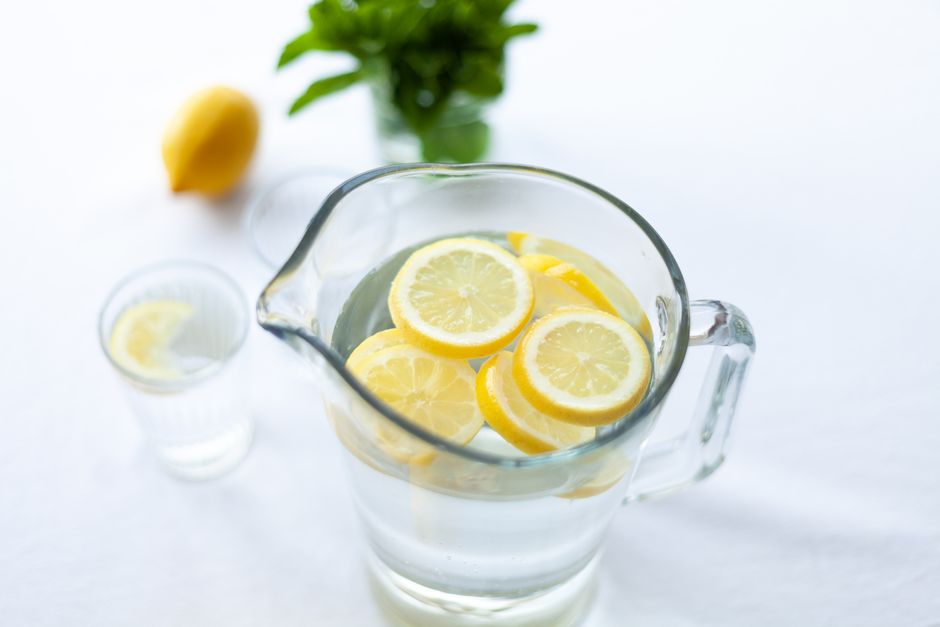
Ingredients & Prep
Choosing the right ingredients transforms ordinary water into a nutrient-packed beverage. **Citrus fruits like lemon, lime, and grapefruit** provide vitamin C and support liver function. Cucumber adds a refreshing taste while promoting hydration with its high water content. Berries such as strawberries, blueberries, and raspberries deliver antioxidants that combat free radicals.
Fresh herbs elevate both flavor and health benefits. **Mint soothes digestion** and adds a cooling sensation, while basil provides anti-inflammatory properties. Ginger root offers a spicy kick and helps reduce bloating. Rosemary contains compounds that may support brain health and circulation.
Prep work takes only minutes with the right approach. Slice citrus fruits into thin rounds or wedges to maximize surface area for infusion. Muddle herbs gently in the bottom of your pitcher to release essential oils without creating bitterness. Wash all produce thoroughly, and consider buying organic when possible to avoid pesticide residue. Store prepped ingredients in airtight containers for up to three days, making it easy to assemble fresh batches throughout the week.
Editor’s pick: glass water infuser pitcher — compare options and current availability.
Flavor Combinations
Classic combinations deliver reliable results for beginners. **Lemon and cucumber** creates a spa-like experience that’s crisp and clean. Strawberry and basil pairs sweet and savory notes for an unexpected twist. Orange and blueberry offers a vitamin-packed option with natural sweetness that needs no added sugar.
Tropical blends transport your taste buds while delivering serious nutrition. Pineapple and mint provides digestive enzymes along with refreshing flavor. Watermelon and lime combines hydration with electrolytes, perfect for post-workout recovery. Mango and ginger brings anti-inflammatory benefits wrapped in an exotic taste profile.
Seasonal ingredients keep your rotation interesting year-round. Summer calls for peach and lavender or cherry and thyme combinations. Fall brings apple and cinnamon or pear and sage options. Winter citrus shines in grapefruit and rosemary or blood orange and vanilla bean blends. Spring highlights rhubarb and strawberry or apricot and mint pairings that celebrate fresh produce.
Infusion Techniques
Proper ratios ensure maximum flavor without overwhelming bitterness. Use approximately **one cup of fruit per half gallon of water** as your baseline. Herbs require less—about one-quarter cup of fresh leaves suffices for the same volume. Adjust based on ingredient potency; strong flavors like ginger need only a few thin slices.
Time and temperature dramatically affect your results. Cold infusions in the refrigerator require 2-4 hours minimum, with overnight steeping producing the most intense flavor. Room temperature water speeds the process to 1-2 hours but requires immediate refrigeration afterward. Avoid hot water, which can destroy delicate vitamins and create bitter notes from citrus peels.
Maximizing nutrient extraction involves strategic preparation. **Muddle berries slightly** to break cell walls and release anthocyanins. Score cucumber skin with a fork to expose more surface area. Remove white pith from citrus fruits if you’re sensitive to bitterness. Replace ingredients after 24 hours—spent fruits and herbs contribute little beyond that point and may introduce off flavors.
Health Benefits
Antioxidants in detox water combat oxidative stress that contributes to aging and disease. Berries contain polyphenols that protect cells from damage. Citrus fruits deliver flavonoids that support cardiovascular health. **Green tea additions** provide catechins with metabolism-boosting properties, though technically creating an infusion rather than pure water.
Digestive benefits make detox water valuable for gut health. Ginger reduces nausea and speeds gastric emptying. Mint relaxes intestinal muscles and eases bloating. Cucumber’s fiber and water content promote regular bowel movements. Lemon stimulates bile production, which aids fat digestion and supports liver detoxification pathways.
Immune support comes from concentrated vitamin sources. A single lemon provides over 30% of daily vitamin C needs. Berries offer zinc and selenium that strengthen immune response. Herbs like oregano and thyme contain antibacterial compounds. Consistent hydration itself supports lymphatic function, helping your body eliminate toxins naturally without extreme measures.
Detox Water & Keto
Keto dieters benefit from detox water’s zero-carb hydration. **Electrolyte balance becomes critical** when following a low-carb eating pattern, as reduced insulin levels increase mineral excretion. Cucumber and lemon water helps replace sodium and potassium without breaking ketosis. Add a pinch of sea salt for additional sodium if you’re experiencing keto flu symptoms.
Keto-friendly ingredient combinations focus on low-sugar options. Avoid high-sugar fruits like mango, pineapple, and watermelon that can spike blood glucose. Instead, choose berries in moderation—a few raspberries or blackberries add flavor without significant carbs. Lemon and lime work well because you’re consuming the infused water rather than juice. Herbs are completely carb-free and add variety without concern.
Common mistakes include over-consuming fruit-infused water and assuming all detox recipes fit keto macros. Even though you’re not eating the fruit, some natural sugars leach into the water during infusion. Stick to one serving of berries per gallon, and track your intake if you’re highly carb-sensitive. **Prioritize herb-based combinations** like mint-cucumber-lime or rosemary-lemon for the cleanest keto option that supports hydration without risking ketosis.
Serving & Presentation Ideas
Creative serving elevates detox water from functional to luxurious. Use **large glass pitchers or beverage dispensers** that showcase colorful ingredients floating inside. Mason jars with handles make portable single servings perfect for work or gym bags. Invest in glass bottles with infuser chambers that keep fruit separate from the drinking spout, preventing seeds and pulp from interrupting your sip.
Garnishes add visual appeal and aromatic interest. Float thin citrus wheels on the surface for immediate fragrance. Thread berries onto bamboo skewers for easy removal and snacking. Freeze edible flowers or small fruit pieces into ice cubes that slowly release flavor as they melt. Fresh herb sprigs tucked into the glass provide both decoration and an instant scent when you bring the drink to your lips.
Staying hydrated throughout the day requires strategic planning. Prepare a large batch each morning and portion into individual containers. Set phone reminders every two hours to finish one serving. **Track intake with a simple tally system**—aim for eight 8-ounce servings daily. Alternate between different flavor combinations to prevent boredom. Keep a pitcher at your desk and another in the refrigerator at home to ensure convenient access wherever you spend time.
Storage & Shelf Life
Proper storage preserves both flavor and safety. **Refrigerate detox water immediately** after preparation and keep it at 40°F or below. Glass containers prevent chemical leaching and don’t absorb odors like plastic can. Seal pitchers with tight lids to prevent oxidation and contamination from other refrigerator items.
Shelf life depends on ingredient types and preparation method. Most fruit and herb infusions last 24-48 hours when kept cold. Citrus-based combinations hold up longest—up to 72 hours—thanks to natural acids that inhibit bacterial growth. Berry infusions deteriorate fastest, becoming musty after just one day. Discard any batch that develops cloudy appearance, off odors, or visible mold.
Maximizing freshness involves simple techniques. Remove spent ingredients after initial infusion rather than leaving them to steep indefinitely. Add fresh batches of fruit and herbs for a second infusion if desired. **Strain the water completely** before extended storage to prevent ingredients from breaking down and creating sediment. Label containers with preparation dates to track age at a glance and avoid consuming questionable batches.
Comparison Table
| Ingredient | Primary Benefit | Flavor Profile | Keto-Friendly | Best Paired With |
|---|---|---|---|---|
| Lemon | Vitamin C, liver support | Tart, bright | Yes | Cucumber, mint, ginger |
| Cucumber | Hydration, anti-inflammatory | Mild, refreshing | Yes | Lemon, lime, basil |
| Strawberry | Antioxidants, fiber | Sweet, fruity | Limited | Basil, lemon, mint |
| Mint | Digestive aid, cooling | Fresh, herbal | Yes | Cucumber, watermelon, lime |
| Ginger | Anti-nausea, metabolism | Spicy, warm | Yes | Lemon, apple, pear |
| Blueberry | Brain health, antioxidants | Sweet, mild | Limited | Orange, lemon, lavender |
Frequently Asked Questions
Q: Can I use frozen fruits in my detox water?
A: **Yes, frozen fruits work exc ntly** for detox water and offer some advantages over fresh. Frozen produce is picked at peak ripeness and flash-frozen, preserving nutrients effectively. The freezing process breaks down cell walls, which actually speeds up flavor infusion when thawed in water. Use the same proportions as fresh fruit—about one cup per half gallon of water. The slight disadvantage is texture; thawed fruit becomes soft and less visually appealing, though this doesn’t affect the water’s quality. For best results, add frozen fruit directly to cold water without thawing first, allowing it to gradually release flavor as it defrosts.
Q: How long can I store my detox water before it goes bad?
A: Most detox water stays fresh for **24 to 48 hours when refrigerated properly** at 40°F or below. Citrus-heavy combinations last longest, up to three days, because their natural acidity inhibits bacterial growth. Berry-based infusions deteriorate fastest, developing off flavors within 24 hours. Signs of spoilage include cloudy appearance, fizzy bubbles indicating fermentation, musty odors, or visible mold on floating ingredients. For maximum safety and flavor, prepare smaller batches you’ll consume within one day. Always store in sealed containers, and remove spent fruit and herbs after the initial infusion period to prevent breakdown and sediment formation.
Q: Is it okay to consume the fruits and herbs after infusing them in water?
A: **Eating infused ingredients is generally safe** but offers limited nutritional value after steeping. Most water-soluble vitamins and flavor compounds have leached into the water, leaving the fruit somewhat depleted. The fiber remains intact, providing digestive benefits if you choose to eat it. Citrus slices become softer and less bitter after infusion. Berries lose their firm texture but retain some antioxidants. Herbs may taste slightly muted but are perfectly safe. The main consideration is storage time—if your detox water has been refrigerated for 48 hours, the fruit may be approaching spoilage even if the water seems fine. When in doubt, compost spent ingredients and consume only the infused water.
Top Product Recommendations
| Product Name | Rating | Key Feature | Est. Price | Action |
|---|---|---|---|---|
| Top-rated glass water infuser pitcher | ★★★★★ | Editor-recommended glass water infuser pitcher from this guide | $18–$42 | Check Lowest Price on Amazon |
| Best-value fruit infusion water bottle | ★★★★☆ | Affordable fruit infusion water bottle — strong everyday results | $12–$28 | Check Lowest Price on Amazon |
| Premium detox water recipe book | ★★★★☆ | Higher-end detox water recipe book for visible, lasting results | $45–$95 | Check Lowest Price on Amazon |
Affiliate Disclosure: This post contains affiliate links. We may earn a commission if you buy through our links, at no extra cost to you.
Leave a Reply