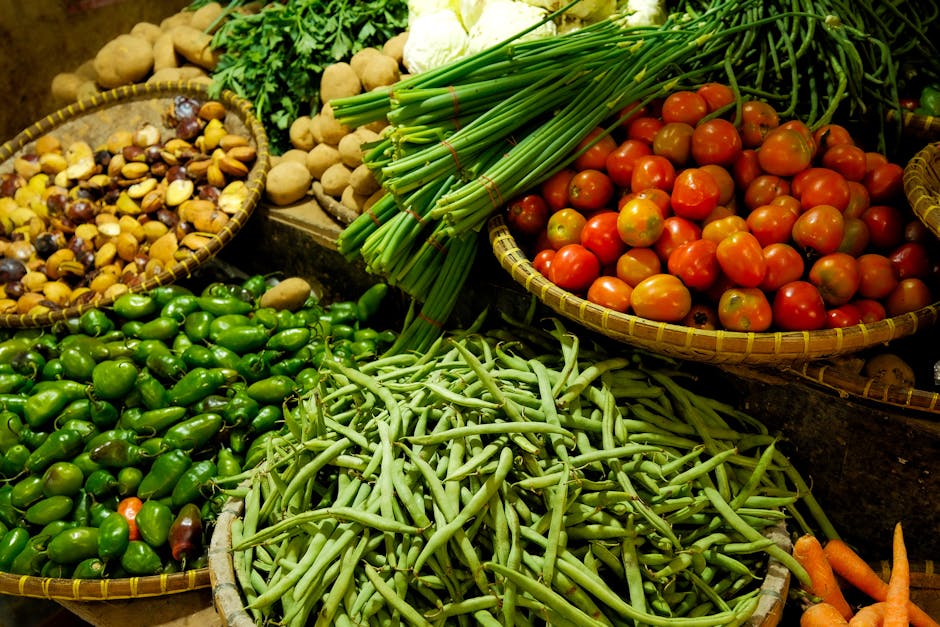
Healthy Eating on a Budget
Eating well does not have to drain your bank account. The myth that nutritious food costs a fortune keeps many home cooks stuck in a cycle of processed meals and takeout orders. The truth is that **healthy eating on a budget** starts with smart grocery choices, strategic meal planning, and a willingness to cook simple, whole ingredients at home. Building a foundation of affordable staples — oats, eggs, beans, seasonal produce, and lean proteins — gives you the flexibility to create satisfying meals all week long without overspending.
Start by stocking your pantry with versatile, cost-effective items. Dry beans and lentils are packed with plant-based protein and fiber, costing as little as $1 per pound when bought in bulk. Rolled oats work for breakfast porridge, overnight oats, and even savory veggie burgers. Canned tomatoes, low-sodium chicken broth, and frozen vegetables round out a budget-friendly pantry that enables dozens of healthy recipes. Planning your weekly menu before you shop prevents impulse buys and reduces food waste, which is one of the biggest hidden costs in any household kitchen.
Budget-friendly meal ideas for every day include overnight chia pudding for breakfast, turkey and black bean burrito bowls for lunch, and baked salmon with roasted sweet potatoes for dinner. Batch-cooking a large pot of vegetable soup or chili on Sunday gives you grab-and-go portions for the entire workweek. **Cooking at home** is consistently the most cost-effective way to maintain a nutritious diet, and even beginner cooks can master these simple routines within a few weeks of practice.
- Stock up on beans, lentils, oats, and frozen vegetables as affordable pantry staples
- Plan your weekly menu and shopping list before heading to the grocery store
- Batch-cook one pot or sheet pan meal every Sunday to cover multiple dinners
- Buy seasonal produce to save money and enjoy peak nutrition
- Reduce food waste by using leftovers creatively in the next day’s lunch
Healthy Meal Prep Tips
Meal prep is one of the most powerful habits any home cook can adopt when pursuing a healthier lifestyle. Setting aside just 60 to 90 minutes once a week transforms how you eat Monday through Friday. The goal is not to prepare every single meal in elaborate containers — it is about laying the groundwork so that healthy choices become the easiest choices when you are rushed and hungry. **Effective meal prep** reduces decision fatigue, saves time during busy mornings, and keeps you from reaching for calorie-dense convenience foods.
There are two main approaches to meal prep, and both have merit depending on your schedule. The first is **ingredient prepping** — washing, chopping, and storing raw vegetables, cooking grains like rice or quinoa, and portioning out proteins in advance. This method gives you flexibility to assemble different meals throughout the week. The second approach is **full meal prepping**, where you cook complete dishes and store them in individual containers for grab-and-go convenience. Many experienced meal preppers combine both techniques: prep ingredients on Sunday, then assemble and portion complete meals as the week progresses.
Proper storage is critical to food safety and flavor retention. Airtight glass containers keep prepped vegetables crisp for up to five days in the refrigerator. Most cooked grains and proteins stay fresh for four days refrigerated. Label every container with the prep date so you rotate through items in the right order. If your schedule varies significantly through the week, consider freezing half of your prepped meals — they thaw overnight in the refrigerator and are ready to heat and eat the next day.
- Wash and chop vegetables on Sunday evening for quick weeknight assembly
- Cook a batch of whole grains (quinoa, brown rice, farro) to pair with different proteins
- Use shallow, airtight containers to maximize refrigerator space and maintain freshness
- Label every container with the date to track freshness and prevent spoilage
- Freeze individual portions of soups, stews, and grain bowls for variety later in the week
Healthy Ingredient Swaps
One of the simplest ways to upgrade the nutrition of your favorite recipes is to make strategic ingredient substitutions. You do not need to abandon the dishes you love — you simply need to know which ingredients deliver better nutrition without sacrificing flavor. Swapping a few key components in any recipe can dramatically reduce added sugars, unhealthy fats, and excess sodium while boosting fiber, vitamins, and lean protein.
| High-Calorie Ingredient | Healthy Swap | Nutrition Benefit |
|---|---|---|
| White rice | Cauliflower rice or quinoa | Lower carbs, higher protein and fiber |
| Sour cream | Greek yogurt | More protein, fewer calories per serving |
| White pasta | Whole wheat pasta or chickpea pasta | Higher fiber, sustained energy |
| Butter in baking | Unsweetened applesauce or mashed banana | Reduced fat, added fruit nutrients |
| Creamy salad dressing | Olive oil and lemon juice or tahini dressing | Heart-healthy fats, fewer additives |
| White flour breadcrumbs | Crushed oats or almond meal | More fiber and natural whole grains |
Beyond these common swaps, consider replacing refined sugar with naturally sweet options like pure maple syrup, honey, or date paste in moderation. Replacing refined white flour with whole wheat or almond flour in baked goods adds fiber and nutrients. Swapping butter for extra virgin olive oil or avocado oil introduces monounsaturated fats that support heart health. **Healthy ingredient swaps** are most effective when they are gradual — try replacing one ingredient per recipe until you find combinations that taste great to your palate.
- Replace sour cream with plain Greek yogurt in sauces, dips, and baked potatoes
- Use cauliflower rice or zucchini noodles in place of regular pasta or rice a few nights per week
- Blend mashed avocado into smoothies for creamy texture without dairy or added sugar
- Substitute half the butter in any baking recipe with unsweetened applesauce
- Choose whole grain bread and tortilla wraps instead of their white-flour counterparts
Healthy Cooking Methods
How you cook matters just as much as what you cook. Certain cooking techniques preserve fragile nutrients while others destroy them. Understanding the difference between high-heat frying and gentler methods helps you retain maximum nutrition in every meal you prepare. **Healthy cooking methods** also tend to require less added fat, which automatically reduces the calorie density of your dishes without requiring you to count a single calorie.
Steaming is one of the best nutrient-preserving techniques available. It cooks vegetables quickly with minimal water contact, protecting heat-sensitive vitamins like vitamin C and B vitamins that leach out during boiling. Steamed broccoli, green beans, carrots, and asparagus take just five to eight minutes and require nothing more than a splash of lemon juice and a drizzle of olive oil for a vibrant, nutritious side dish. Roasting at temperatures below 425°F caramelizes natural sugars in vegetables without charring nutrients, producing deeply flavored results that even picky eaters enjoy.
Grilling and broiling allow fat to drip away from proteins as they cook, naturally reducing the fat content of meats and fish. Stir-frying at high heat with a small amount of oil preserves the crunch and color of vegetables while locking in nutrients. **Using herbs and spices** instead of salt and sugar is one of the most impactful changes any home cook can make — garlic, cumin, paprika, basil, and cilantro add bold, complex flavor without a single gram of sodium. Experimenting with spice blends keeps healthy meals interesting and prevents the boredom that derails many nutrition goals.
- Steam vegetables instead of boiling to preserve heat-sensitive vitamins
- Roast vegetables at 400–425°F with just a thin coating of olive oil for caramelized flavor
- Grill or broil lean proteins to allow fat to drip away during cooking
- Stir-fry vegetables on high heat for a short time to maintain texture and nutrients
- Build flavor with garlic, ginger, cumin, smoked paprika, and fresh herbs instead of salt
Healthy Eating for Different Diets
A nutritious diet is not a one-size-fits-all proposition. Whether you follow a vegetarian lifestyle, avoid gluten, or are dairy-free by choice or necessity, you can build a vibrant, satisfying eating pattern that supports your health goals. The key is focusing on the foods you **can** enjoy rather than dwelling on restrictions. **Healthy eating for different diets** is really about creative substitution and diverse ingredient sourcing.
For vegetarian and vegan eating plans, center your meals around legumes, whole grains, nuts, seeds, and a colorful variety of vegetables. Plant-based proteins like lentils, chickpeas, tofu, and black beans provide fiber, iron, and sustained energy. Combining a legume with a whole grain in the same meal creates a complete protein profile that rivals animal-based sources. Add hemp seeds, nutritional yeast, or spirulina to boost vitamin B12, which is the nutrient most likely to be low in vegan diets.
Gluten-free eating requires substituting wheat-based ingredients with naturally gluten-free alternatives. Quinoa, buckwheat, amaranth, and rice provide versatile grain bases for any meal. Fresh fruits, vegetables, lean meats, fish, eggs, and dairy (if tolerated) are naturally gluten-free. When baking without wheat flour, a blend of almond flour, coconut flour, and tapioca starch produces reliable results for most recipes. **Dairy-free nutrition** thrives on fortified plant milks, calcium-set tofu, leafy greens, and canned fish with soft edible bones like sardines.
- Build plant-based plates around legumes, whole grains, and diverse vegetables for complete nutrition
- Combine legumes with whole grains to create complete proteins without meat
- Use quinoa, buckwheat, and rice as naturally gluten-free grain alternatives
- Fortify plant-based diets with B12 supplements or nutritional yeast
- Include calcium-rich foods like kale, tofu, and canned sardines when avoiding dairy
Healthy Desserts and Snacks
Satisfying your sweet tooth does not require abandoning your nutrition goals. The real secret to **healthy desserts and snacks** is using whole, minimally processed ingredients that deliver flavor and nutrients together. Natural sweetness from fruit, dates, and pure maple syrup provides急 sweetness alongside vitamins, minerals, and fiber that refined sugar simply cannot match. With a handful of simple techniques, you can transform basic ingredients into treats that genuinely nourish your body.
Energy bites made from oats, nut butter, honey or date paste, and dark chocolate chips are perhaps the easiest healthy snack you can make — no baking required, and they keep in the refrigerator for up to a week. Frozen banana
Top Product Recommendations
| Product Name | Rating | Key Feature | Est. Price | Action |
|---|---|---|---|---|
| Best Healthy Pick | ★★★★★ | Top-rated overall | $25–$45 | Check Lowest Price on Amazon |
| Budget Healthy Option | ★★★★☆ | Great for beginners | $12–$28 | Check Lowest Price on Amazon |
| Premium Healthy Choice | ★★★★☆ | Pro-level results | $50–$90 | Check Lowest Price on Amazon |
Affiliate Disclosure: This post contains affiliate links. We may earn a commission if you buy through our links, at no extra cost to you.
Leave a Reply