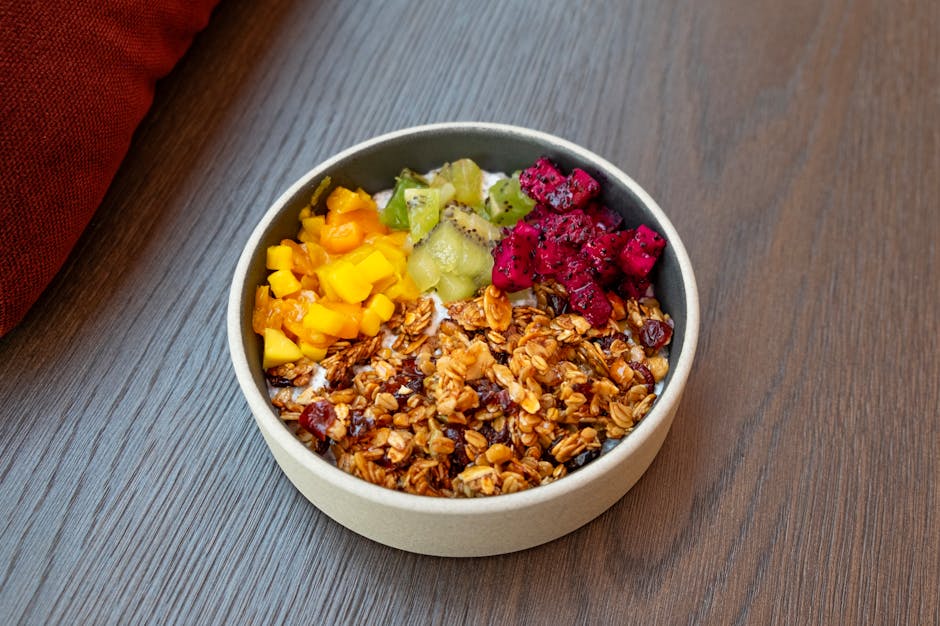
Healthy Eating on a Budget: Meal Prep for Nutrition and Flavor
Eating healthy doesn’t have to drain your bank account. With a little planning and some smart shopping strategies, you can fill your table with nutritious, delicious meals every single day. The key is thinking ahead — and that starts with knowing which ingredients give you the most nutrition for your dollar.
Affordable Ingredients That Pack Nutritional Power
Certain pantry staples deliver serious vitamins and minerals without the premium price tag. **Oats, lentils, eggs, frozen vegetables, and canned tomatoes** are all incredibly cheap per serving and incredibly versatile in the kitchen. Buying these items in bulk cuts costs even further, and they keep for months when stored properly. Root vegetables like sweet potatoes, carrots, and onions are another budget-friendly group that Americans rely on week in and week out.
Plan Your Week to Save Money and Time
One of the biggest mistakes home cooks make is heading to the grocery store without a plan. Sitting down once a week to map out your breakfasts, lunches, and dinners takes about 15 minutes but saves you hours of stress — and a lot of money. When you know exactly what you’re cooking, you buy only what you need. This dramatically cuts impulse purchases and reduces food waste, both of which eat into your food budget fast.
Smart Swaps That Don’t Skimp on Flavor
You don’t need expensive ingredients to eat well. **Swap white rice for brown rice or quinoa** for extra fiber. Replace pricey pre-made sauces with simple homemade versions using canned tomatoes, garlic, and herbs. Greek yogurt costs less than fancy smoothie packs and delivers more protein. These small changes add up to big savings over a month without anyone at your table even noticing the difference.
Breakfast Ideas for a Healthy Start
Mornings can make or break your day, and a nutritious breakfast doesn’t require a fancy setup or exotic ingredients. The goal is to combine **complex carbohydrates, protein, and fiber** so you feel full and energized until lunch.
Nutrient-Packed Smoothies Under $2 Per Serving
Smoothies are one of the fastest breakfasts you can make, and they scale beautifully to your budget. Use frozen bananas as a thick, sweet base — they cost pennies per serving and blend into a creamy texture rivals any cafe order. Add a handful of frozen spinach (you won’t taste it, promise), a tablespoon of peanut butter for protein and healthy fats, and oat milk or regular milk to round it out. Toss in a few berries for antioxidants and you’re done. **Frozen fruit, oats, and nut butter** are the budget-friendly trifecta every home cook should keep on hand.
Overnight Oats and Yogurt Parfaits
Overnight oats are a meal prep lifesaver. Combine rolled oats, milk or yogurt, a drizzle of honey or maple syrup, and chia seeds in a jar the night before. By morning, you have a ready-to-eat breakfast with zero morning stress. Layer it in a glass with fresh or frozen berries, and you have a parfait that looks impressive and tastes even better. Making several jars at once means breakfast is handled for the entire week.
Hearty Whole-Grain Pancakes or Waffles
Weekend pancakes can still be part of a healthy eating plan. Use whole-wheat flour or a blend of white and oat flour for extra fiber. Add mashed banana or unsweetened applesauce to the batter for natural sweetness, which means you use less added sugar. Eggs or flax eggs add protein. Top with fresh fruit and a modest drizzle of pure maple syrup rather than sugary store-bought syrups.
Healthy Lunch Options for Work or School
Brown-bagging it is one of the most effective ways to stick to a healthy eating plan and save money. A packed lunch that costs around $3 to make at home compares favorably to the $12 to $15 you’d spend at a cafe or restaurant.
Vibrant Salads That Actually Fill You Up
A salad sounds simple, but a truly satisfying one needs structure. Start with a hearty base of **mixed greens, chopped kale, or romaine**. Add a protein source like canned chickpeas, hard-boiled eggs, sliced turkey, or grilled chicken. Throw in some chopped cucumber, shredded carrots, and cherry tomatoes for crunch and color. Top with a homemade dressing — olive oil, lemon juice, a pinch of salt, and garlic whisked together costs almost nothing and tastes far fresher than anything from a bottle.
Whole-Grain Sandwiches and Wraps
Sandwiches and wraps travel well and come together in minutes. Choose whole-grain bread or whole-wheat tortillas as your base. Layer lean deli turkey or chicken breast, avocado slices, tomato, and spinach. Avoid mayonnaise-heavy fillings and instead use hummus or mustard as lower-calorie spreads. Wraps are especially handy because you can roll them tightly, pack them in a container, and assemble them just before eating.
Grain Bowls and Hearty Soups
Grain bowls let you use up leftover proteins and vegetables in a creative way. Cook a batch of brown rice or quinoa at the start of the week. Then throughout the week, top a portion with whatever you have on hand — roasted vegetables, grilled chicken, black beans, and a spoonful of salsa make a Tex-Mex bowl. Soups are equally flexible. A big pot of lentil soup, vegetable soup, or chicken noodle soup stretches across multiple meals and reheats beautifully for lunch the next day.
Dinner Recipes for a Healthy Dinner Table
Dinnertime is where home cooking really shines. You control the ingredients, the portions, and the flavor — and when you cook smart, you also control the cost.
One-Pot Wonders That Cut Down on Cleanup
One-pot meals are a busy cook’s best friend. A **chicken and vegetable stir-fry**, a hearty bean and vegetable chili, or a slow-cooker soup all come together in a single pot, which means fewer dishes and more flavor. Start with an aromatic base of onion, garlic, and celery. Add your protein and vegetables, pour in broth or canned tomatoes, season generously, and let everything simmer together. The flavors meld beautifully and the meal tastes even better the next day.
Grilled or Roasted Lean Proteins and Vegetables
Roasting is one of the easiest cooking methods and produces incredibly flavorful results. Set your oven to 400°F, toss chicken breasts or thighs with olive oil, garlic, and herbs, and roast for 25 to 30 minutes. Pair with a sheet pan of broccoli, bell peppers, and zucchini also roasted at the same temperature. **Seasoning with basics like garlic powder, paprika, and black pepper** transforms simple ingredients into a restaurant-quality meal. This method works equally well with salmon fillets, pork tenderloin, or firm tofu for a vegetarian option.
Healthy Pasta and Noodle Dishes
Pasta night doesn’t have to mean refined carbohydrates and heavy cream sauces. Swap half your regular pasta with lentil pasta or chickpea pasta for a protein and fiber boost. Make a light sauce with olive oil, garlic, canned tomatoes, fresh basil, and a sprinkle of Parmesan. Toss in sautéed zucchini, spinach, or mushrooms for extra vegetables. **Zucchini noodles (zoodles)** are another fun low-carb alternative you can spiralize at home in seconds.
Snacking the Healthy Way
Smart snacking bridges the gap between meals and keeps energy levels stable throughout the day. The trick is having healthy options ready to grab so you aren’t tempted by vending machines or convenience store runs.
Budget-Friendly Snacks That Actually Satisfy
A handful of **almonds, walnuts, or cashews** delivers healthy fats and protein that keep hunger at bay. Pair with an apple or banana for a classic combination that covers all your macro bases. String cheese, hard-boiled eggs, and Greek yogurt cups are portable protein sources that travel well in a lunch bag. Popcorn, made air-popped at home with a light spray of olive oil and a shake of nutritional yeast, is a surprisingly nutritious whole-grain snack.
Make-It-Yourself Trail Mix and Energy Balls
Homemade trail mix costs a fraction of what pre-packaged versions charge. Combine rolled oats, mini chocolate chips, dried cranberries, sunflower seeds, and mixed nuts in a large jar. Store it in a zip-top bag or container for grab-and-go portions. Energy balls are equally easy: blend oats, peanut butter, honey, and mini chocolate chips, roll into small balls, and refrigerate. They keep for a week and satisfy a sweet craving without the sugar crash.
Healthy Dips for Fruits and Vegetables
Hummus is one of the healthiest and most affordable dips you can make at home. Blend a can of chickpeas with tahini, lemon juice, garlic, and olive oil until smooth. This one batch makes multiple servings and costs far less than store-bought hummus. Guacamole made from mashed avocado, lime juice, diced onion, and tomato is another exc nt option. Serve with baby carrots, cucumber slices, bell pepper strips, or apple wedges.
Healthy Eating Habits for Lifelong Wellness
Nutrition isn’t just about individual meals — it’s about building sustainable habits that serve you for life. Small, consistent changes beat dramatic overhauls every time.
The Basics of Balanced Nutrition and Portion Control
A balanced plate doesn’t require calorie counting. The simplest guide is the **half-quarter-quarter method**: fill half your plate with vegetables and fruits, a quarter with lean protein, and a quarter with whole grains or starchy vegetables. This visual approach works for every meal and takes the guesswork out of portion sizes. Drinking water before meals naturally helps with portion control, too.
Building Habits That Fit Your Budget and Lifestyle
Healthy eating only sticks if it fits your real life. If you hate cooking, don’t plan elaborate weeknight dinners — aim for simple sheet pan meals or slow-cooker recipes that require minimal hands-on time. If your schedule varies wildly, batch-cook versatile ingredients like grilled chicken, cooked rice, and roasted vegetables that you can remix into different meals throughout the week.
Eating Seasonally and Locally for Better Value
Buying produce in season typically means lower prices and peak freshness. In the summer, stone fruits, tomatoes, corn, and zucchini are abundant and cheap. In fall, squash, apples, and Brussels sprouts take center stage. Winter brings citrus and root vegetables. Spring offers asparagus and peas. Building your meal plans around what’s in season stretches your grocery budget and keeps your cooking interesting.
Staying Hydrated with Healthy Drinks
What you drink matters just as much as what you eat. Sugary sodas and specialty coffee drinks can add hundreds of empty calories a day. Swapping them for healthier alternatives is one of the easiest changes you can make.
Affordable Alternatives to Sugary Drinks
Plain water is the foundation of good hydration, but if you find it boring, there are easy ways to elevate it. **Cucumber-infused water** or lemon-ginger water takes minutes to make and tastes refreshingly different. Unsweetened sparkling water is another great option for people who crave carbonation. Herbal teas, served hot or cold over ice, provide variety without added sugars.
Homemade Infused Water and Herbal Teas
Making infused water at home costs almost nothing. Fill a pitcher with water, add sliced citrus, fresh mint leaves, berries, or cucumber, and refrigerate for a few hours. The longer it sits, the more pronounced the flavor. Herbal teas like chamomile, peppermint, and ginger tea can be brewed at home from inexpensive bulk bags and support digestion and relaxation.
Nutritious Smoothies and Juice Blends
A home-blended smoothie or juice is worlds more nutritious than the commercial versions at the drive-through. Use leafy greens like spinach or kale as your base, add fruit for sweetness, include a protein source like Greek yogurt or nut butter, and blend with water or milk. This gives you a meal-replacement drink packed with vitamins, minerals, and fiber that costs a fraction of what you’d pay elsewhere.
Frequently Asked Questions (FAQ)
Q: What are some easy and healthy meal prep ideas for busy weekdays?
A: Start by prepping a few core ingredients on Sunday — cook a batch of brown rice or quinoa, roast a sheet pan of vegetables, and grill or bake chicken breasts. Store them in separate containers. Throughout the week, combine these building blocks into different meals: a grain bowl on Monday, a salad with the chicken on Tuesday, a soup using the vegetables on Wednesday. This assembly-line approach takes the stress out of cooking after a long day.
Q: How can I make healthy eating more affordable and budget-friendly?
A: Focus on whole, unprocessed foods like oats, beans, eggs, frozen vegetables, and whole grains — these are among the most nutrient-dense and cheapest foods available. Plan your meals before shopping, buy generic or store-brand products, and purchase produce that’s in season. Buying proteins like **canned tuna, eggs, and chicken thighs** instead of premium cuts also dramatically lowers your grocery bill while still delivering quality nutrition.
Q: What are some healthy and tasty snacks I can make at home?
A: **Homemade trail mix** with nuts, seeds, and dried fruit is simple to assemble and very portable. Energy balls made from oats, peanut butter, and honey require no baking and keep well in the fridge for a week. Hummus paired with carrot and celery sticks is another satisfying option. These snacks cost far less than pre-packaged versions and give you complete control over ingredients and portions.
Q: How important is staying hydrated for healthy eating habits?
A: Extremely important. Water supports every bodily function, including digestion, nutrient absorption, and energy regulation. Many people mistake thirst for hunger, leading to unnecessary snacking. Aim to drink water consistently throughout the day — roughly eight glasses — and supplement with herbal teas or infused water if you want more variety. Cutting back on sugary drinks and replacing them with healthier options is one of the single most impactful changes you can make for your overall wellness.
Top Product Recommendations
| Product Name | Rating | Key Feature | Est. Price | Action |
|---|---|---|---|---|
| Top-rated rolled oats bulk | ★★★★★ | Editor-recommended rolled oats bulk from this guide | $18–$42 | Check Lowest Price on Amazon |
| Best-value chickpea canned goods | ★★★★☆ | Affordable chickpea canned goods — strong everyday results | $12–$28 | Check Lowest Price on Amazon |
| Premium nut butter natural | ★★★★☆ | Higher-end nut butter natural for visible, lasting results | $45–$95 | Check Lowest Price on Amazon |
Affiliate Disclosure: This post contains affiliate links. We may earn a commission if you buy through our links, at no extra cost to you.
Leave a Reply