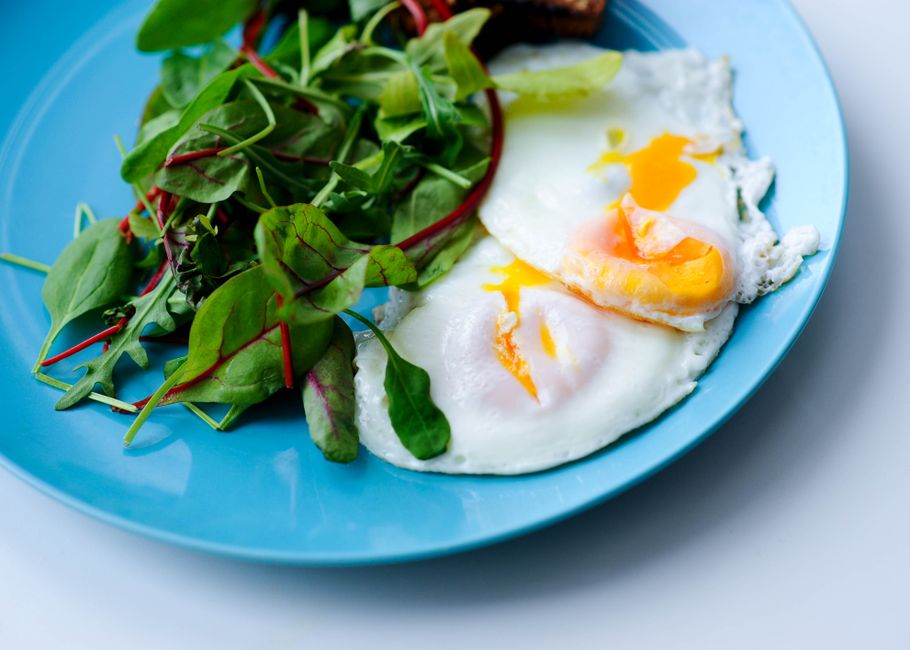
Ingredients
Building a **healthy** salad jar starts with selecting fresh, nutrient-dense ingredients that keep well throughout the week. Choose your base greens wisely—**spinach** offers iron and folate, **kale** provides vitamins K and C, while mixed greens add variety and texture. Dark leafy greens hold up better than delicate lettuce varieties when stored properly.
Protein choices transform your salad from a side dish into a satisfying main meal. **Grilled chicken breast** delivers lean protein that stays fresh for days, while **hard-boiled eggs** offer budget-friendly nutrition with healthy fats. For plant-based options, firm **tofu** absorbs flavors beautifully and provides complete protein. Cook proteins in bulk on Sunday to streamline your weekday prep.
Healthy fats and complex carbs round out your nutritional profile. **Avocado** adds creaminess and heart-healthy monounsaturated fats, though it’s best added fresh before eating. **Nuts and seeds**—like almonds, walnuts, pumpkin seeds, or sunflower seeds—provide satisfying crunch and omega-3 fatty acids. Whole grains such as **quinoa**, **brown rice**, or **whole-grain pasta** offer sustained energy and fiber that keeps you full between meetings.
Quick pick: Compare top-rated Healthy options.
Dressing Options
The right dressing makes or breaks your jar salad experience. **Balsamic vinaigrette** combines tangy balsamic vinegar with olive oil, creating a classic flavor that complements most ingredient combinations. Mix three parts oil to one part vinegar, add a touch of Dijon mustard for emulsification, and season with salt and pepper.
**Lemon-tahini dressing** brings Middle Eastern flair to your meal prep routine. Whisk together tahini paste, fresh lemon juice, minced garlic, and water until smooth and pourable. This dairy-free option delivers calcium from sesame seeds and pairs exceptionally well with roasted vegetables and chickpeas.
**Honey-mustard dressing** offers a sweeter profile that appeals to picky eaters and kids. Combine Dijon mustard, honey, apple cider vinegar, and a neutral oil like avocado or grapeseed. The natural antimicrobial properties in honey and mustard help preserve freshness throughout the week. Store all dressings in small mason jars or squeeze bottles for easy portioning.
Prep Steps
Successful meal prep begins with proper ingredient preparation on your chosen prep day. **Wash and dry your greens** thoroughly using a salad spinner—excess moisture is the enemy of crisp salads and can cause premature wilting. Spread washed greens on clean kitchen towels to air-dry completely before storage.
**Cook and prepare your protein** in batches to maximize efficiency. Season chicken breasts with herbs and bake at 375°F for 25-30 minutes until internal temperature reaches 165°F. Boil eggs for exactly 10 minutes, then transfer to an ice bath for easy peeling. Press tofu between paper towels, cube it, and pan-fry with a splash of soy sauce until golden.
**Chop and prepare your fats and carbs** into bite-sized portions for easy eating. Cook quinoa or brown rice according to package directions and let cool completely before jarring. Toast nuts in a dry skillet to enhance their flavor—this step takes just three minutes but dramatically improves taste. Prep all vegetables by washing, drying, and cutting into uniform pieces that fit comfortably in your containers.
Meal Prep Containers
Container selection directly impacts how well your salads stay fresh through the week. **Wide-mouth mason jars** are the gold standard for salad jars—the one-quart size holds a generous lunch portion while the wide opening makes layering and eating easy. Glass containers won’t absorb odors or stains like plastic alternatives.
**Ensure containers are clean and dry** before assembly to prevent bacterial growth. Run jars through the dishwasher or hand-wash with hot soapy water, then air-dry completely upside down on a clean towel. Even a few drops of water can create soggy spots that compromise texture and freshness.
Invest in quality airtight lids that seal completely—the rubber gaskets on mason jar lids create a vacuum seal that keeps ingredients fresh longer. For portability, consider leak-proof plastic lids designed specifically for mason jars. Label each jar with the preparation date using masking tape and a marker to track freshness at a glance.
Assembly Instructions
Proper layering order is the secret to keeping salads crisp until you’re ready to eat. **Start with dressing at the bottom** of your jar—this prevents greens from getting soggy and allows heavier ingredients to marinate. Pour 2-3 tablespoons of your chosen dressing directly into the clean, dry jar.
**Add ingredients in strategic layers** based on density and moisture sensitivity. Next comes your **carbs**—quinoa, rice, or pasta creates a barrier between wet dressing and delicate toppings. Follow with **proteins and hearty vegetables** like cucumbers, bell peppers, or cherry tomatoes that can handle contact with dressing. Add **healthy fats** like nuts or cubed cheese in the middle layers.
**Pack greens last** at the very top of the jar, filling to the brim for maximum freshness. Press them down gently but don’t crush—you want them snug against the lid to minimize air exposure. Keep crunchy toppings like croutons, crispy chickpeas, or tortilla strips in separate small containers to add just before eating. Screw lids on tightly and store jars upright in the refrigerator so dressing stays at the bottom.
Storage and Shelf Life
**Store prepared salad jars in the refrigerator** immediately after assembly at 40°F or below. Position jars upright on shelves rather than in door compartments—door storage experiences more temperature fluctuation from frequent opening. Keep jars toward the back of shelves where temperatures remain most consistent.
**Consume within 3-5 days for optimal freshness** and food safety. Heartier greens like kale and spinach last toward the five-day mark, while delicate mixed greens are best eaten within three days. Proteins follow standard food safety guidelines—cooked chicken and hard-boiled eggs stay fresh for four days, while tofu extends to five days when stored properly.
Watch for signs that ingredients have passed their prime. Wilted, slimy, or discolored greens indicate spoilage, as do off odors when you open the jar. Trust your senses—if something smells or looks questionable, it’s safer to discard it. To extend shelf life, prep jars later in the week (Tuesday or Wednesday) if you find five days pushes freshness limits in your routine.
Serving Ideas
When lunch hour arrives, serving your jar salad correctly maximizes the meal prep magic. **Shake the jar vigorously** to distribute dressing throughout all ingredients—this takes about 10-15 seconds of vigorous shaking. The layering method ensures dressing reaches every component when mixed. You can eat directly from the jar for minimal cleanup at your desk or in your car.
**Pour salad into a bowl** for a more traditional eating experience that makes it easier to add fresh toppings. Simply unscrew the lid and dump the entire contents into a wide, shallow bowl. The ingredients tumble out in perfect reverse order, with greens on the bottom and dressing-coated components on top. Toss gently with a fork to combine thoroughly.
Transform your basic jar salad by adding **fresh elements at serving time**. Dice a ripe avocado, squeeze fresh lemon juice over the top, or sprinkle on those crunchy toppings you kept separate. Warm your protein in the microwave for 30 seconds if you prefer hot chicken or tofu over cold. Pair your salad with whole-grain crackers, a piece of fruit, or a cup of soup to round out a balanced lunch that fuels your afternoon.
Frequently Asked Questions (FAQ)
Can I use different types of greens in my salad jar?
Yes, mixing greens adds nutritional variety and prevents flavor fatigue throughout the week. Combine sturdy **kale with peppery arugula**, or mix **spinach with crisp romaine** for textural contrast. Rotate your greens weekly to maximize vitamin and mineral diversity—each variety offers unique phytonutrients. Avoid delicate lettuces like butter lettuce or mesclun that wilt quickly in jar storage.
How long will the prepared salad jars last in the refrigerator?
Properly assembled salad jars remain fresh for **3-5 days when stored at 40°F or below**. The exact timeline depends on ingredient choices—hardy vegetables and cooked proteins last longer than delicate greens and raw fish. Label jars with prep dates and eat oldest jars first. Follow the “first in, first out” principle to minimize waste and ensure you’re always eating the freshest option available.
Can I freeze my salad jar for later consumption?
Freezing salad jars is not recommended because **water content in vegetables forms ice crystals** that rupture cell walls, creating mushy textures when thawed. Greens, cucumbers, and tomatoes turn watery and lose their appealing crunch. Dressings separate during freezing and don’t re-emulsify properly. Instead, prep jars twice weekly—on Sunday for Monday through Wednesday, then on Wednesday for Thursday and Friday—to maintain optimal freshness without freezing.
Top Product Recommendations
| Product Name | Rating | Key Feature | Est. Price | Action |
|---|---|---|---|---|
| Best Healthy Pick | ★★★★★ | Top-rated overall | $25–$45 | Check Lowest Price on Amazon |
| Budget Healthy Option | ★★★★☆ | Great for beginners | $12–$28 | Check Lowest Price on Amazon |
| Premium Healthy Choice | ★★★★☆ | Pro-level results | $50–$90 | Check Lowest Price on Amazon |
Affiliate Disclosure: This post contains affiliate links. We may earn a commission if you buy through our links, at no extra cost to you.
Leave a Reply