{## Why Gut Health Matters More Than Ever in 2026
If you’ve been searching for the **best probiotic drinks for gut health in 2026**, you’re already ahead of the curve. Your gut microbiome — home to trillions of bacteria, fungi, and other microorganisms — governs far more than digestion. It shapes your immune response, influences mood through the gut-brain axis, and plays a measurable role in weight regulation. For American households trying to eat smarter without overhauling their entire lifestyle, probiotic drinks offer one of the lowest-effort, highest-impact upgrades available.
Probiotics are live bacteria and yeasts that, when consumed in adequate amounts, replenish and diversify the beneficial microbes in your digestive tract. Consistent intake has been linked to reduced bloating, improved bowel regularity, stronger immunity, and sharper mental clarity. Three things to look for before you buy:
- **Strain diversity** — *Lactobacillus* and *Bifidobacterium* species together offer the broadest documented benefits
- **CFU count** — aim for at least 1 billion colony-forming units per serving
- **Live and active cultures** — must be viable at the time you drink it, not just at the manufacturing date
—
Top Probiotic Drinks Worth Adding to Your Routine
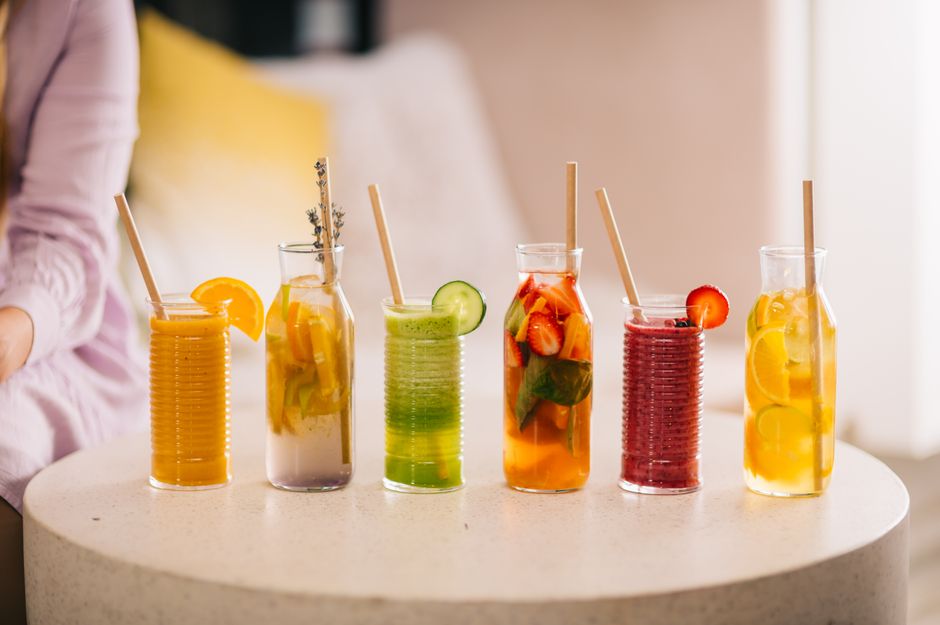
**Kefir** remains the most potent option on the market. Fermented with kefir grains, a single 8-ounce cup delivers 25–30 billion CFUs across up to 61 microbial strains — a number no supplement capsule reliably matches. Its tangy, lightly effervescent flavor blends easily into smoothies or pairs well with fruit.
**Kombucha** has cemented itself as a mainstream staple at US grocery stores and coffee shops alike. Brewed by fermenting sweetened tea with a SCOBY (symbiotic culture of bacteria and yeast) over 7–14 days, it produces organic acids, B vitamins, and live cultures in a fizzy, refreshing format. One watch-out: commercial versions can run 10–12g of sugar per bottle, so check the label before you buy.
**Drinkable yogurt blends** are the most beginner-friendly entry point — widely available, sold in familiar flavors, and straightforward to read. Look for labels listing at least three live culture strains and no added sugar.
Beyond those three staples, a few healthy fermented drinks worth exploring:
- **Water kefir** — dairy-free, made with water kefir grains and coconut water; ideal for lactose-intolerant drinkers
- **Miso broth** — fermented soybean paste dissolved in warm (not boiling) water; rich in *Lactobacillus* and digestive enzymes
- **Kvass** — an Eastern European rye-bread ferment gaining steady traction in US health food stores
—
Quick pick: Compare top-rated Healthy options.
How to Choose the Right Probiotic Drink
The label saying “live cultures” doesn’t automatically mean you’re getting meaningful gut support. Strain diversity, CFU count, sugar load, and proper storage all determine whether a drink delivers real results or just tastes healthy.
Always verify the expiration date and refrigeration requirements. Most refrigerated probiotic drinks lose potency quickly after opening. Shelf-stable options are convenient but typically carry lower live culture counts. If a label omits specific strain names — such as *L. acidophilus* or *B. longum* — treat that as a red flag.
| Drink | Avg CFU per Serving | Dairy-Free | Best For |
|---|---|---|---|
| Kefir (milk) | 25–30 billion | No | Maximum probiotic diversity |
| Kombucha | 1–3 billion | Yes | Digestive enzymes + probiotics |
| Water Kefir | 10–15 billion | Yes | Lactose intolerance |
| Drinkable Yogurt | 5–10 billion | No | Beginner-friendly flavor |
| Miso Broth | Variable | Yes | Savory gut support |
—
When and How to Drink Probiotics for Best Results
Timing is a real factor. Drinking probiotic beverages **30 minutes before a meal** — or alongside a small amount of food — buffers stomach acid and improves the survival rate of live cultures through your digestive tract. An entirely empty stomach exposes bacteria to peak gastric acid levels, reducing viability.
Pair your probiotic drink with **prebiotic foods** to amplify the effect. Bananas, oats, garlic, and onions feed the beneficial bacteria you’re introducing, creating what researchers call a synbiotic response. A morning routine built around kefir, oatmeal, and a sliced banana is a practical, budget-friendly version of this approach.
A few additional timing and pairing rules:
- Avoid mixing probiotic drinks with **hot beverages** — temperatures above 115°F kill live cultures
- Wait at least **2 hours after taking antibiotics** before drinking probiotics — antibiotics neutralize the bacteria
- If you’re new to fermented drinks, start with **4 oz per day** to avoid digestive upset and increase gradually
—
Make Your Own Probiotic Drinks at Home
Homemade batches cost roughly $0.30–$0.60 per serving compared to $3–$5 for store-bought options, and they give you full control over sugar levels and fermentation time.
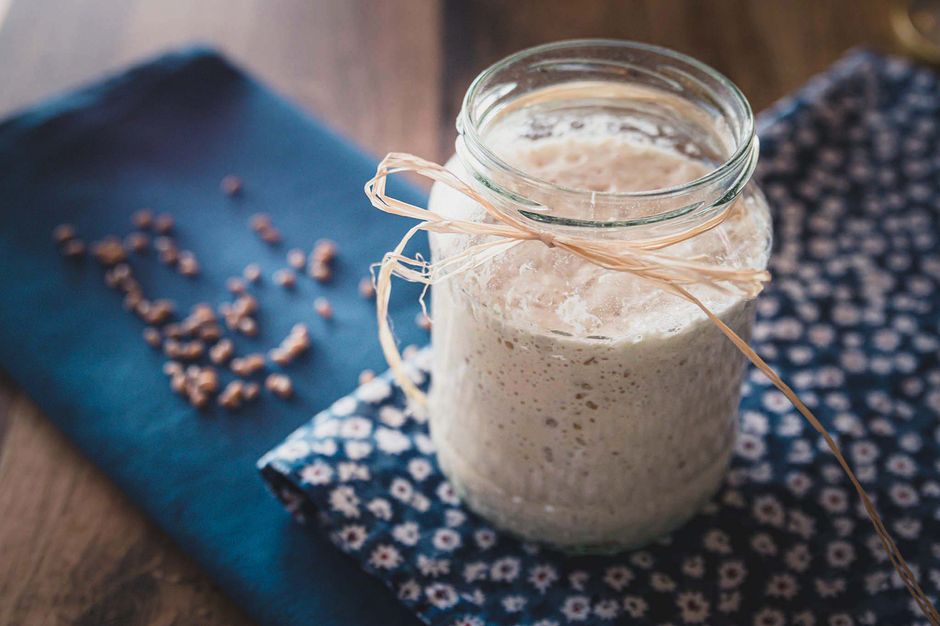
**Homemade milk kefir** is the simplest starting point. Add 1 tablespoon of kefir grains (available online) to 2 cups of whole milk, cover loosely, and ferment at room temperature for 24–48 hours. Strain out the grains, refrigerate the kefir, and reuse the grains for the next batch.
**Basic kombucha** requires a SCOBY, 1 cup of starter liquid, 1 gallon of brewed black or green tea, and 1 cup of white sugar. Combine in a glass jar, cover with breathable cloth, and ferment for 7–10 days at 68–78°F. For carbonation and added flavor, do a **second fermentation** of 2–3 days in a sealed bottle with a splash of fruit juice.
Common mistakes that ruin a batch:
- **Chlorinated tap water** — kills cultures; always use filtered water
- **Metal containers** — use glass or food-grade ceramic only
- **Inconsistent temperature** — fluctuations stall or distort fermentation
- **Over-fermenting** — results in an overly acidic drink with diminished flavor and palatability
Flavor add-ins that work well during second ferment: fresh ginger, frozen mango, lemon zest, blueberries, or a cinnamon stick.
—
Ingredient Swaps and Dietary Modifications
Dietary restrictions don’t have to limit your options. For **vegan kefir**, full-fat coconut milk or cashew milk support culture growth — the higher fat content helps. Strain diversity may be slightly lower than dairy kefir, but the gut benefit remains meaningful.
Watching calories or managing blood sugar? **Plain water kefir made with coconut water** delivers natural electrolytes with minimal added sugar. For low-carb or diabetic diets, look for **kombucha with under 4g of sugar per serving**, or use miso broth, which carries virtually no sugar at all. Many mainstream brands now offer sugar-free kombucha sweetened with monk fruit or stevia.
Quick-reference swaps for common dietary needs — all within a healthy eating framework:
- **Lactose intolerant** → Water kefir, kombucha, or miso broth
- **Low-sugar diet** → Short-fermented kombucha or unsweetened kefir
- **Vegan** → Coconut milk kefir or fruit-juice-based water kefir
- **Budget-conscious** → Homemade batches at $0.30–$0.60 per serving
—
Side Effects, Precautions, and Who Should Be Careful
Probiotic drinks are safe for most healthy adults, but a few groups should proceed carefully. People with **compromised immune systems** — those undergoing chemotherapy, organ transplant recipients, or individuals with HIV — should consult a physician before introducing high-CFU fermented beverages, as live bacteria can occasionally cause complications in these populations.
First-time users commonly experience **temporary bloating, gas, or loose stools** during the first one to two weeks. This is a normal recalibration response. Scale back to a smaller serving size if symptoms feel uncomfortable and build up gradually over two to three weeks. Persistent diarrhea, severe cramping, or allergic reactions are signals to stop and contact a healthcare provider.
Pregnant women can generally consume **pasteurized** probiotic drinks without concern, but unpasteurized kombucha and raw fermented beverages carry a small contamination risk. When in doubt during pregnancy, stick to commercially produced, lab-tested products.
—
Frequently Asked Questions (FAQ)
Are all probiotic drinks equally effective for gut health?
No. Effectiveness varies significantly based on strain diversity, CFU count, and whether live cultures survive long enough to reach your gut. Milk kefir consistently offers the highest strain count. Some commercial kombucha brands have reduced viable culture levels due to pasteurization or extended shelf storage — check that the label specifies live cultures and lists strain names.
Can you drink too many probiotic beverages in a day?
More than two to three servings per day can trigger bloating, gas, and digestive discomfort in some people. There’s no clinical evidence that exceeding one daily serving adds meaningful benefit — moderation is the most evidence-supported approach for long-term gut maintenance.
Do probiotic drinks help with IBS or autoimmune conditions?
Research shows meaningful results for IBS-D (diarrhea-predominant IBS), with strains like *Lactobacillus plantarum* and *Bifidobacterium infantis* demonstrating measurable symptom reduction in clinical studies. For autoimmune conditions, the gut-immune connection is well-documented, but probiotic drinks should complement — not replace — prescribed treatment. Discuss with your doctor before using fermented beverages as part of any condition management plan.
How long does it take to notice gut health improvements from probiotic drinks?
Most people report reduced bloating and improved regularity within two to four weeks of consistent daily intake. Immune and mood-related benefits typically take longer — six to eight weeks of daily use is the threshold most nutrition researchers use in studies measuring systemic effects.
What’s the best probiotic drink for someone just starting out?
Drinkable yogurt or a low-sugar commercial kombucha is the easiest entry point for beginners — familiar flavor profiles, widely available at any US grocery store, and gentler on a gut that hasn’t been exposed to high-CFU fermented foods before. From there, transitioning to milk kefir gives you significantly more strain diversity as your tolerance builds.
Top Product Recommendations
| Product Name | Rating | Key Feature | Est. Price | Action |
|---|---|---|---|---|
| Top-rated milk kefir grains probiotic starter | ★★★★★ | Editor-recommended milk kefir grains probiotic starter from this guide | $18–$42 | Check Lowest Price on Amazon |
| Best-value kombucha SCOBY starter kit | ★★★★☆ | Affordable kombucha SCOBY starter kit — strong everyday results | $12–$28 | Check Lowest Price on Amazon |
| Premium low sugar probiotic kombucha drinks | ★★★★☆ | Higher-end low sugar probiotic kombucha drinks for visible, lasting results | $45–$95 | Check Lowest Price on Amazon |
Affiliate Disclosure: This post contains affiliate links. We may earn a commission if you buy through our links, at no extra cost to you.
Leave a Reply