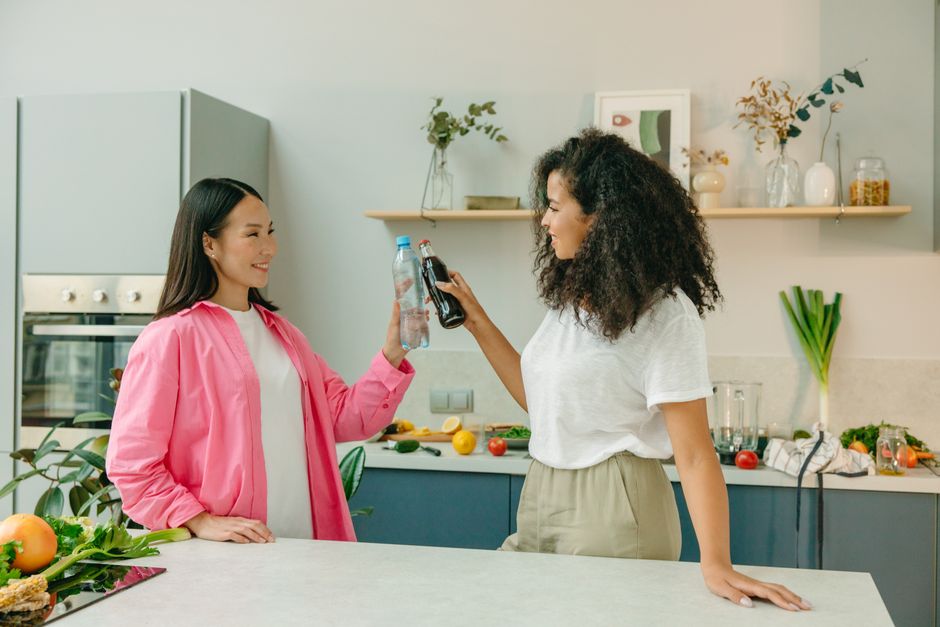
Why Your Gut Microbiome Deserves Attention in 2026

Gut health has officially moved from fringe wellness trend to mainstream nutrition priority. For millions of Americans dealing with bloating, irregularity, and low energy, the gut microbiome is the missing piece that whole-food eating and regular exercise alone cannot fix. The community of trillions of bacteria living in your digestive tract influences everything from immune function to mood stability through the gut-brain axis, making it one of the most impactful areas to optimize in your daily routine.
Probiotic drinks offer a practical, food-first way to support that microbiome without swallowing handfuls of supplements. Unlike capsules, fermented beverages deliver live cultures in a matrix that your stomach acid is less likely to destroy before the bacteria reach your intestines. For US home cooks looking for budget-conscious ways to feel better daily, adding one quality probiotic drink to your routine costs less than a coffee and can deliver measurable benefits within two to four weeks of consistent use.
**Key reasons gut health matters in 2026:**
- Digestive complaints remain the top reason Americans miss work and school
- Research increasingly links gut bacteria to mental clarity and immune resilience
- Fermented foods and drinks are now mainstream at every major US grocery chain
—
Editor’s pick: organic kombucha live cultures — see current prices and reviews.
How Probiotic Drinks Work: The Science Simplified
Probiotics are live beneficial bacteria — not magical cure-alls, but genuine crowd-pleasers for restoring microbial balance in your gut. When you consume a probiotic drink, you’re introducing specific bacterial strains that can colonize your intestines, outnumber harmful bacteria, and support better digestion. The most widely studied strains include *Lactobacillus acidophilus*, *Bifidobacterium*, and *Saccharomyces boulardii*, each targeting slightly different aspects of gut function.
CFU (colony-forming unit) counts tell you how many viable bacteria are in each serving. For general maintenance, 10–20 billion CFUs per day is a solid target. During or after antibiotic use, or when addressing specific symptoms like bloating, 50–100 billion CFUs daily may be more effective. Lower CFU counts below 5 billion per serving are unlikely to produce noticeable results, so check labels before you buy.
Prebiotics are the fiber compounds that feed probiotic bacteria — think of them as fertilizer for your gut garden. Postbiotics are the beneficial compounds probiotic bacteria produce as they metabolize, including short-chain fatty acids that support gut lining integrity. A quality probiotic drink strategy combines all three: live cultures, something to feed them, and the resulting metabolites your body absorbs.
**What to realistically expect:**
- First 1–2 weeks: possible mild die-off symptoms as bacterial balance shifts
- Weeks 2–4: reduced bloating, more regular bowel movements
- Weeks 4–8: improved energy, fewer sugar cravings, clearer skin
—
Kombucha: The Top-Ranked Probiotic Drink for 2026

Kombucha has earned its spot as the most popular probiotic beverage in the United States, and for good reason. This fermented tea combines green or black tea with sugar and a SCOBY (symbiotic culture of bacteria and yeast) to produce a lightly carbonated, tangy drink rich in lactic acid bacteria and *Saccharomyces boulardii*. The tea base also provides gentle caffeine and antioxidants, giving you a probiotic boost alongside a modest energy lift.
When shopping for kombucha at your local grocery store, look for labels that say “live active cultures” and check that the product is refrigerated — pasteurized kombucha sitting on room-temperature shelves contains little to no active probiotics. Quality brands list specific bacterial strains and CFU counts on their packaging. Avoid varieties with more than 8 grams of added sugar per serving, as excess sugar can feed harmful gut bacteria and cancel out the probiotic benefit.
Homemade kombucha gives you control over sugar content, fermentation strength, and flavoring ingredients. A basic home brew uses tea, sugar, water, and a SCOBY starter — you can find starter kits online or at natural food stores for under $15. Expect your first batch to take 7–14 days to ferment, with subsequent batches taking as little as 4–7 days once your SCOBY colony is established and vigorous.
**Top US grocery brands worth buying:**
- **GT Dave’s Kombucha** — wide availability, multiple flavors, clearly labeled CFU counts
- **Health-Ade Kombucha** — organic, small-batch, premium-quality strains
- **KeVita Kombucha** — lower sugar options, Sparkling Masterbrew varieties
—
Kefir: The High-Potency Probiotic Drink You’re Probably Missing
If kombucha is the gateway probiotic drink, kefir is the power user upgrade. Kefir contains a broader range of bacterial strains than kombucha — typically 10–20 different species including multiple *Lactobacillus* and *Bifidobacterium* varieties in a single serving. A quality milk kefir can deliver 50–100 billion CFUs per cup, making it one of the most potent probiotic beverages available without a supplement prescription.
Milk kefir and water kefir serve different dietary needs. Milk kefir fits traditional and primal eating patterns, providing protein, calcium, and vitamin K2 alongside probiotics. Water kefir is dairy-free and gentler on the gut, fermenting in sugar water with mineral-rich additions like sea salt and dried fruit. Both are easy to make at home using reusable kefir grains, which multiply over time and essentially pay for themselves after the first few batches.
For bloating and irregularity specifically, kefir often outperforms kombucha because of its higher strain diversity and thicker, more coating consistency in the gut. Drink it plain, blend it into smoothies with frozen berries and a handful of spinach, or use it as a tangy base for salad dressings and overnight oats. The probiotic bacteria in kefir also produce enzymes that help break down lactose, making it tolerable for many people with mild dairy sensitivity.
**Budget hack:**
- One $8 pack of milk kefir grains makes unlimited batches
- Each quart of homemade milk kefir costs under $0.50 in ingredients
- Weekly homemade supply for one person costs roughly $2–3 compared to $20+ for store-bought
—
Synbiotic Drinks: The New 2026 Standard in Probiotic Beverages
Synbiotic beverages represent the most exciting evolution in the gut-health drink category. A synbiotic combines probiotic bacteria with prebiotic fiber in a single product, so the live cultures have immediate food available as soon as they reach your gut. This pairing significantly improves bacterial survival rates through your stomach acid and increases the likelihood that the probiotics actually colonize your intestines rather than passing through without impact.
The US market for synbiotic drinks expanded rapidly through 2025 and 2026 as consumers grew more educated about prebiotic fiber. Sparkling synbiotic waters offer a low-calorie, approachable entry point — flavored with real fruit, carbonated for satisfaction, and sweetened with prebiotic fibers like inulin or galactooligosaccharides (GOS) that feed gut bacteria without spiking blood sugar. These drinks typically contain 5–15 grams of prebiotic fiber per serving alongside 10–25 billion CFUs of probiotic bacteria.
You can create your own synbiotic drinks at home by combining a store-bought probiotic beverage with a prebiotic fiber source. Mix kefir with a tablespoon of ground flaxseed, stir chia seeds into kombucha and let them hydrate for 20 minutes, or blend yogurt with banana and a handful of oats. This DIY approach gives you the synbiotic benefit at a fraction of the cost of premium branded products.
| Feature | Kombucha | Kefir | Synbiotic Water |
|---|---|---|---|
| **Typical CFU count** | 5–30 billion | 50–100 billion | 10–25 billion |
| **Prebiotic fiber** | Low | Moderate | High |
| **Sugar per serving** | 4–12 grams | 4–8 grams | 0–4 grams |
| **Best for** | Energy, gut diversity | Bloating, irregularity | Daily gut maintenance |
| **Diet fit** | Vegan | Dairy-tolerant | All diets |
—
Yakult-Style Probiotic Shots: Small Bottles, Big Claims
Mini probiotic shots like Yakult and similar lactobacillus-focused beverages have built a massive following by packaging concentrated probiotic benefits in a portable 2–3 fluid ounce bottle. These drinks are specifically formulated with *Lactobacillus acidophilus* and related strains in a milk-based suspension that protects the bacteria through your stomach acid with remarkable efficiency. The small serving size also makes them easy to take daily without interrupting a busy schedule.
The main advantage of probiotic shots is targeted strain delivery. Unlike broad-spectrum drinks that contain a variety of bacterial species, mini shots focus on heavily researched *Lactobacillus* strains with decades of clinical data supporting their effectiveness for digestive regularity and immune function. For people who experience bloating or irregularity as their primary gut complaint, these targeted shots can deliver faster, more noticeable results than more complex fermented beverages.
The honest cost breakdown matters here. A daily probiotic shot habit costs $30–60 per month depending on brand, which adds up to $360–720 annually. For comparison, homemade kefir or kombucha provides equivalent or higher CFU counts for under $3 per week. Probiotic shots are worth the premium for travel, convenience, or initial gut re-colonization phases, but most people can transition to homemade drinks after the first month and maintain exc nt gut health at a fraction of the cost.
**Who benefits most from probiotic shots:**
- People with specific lactobacillus-sensitive digestive issues
- Travelers who need portable gut support without refrigeration concerns
- Those recovering from antibiotic courses who want concentrated re-colonization
—
The Probiotic Drink Already in Your Fridge
Raw apple cider vinegar with “the mother” — the cloudy strand of beneficial bacteria and enzymes — is one of the most underutilized probiotic beverages sitting in American kitchens right now. The fermentation process that creates apple cider vinegar produces acetic acid alongside trace amounts of probiotic bacteria, creating a drink that supports gut health, aids digestion, and may help regulate blood sugar responses when taken before meals.
Making a gut-friendly ACV drinking tonic at home requires no special equipment. Mix 1–2 tablespoons of raw apple cider vinegar with 8–10 ounces of water, a teaspoon of raw honey, a squeeze of fresh lemon juice, and a pinch of ground ginger. This ratio balances the vinegar’s sharp acidity with enough sweetness to make the drink palatable while preserving the probiotic benefit. Drink it in the morning on an empty stomach or 15–20 minutes before your largest meal of the day.
This DIY tonic outperforms most expensive gut-health drinks for daily maintenance because it costs pennies per serving and provides additional benefits like appetite regulation and improved insulin sensitivity. The key is choosing unfiltered, unpasteurized apple cider vinegar that lists “mother” on the label — products like Bragg Apple Cider Vinegar are widely available at every major US grocery chain. The live culture strands in the mother contain probiotic bacteria that filtered and pasteurized varieties destroy during processing.
—
7 Signs Your Probiotic Drink Is Actually Working
Tracking your gut health progress does not require expensive tests or complicated apps. Your body sends clear signals within the first two to four weeks of consistent probiotic drink consumption that tell you the bacteria are taking hold and making a difference. Paying attention to these signals helps you stay motivated and confirm that your chosen drink is the right fit for your specific gut needs.
The first and fastest sign is reduced abdominal bloating, typically noticeable within 10–14 days of daily probiotic consumption. As beneficial bacteria outnumber harmful strains, they produce enzymes that break down food more completely, reducing the gas and pressure that causes bloating after meals. Most people also notice more regular bowel movements without the need for fiber supplements or stool softeners by week three.
**Seven indicators that your probiotic drink is working:**
- **Reduced bloating** within 10–14 days of starting a daily probiotic drink
- **More regular bowel movements** without relying on fiber supplements or laxatives
- **Fewer sugar cravings** mid-afternoon as gut bacteria balance improves
- **Clearer skin** — the gut-skin connection reduces breakouts and inflammation
- **Fewer cold and flu episodes** during winter months due to stronger immune resilience
- **Improved mood stability** — the gut-brain axis produces more consistent neurotransmitter levels
- **Better sleep quality** — a balanced microbiome supports deeper REM cycles
—
Common Mistakes That Cancel Out Probiotic Drink Benefits
Even the highest quality probiotic drink can deliver disappointing results if you make a handful of common errors that most Americans never think to avoid. These mistakes range from simple timing errors to ingredient choices that actively undermine the beneficial bacteria you’re working so hard to cultivate. Understanding what not to do is just as important as choosing the right product.
The heat trap is the most widespread mistake: pouring hot coffee into your kombucha, adding kefir to a hot smoothie, or drinking apple cider vinegar in boiling water destroys the live cultures before they can reach your gut. Always use room-temperature or cold liquids when preparing probiotic beverages. The golden rule is straightforward — if the liquid would burn your tongue, it will kill your probiotics.
Sugar-loaded probiotic drinks are the second biggest problem. Many commercial kombucha and flavored kefir products contain 10–15 grams of added sugar per serving, which feeds harmful gut bacteria and can worsen bloating rather than improve it. Read nutrition labels carefully and choose options with less than 5 grams of added sugar per serving. Even naturally sweet fermented drinks benefit from being paired with actual prebiotic fiber rather than additional sweeteners.
**Other critical mistakes to avoid:**
- Skipping your probiotic drink during antibiotic treatment — separate doses by 2–3 hours instead
- Drinking only one serving per week — consistency matters more than quantity
- Choosing pasteurized products labeled “probiotic” — always check for live active cultures
- Failing to combine probiotic drinks with prebiotic fiber foods like garlic, onions, and asparagus
—
How to Make Probiotic Drinks Part of Your Weekly Meal Prep
Integrating probiotic drinks into your weekly meal prep is simpler than most people assume, and it dramatically cuts costs while ensuring you never run out of gut-health support. A well-planned weekly rotation can provide all the probiotic benefits you need for under $25 including ingredients, which breaks down to roughly $3.50 per day — less than a single store-bought specialty drink.
The most effective weekly structure uses three different probiotic drinks across seven days to maximize strain diversity. Monday through Wednesday: one serving of kombucha with breakfast. Wednesday through Friday: one serving of kefir in a morning smoothie or overnight oats. Saturday and Sunday: an ACV tonic in the morning plus a synbiotic water as an afternoon refreshment. This rotation exposes your gut to the widest possible range of bacterial strains and prebiotic fibers throughout the week.
Batch-brewing kombucha at home requires a 1-gallon glass jar, a SCOBY, black or green tea, and sugar — the SCOBY does most of the work over 7–14 days with zero daily attention required. Kefir grains need only 24–48 hours in fresh milk on the counter, then straining and refrigeration. Both drinks keep for 2–3 weeks in the refrigerator, making Sunday batch prep a realistic 20-minute task that covers your entire week’s supply.
**Budget grocery list for a gut-health week (under $25):**
- Unfiltered apple cider vinegar ($5–7)
- Black and green tea for kombucha ($4–6)
- Organic milk or dairy-free milk for kefir ($5–7)
- Prebiotic fiber supplements or flaxseed ($4–5)
- Seasonal fruit for flavoring ($3–5)
—
Frequently Asked Questions (FAQ)
How many probiotic drinks should I drink per day for gut health?
Most nutrition experts recommend 1 serving (8–12 fluid ounces) of a quality probiotic drink per day for general gut maintenance. During periods of digestive distress, after completing an antibiotic course, or when first addressing chronic bloating, 2 servings daily for 2–4 weeks can accelerate gut bacteria re-colonization. The most important factor is consistency — a daily kombucha or kefir outperforms sporadic large doses every single time in clinical and consumer studies.
Are store-bought kombucha and kefir as effective as homemade versions?
Store-bought kombucha and kefir from reputable brands are genuinely effective, particularly unpasteurized, refrigerated varieties that list live active cultures and strain information on the label. Major brands like GT Dave’s, Health-Ade, and Lifeway maintain rigorous quality standards for their fermented products. Homemade versions can contain higher CFU counts and fresher bacterial strains, but require consistent technique and proper fermentation management. For most US home cooks, quality store-bought drinks are the most reliable daily option.
Do probiotic drinks actually help with bloating and gas?
Yes — for the vast majority of people, consistent daily probiotic drink consumption reduces bloating and gas within 1–3 weeks. Clinical studies on *Lactobacillus acidophilus* and *Bifidobacterium* strains found in kefir and kombucha show significant improvement in microbial gut balance, which is the primary driver of post-meal bloating. Individual results vary based on diet quality, stress levels, and underlying gut composition, but the evidence for probiotic beverages reducing functional bloating is robust and well-established.
Explore more healthy guides on our site.
Top Product Recommendations
| Product Name | Rating | Key Feature | Est. Price | Action |
|---|---|---|---|---|
| Top-rated organic kombucha live cultures | ★★★★★ | Editor-recommended organic kombucha live cultures from this guide | $18–$42 | Check Lowest Price on Amazon |
| Best-value raw apple cider vinegar with mother | ★★★★☆ | Affordable raw apple cider vinegar with mother — strong everyday results | $12–$28 | Check Lowest Price on Amazon |
| Premium milk kefir grains starter kit | ★★★★☆ | Higher-end milk kefir grains starter kit for visible, lasting results | $45–$95 | Check Lowest Price on Amazon |
Affiliate Disclosure: This post contains affiliate links. We may earn a commission if you buy through our links, at no extra cost to you.
Leave a Reply