
If you want real, satisfying bread on a keto diet without spending hours researching recipes or wasting money on dry, crumbly store-bought loaves, this guide covers everything you need. By the end, you’ll know which store-bought brands actually work, how to bake a perfect low-carb loaf in under 30 minutes, and how to avoid the most common keto bread mistakes that trip up almost every beginner.
What Makes Keto Bread Actually Work: The 2026 Breakdown

Keto bread fails for one simple reason: most people treat it like regular bread and expect the same results. The science behind a loaf that stays under 5 grams of net carbs per slice is fundamentally different from conventional wheat-based baking.
Start with the **net carb calculation**. Total carbohydrates on a nutrition label include fiber, but your body doesn’t process fiber the same way it processes glucose. Subtracting fiber (and sugar alcohols, if listed) from total carbs gives you net carbs — the number that actually matters for ketosis. Most successful keto breads keep net carbs between 1–4 grams per slice by loading up on insoluble fiber from almond flour, coconut flour, and psyllium husk.
Gluten plays a surprising role. Conventional wheat bread relies on gluten proteins to trap gas and create an elastic crumb structure. Many keto breads are gluten-free by default, which means they need **psyllium husk** or **xanthan gum** to mimic that structural elasticity. Without one of these binders, your loaf will crumble the moment you cut it.
Eggs are the non-negotiable backbone of most keto bread recipes. They provide leavening, fat, and protein in a single ingredient. Full-fat eggs create a richer, more satisfying crumb, while egg whites whipped to stiff peaks (as in cloud bread) add lift without the density. Fat content matters too — butter, avocado oil, and olive oil each behave differently in the oven. Butter adds flavor and moisture but can cause excess browning; avocado oil handles high heat better and keeps the crumb tender.
Protein ratio deserves more attention than it usually gets. Bread made purely from nut flours can leave you feeling hungry an hour later. Adding collagen peptides, vital wheat gluten (for non-celiac bakers), or extra egg whites boosts the protein-to-fat balance, which directly affects how long you stay full after eating a slice.
Editor’s pick: blanched almond flour bulk 2 lb — see current prices and reviews.
Top 5 Store-Bought Keto Breads Ranked by Net Carbs and Texture
Not everyone has time to bake, and the best store-bought keto breads have improved dramatically in recent years. Here’s how the leading options stack up on the two metrics that matter most: net carbs and how they actually feel when you bite into them.
| Brand | Net Carbs per Slice | Texture | Best For |
|---|---|---|---|
| Sola Golden Sweet Bread | 1g | Soft, slightly sweet | Sandwiches, French toast |
| Julian Bakery Keto Bread | 2g | Dense, chewy | Toasted with butter |
| Chompie’s Low-Carb Bread | 3g | Fluffy, fiber-forward | Daily toast routine |
| Unbun Paleo Sandwich Bread | 4g | Tender, grain-free | Gluten-free households |
| Aldi / Costco Store Label | 2–3g | Variable by batch | Budget-friendly bulk buy |
**Sola Golden Sweet Bread** earns the top spot for most people. It comes in at just 1 gram of net carbs per slice and holds up remarkably well to deli meats and sandwich spreads. The trade-off is availability — not every grocery store carries it, and it tends to sell out fast at Costco.
**Julian Bakery Keto Bread** wins on convenience. It’s shelf-stable, individually wrapped, and travels well. The texture is denser and chewier than Sola, which some people prefer for toasting but find underwhelming for thin-sliced sandwiches.
**Chompie’s Low-Carb Bread** appeals to home bakers who want a fluffy, familiar crumb without the dry, crumbly texture that plagues most low-carb loaves. At 3 grams of net carbs per slice, it sits in the middle of the pack but consistently outperforms competitors in texture reviews.
**Unbun Paleo Sandwich Bread** uses coconut flour and cassava as the base, making it a true grain-free option. It scores points for being allergy-friendly but runs higher in net carbs at 4 grams per slice and has a slightly earthy aftertaste that doesn’t appeal to everyone.
**Aldi and Costco store-label keto breads** are the wildcard picks for 2026. Quality varies by batch and location, but at roughly $4–6 per loaf, they beat every named brand on price. If you live near a Costco, the in-house keto-labeled bread is worth trying — many shoppers report it rivals Chompie’s texture at half the cost.
Best Keto Bread Recipe for Beginners: 5-Ingredient, 30-Minute Formula
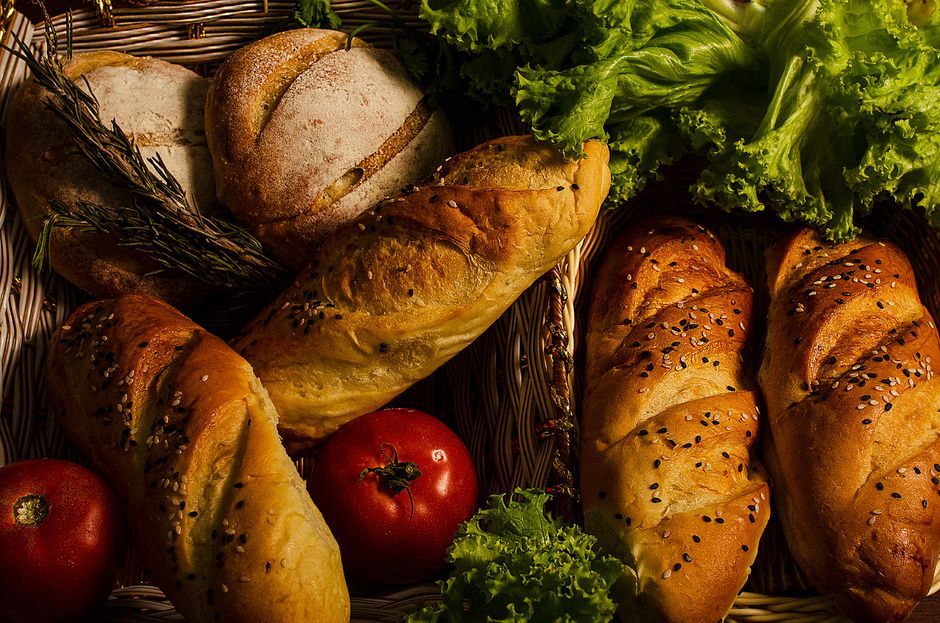
You don’t need a stand mixer, special equipment, or more than 30 minutes to bake a keto bread loaf that actually tastes good. This beginner recipe uses five pantry staples and produces a tender, sliceable loaf with roughly 2 grams of net carbs per serving.
**Ingredients:**
- 1½ cups blanched almond flour (not almond meal)
- 4 large eggs, room temperature
- ¼ cup melted butter or avocado oil
- 1 teaspoon baking powder
- ½ teaspoon psyllium husk powder
- ½ teaspoon fine sea salt
- Optional: 1 tablespoon apple cider vinegar (improves rise and neutralizes egg flavor)
The method matters more than the ingredients. Start with the wet ingredients — whisk eggs, fat, and vinegar together in a large bowl until combined. In a separate bowl, whisk the almond flour, baking powder, psyllium husk, and salt. Pour the dry mixture into the wet mixture and stir until a thick, uniform batter forms. Do not overmix once the flour is added.
Portioning makes a big difference in your results. Pour the batter into a **parchment-lined 8×4 loaf pan** for a standard sandwich loaf, or divide it into six portions in a muffin tin to make grab-and-go rolls. The muffin tin method is especially forgiving — individual rolls bake more evenly and develop a slightly crispier crust.
Bake at 350°F for 22–28 minutes. The loaf is done when the internal temperature reads 200°F on an instant-read thermometer, the top is golden brown, and a toothpick inserted into the center comes out clean. The tap test is a useful shortcut: tap the bottom of the loaf gently — if it sounds hollow, it’s done. If it sounds dull or soft, bake for another 3–5 minutes.
Let the loaf cool for at least 20 minutes before slicing. This isn’t optional on keto. Cutting too early causes the crumb to gum up and fall apart because the internal structure hasn’t set. A fully cooled loaf slices cleanly and holds deli meats without tearing.
The Ultimate Keto Bread Machine Recipe: Hands-Off Low-Carb Loaf
Bread machines have a reputation for producing dense, sunken loaves when used with low-carb flour blends. That reputation is mostly earned — standard white bread settings run too hot and too long for nut flour doughs. But with the right settings and ratios, your bread machine can produce a respectable keto loaf with zero hands-on work.
The critical setting is **gluten-free mode**. Most modern bread machines have one, and it runs at a lower temperature with a gentler kneading cycle. If your machine doesn’t have a gluten-free setting, use the **rapid bake** or **basic white** setting but stop the cycle 15–20 minutes early to prevent overbaking.
Flour blend for bread machines needs more structural support than a hand-mixed recipe. Increase the vital wheat gluten to 2 tablespoons and the psyllium husk to 1½ teaspoons per loaf. This compensates for the mechanical kneading action, which tends to break down the crumb structure of nut-only blends.
Adding seeds and nuts without clogging the paddle requires one simple trick: fold them in during the fruit-and-nut beep (usually 5–10 minutes before the end of the kneading cycle), or stir them into the dry ingredients before adding liquids so they distribute evenly from the start. Sunflower seeds, pumpkin seeds, and chia seeds all work well and add crunch and healthy fats.
Slice and freeze immediately after cooling. Keto bread machines loaves tend to dry out faster than conventional bread, so slice the loaf while slightly warm, lay the slices in a single layer on a baking sheet, freeze for 30 minutes to firm them up, then transfer to a zip-top bag. Toast from frozen in 2–3 minutes for the best texture.
Cloud Bread, Egg Loaf, and Oopsie Rolls: No-Flour Keto Bread Alternatives
Sometimes you don’t want flour at all. No-flour keto breads rely entirely on eggs and fat to create structure, and when made correctly, they deliver a uniquely airy, low-carb eating experience that wheat bread simply cannot match.
**Cloud bread** is the lightest of the three. The classic ratio is 3 large eggs separated, 3 tablespoons of full-fat cream cheese, and a pinch of salt. Whip the egg whites to stiff peaks, fold in the yolk-cream cheese mixture gently, and drop spoonfuls onto a parchment-lined baking sheet. Bake at 300°F for 25–30 minutes until pale golden. Each roll comes in around 0.5 grams of net carbs. The biggest limitation: cloud bread goes stale within hours and doesn’t hold up to sandwich fillings at all.
**Egg loaf** solves the structural problem. Combine 6 eggs, ½ cup full-fat Greek yogurt, ¼ cup melted butter, ½ cup shredded cheese, and seasoning. Pour into a greased loaf pan and bake at 325°F for 35–40 minutes until set and golden. The Greek yogurt adds moisture and a mild tang that makes this loaf genuinely sandwich-ready. Net carbs run about 2 grams per thick slice.
**Oopsie rolls** are the portion-control winner. Made from 3 eggs, 3 ounces of cream cheese, and a dash of salt, the batter rises slightly in the oven to form small, burger-bun-sized rounds. They’re ideal for sliders, mini pizzas, or as a base for open-faced appetizers. At roughly 1 gram of net carbs per roll, they’re the lowest-carb bread substitute on this list.
All three alternatives share one key advantage over flour-based keto breads: they’re nearly impossible to make gummy. Because there’s no starch to gelatinize, the interior texture stays light and clean. The trade-off is a more pronounced egg flavor that not everyone enjoys. Adding a tablespoon of apple cider vinegar or a half-teaspoon of lemon zest noticeably mellows the egginess.
Fathead Dough as Keto Bread: Savory Loaf Method
Fathead dough is best known as a pizza crust base, but it makes an surprisingly good savory loaf bread when you adapt the ratio and baking method. The mozzarella and cream cheese create a pliable, slightly chewy crumb that holds up to soups, sandwiches, and toast.
The classic fathead base uses 1½ cups shredded mozzarella, 2 tablespoons cream cheese, ¾ cup almond flour, 1 egg, and ½ teaspoon baking powder. Microwave the mozzarella and cream cheese in 30-second intervals, stirring between each, until fully melted and uniform. Stir in the almond flour and baking powder, then the egg, working quickly before the dough cools and becomes difficult to handle.
For a **sandwich loaf**, press the dough into a parchment-lined loaf pan, smooth the top, and bake at 375°F for 18–22 minutes until golden and firm to the touch. For a **focaccia-style slab**, press the dough onto a sheet pan, dimple the surface with your fingers, drizzle with olive oil and sea salt, and bake at 400°F for 12–15 minutes.
Flavor variations are where fathead bread shines. Fold in 2 cloves of minced garlic and 1 tablespoon of Italian seasoning for a garlic bread loaf. Add ½ cup of shredded parmesan and fresh rosemary for a holiday-worthy side. The dough handles mix-ins well as long as you keep additions under ¼ cup total volume.
Fathead loaf stores well in the refrigerator for 4–5 days and toasts beautifully. The main drawback is that it doesn’t freeze as cleanly as almond flour bread — the cheese component can become rubbery after thawing — so it’s best made in small batches for weekly consumption.
Common Keto Bread Mistakes and How to Fix Them
Keto bread fails in predictable ways. Recognizing the symptoms early saves you from wasting ingredients and lets you course-correct before your next bake.
**Dense, gummy crumb** is the most common complaint and usually stems from one of two causes: too much coconut flour or underbaking. Coconut flour absorbs liquid at roughly three times the rate of almond flour, so if you’re substituting it, reduce the total flour amount by a third and add one extra egg for every 2 tablespoons of coconut flour used. Underbaking leaves the starches gelatinized and sticky inside — always use a thermometer and pull the loaf at 200°F internal temperature.
**Crumbles apart when sliced** almost always means a missing or insufficient binder. Check your recipe for psyllium husk, xanthan gum, or vital wheat gluten. If you’re using a recipe that omits all three, add 1 teaspoon of psyllium husk powder and increase eggs by one. This single adjustment fixes crumbling in the majority of cases.
**Dry and crumbly texture** can result from excess fat or overbaking past 165°F internal temperature. Pull your loaf at 200°F, not 205°F or higher. If your recipe uses more than ¼ cup of oil or butter per loaf, reduce by 1 tablespoon and add 1 extra egg to compensate for moisture loss.
**No rise** is almost always a baking powder problem. Baking powder loses potency after 6–12 months, especially in humid climates. Test yours by dropping a teaspoon into a cup of warm water — if it doesn’t fizz immediately, replace it. For egg-based breads like cloud bread, failing to whip egg whites to stiff peaks before folding in the yolks eliminates all lift.
**Eggy taste** ruins an otherwise well-made loaf. The fix is simpler than most people realize: add 1 teaspoon of apple cider vinegar or lemon juice to the batter. The acid reacts with the baking powder to produce a lighter crumb and neutralizes the sulfur compounds in eggs that create that distinctive flavor.
Budget Keto Bread: Stretching $5 Worth of Almond Flour Into a Week’s Loaf
Almond flour is the most expensive ingredient in most keto bread recipes, but it’s possible to bring the cost down significantly without sacrificing quality. A $5 investment in almond flour can yield two full loaves — roughly 32 slices — which works out to under $0.16 per slice.
**Buy in bulk.** A 2-pound bag of blanched almond flour from Costco or Amazon runs $8–12 but contains roughly four times the flour of a standard 8-ounce grocery store bag. At that scale, your per-loaf flour cost drops from $2.50 to under $1.00. Store bulk flour in the freezer to prevent rancidity — almond flour’s high fat content makes it prone to oxidation at room temperature.
**Sunflower seed flour** is the best cost-saving substitute for nut-free households or anyone sensitive to almonds. Run raw sunflower seeds through a food processor until they reach a flour-like consistency. Sunflower seed flour bakes nearly identically to almond flour with one notable difference: it can turn green in the oven if baked too long at high heat. Reduce your oven temperature by 25°F and check color every 5 minutes to avoid this.
**DIY flax meal egg replacement** cuts your egg cost per loaf in half without adding carbs. Mix 1 tablespoon of ground flaxseed with 3 tablespoons of warm water and let it sit for 5 minutes until it forms a gel. One flax egg replaces one whole egg in most recipes. Note that flax eggs work best in dense, hearty loaves and don’t perform as well in light, airy breads like cloud bread.
**Double-batch baking** is the single most effective budget strategy. Make two loaves at once and freeze the second immediately after it cools. Most keto bread recipes scale up proportionally with no adjustments needed. This eliminates the psychological cost of baking time — you’re spending the same 30 minutes but walking away with twice the food.
| Loaf Type | Flour Cost per Loaf | Approximate Cost per Slice |
|---|---|---|
| Store-bought branded keto bread | $5–7 | $0.70–$0.90 |
| Homemade almond flour recipe | $2–3 | $0.15–$0.30 |
| Homemade sunflower seed flour | $1.50–2.50 | $0.12–$0.25 |
| Double-batch almond flour | $2–3 (two loaves) | $0.08–$0.15 |
Best Keto Bread for Sandwiches, Toast, and French Toast
Different preparations expose different weaknesses in keto bread. A loaf that makes exc nt toast can fall apart as a sandwich base, and vice versa. Matching your bread choice to your intended use eliminates most of the disappointment people associate with low-carb bread.
**For deli sandwiches**, reach for Sola Golden Sweet Bread or Chompie’s Low-Carb Bread. Both hold their shape under wet fillings like turkey, roast beef, and avocado spread without getting soggy or tearing. Homemade almond flour bread in a standard loaf pan works well too, as long as you cool it completely before slicing.
**For toast and butter**, the texture requirement flips. You want a loaf that browns evenly without drying out and shatters only at the edges. Julian Bakery Keto Bread excels at this — its dense, chewy interior crisps beautifully and holds a thick pat of butter without absorbing it all instantly. Fathead dough loaves also perform exceptionally as toast because the cheese creates a slightly crisp, caramelized surface.
**For French toast**, you need a bread that can absorb a liquid batter without disintegrating. Sola bread and Chompie’s bread both hold up to an egg-cream cheese-cinnamon batter without falling apart in the pan. Homemade almond flour bread works if you use thick-cut slices (¾ inch or more) and let the batter soak for at least 2 minutes per side. A standard ½-inch slice will fall apart mid-flip.
**Keto French toast batter** is worth mastering. Whisk 2 eggs, 2 ounces of cream cheese, ½ teaspoon of cinnamon, 1 teaspoon of vanilla extract, and a pinch of nutmeg until smooth. Dip thick bread slices and cook in a buttered skillet over medium heat for 3–4 minutes per side. This batter adds roughly 1 gram of net carbs per serving, making it one of the most satisfying low-carb breakfasts you can make at home.
**Day-old keto bread** is actually preferable for bread pudding and stuffing. The slightly dried texture absorbs more liquid without becoming mushy. Tear stale slices into chunks, toss with beaten eggs, heavy cream, and your choice of sweetener or savory seasonings, and bake at 350°F for 25–30 minutes for a low-carb bread pudding that feeds a family for under $3.
Pairing Keto Bread with Keto Beverages for a Complete Low-Carb Meal
Keto bread’s high fat and fiber content pairs naturally with beverages that complement its macronutrient profile. The right drink pairing turns a simple slice of toast into a satisfying, well-rounded low-carb meal.
**Bone broth and keto bread** is the most underappreciated breakfast pairing in the low-carb world. A mug of warm bone broth (look for varieties with 0–1g net carbs per serving) alongside two buttered slices of almond flour toast delivers 15–20 grams of protein, healthy fats, and collagen — a combination that keeps blood sugar stable through a busy morning. This pairing is particularly effective for people transitioning from a standard American breakfast of cereal or toast with juice.
**Collagen coffee latte** (sometimes called a “keto coffee” or “butter coffee”) alongside buttered keto toast creates a fat-adapted morning routine that many users report eliminates mid-morning hunger entirely. Add 1–2 scoops of collagen peptides to hot coffee, blend with 1 tablespoon of grass-fed butter or MCT oil, and sip while eating your toast. The combination supplies roughly 20 grams of protein and 25–30 grams of fat in a single sitting.
**Unsweetened almond milk matcha latte** with keto toast and cream cheese is the lighter alternative for afternoon. Pure matcha powder contains virtually no carbs and provides a clean, focused energy without the cortisol spike that comes from high-caffeine coffee drinks. Spread full-fat cream cheese on your toast for a balanced snack with protein, fat, and fiber.
Keto bread’s insoluble fiber content pairs particularly well with **keto electrolytes** in powder or drink form. Magnesium, sodium, and potassium are all depleted more rapidly on a low-carb diet, and the fiber in almond flour bread can accelerate this if you’re not supplementing. A simple habit of drinking one electrolyte drink per day alongside your regular keto bread consumption prevents the fatigue and headaches that catch many new keto dieters off guard.
**Simple 7-day keto bread and drink meal prep:** Bake two loaves on Sunday. Slice and freeze one. Each morning, toast one slice of the fresh loaf with butter and pair it with your choice of bone broth, collagen coffee, or matcha latte. Pack a second toast in a zip-top bag for an afternoon snack with a cheese stick. This single habit covers two meals and two beverages with minimal daily effort.
Frequently Asked Questions (FAQ)
How many net carbs are in keto bread?
Most keto breads range from 1–4 grams of net carbs per slice, depending on the brand or recipe. Always calculate net carbs by subtracting fiber and sugar alcohols from total carbohydrates on the nutrition label. For homemade almond flour bread made with the 5-ingredient recipe above, expect roughly 2 grams of net carbs per slice, or about 24 grams per full loaf.
Is store-bought keto bread actually keto-friendly?
Many store-bought keto breads are made with refined resistant tapioca starch or wheat gluten, which can spike blood sugar in sensitive individuals even if the net carb count looks acceptable. Always read the full ingredient list — if tapioca starch or modified food starch appears in the top five ingredients, the glycemic impact may be higher than the label suggests. If you’re uncertain, test with a glucose monitor 30 and 60 minutes after eating a slice.
Can I bake keto bread without almond flour?
Yes. Sunflower seed flour, sesame flour, and coconut flour all work as almond flour substitutes, but each requires different ratios and liquid adjustments. Sunflower seed flour is the closest 1:1 substitute in most recipes and produces nearly identical texture and flavor. Coconut flour needs roughly one-third the quantity of almond flour plus extra eggs and liquid to compensate for its high absorbency.
Does keto bread freeze well?
Homemade and store-bought keto breads both freeze well. Slice before freezing for the most flexibility — lay slices in a single layer on a baking sheet, freeze for 30 minutes to firm them up, then transfer to a zip-top bag. Toast directly from frozen in 2–3 minutes for the best restored texture. Properly stored, keto bread maintains quality in the freezer for up to 3 months.
Top Product Recommendations
| Product Name | Rating | Key Feature | Est. Price | Action |
|---|---|---|---|---|
| Top-rated blanched almond flour bulk 2 lb | ★★★★★ | Editor-recommended blanched almond flour bulk 2 lb from this guide | $18–$42 | Check Lowest Price on Amazon |
| Best-value psyllium husk powder keto baking | ★★★★☆ | Affordable psyllium husk powder keto baking — strong everyday results | $12–$28 | Check Lowest Price on Amazon |
| Premium keto bread store bought low carb | ★★★★☆ | Higher-end keto bread store bought low carb for visible, lasting results | $45–$95 | Check Lowest Price on Amazon |
Affiliate Disclosure: This post contains affiliate links. We may earn a commission if you buy through our links, at no extra cost to you.
Leave a Reply