
Why Standard Bread Sneaks You Out of Ketosis
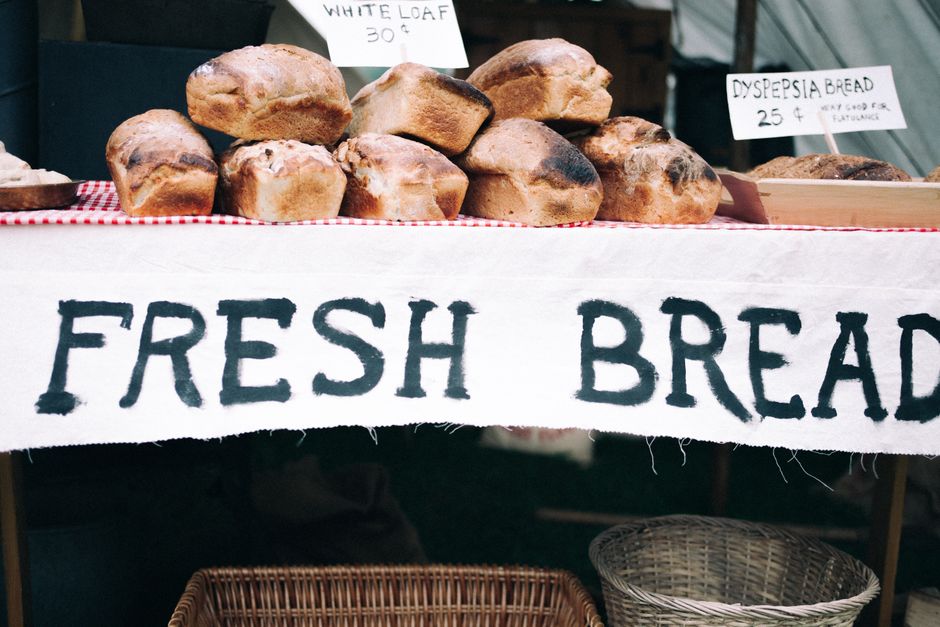
If you’ve been on the ketogenic diet for more than a week, you already know the frustration. You stay under 20 grams of net carbs all day — then one sandwich at lunch wipes out your entire allowance before 2 p.m. Standard sandwich bread typically runs 12 to 18 grams of net carbs per slice, which means a two-slice sandwich alone can deliver 24 to 36 grams of carbs. That is not a misprint. For most people in ketosis, even a modest whole-wheat bread slice can spike blood glucose and pull you out of fat-burning mode within a few hours.
The culprit is **wheat’s high glycemic load**. Refined wheat flour breaks down into glucose almost as quickly as pure table sugar in many individuals. Even bread marketed as “multigrain” or “whole grain” is often loaded with added honey, malt syrup, or cane sugar — hidden carbohydrates that catch keto dieters off guard. Add in the thickeners, dough conditioners, and preservatives in commercial loaves, and you have a product that actively works against your macros.
Most US home cooks discover this the hard way. They switch to keto bread expecting a seamless swap, only to find options that range from chalky cardboard to dense hockey pucks. The real question is not whether keto bread exists — it does. The question is which ones actually taste good, hold a sandwich together, and do not cost more than your weekly grocery budget. This guide answers every one of those questions.
Editor’s pick: blanched almond flour for baking keto bread — see current prices and reviews.
Compare blanched almond flour for baking keto bread on Amazon
What Keto Bread Is Actually Made Of (And Why It Matters)
Real keto bread is built around **low-carb, high-fat flour bases**. The two most common are almond flour and coconut flour, and understanding the difference changes everything about your shopping and baking decisions.
**Almond flour** — made from blanched, ground almonds — provides a moist, slightly sweet crumb that most closely mimics conventional wheat bread. It is higher in fat and calories than coconut flour but far lower in net carbs. It absorbs liquid differently, requiring more eggs and moisture to achieve a light texture.
**Coconut flour** is significantly drier and more absorbent. You typically need only one-quarter to one-third as much coconut flour as almond flour in a recipe. It produces a denser, more cake-like crumb and a distinct coconut flavor that not every US palate enjoys.
The **non-negotiable binder** in nearly every quality keto bread — whether store-bought or homemade — is **psyllium husk**. This plant-based fiber adds elasticity and structure that mimics gluten’s role in traditional baking. Without it, most keto loaves crumble the moment you try to spread butter. Look for whole psyllium husk powder rather than psyllium husk powder, which can vary in texture.
Other ingredients to expect in good keto bread include eggs (for structure and moisture), olive oil or avocado oil (for fat content), and seeds like flax, sunflower, or chia (for texture and micronutrients). Watch out for added protein isolates, maltodextrin, and dextrose — all of which can spike blood sugar despite appearing in “keto” packaging.
How to Read a Keto Bread Label Without a Nutrition Degree

The nutrition facts panel on a keto bread bag can feel like a foreign language. Here is the simplified version.
**Net carbs** are the number that matters most. The formula is simple: total carbohydrates minus dietary fiber minus sugar alcohols = net carbs. Your 20-gram daily net carb budget is counted in net carbs, not total carbohydrates. A bread labeled “6g total carbs” with 5g of fiber technically has 1g net carbs — but only if the remaining carbs are truly fiber or erythritol-based sugar alcohols.
**Red flag ingredients** to scan for on any keto bread label include maltodextrin, dextrose, modified wheat starch, and maltitol. These are fermentable carbohydrates that your body converts to glucose. Maltodextrin, in particular, has a glycemic index higher than table sugar. If you see it in the first five ingredients, put that loaf back on the shelf.
Watch out for **serving size manipulation**. Some brands list a slice as half a standard slice — making the carb count look far lower per serving than it actually is. Always check the serving size against what you actually plan to eat. If a label says “2g net carbs per ½ slice,” and you eat a full sandwich slice, you are actually consuming 4 grams.
The words “multigrain” and “whole grain” on keto bread are marketing terms that often mean very little on a ketogenic diet. A grain is still a grain, and even whole grains contain starch that your body converts to glucose.
Top Store-Bought Keto Breads Worth Buying in 2026
After reviewing shelf availability, macro profiles, and real-world taste tests across major US retailers, these are the store-bought keto breads that genuinely earn a spot in your kitchen.
| Brand | Net Carbs (per slice) | Protein | Where to Buy | Approx. Price |
|---|---|---|---|---|
| Sola Bread | 2g | 5g | Walmart, Target, direct | ~$7/loaf |
| Base Culture Keto Bread | 3g | 6g | Whole Foods, Sprouts | ~$9/loaf |
| Julian Bakery Keto Bread | 1g | 8g | Amazon, direct | ~$8/loaf |
| Unbun (egg/vegetable base) | 2g | 7g | Sprouts, natural grocers | ~$10/loaf |
| Aldi Fit & Active Bread | 4g | 4g | Aldi only | ~$4/loaf |
| Trader Joe’s Keto Bread | 3g | 5g | Trader Joe’s | ~$5/loaf |
**Sola Bread** consistently wins taste tests among US keto dieters. It toasts well, holds a sandwich together, and is widely available at Walmart and Target — two retailers most Americans already shop weekly. At roughly 2 grams of net carbs per slice and around $7 per loaf, it strikes the best balance between cost, availability, and palatability for most home cooks.
**Julian Bakery** produces some of the lowest-net-carb breads on the market, with options as low as 1 gram per slice. The trade-off is a denser texture and a higher price point. If you are strictly tracking macros and willing to order direct, Julian is worth the extra cost.
**Outer Aisle** and **Unbun** use cauliflower and egg bases instead of nut flours, making them viable options for people avoiding tree nuts. They perform best as hamburger buns or open-faced melts rather than standard sandwich slices.
Budget shoppers should head to **Aldi** or **Trader Joe’s** for bread under $5. The Aldi Fit & Active line and Trader Joe’s keto-friendly options are not as low-carb as specialty brands, but they are accessible, affordable, and genuinely keto-friendly at 3 to 4 grams net carbs per slice.
Costco and Sam’s Club carry **Sola Bread** and **Base Culture** in bulk multipacks seasonally. If you have a membership, these bulk buys can cut your cost per slice by 20 to 30 percent.
Homemade Keto Bread: The 5-Ingredient Recipe That Actually Works
Making keto bread at home gives you total control over ingredients, macros, and cost. This 5-ingredient recipe produces a fluffy, sandwich-worthy loaf that toasts beautifully and holds together for grilled cheese, turkey sandwiches, or avocado toast.
Ingredients
- 1½ cups blanched almond flour (not almond meal)
- 4 large eggs, room temperature
- 3 tablespoons whole psyllium husk powder
- 1½ teaspoons aluminum-free baking powder
- 1½ teaspoons apple cider vinegar
Instructions
1. **Preheat your oven to 350°F**. Line a standard loaf pan with parchment paper and lightly grease the sides with avocado oil or butter.
2. **Mix the dry ingredients** in a large bowl: almond flour, psyllium husk powder, and baking powder. Whisk thoroughly to distribute the psyllium evenly — clumping is the enemy of a light crumb.
3. **Add the eggs and apple cider vinegar**. Beat with a hand mixer or stand mixer on medium for 90 seconds. The vinegar reacts with the baking powder to create lift.
4. **Pour the batter into the prepared pan**. Smooth the top with a spatula. The batter will be thicker than traditional bread dough — this is normal.
5. **Bake for 42 to 48 minutes**. The top should be deep golden brown and a toothpick inserted in the center should come out clean. If the top browns too quickly before the interior is done, tent loosely with foil.
6. **Cool completely before slicing**. Keto bread continues to set as it cools. Slicing too early causes a gummy interior. Let it rest at least 45 minutes on a wire rack.
The key to **avoiding gummy texture** is using a Dutch oven, covered pot, or cast-iron skillet for the first 25 minutes of baking. Trapping steam creates a better rise and prevents the interior from staying dense and sticky. Then uncover for the final 15 to 20 minutes to develop a crispy, golden crust.
This recipe makes one standard loaf of approximately 12 slices. At roughly 1.5 grams net carbs per slice, one homemade loaf costs about $3 to $4 in ingredients — a fraction of what store-bought keto bread costs.
Keto Bread Alternatives When You’re Short on Time
Not every keto day allows time to bake a loaf. These grab-and-go alternatives deliver under 5 grams of net carbs, require no baking setup, and take 10 minutes or less to prepare.
**Cloud bread** — made from 3 beaten eggs and 3 ounces of full-fat cream cheese — is the quickest option. Whip the eggs to stiff peaks, fold in the cream cheese, season with garlic salt or everything bagel seasoning, and bake in small mounds at 300°F for 25 to 30 minutes. Each roll runs roughly 0.5 grams net carbs and works as a sandwich base or hamburger bun replacement.
**Oopsie rolls** follow a similar method but use only egg whites and cream cheese, creating a more neutral-flavored roll that holds its shape under burgers, tacos, or deli meats. They are especially popular in the keto community as burger bun replacements at backyard cookouts.
**Fathead dough** — a mixture of shredded mozzarella, cream cheese, almond flour, and eggs — is the most versatile keto bread stand-in. Roll it thin for pizza crust, press it into a sheet pan for flatbread, or shape individual rounds for sandwich thins. One standard fathead dough recipe makes approximately 8 servings at 2 to 3 grams net carbs each.
Quick Comparison: Keto Bread Alternatives
| Option | Prep Time | Net Carbs (approx.) | Best For |
|---|---|---|---|
| Cloud Bread | 10 min | 0.5g per roll | Light sandwiches, burgers |
| Oopsie Rolls | 15 min | 1g per roll | Burger buns, tacos |
| Fathead Flatbread | 20 min | 2–3g per serving | Pizza, wraps, grilled cheese |
| Store-Bought Keto Bread | 0 min | 2–4g per slice | Everyday sandwiches |
| Homemade Keto Bread | 60 min | 1.5g per slice | Meal prep, toast, full sandwiches |
Keto Bread Nutrition: Comparing Every Option Side by Side
Understanding the macro profile of your keto bread choices prevents unpleasant surprises on your weekly spreadsheet.
**Net carbs** vary widely across brands and homemade recipes. Store-bought loaves range from 1 gram (Julian Bakery) to 5 grams (budget store brands) per slice. A single slice of homemade almond-flour bread typically lands around 1.5 to 2 grams net carbs depending on the exact recipe and brand of almond flour used.
**Protein content** is an often-overlooked metric. Higher-protein keto breads — particularly those made with egg whites or added protein isolates — help with satiety and muscle preservation. Base Culture and Julian Bakery lead in this category at 6 to 8 grams of protein per slice. Homemade bread made with whole eggs delivers 5 to 6 grams per slice.
**Fiber** is the secret weapon of keto bread. Because fiber does not raise blood sugar and is subtracted from total carbs to calculate net carbs, breads with 3 to 5 grams of fiber per slice are gentler on your ketone levels. Psyllium husk and chia seeds are the most common fiber boosters in low-carb breads.
**Calorie density** differs significantly from wheat bread. Almond-flour keto breads run 80 to 120 calories per slice versus 70 to 90 calories for standard wheat bread. The higher fat content adds calories but also increases satiety — meaning you are less likely to overeat.
Meal Prep and Storage: Keep Keto Bread Fresh All Week
Keto bread does not last as long on the counter as conventional bread because it lacks the preservatives that keep grocery store loaves soft for weeks. Here is how to maximize freshness and minimize waste.
**Store-bought keto bread** typically stays fresh for 5 to 7 days after opening when stored in the original bag at room temperature. Some brands recommend refrigeration after opening — check the label. If your loaf came from the refrigerated section of a natural grocery store, it needs refrigeration immediately.
**Freezing is the most reliable storage method** for both store-bought and homemade keto bread. Slice the loaf completely, then spread individual slices on a sheet pan and freeze for 60 minutes until solid. Transfer frozen slices to a zip-top freezer bag labeled with the date. Keto bread freezes well for up to 3 months.
**Reheating frozen keto bread** is simple: toast directly from frozen on medium heat. Most keto breads toast faster than wheat bread, so keep an eye on the toaster — they can go from perfectly golden to burnt in under 60 seconds. For oven reheating, toast at 325°F for 8 to 10 minutes directly on the oven rack.
For **meal prep sandwich strategies**, freeze bread slices in pairs (top and bottom) in small zip bags. When you are ready to pack lunch, pull out one pair, add your fillings while still frozen, and the bread thaws by mid-morning in an insulated lunch bag. This approach eliminates weekday morning prep and prevents the frustration of discovering soggy bread at noon.
Common Keto Bread Mistakes and How to Fix Them
After testing dozens of recipes and tasting countless store-bought loaves, these are the mistakes that trip up nearly every keto baker and buyer at some point.
**Crumbly bread from skipping psyllium husk** is the number one homemade keto bread complaint. Without a binding agent, almond flour simply falls apart. If you are allergic to psyllium, substitute ground chia seeds mixed with water (1 tablespoon chia + 3 tablespoons water = one egg replacement), though the texture will differ slightly.
**Dense, brick-like loaves from overmixing** the batter happen when you develop too much gluten-like structure in the almond flour. Mix just until the dry ingredients are incorporated — do not treat this like kneading wheat bread dough. A few lumps in the batter before baking bake out into an even crumb.
**Substituting coconut flour for almond flour at a 1:1 ratio** is a recipe for disaster. Coconut flour absorbs four times as much liquid as almond flour. If you swap without adjusting, your batter will turn into a thick, inedible paste. Use approximately one-quarter to one-third the amount of coconut flour when substituting, and increase eggs accordingly.
**Buying bread that tastes like cardboard** is avoidable with one simple step: read reviews before you spend. Look specifically for comments about texture, whether it holds a sandwich, and how it toasts. US consumers are vocal about keto products, and patterns in one-star reviews consistently reveal the brands that fail on taste and texture — regardless of their nutrition labels.
Budget Keto Bread: Eating Well on $50 a Week
Stretching a keto bread budget requires thinking about cost per serving, not cost per loaf. Here is how to eat well without blowing your grocery budget.
A **single homemade keto bread loaf** costs approximately $3 to $4 in ingredients. At 12 slices per loaf, that is roughly $0.25 to $0.33 per slice. Compare that to $0.60 to $0.80 per slice for store-bought specialty brands, and the math is clear. One homemade loaf per week covers approximately 4 to 6 days of breakfast toast or sandwich lunches.
**Buying almond flour in bulk** is the single biggest cost saver. Costco carries 3-pound bags of blanched almond flour for roughly $13 to $16 — roughly half the per-pound cost of grocery store brands. At that price, you can bake one loaf per week for about 10 weeks before restocking. Sam’s Club and Amazon also run regular deals on 5-pound and 10-pound bags.
**Aldi and dollar-store ingredient swaps** work well for keto baking. Aldi’s Fit & Active line carries affordable eggs, butter, and apple cider vinegar. Their store-brand almond flour has improved significantly in quality and runs $5 to $6 per bag versus $9 to $12 for name brands.
**Dollar-per-slice comparison**: a $4 wheat bread loaf at the grocery store delivers roughly 18 to 20 slices at $0.20 to $0.22 per slice. A $7 keto bread loaf at 12 slices is $0.58 per slice — about 2.5 times the cost. But a $3.50 homemade keto bread loaf at 12 slices lands at $0.29 per slice, which is nearly identical to conventional bread. The upfront time investment (about an hour per week) pays for itself in savings.
Frequently Asked Questions (FAQ)
Q: Is store-bought keto bread actually good for you, or just marketing?
A: It depends entirely on the brand and the ingredients list. Some store-bought keto breads genuinely deliver 1 to 3 grams of net carbs per slice with clean, whole-food ingredients — almond flour, eggs, psyllium husk, and seeds. Others slap a “keto” label on bread that uses maltodextrin, modified wheat starch, or dextrose as fillers while still contributing 8 to 10 grams of net carbs per slice. Always check the full ingredients list and the nutrition facts panel before trusting the front-of-package marketing. The brands listed in this guide — Sola, Julian Bakery, Base Culture, Aldi Fit & Active, and Trader Joe’s — all meet the standard for genuinely keto-friendly bread.
Q: How many slices of keto bread can I eat per day and stay in ketosis?
A: Most people following a standard ketogenic diet can comfortably eat 2 to 4 slices of keto bread per day and stay under 20 grams of net carbs, depending on the brand. A typical store-bought keto bread at 2 to 3 grams net carbs per slice means 2 to 4 slices equals 4 to 12 grams of carbs from bread alone — leaving 8 to 16 grams for the rest of your meals. If you are eating 3 meals per day on keto and want bread at every meal, aim for 2 slices total and fill in the rest of your plate with low-carb vegetables, protein, and healthy fats. The safest answer: track your actual macros for three days with bread included and adjust based on whether you stay in ketosis.
Q: What’s the best keto bread for sandwiches that won’t fall apart?
A: **Sola Bread** consistently earns the top spot for sandwich integrity in US taste tests. It tosts without crumbling, holds deli meats and condiments without getting soggy, and maintains its structure through an afternoon in a lunchbox. For a budget alternative that still holds a sandwich, **Trader Joe’s Keto Bread** performs well at roughly half the price of specialty brands. If you are making sandwiches for kids or anyone who is hard on their bread, avoid thin-sliced bakery-style keto breads and stick with full-slice sandwich loaves in the 1.5- to 2-inch thickness range.
Q: Can I make keto bread without almond flour if I have a nut allergy?
A: Yes — several viable alternatives exist. **Sunflower seed flour** is the most direct swap and produces a similar texture and flavor profile to almond flour. Ground pumpkin seeds (pepitas) also work well as a base. For a completely nut-free, egg-forward option, try making thick **cloud bread** or **omelet-style wraps** using eggs and full-fat cheese — these are naturally nut-free, grain-free, and take under 15 minutes to prepare. Just be aware that sunflower seed flour can turn green when mixed with baking soda, which is harmless but aesthetically unusual.
Top Product Recommendations
| Product Name | Rating | Key Feature | Est. Price | Action |
|---|---|---|---|---|
| Top-rated blanched almond flour for baking keto bread | ★★★★★ | Editor-recommended blanched almond flour for baking keto bread from this guide | $18–$42 | Check Lowest Price on Amazon |
| Best-value psyllium husk powder whole husk | ★★★★☆ | Affordable psyllium husk powder whole husk — strong everyday results | $12–$28 | Check Lowest Price on Amazon |
| Premium keto bread store bought low carb | ★★★★☆ | Higher-end keto bread store bought low carb for visible, lasting results | $45–$95 | Check Lowest Price on Amazon |
Affiliate Disclosure: This post contains affiliate links. We may earn a commission if you buy through our links, at no extra cost to you.
Leave a Reply