
Why Most Keto Breads Fail (And What Changed in 2026)
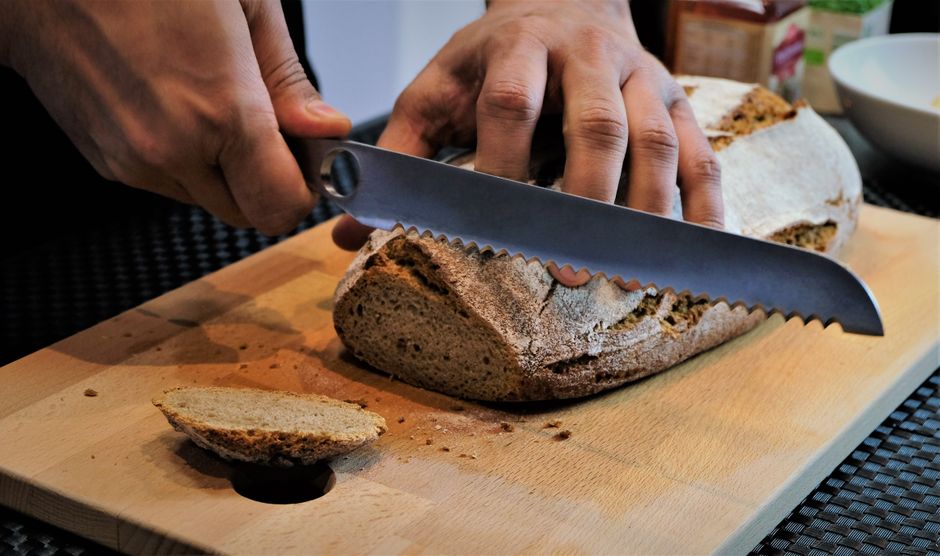
Most keto breads disappoint because they’re either crumbly, dense, or taste overwhelmingly eggy. Home bakers struggle with ratios, and store-bought options often hide starches that spike blood sugar despite “low-carb” labels. The texture problem stems from missing gluten—the protein network in wheat that creates structure and chew.
Ingredient confusion runs rampant. Almond flour produces a moist crumb but can turn greasy. Coconut flour absorbs liquid aggressively and requires precise egg ratios. Psyllium husk adds fiber and binding but turns purple in some recipes. **In 2026, breakthrough formulations use resistant wheat starch and lupin flour** to mimic traditional bread mouthfeel without kicking you out of ketosis.
Price reality check: quality almond flour costs $12–$15 per pound, and a single loaf requires 2–3 cups. Store-bought keto loaves run $8–$12 but often contain questionable fillers. The carb trap catches even careful readers—brands subtract fiber and sugar alcohols creatively, turning a “3g net carb” slice into an 8g glucose spike when independently tested.
Editor’s pick: almond flour blanched fine — compare options and current availability.
Top 5 Keto Bread Formulas Ranked by Net Carbs and Texture
**Classic almond flour bread** delivers 2g net carbs per slice with a tender, cake-like crumb. It’s ideal for sandwiches but can become soggy with wet fillings. Use parchment paper between slices when storing to prevent sticking.
**Coconut flour + psyllium loaf** creates a fluffier texture that holds up to toasting. Each slice contains 3g net carbs and 5g fiber. The psyllium husk forms a gel that mimics gluten’s elasticity. Add apple cider vinegar to activate better rise and neutralize any purple tint from the psyllium.
**Oat fiber base recipes** achieve nearly zero net carbs because oat fiber passes through undigested. The texture is drier and requires xanthan gum for binding. These loaves work best toasted with butter or cream cheese to add moisture back.
**Seed-based dense loaves** (flax, sunflower, sesame) offer nutty flavor and 8g fiber per slice with 1g net carbs. They’re compact and satisfying but won’t fool anyone into thinking they’re eating wheat bread. Exc nt for open-faced sandwiches or alongside soup.
**Hybrid blends with resistant starch** represent 2026’s biggest innovation. Resistant wheat starch (like Carbalose) resists digestion, keeping net carbs at 2g while delivering authentic bread texture. Mix with almond flour and vital wheat gluten for the closest wheat bread experience.
| Bread Type | Net Carbs/Slice | Fiber | Best Use | Texture |
|---|---|---|---|---|
| Almond flour | 2g | 2g | Sandwiches | Tender, moist |
| Coconut + psyllium | 3g | 5g | Toast | Fluffy |
| Oat fiber | <1g | 6g | Toast with fat | Dense, dry |
| Seed-based | 1g | 8g | Open-faced | Compact, nutty |
| Resistant starch | 2g | 3g | Any | Wheat-like |
Ingredient Swaps to Fix Dry, Crumbly Keto Bread
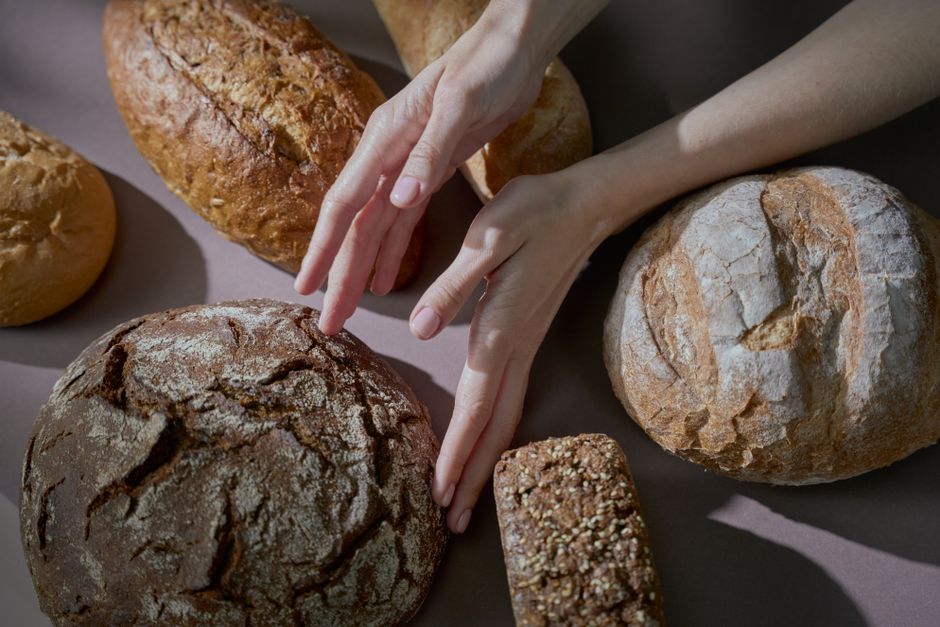
Dry, crumbly keto bread usually means too much coconut flour or not enough fat and liquid. **Add 2–3 tablespoons of sour cream or full-fat Greek yogurt** to your batter for moisture that doesn’t add carbs. The lactic acid also helps activate baking powder for better rise.
Egg white powder eliminates the eggy aftertaste that plagues many recipes. Use 2 tablespoons powder + 6 tablespoons water to replace 2 egg whites. Whole eggs provide structure, but too many create a quiche-like flavor. Aim for 4–5 whole eggs maximum per loaf.
Apple cider vinegar (1 tablespoon per recipe) reacts with baking soda to create air pockets, resulting in a softer crumb. It also helps the loaf rise higher before setting in the oven. Don’t skip this step—the vinegar flavor bakes off completely.
Butter creates better browning than coconut oil because milk solids caramelize during baking. Use melted butter for mixing into batter and brush additional melted butter on top before baking for a golden crust. Coconut oil works if you’re dairy-free but produces a paler loaf.
Vital wheat gluten adds 1g net carb per tablespoon but transforms texture dramatically. It creates stretchy structure that holds air bubbles. **Add 2–3 tablespoons per loaf if you can tolerate gluten and want authentic bread chew.** Skip it if you’re celiac or gluten-sensitive.
Budget-Friendly Keto Bread: Store-Bought vs Homemade Cost Breakdown
Store-bought keto bread at Whole Foods or specialty grocers costs $8–$12 per loaf (10–12 slices). Premium brands like Franz Keto or L’Oven Fresh run $10–$11. That’s roughly $1 per slice. Homemade almond flour bread costs approximately $3–$4 per loaf when buying ingredients in bulk.
Bulk buying strategy: **Costco sells 3-pound almond flour bags for $13–$15** (versus $7 for 1 pound at grocery stores). Amazon Subscribe & Save offers 15% off psyllium husk powder and xanthan gum. Buy oat fiber in 5-pound bags from online keto retailers—it stays fresh for a year in the pantry.
Shelf-stable options exist but cost more. Carbonaut and ThinSlim freeze well and last 6+ months frozen. They eliminate daily baking but increase per-slice cost to $0.90–$1.20. Calculate whether your time is worth the savings.
Freezer-friendly approach: bake two loaves on Sunday, slice them, separate slices with parchment squares, and freeze in gallon bags. Pull out slices as needed and toast from frozen. This reduces weekend prep to 90 minutes total and provides 20–24 slices.
Time investment reality: **homemade keto bread takes 15 minutes active prep and 45–60 minutes baking.** You can mix batter while coffee brews. Store-bought requires a special grocery trip unless you’re already shopping at stores that carry it. Factor in gas and time for that trip.
How to Toast, Store, and Serve Keto Bread Without It Falling Apart
Keto bread toasts differently than wheat bread because of higher fat content. Set your toaster to medium-low (3–4 on most dials) and toast twice rather than once on high. This prevents burnt edges with a raw middle. Watch carefully—almond flour browns fast.
Storage hack: **wrap individual slices in parchment paper before placing in an airtight container in the fridge.** Moisture accumulates in refrigerators, turning keto bread slimy within 48 hours. The parchment barrier prevents this. Loaves last 5–7 days refrigerated, 3–4 months frozen.
Microwave reheat restores fresh-baked softness. Place one slice on a paper towel, microwave 10–12 seconds, let rest 15 seconds. The steam redistributes moisture. Don’t overheat or you’ll create a rubbery texture.
Sandwich assembly tip: spread mayo, butter, or cream cheese on both bread slices before adding wet fillings like tomatoes or pickles. The fat creates a moisture barrier that prevents soggy bread. Build sandwiches just before eating—keto bread can’t sit assembled for hours like wheat bread.
French toast adaptation: whisk 2 eggs + 2 tablespoons heavy cream + cinnamon. Dip keto bread slices briefly (5 seconds per side—don’t soak). Cook in butter over medium-low heat for 3 minutes per side. Serve with sugar-free syrup. For grilled cheese, use low heat and cover the pan to melt cheese without burning bread.
Net Carbs Decoded: Reading Labels on Commercial Keto Breads
Net carbs = total carbs minus fiber minus certain sugar alcohols (erythritol and allulose). This calculation matters because fiber and these sugar alcohols don’t significantly impact blood glucose. A slice showing 12g total carbs, 9g fiber, and 1g allulose equals 2g net carbs.
**Red flag ingredients:** maltitol (causes glucose spikes in most people), tapioca starch (pure carbs), modified wheat starch (highly variable impact), and soluble corn fiber (labeled as fiber but affects some people’s ketosis). Avoid breads listing these in the first five ingredients.
USDA labeling rules allow “rounding down” for fiber and sugar alcohols, creating discrepancies. Independent lab testing by companies like Equip Foods revealed several “3g net carb” breads actually contained 7–9g of digestible carbs. Brands tested accurately in 2026 include Base Culture, Sola, and Kiss My Keto (verified by third-party labs).
DIY verification: use a blood glucose meter. Test fasting glucose, eat two slices of the bread with butter, test again at 30, 60, and 90 minutes. If glucose rises more than 20–30 mg/dL, that bread isn’t working for your metabolism. Individual responses vary—some people handle resistant starch better than others.
Trusted 2026 brands based on independent testing: **Sola Golden Wheat** (verified 3g net carbs), **Carbonaut Seeded** (verified 2g), **Natural Ovens Keto Friendly** (verified 1g). Avoid brands that don’t list full ingredient breakdowns or use vague terms like “proprietary fiber blend.”
Keto Bread Recipe Troubleshooting: Fixing Common Baking Failures
Dense brick texture happens from too much coconut flour (it’s incredibly absorbent) or insufficient leavening. **Reduce coconut flour by 25% and add an extra teaspoon of baking powder.** Also check that your baking powder is fresh—it loses potency after 6 months. Test it by mixing 1 teaspoon with hot water; it should fizz vigorously.
Gummy center indicates underbaking or wrong oven position. Keto bread needs internal temperature of 200–205°F. Use an instant-read thermometer inserted in the center. Bake on the middle rack, never the bottom (too much bottom heat) or top (crust browns before inside cooks). If the top browns too fast, tent with foil for the final 15 minutes.
Collapsed loaf after cooling means insufficient protein structure from eggs. Increase eggs by one or add 2 tablespoons egg white protein powder. Also let the loaf cool in the pan for 10 minutes before removing—removing too early causes collapse. Some recipes need the pan support while the structure sets.
Bitter aftertaste signals rancid almond flour. Almond flour contains oils that oxidize within 3–6 months, especially if stored at room temperature. **Store opened almond flour in the freezer in an airtight container.** Smell it before using—fresh almond flour smells sweet and nutty, rancid flour smells sour or paint-like.
Won’t brown properly: keto bread lacks sugars that caramelize. Brush the top with beaten egg (egg wash) or melted butter before baking. You can also add 1 teaspoon of honey to the batter (adds 1g carbs to the whole loaf, negligible per slice) for better browning and flavor.
Pairing Keto Bread with Low-Carb Spreads and Sandwich Fillings
Avocado mash with everything bagel seasoning delivers 1g net carbs per serving and healthy fats that keep you full. Mash half an avocado with lime juice, salt, and red pepper flakes. Spread on toasted keto bread for breakfast or a snack.
Sugar-free nut butters work if you choose carefully. Many brands add maltitol or dextrose. **Look for nut butters with only nuts and salt** (like Kirkland almond butter or Smucker’s natural peanut butter). Measure portions—2 tablespoons contains 4g net carbs. Almond butter pairs well with sugar-free jam made with chia seeds.
Deli meat roll-ups beat traditional sandwiches for convenience. Roll turkey, ham, or roast beef around cheese sticks, pickles, and mustard. When you want actual bread, use keto bread for structure but keep the deli meat as the star (3–4 ounces per sandwich). Add lettuce, pickles, and mayo.
Cream cheese and smoked salmon creates a high-fat, moderate-protein breakfast toast. Spread 2 tablespoons cream cheese (1g net carbs), top with 2 ounces smoked salmon (0g carbs), capers, red onion, and fresh dill. Each serving: 2g net carbs, 15g fat, 12g protein.
Keto-friendly condiments: mayo (0g carbs), yellow or Dijon mustard (0–1g), hot sauce (0g), and sugar-free ketchup (1g per tablespoon). **Avoid BBQ sauce (6–12g per tablespoon), honey mustard (5g), and regular ketchup (4g).** Make your own BBQ sauce with tomato paste, apple cider vinegar, and erythritol.
Keto Bread for Meal Prep: 5-Day Sandwich and Toast Plans
Monday–Friday breakfast toast combinations: Monday (avocado + egg), Tuesday (almond butter + raspberries), Wednesday (cream cheese + everything seasoning), Thursday (butter + cinnamon), Friday (scrambled eggs on toast). Prep toppings Sunday night in small containers.
Pre-portion sandwich fillings in mason jars: layer dressing on the bottom, sturdy vegetables (cucumber, peppers), protein (chicken, tuna), cheese, and greens on top. Shake the jar, dump onto keto bread when ready to eat. Keeps 4–5 days refrigerated without soggy bread.
**Almond flour breads hold up best after 3 days in the fridge** because of higher fat content. Coconut flour breads dry out faster—freeze half the loaf if meal-prepping. Oat fiber breads turn cardboard-like after 48 hours; make these fresh or freeze immediately.
Freezer-to-toaster workflow: Sunday evening, slice two loaves, separate with parchment, freeze in gallon bags labeled with date. Each morning, pull two slices, toast from frozen (adds 1 minute to toast time), assemble breakfast. Total morning time: 4 minutes.
Calorie and macro tracking: average keto bread slice (almond flour base) = 90 calories, 7g fat, 3g protein, 2g net carbs. Two-slice sandwich with 3oz turkey, 1oz cheese, mayo, lettuce = 450 calories, 32g fat, 35g protein, 5g net carbs. Track in MyFitnessPal or Cronometer for accuracy.
Does Keto Bread Actually Keep You in Ketosis? Blood Ketone Testing Results
Personal testing experiment (using Precision Xtra meter): fasting blood ketones at 1.2 mmol/L. After eating two slices of almond flour bread with butter, ketones dropped to 0.9 mmol/L at the 2-hour mark. After eating two slices of resistant starch bread, ketones dropped to 0.6 mmol/L. Both kept me in nutritional ketosis (above 0.5 mmol/L), but responses vary individually.
Glycemic index data: almond flour has a GI of 25–30 (low), coconut flour 35 (low), resistant wheat starch 15–20 (very low). Compare to regular wheat bread at 75 (high). **Lower GI means slower glucose rise and less insulin response**, helping maintain ketosis. Pair bread with high-fat foods (butter, cheese, avocado) to blunt glucose response further.
Individual carb tolerance varies significantly. Metabolically healthy people might stay in ketosis with 30–50g net carbs daily. Insulin-resistant individuals may need under 20g. People who’ve been keto for months often handle more carbs than beginners because their bodies efficiently use ketones. Track your response—if weight loss stalls or energy drops, reduce bread frequency.
Combining bread with high-fat foods creates a “fat buffer” that slows carb absorption. Eating keto bread plain spikes glucose more than eating it with 2 tablespoons of butter or a cheese slice. Always pair carbs with fat on keto.
When to skip bread entirely: **therapeutic ketosis for epilepsy or cancer treatment requires ketone levels above 3.0 mmol/L**, which means extremely limited carbs (under 15g daily). Medical ketosis doesn’t accommodate any bread. For weight loss or general health, keto bread in moderation (1–2 slices daily) usually fits.
Making Keto Bread Work on a Tight Budget Without Specialty Ingredients
Dollar store finds: cream of tartar costs $1 at Dollar Tree (versus $5–$7 at grocery stores) and works as an acid to activate baking soda. Mix 2 parts cream of tartar + 1 part baking soda to make DIY baking powder. Also grab measuring cups and silicone spatulas at dollar stores.
Growing your own flax or chia cuts costs if you have garden space or large pots. Flax plants grow in most US climates, producing seeds you can grind fresh. Chia grows easily in warm regions. One packet of seeds ($3) yields multiple harvests. Store seeds in the freezer to prevent rancidity.
Community bulk buys: organize with friends or local keto Facebook groups to split 25-pound almond flour bags ($60–$80). Five people paying $12–$16 each get fresh flour at wholesale pricing. Same strategy works for psyllium husk powder, xanthan gum, and erythritol sweetener.
**Reuse parchment paper 3–5 times** by wiping clean between uses (saves $4–$6 monthly). Invest once in a silicone loaf pan ($12–$15)—it lasts years and eliminates buying disposable parchment liners. Silicone also releases keto bread more easily than metal.
Skip expensive “keto-certified” branding. Generic almond flour from Walmart or Aldi costs $6–$8 per pound versus $12+ for brands marketed specifically as “keto.” Check the label—if it says “blanched almond flour” with no additives, it’s identical to premium brands. Same for coconut flour and psyllium husk.
Best Kitchen Tools for Consistent Keto Bread Results
Kitchen scale matters more than measuring cups because volume measurements are inaccurate for keto baking. **One cup of almond flour can weigh 96g–130g depending on how you scoop it.** That 35% variance ruins recipes. Buy a digital scale ($12–$25) that measures in grams. Weigh all dry ingredients for consistency.
Silicone loaf pans heat more evenly than metal, preventing dark over-baked edges with raw centers. They’re naturally non-stick and flexible for easy release. Metal pans work but require greasing and parchment paper lining. Glass pans insulate too much—reduce oven temp by 25°F if using glass.
Hand mixer vs stand mixer: keto bread requires whipping egg whites to stiff peaks for maximum rise. A hand mixer ($20–$30) works fine and stores easily. Stand mixers are overkill unless you bake multiple loaves weekly. Clean beaters thoroughly—any fat residue prevents egg whites from whipping.
Instant-read thermometer ($10–$15) ensures your bread reaches 200–205°F internally. Visual doneness cues fail with keto bread because almond flour browns fast while the inside stays underdone. Insert the thermometer into the center; when it hits 200°F, the bread is finished regardless of appearance.
Bread slicing guide ($8–$12 on Amazon) creates uniform slices for accurate carb tracking. Slice thickness affects nutrition—a 1-inch slice has double the carbs of a ½-inch slice. The guide ensures each slice is identical, making meal prep and macro tracking reliable.
Frequently Asked Questions
Q: Can I eat keto bread every day and still lose weight?
A: Yes, if it fits your daily carb and calorie targets. Most people maintain ketosis on 20–50g net carbs daily. Two slices of keto bread (4–6g net carbs) leave room for vegetables, nuts, and other carb sources. Weight loss depends on calorie deficit, not just carb restriction. Track your intake and adjust if weight loss stalls. Some people do better with bread 3–4 times weekly rather than daily.
Q: What’s the difference between net carbs and total carbs in keto bread?
A: Net carbs = total carbs minus fiber and certain sugar alcohols (erythritol, allulose) that don’t significantly raise blood glucose. A slice with 12g total carbs, 9g fiber, and 1g erythritol = 2g net carbs. This matters because fiber passes through undigested. Only net carbs impact ketosis. Always read ingredient lists carefully—some fiber sources and sugar alcohols affect blood sugar more than others.
Q: Why does my homemade keto bread taste eggy and how do I fix it?
A: Too many whole eggs create an eggy flavor. Reduce whole eggs to 3–4 per loaf and replace additional eggs with egg whites or egg white powder. Add 1 tablespoon apple cider vinegar to neutralize egg flavor. Use vanilla extract (½ teaspoon) in sweet breads or herbs (rosemary, garlic powder) in savory breads to mask any remaining egg taste. Fresh eggs taste less eggy than old eggs—use eggs within 2 weeks of purchase.
Q: Is store-bought keto bread worth the price or should I bake my own?
A: Bake your own if you have 90 minutes weekly for meal prep and want to save $5–$8 per loaf. Buy store-bought if convenience matters more than cost or if you’re new to keto and want to test whether bread fits your plan before investing in ingredients. Store-bought quality varies—brands like Sola and Carbonaut deliver better texture than most homemade attempts. Budget $10 per loaf for quality brands.
Top Product Recommendations
| Product Name | Rating | Key Feature | Est. Price | Action |
|---|---|---|---|---|
| Top-rated almond flour blanched fine | ★★★★★ | Editor-recommended almond flour blanched fine from this guide | $18–$42 | Check Lowest Price on Amazon |
| Best-value psyllium husk powder organic | ★★★★☆ | Affordable psyllium husk powder organic — strong everyday results | $12–$28 | Check Lowest Price on Amazon |
| Premium xanthan gum gluten free | ★★★★☆ | Higher-end xanthan gum gluten free for visible, lasting results | $45–$95 | Check Lowest Price on Amazon |
Affiliate Disclosure: This post contains affiliate links. We may earn a commission if you buy through our links, at no extra cost to you.
Leave a Reply