Why Picky Eaters Struggle With School Lunches
If your child keeps bringing home an untouched lunchbox, something deeper than stubbornness is usually at play. **Sensory-driven food aversion** is a neurological response — certain textures, smells, or temperatures trigger genuine discomfort, not just defiance. Recognizing that distinction is the first step toward packing a lunch your kid will actually eat.
The school cafeteria stacks the deck against adventurous eating. Loud noise, peer dynamics, and **10-to-15-minute lunch windows** create stress conditions that suppress appetite even for accepted foods. A child who happily eats carrots at dinner may leave them completely untouched in a noisy gym.
Pediatric feeding specialists consistently point out one key rule: **never introduce a new food at school first**. Home dinner — lower pressure, familiar setting — is the only reliable launch pad for a new ingredient. Once a food is accepted there, it has a real shot in the lunchbox.
- Sensory aversion is neurological, not behavioral
- Noise and time pressure reduce how much kids eat
- Home exposure must come before school exposure
- Lunchbox anxiety compounds refusal over time
—
Editor’s pick: bento lunchbox for kids compartments — see current prices and reviews.
The 5 Biggest Picky-Eater Lunchbox Mistakes
Packing too many unfamiliar items at once is the single most common error. Stick to the **one-new-item rule**: one unfamiliar food surrounded by accepted favorites. More than that and a picky eater often leaves the entire box untouched.
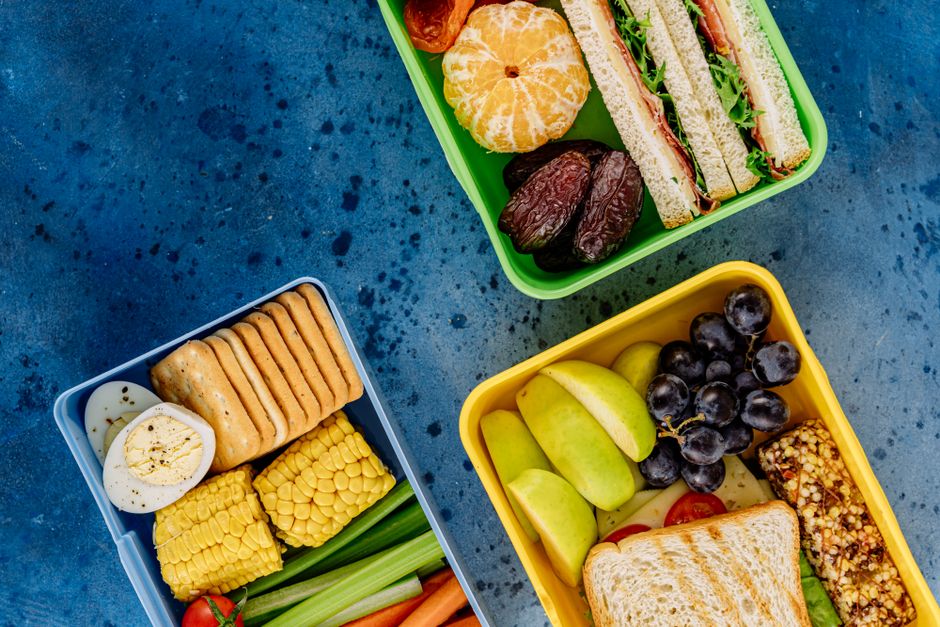
Skipping protein is another frequent misstep. Many parents assume kids won’t eat cold protein, so they default to crackers and fruit pouches — but **protein is what carries kids through the afternoon**. Cubed cheese, deli roll-ups, hard-boiled eggs, and mini meatballs all hold up well at room temperature.
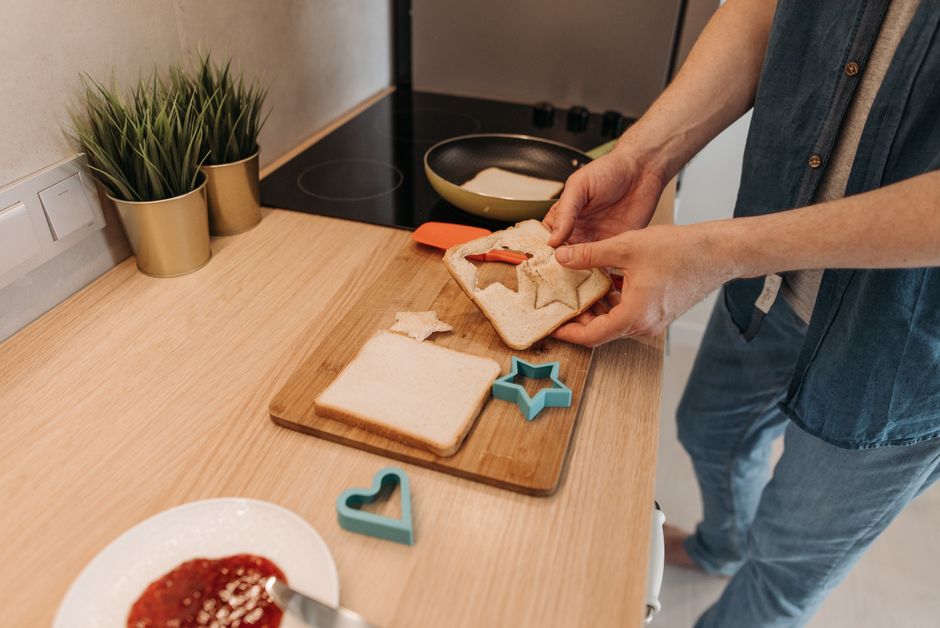
Portion size and presentation matter more than most parents expect. An oversized portion can feel as off-putting as an unfamiliar ingredient. **Smaller, familiar-looking portions** — sandwiches cut into strips rather than triangles, for example — measurably increase how much kids actually eat.
- Never pack more than one new food per box
- Protein keeps energy steady through afternoon classes
- Mini portions and recognizable shapes boost eat rates
- Presentation is a feeding strategy, not just aesthetics
- Cutting out whole food groups to avoid battles backfires nutritionally
—
Healthy Lunch Ideas That Picky Eaters Actually Eat

For families navigating selective eating, the goal is **nutritional density inside familiar formats**. These ideas pair well with the advice from kids nutrition guides that focus on real-food swaps over processed convenience options.
**Turkey and Cheese Roll-Ups** — Lay a slice of deli turkey flat, add a strip of mild cheddar, and roll tightly. Slice into pinwheels. Kids respond well to bite-sized finger foods they can control.
**Mini Quesadilla Wedges** — Use a small flour tortilla with shredded chicken and mild cheese. Cut into four wedges and pack with a small container of mild salsa for dipping. Dipping gives kids agency, which increases acceptance.
**Pasta Salad With Hidden Vegetables** — Cool rotini pasta, mix in finely diced cucumber, shredded carrot, and mild Italian dressing. The uniform coating makes vegetables less visually threatening to texture-sensitive kids.
**Peanut Butter and Banana Skewers** — Thread banana slices onto short skewers, serve with a small container of peanut butter for dipping. High in protein and natural sugar for sustained energy.
**Egg Muffin Cups** — Whisk eggs with shredded cheese and mild veggies, bake in a mini muffin tin. Pack two or three per lunchbox — they hold well cold and look fun.
—
Smart Swaps for Common Picky-Eater Barriers
Texture is the most common rejection trigger for school-age kids. When a child refuses a food, swap the **preparation method before swapping the ingredient** — raw carrots out, roasted carrot coins in. The vegetable stays; the sensory experience changes.
For kids who reject whole sandwiches, deconstructed versions often work better. Pack the bread, protein, and condiment separately so the child assembles it themselves. **Giving kids control over construction** is a well-documented strategy in pediatric feeding therapy.
Mild flavor profiles outperform bold ones at school. Even kids who tolerate spicy food at home often reject it under cafeteria stress. Keep school lunches on the milder end and save bolder flavors for dinner exploration.
| Common Rejection | Smart Swap |
|---|---|
| Raw vegetables | Roasted or lightly steamed |
| Whole sandwich | Deconstructed components |
| Mixed dishes | Separated into compartments |
| Strong flavors | Mild versions with dipping sauce |
| Large portions | Mini or bite-sized portions |
—
Building a Weekly Lunch Rotation That Reduces Refusal
Consistency lowers refusal rates. When kids know what to expect, anxiety around the lunchbox drops. Build a **simple 5-day rotation** of accepted lunches, then swap one item per week as a slow introduction path.
Sunday meal prep makes the rotation sustainable. Batch-cook egg muffin cups, pre-roll turkey pinwheels, and portion out snacks so weekday morning packing takes under five minutes. **Speed reduces parent decision fatigue**, which reduces the temptation to grab packaged snacks as filler.
For more ideas on building nutritious routines that work for real families, browse the full kids food and nutrition resource library — practical meal ideas without the lecture.
- Build a 5-day accepted-lunch rotation first
- Introduce one new food per week, not per day
- Sunday prep cuts weekday packing to under 5 minutes
- Track what gets eaten — patterns reveal preferences
—
FAQ: Healthy Lunch Ideas for Picky Eaters at School
**Q: What is the easiest healthy lunch for a picky eater?**
A: Turkey and cheese roll-up pinwheels are a consistent win — protein-rich, finger-food format, no strong flavors, and easy to prep in bulk on Sunday.
**Q: How do I get my picky eater to try new foods at school?**
A: Introduce the food at home dinner multiple times before it ever appears in the lunchbox. School is not the place for first exposures.
**Q: Should I cut out foods my child refuses entirely?**
A: No. Removing whole food groups to avoid conflict creates nutritional gaps. Keep offering refused foods in low-pressure settings — repeated exposure does shift acceptance over time.
**Q: What proteins work well cold in a school lunchbox?**
A: Cubed mild cheddar, deli turkey roll-ups, hard-boiled eggs, mini meatballs, and egg muffin cups all hold up well at lunchbox temperature without becoming unappetizing.
**Q: Why does my child eat something at home but refuse it at school?**
A: Cafeteria stress — noise, peer pressure, short time windows — suppresses appetite and raises sensory sensitivity. An accepted food at home can still fail under school conditions. This is normal and not a sign of manipulation.
Top Product Recommendations
| Product Name | Rating | Key Feature | Est. Price | Action |
|---|---|---|---|---|
| Top-rated bento lunchbox for kids compartments | ★★★★★ | Editor-recommended bento lunchbox for kids compartments from this guide | $18–$42 | Check Lowest Price on Amazon |
| Best-value mini muffin tin silicone kids | ★★★★☆ | Affordable mini muffin tin silicone kids — strong everyday results | $12–$28 | Check Lowest Price on Amazon |
| Premium kids lunch container leak proof | ★★★★☆ | Higher-end kids lunch container leak proof for visible, lasting results | $45–$95 | Check Lowest Price on Amazon |
Affiliate Disclosure: This post contains affiliate links. We may earn a commission if you buy through our links, at no extra cost to you.
Leave a Reply