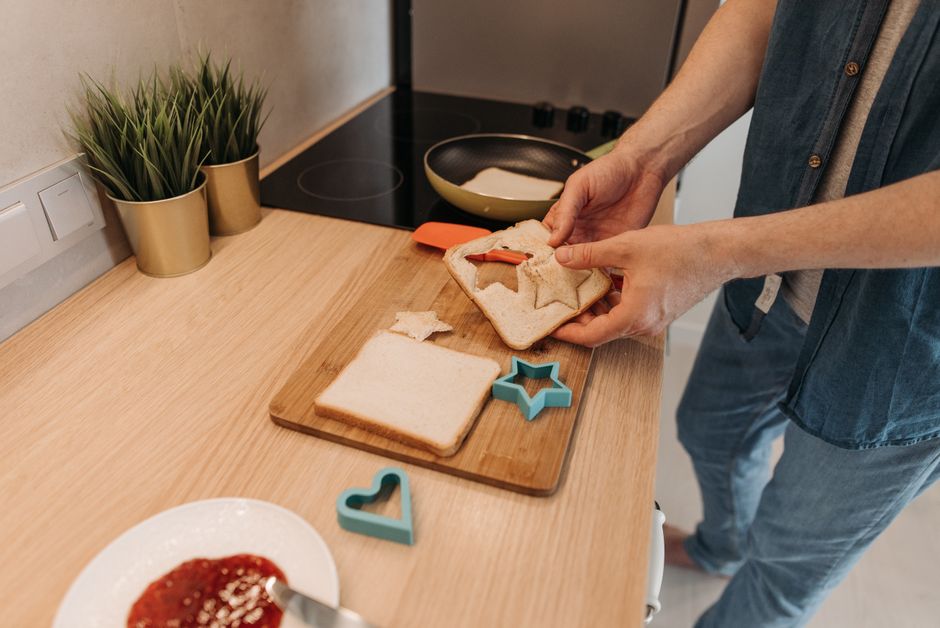
Why School Lunches Are So Hard for Picky Eaters

If your child sends back a full lunchbox every single day, you are not failing as a parent. There is a well-documented pattern called **safe food shrink** — between ages 4 and 10, many children’s accepted food list actually narrows rather than expands. This is driven by sensory development, social anxiety, and the brain’s natural risk-avoidance wiring at that age.
Most US schools allow only 20–25 minutes to eat, and the social pressure of the cafeteria makes even a reliable food feel risky to open. A warm pasta dish your child loves at dinner becomes a cold, gummy clump by 11:45 a.m. — and to a texture-sensitive kid, those are two completely different foods.
- **Safe food shrink** is a normal developmental phase, not a discipline problem
- Temperature and texture shifts transform familiar foods into unfamiliar ones
- Social pressure at the lunch table suppresses food risk-taking
- Nutrient gaps from beige-food lunches build quietly over months
Editor’s pick: bento lunchbox 5 compartment kids — see current prices and reviews.
Know Your Child’s Picky-Eater Profile Before You Pack
Not all picky eaters are the same, and treating them like they are leads to wasted food and frustrated mornings. Feeding therapists typically describe four common profiles: the **texture-sensitive** child, the **color-avoider**, the **brand-loyal** child, and the **monotony-seeker** who finds variety genuinely stressful.
Before trying any new lunch idea, do a quick parent audit: list every food your child currently accepts, then sort by food group. Most parents discover their child accepts more foods than they realized — just in very limited categories. That list becomes your ingredient library for [packing smarter school lunches for kids](https://sieunjayf.blog/category/kids/).
- Identify your child’s picky-eater profile before choosing strategies
- Audit accepted foods by food group to find hidden variety
- Use **food bridges**: place a new food next to a guaranteed-yes food, no pressure attached
- Forcing variety backfires — repeated low-stakes exposure is what the research supports
The Nutrition Targets That Actually Matter at Lunch
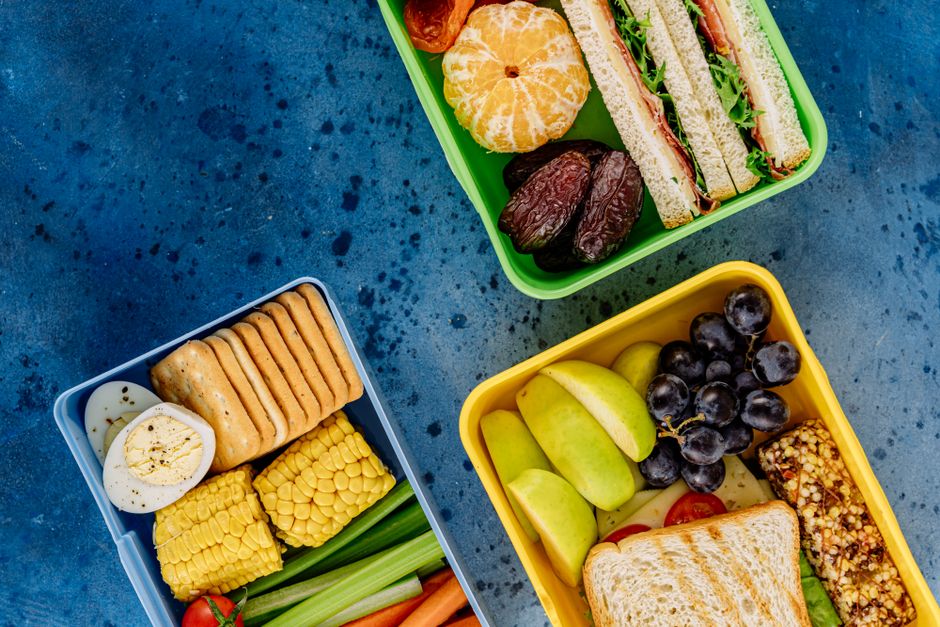
A school lunch has to fuel four to six hours of learning and activity. Children who get fewer than **8 grams of protein at lunch** show measurable afternoon attention and behavior dips, according to pediatric nutrition research. A practical target of 10–15g of protein is achievable even with picky eaters.
Simple carbs alone — crackers, fruit, pretzels — spike and crash by early afternoon. Pairing any carb with a fat or protein source, like cheese with crackers or hummus with pita, smooths that energy curve significantly. Picky eaters commonly miss iron, zinc, calcium, and vitamin D, the four micronutrients most concentrated in foods kids routinely reject.
- **Protein target:** 10–15g per lunch for school-age kids
- Pair every carb with a fat or protein to prevent the afternoon energy crash
- Watch for deficiencies in iron, zinc, calcium, and vitamin D
- What kids drink at lunch matters as much as what they eat
Build-a-Lunchbox: The 5-Compartment Framework
The most effective system for picky eaters is built around **predictability with low-stakes variety**. The five-compartment approach gives every element a designated spot, which reduces sensory overwhelm and makes the box feel safe to open.
**Compartment 1 — The Safe Anchor:** Always include one guaranteed-yes food. It signals to your child that the box is safe, which makes them more likely to engage with everything else.
**Compartment 2 — Protein:** Go beyond deli meat. Reliable picks include string cheese, edamame, hard-boiled eggs, hummus, Greek yogurt, and sunflower butter. Aim for at least 10g here.
**Compartment 3 — Carb:** Thin whole-wheat crackers, mini whole-grain bagels, or pasta stars hold up texturally better than 100% whole-wheat bread.
**Compartment 4 — Produce:** Raw vegetables with a dip cup outperform plain vegetables dramatically. Cut shapes matter — crinkle-cut cucumbers get eaten; a whole bell pepper does not.
**Compartment 5 — The Try Spot:** A small, low-pressure compartment for one new or unfamiliar item. No comment, no expectation — pure exposure over time.
- Always include one safe anchor food to set the tone for the whole box
- Protein beyond deli meat: eggs, edamame, hummus, cheese sticks
- Dip strategy for produce dramatically increases vegetable acceptance
- The try spot is about repeated exposure, not pressure to eat
10 Healthy School Lunch Ideas Picky Eaters Will Actually Eat
Each of these ideas clears the 10g protein threshold and uses ingredients most picky eaters already accept in some form. All are nut-free and school-safe.
1. **DIY Pizza Lunchable:** Whole-grain crackers, part-skim mozzarella cubes, and a small marinara dip cup. Assembly turns eating into play.
2. **Deconstructed Taco Bowl:** Plain cooked rice, shredded chicken, and mild salsa in completely separate containers. No mixing, no rejection.
3. **Sunflower Butter Banana Roll-Up:** Whole-wheat tortilla, sunflower butter, banana slices, apple wedges on the side. Nut-free and hits protein plus fiber.
4. **Mini Bagel with Cream Cheese:** Add cucumber rounds and grapes. Simple, familiar, and takes 3 minutes to pack.
5. **Pearl Couscous with Butter and Parmesan:** Holds at room temperature better than pasta, alongside a cheese stick and a clementine.
6. **Waffle Sandwich:** Frozen whole-grain mini waffles, turkey slices, and a thin schmear of cream cheese. Unexpectedly filling and consistently kid-approved.
7. **Dippy Egg Box:** Hard-boiled egg with a small ketchup cup, Goldfish crackers, and baby carrots. The dipping element drives real engagement.
8. **Cold Sunflower Butter Noodles:** Soba or spaghetti tossed in sunflower butter and a splash of soy sauce, served cold, with mandarin orange segments.
9. **Quesadilla Triangles:** Mild shredded cheese in a whole-wheat tortilla, pan-toasted Sunday night, with a small applesauce cup.
10. **Mini Meatballs with Buttered Pasta Stars:** Batch-cook meatballs on Sunday, portion into small containers, add buttered orzo and a fruit pouch.
| Lunch Idea | Approx. Protein | Prep Time | Nut-Free? |
|---|---|---|---|
| DIY Pizza Lunchable | 11g | 5 min | Yes |
| Deconstructed Taco Bowl | 14g | 10 min (batch) | Yes |
| Sunflower Butter Roll-Up | 8g | 4 min | Yes |
| Mini Bagel + Cream Cheese | 7g | 3 min | Yes |
| Waffle Sandwich | 12g | 5 min | Yes |
| Dippy Egg Box | 10g | 5 min | Yes |
| Cold Sunflower Butter Noodles | 9g | 15 min (batch) | Yes |
| Quesadilla Triangles | 10g | 8 min (batch) | Yes |
| Mini Meatballs + Pasta | 15g | 20 min (batch) | Yes |
| Pearl Couscous Box | 9g | 10 min (batch) | Yes |
Smart Ingredient Swaps That Quietly Boost Nutrition
The goal is to improve nutritional density in foods your child already accepts — without changing the eating experience enough to trigger rejection. Brands that mill whole wheat more finely produce crackers and bread that **look and taste nearly identical** to white versions. Check the texture before committing to a full week.
**Greek yogurt blended with a small amount of cream cheese** makes a higher-protein spread that tastes like regular cream cheese to most kids. Cottage cheese blended smooth until it resembles ricotta adds protein to pasta dishes and quesadilla fillings without a detectable texture change.
| Expensive Item | DIY Swap | Savings per Serving |
|---|---|---|
| Pre-packed snack cheese | Block cheese, sliced at home | ~$0.60 |
| Individual hummus cups | Tub hummus in small containers | ~$0.45 |
| Flavored applesauce pouches | Unsweetened applesauce, reusable pouch | ~$0.50 |
| Pre-marinated chicken strips | Batch-roasted chicken breast, shredded | ~$1.20 |
| Name-brand nut-free protein bars | Hard-boiled egg + cheese stick combo | ~$0.80 |
Sunday Meal Prep in 30 Minutes for a Full Week of Lunches
The biggest barrier to packing healthy lunches consistently isn’t motivation — it’s **decision fatigue at 7 a.m.** A focused 30-minute Sunday session eliminates that friction entirely. The sequence matters: proteins first, then grains, then produce prep.
Batch-cook a full dozen hard-boiled eggs, pan-roast and shred a chicken breast, and roll mini meatballs in bulk. Cook a pot of pearl couscous or pastina and portion it immediately. Wash, dry, and cut all produce at once — carrots into sticks, cucumbers into rounds, grapes off the stem.
- **Sequence:** proteins → grains → produce, in that order
- Pre-portion Sunday so mornings take under 5 minutes
- Freeze-to-lunchbox items: mini waffles, edamame, fruit pouches
- Budget target: $25–$35 per week per child for a full week of packed lunches
Nut-Free Lunch Ideas That Don’t Sacrifice Protein
With roughly 1 in 13 US children carrying a food allergy, nut-free policies are standard in most American elementary schools. **Sunflower seed butter** is the closest functional replacement for peanut butter in terms of flavor and spreadability. One note: it can turn green when baked with baking soda — a harmless reaction, but one that can alarm kids. In cold applications like roll-ups, this reaction doesn’t occur.
Seed-based proteins kids will actually eat include roasted pumpkin seeds (pepitas), sunflower kernels in trail-mix format, and flavored roasted chickpeas. Turkey slices, string cheese, hard-boiled eggs, and sh d edamame all clear nut-free requirements without any substitution gymnastics. For more ideas on building allergy-safe, nutritious meals, explore our full [kids nutrition and recipe guide](https://sieunjayf.blog/category/kids/).
- Sunflower seed butter is the best 1:1 peanut butter swap for cold applications
- Seed proteins: pepitas, sunflower kernels, roasted chickpeas
- Safe main proteins: turkey, cheese, eggs, edamame — all nut-free
- Confirm with the school whether the policy covers cross-contamination or only visible nut products
What to Do When Your Kid Comes Home With a Full Lunchbox
A full lunchbox at pickup is not defiance. There are three common reasons a box comes home untouched: the child ran out of time, the social environment made eating feel unsafe, or something triggered an unexpected sensory issue that day.
The **no-comment rule** at pickup is one of the most effective tools feeding therapists recommend. Commenting — even positively — on what was or wasn’t eaten creates performance pressure that transfers into the next day’s box. Simply take the box, empty it, and note mentally what came back.
- Full lunchbox = data, not defiance
- Use the no-comment rule at pickup — no interrogation, no praise
- Read what came back and adjust tomorrow’s box accordingly
- Consistent full boxes over 2+ weeks warrant a conversation with the pediatrician
Healthy Drinks to Pair With School Lunch
A standard 6-oz juice box carries **15–20 grams of added sugar** — more than the American Heart Association’s entire daily sugar recommendation for children. That sugar load triggers a rapid insulin response that contributes to the exact afternoon energy crash you’re working to prevent.
Plain water in a reusable insulated bottle is the default and the most evidence-supported choice. If your child won’t drink plain water, diluted 100% fruit juice (50% juice, 50% water) is a workable bridge. Low-sugar flavored milk under 12g total sugars per serving is another solid option.
- Avoid standard juice boxes — 15–20g sugar per serving undermines the whole lunch
- Default to plain water in an insulated reusable bottle
- Bridge options: diluted 100% juice, plain kefir pouches, low-sugar milk
- Electrolyte drinks: only warranted for illness recovery or high-exertion days
Age-by-Age School Lunch Guide for Picky Eaters (K–8)
A lunch that works for a kindergartner will not work for a sixth grader — physically, socially, or calorically. Calibrating the lunchbox to your child’s age removes a surprising amount of friction.
**Kindergarten through 2nd grade (ages 5–8):** Fine motor skills are still developing, so utensils are unreliable. Focus on finger foods, small portions, and packaging your child can open independently. Portions should be small enough that finishing feels like a win.
**3rd through 5th grade (ages 8–11):** Peer influence at the lunch table peaks during this window. Familiar-looking foods in familiar packaging reduce the social risk of eating something different. Let kids choose between two pre-approved options each morning to build buy-in.
**Middle school (6th–8th grade, ages 11–14):** Caloric needs jump significantly. A lunch that satisfied a 9-year-old will leave a 12-year-old unfocused by 1 p.m. Scale portions up by roughly 25–30% and include a more substantial protein source.
- K–2: finger foods, easy-open containers, small portions, no utensils required
- 3rd–5th: familiar packaging, let kids choose between two options
- 6th–8th: scale portions up ~25–30%, prioritize caloric density
- Transfer lunch-building ownership to kids around age 9–11 to increase buy-in
Frequently Asked Questions
What is the easiest healthy lunch for a picky eater at school?
A mini bagel with cream cheese, a cheese stick, grapes, and baby carrots with a small hummus cup checks all the nutritional boxes — protein, carbs, fat, and produce — in under 4 minutes of prep. It works because every component is familiar, requires no utensils, and travels well without temperature loss.
How do I get my picky eater to try new foods without a meltdown?
Use the food bridge method: place a very small amount of the new food in a separate compartment right next to their absolute favorite food. Don’t mention it at pickup. Repeat for 10–15 school days. Repeated low-pressure exposure — not encouragement or reward — is what feeding research consistently shows moves the needle.
Are there healthy school lunch ideas that work for nut-free classrooms?
Yes — and they don’t require sacrificing protein or flavor. Sunflower seed butter roll-ups, turkey and cheese mini bagels, hard-boiled eggs with Goldfish crackers, edamame, and quesadilla triangles are all nut-free and consistently kid-accepted. Check your school’s specific policy, as some schools restrict seeds as well.
How much protein does a school-age child need at lunch?
For children ages 5–12, **10–15 grams of protein at lunch** is a practical and well-supported target. Under 8g at lunch correlates with afternoon attention and energy dips in pediatric nutrition research. One hard-boiled egg plus a cheese stick already clears 10g — protein goals for kids are very achievable without elaborate meal planning.
Top Product Recommendations
| Product Name | Rating | Key Feature | Est. Price | Action |
|---|---|---|---|---|
| Top-rated bento lunchbox 5 compartment kids | ★★★★★ | Editor-recommended bento lunchbox 5 compartment kids from this guide | $18–$42 | Check Lowest Price on Amazon |
| Best-value sunflower seed butter nut-free | ★★★★☆ | Affordable sunflower seed butter nut-free — strong everyday results | $12–$28 | Check Lowest Price on Amazon |
| Premium insulated kids water bottle reusable | ★★★★☆ | Higher-end insulated kids water bottle reusable for visible, lasting results | $45–$95 | Check Lowest Price on Amazon |
Affiliate Disclosure: This post contains affiliate links. We may earn a commission if you buy through our links, at no extra cost to you.
Leave a Reply