Why Packed Lunches for Picky Eaters Matter
Getting kids to eat a nutritious lunch away from home is one of the biggest challenges US parents face during the school year. Whether your child turns their nose up at anything green or refuses anything that looks “too healthy,” packing a lunch they will actually eat requires creativity, strategy, and a willingness to think outside the traditional sandwich box. This guide walks you through recipes, ingredient swaps, and time-saving hacks specifically designed for picky eaters in elementary and middle school.
The goal is simple: build a balanced lunch that delivers lean protein, whole grains, fruits, and vegetables without turning your kitchen into a battlefield every morning. Every section below gives you actionable ideas you can prep the night before or batch-cook on Sunday to make weekday mornings stress-free.
—
Quick pick: Compare top-rated Kids options.
Quick and Easy Lunch Recipes for Busy School Days
When morning time is short, having go-to recipes your kids actually devour makes all the difference. These four options take under 15 minutes to assemble and travel well in a standard insulated lunch box.
Turkey and Cheese Wrap with a Twist
A simple turkey and cheese wrap becomes a lunchbox star when you add a thin layer of hummus or cream cheese and a few slices of cucumber. Roll it tightly, slice it in half diagonally, and secure with a toothpick. The soft tortilla keeps the turkey moist for hours, and the crunch from the cucumber adds texture that picky palates often crave.
Veggie-Packed Pasta Salad
Cook small pasta shapes such as rotini or bow ties in advance and toss with olive oil, a handful of cherry tomatoes, steamed broccoli florets, and cubed low-fat cheese. Add a sprinkle of Italian seasoning. Serve cold or at room temperature. This pasta salad works perfectly in a leak-proof container and gives kids finger food they can eat without a fork.
Mini Pizza Bites on English Muffins
Split whole English muffins, spread a thin layer of low-sugar tomato sauce, top with shredded mozzarella and mini pepperoni, then broil for two minutes. Let cool, wrap individually in foil, and pack cold. These pizza bites satisfy the pizza craving without the processed ingredients found in most frozen pizza products.
No-Sandwich Sandwich Ideas
Not every lunch needs bread. Try a bento-style box with cubed cheese, deli turkey rolled into pinwheels, grape tomatoes, cucumber slices, and whole-grain crackers. A small container of hummus for dipping turns this into a protein-rich meal. Kids enjoy the variety, and you control exactly what goes into each compartment.
Rainbow Fruit Skewers
Thread alternating chunks of pineapple, strawberries, mandarin orange segments, green grapes, and blueberries onto short wooden skewers. The visual appeal makes fruit exciting, and the mix delivers vitamin C, fiber, and natural sweetness without added sugars. Skewers pack flat and are easy for small hands to manage.
—
Nutritious Ingredients Every Picky Eater Lunch Needs
Balancing macronutrients keeps kids energized through afternoon classes and athletic practice. Focus on including at least one item from each of these four groups in every lunch.
| Nutrient Group | Best Picks for Picky Eaters | Why It Matters |
|---|---|---|
| Lean Protein | Turkey, rotisserie chicken, tuna packets, hard-boiled eggs | Sustains energy and supports growth |
| Whole Grains | Whole wheat tortillas, whole grain crackers, quinoa | Fiber keeps kids full until dinner |
| Fresh Produce | Apple slices, grapes, carrots, berries | Vitamins and natural hydration |
| Low-Fat Dairy | String cheese, Greek yogurt cups, milk boxes | Calcium and vitamin D for bone health |
Protein Swaps for Different Tastes
If your child rejects turkey, try shredded rotisserie chicken mixed with a teaspoon of mayo and a pinch of dill. Tuna packed in single-serve pouches works well for older kids who enjoy mild fish flavors. Eggs are one of the most versatile proteins — try slicing a hard-boiled egg over a small salad or packing mini egg salad finger sandwiches.
—
Sneaky Ways to Add More Vegetables to Any Lunch
Getting vegetables into a picky eater’s lunch requires subtlety and strategy. Most kids do not protest when vegetables are well-disguised, especially when flavor and texture work in their favor.
Puree Veggies into Sauces
Blending cauliflower or butternut squash into tomato sauce adds creaminess and nutrients with zero detectable flavor. Stir two tablespoons of puréed vegetables into pasta sauce or pizza sauce before packing. The color stays red, the taste stays familiar, and your child gains extra fiber without knowing it.
Grate Zucchini or Carrots Into Cold Dishes
A box grater turns zucchini and carrots into fine shreds that blend seamlessly into pasta salads, chicken salad, or grain bowls. One small zucchini grated adds nearly a full serving of vegetables to a lunch with no change in taste or texture. This technique works especially well in chicken or tuna salad sandwiches.
Blend Spinach Into Smoothies for Dips
Frozen spinach pureed with banana, Greek yogurt, and a drizzle of honey creates a vibrant green dip that kids happily pair with whole-grain pita or crackers. The banana completely masks the spinach flavor, leaving only the sweetness. Pack a small container of spinach smoothie dip alongside veggie sticks.
Finely Dice Veggies Into Meatballs and Patties
Mix finely minced mushrooms, onions, and spinach into homemade chicken or turkey meatballs. Bake a big batch on Sunday, freeze in individual portions, and pull out what you need each morning. These freeze-and-heat items save time and ensure every bite contains hidden nutrition.
—
Budget-Friendly and Time-Saving Lunch Prep Tips
Planning ahead is the single most effective strategy for maintaining healthy school lunches without burning out. These tips cut cost and morning stress significantly.
Batch Cook Proteins on Sunday
Roast two pounds of chicken breasts or bake a large sheet pan of turkey meatballs on Sunday evening. Portion them into zipper-lock bags with two to three ounces each. Grab one bag each morning and add it to the lunch box cold or at room temperature. Batch cooking cuts the per-serving cost by nearly half compared to buying individual portions.
Shop Seasonal Produce for Lower Costs
Apples, pears, and citrus are cheapest in fall and winter. Strawberries, blueberries, and peaches drop in price during summer months. Building your weekly lunch menus around what is in season at your local grocery store or farmers market reduces waste and stretches your grocery budget further.
Repurpose Dinner Leftovers Creatively
Any leftover grilled chicken becomes a chicken Caesar wrap. Extra rice transforms into a fried rice bowl with egg and frozen peas. Shredded pork from dinner turns into a quesadilla filling the next day. Leftovers eliminate extra cooking and give kids a familiar comfort food they already enjoy.
Pre-Prep Ingredients on the Weekend
Wash and slice fruits and vegetables Sunday night and store them in airtight containers with a paper towel to absorb moisture. Pre-cook pasta and grain batches, portion shredded cheese, and hard-boil a dozen eggs. Morning assembly then takes under five minutes because most of the work is already done.
—
Fun and Interactive Lunch Packing Ideas Kids Love
When kids have a hand in building their lunch, they are far more likely to eat it. Interactive packing turns mealtime into something exciting rather than a chore.
Build-Your-Own Wrap Station
Set out whole wheat tortillas, sliced deli meat, cheese, lettuce, tomato slices, and a small container of dressing on the counter. Let your child assemble their own wrap before you pack it. The sense of ownership often convinces reluctant eaters to try ingredients they would normally reject.
Create a Mini Sandwich Bar with Cookie Cutters
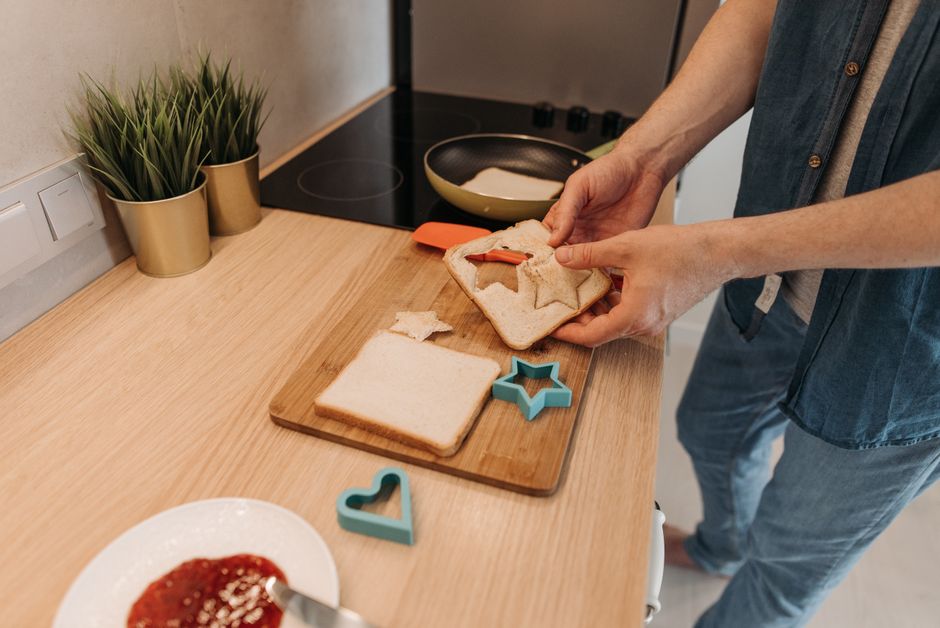
Lay out bread slices, deli meat, cheese, and condiments and let your child use fun cookie cutters to shape sandwiches into stars, hearts, or dinosaurs. Even picky eaters get excited about a sandwich that looks playful, and you still control the quality of each ingredient.
Use Bento Box Containers for Visual Appeal
Bento-style compartments naturally create a visually appealing meal. Fill one section with crackers, another with cheese cubes, a third with fruit, and a fourth with protein. The variety makes the lunch feel special without requiring any actual cooking.
Turn Lunch Into a Learning Experience
Slip a small card into the lunch box with a fun food fact: “Carrots were originally purple before the 17th century!” or “Turkey is a type of pheasant originally found in North America.” Kids share these facts with classmates and teachers, building a positive connection with food while reinforcing what they are eating.
—
Common Mistakes When Packing Kids Lunches and How to Fix Them
Many parents unintentionally sabotage their own efforts by making a few common errors that are easy to correct.
Mistake: Too Much Food, Not Enough Variety
Filling a lunch box with one oversized sandwich overwhelms some kids who then eat nothing. Fix this by offering smaller portions of three or four different items. A few bites of a wrap, a handful of grapes, a string cheese, and some crackers feels manageable and encourages kids to try a little of everything.
Mistake: Ignoring Food Safety
Perishable items left in a locker for hours can spoil, especially in warm classrooms. Always include an ice pack in the lunch box and keep items like yogurt, eggs, and deli meat refrigerated until the morning. Insulated lunch bags with gel packs cost under ten dollars and solve this problem entirely.
Mistake: Repeating the Same Foods Every Day
Picky eaters often dig in their heels when they feel trapped by routine. Rotate proteins and carb sources every two to three days. If Monday is a turkey wrap, try chicken pasta salad on Wednesday and mini pizza bites on Friday. The variety keeps kids engaged without abandoning the structure of a balanced meal.
Mistake: Forgetting Hydration
Kids often skip water in favor of juice boxes or chocolate milk loaded with added sugars. Send a reusable water bottle with a secure lid. Most schools have water bottle filling stations. Keeping kids hydrated actually improves their focus and mood throughout the morning.
—
Simple Swaps to Make Any Lunch Healthier
Making small, incremental changes is more effective than overhauling the entire lunch menu at once. These five swaps take seconds and deliver noticeable nutritional improvements.
1. **Replace white bread with whole wheat bread** in any sandwich or wrap.
2. **Switch from regular cheese to low-fat string cheese** for the same calcium punch with less saturated fat.
3. **Trade juice boxes for whole fruit** — an apple or banana delivers fiber that juice lacks.
4. **Choose plain Greek yogurt over flavored varieties** and add a small drizzle of honey yourself.
5. **Swap chips for air-popped popcorn or whole-grain crackers** for a satisfying crunch with more fiber and less sodium.
—
Frequently Asked Questions (FAQ)
What are some good sources of lean protein for school lunch?
Turkey, rotisserie chicken, canned tuna, hard-boiled eggs, and Greek yogurt are all exc nt sources of lean protein that pack easily into a lunch box. Rotisserie chicken works especially well because it is affordable, already cooked, and shreds easily into wraps, salads, or grain bowls. For vegetarian kids, hummus combined with whole-grain crackers or edamame provides a solid protein foundation.
How can I add more vegetables to my child’s lunch without them noticing?
Grating zucchini or carrots into pasta salad, blending spinach into smoothies or dips, and pureeing cauliflower into tomato sauce are three of the most effective techniques. Finely dicing vegetables into chicken or tuna salad also works well because the small pieces mix evenly with the other ingredients. The goal is to keep color and texture consistent so vegetables blend into the meal rather than standing out.
What are healthy sandwich alternatives for picky eaters?
Wraps made with whole wheat tortillas, cold pasta salads with lean protein and vegetables, mini pizza bites on whole English muffins, and bento-style boxes with cheese cubes, deli meat pinwheels, and crackers are all nutritious alternatives to traditional sandwiches. These options give kids variety in both texture and flavor while still delivering the protein, grains, and produce they need for a balanced diet.
How far ahead can I prep school lunches?
Most components stay fresh for up to three days when stored properly in airtight containers in the refrigerator. Proteins like grilled chicken and hard-boiled eggs prep well on Sunday and last through Wednesday. Fresh fruit and pre-sliced vegetables should be prepped closer to the day they are eaten to prevent browning or wilting. Freeze homemade muffins or pancakes for up to one month and thaw overnight in the refrigerator for quick morning assembly.
Top Product Recommendations
| Product Name | Rating | Key Feature | Est. Price | Action |
|---|---|---|---|---|
| Best Kids Pick | ★★★★★ | Top-rated overall | $25–$45 | Check Lowest Price on Amazon |
| Budget Kids Option | ★★★★☆ | Great for beginners | $12–$28 | Check Lowest Price on Amazon |
| Premium Kids Choice | ★★★★☆ | Pro-level results | $50–$90 | Check Lowest Price on Amazon |
Affiliate Disclosure: This post contains affiliate links. We may earn a commission if you buy through our links, at no extra cost to you.
Leave a Reply