{# Why High-Calorie Smoothies Are the Smartest Tool for Healthy Weight Gain
If you’ve ever sat down to a full plate and felt stuffed before hitting your calorie goal, you already understand why **healthy weight gain smoothie recipes high calorie** have become the go-to strategy for hard gainers. Liquid calories digest faster, take up less stomach volume, and are far easier to consume consistently — especially when appetite is low. A well-built smoothie can deliver 600–800 calories in under 10 minutes with zero cooking required.
The math on weight gain is simple: you need a daily calorie surplus of roughly 300–500 calories above your total daily energy expenditure to add lean mass at a steady pace. Trying to hit that surplus with extra solid meals alone can feel exhausting. One well-designed smoothie as a second breakfast or pre-bed snack closes that gap without the food fatigue.
Whole-food smoothies also beat commercial mass-gainer powders on ingredient quality. Most mass gainers rely on maltodextrin and cheap oils to pad calories. A home-blended smoothie using oats, nut butter, and full-fat dairy gives you fiber, micronutrients, and slow-digesting carbs — nutrients that support real health, not just scale weight. The most common mistake new gainers make is blending a fruit-and-spinach smoothie they found on a weight-loss site, which often clocks in under 300 calories — the exact opposite of what you need.
—
What Makes a Smoothie Truly High-Calorie Without Junk Ingredients
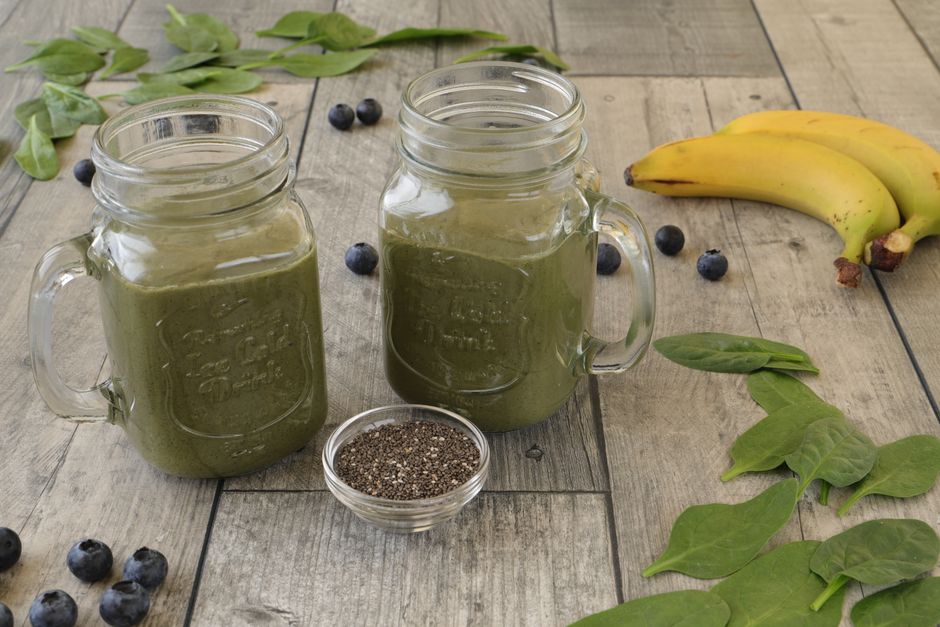
A genuinely calorie-dense smoothie is built on three macro pillars: healthy fats, complex carbohydrates, and complete protein. Fat is the most calorie-dense macronutrient at 9 calories per gram, so ingredients like nut butters, avocado, and coconut cream do the heavy lifting efficiently. Complex carbs from oats and bananas provide sustained energy rather than a sugar spike.
Calorie density versus volume is a concept every home cook needs to understand here. A cup of spinach adds roughly 7 calories. A tablespoon of almond butter adds 100. The goal is to pack the most caloric value into every ounce of your smoothie — not to fill a 32-oz cup with ice and watery fruit. Ingredient choice matters far more than cup size.
When reading labels on mix-ins, look for nut butters with no added sugar or hydrogenated oils — just nuts and maybe salt. Rolled oats should be plain, not flavored packets loaded with added sweeteners. Avoid “light” or reduced-fat versions of any ingredient; those exist for weight-loss goals and actively undermine a bulking smoothie. If you’re still figuring out the bigger picture of your healthy weight gain nutrition strategy, starting with ingredient quality is the right foundation.
—
Editor’s pick: high calorie weight gain protein powder — see current prices and reviews.
The Best High-Calorie Base Ingredients Every Budget Kitchen Should Stock
Your smoothie base sets the calorie floor for the whole drink. Full-fat whole milk delivers roughly 150 calories per cup alongside protein and fat. For plant-based options, full-fat canned coconut milk is the heavyweight at around 400 calories per cup, while oat milk clocks in at 120–150 depending on brand. Thin almond milk (30–60 calories per cup) is popular but nearly useless for calorie goals — skip it unless you’re mixing it with other dense ingredients.
Frozen bananas are the single best thickener for high-calorie smoothies. They add natural sweetness, around 105 calories each, and a creamy texture that makes a smoothie feel like a milkshake. Freeze ripe bananas in bulk — peel them first, break into chunks, and store in a zip-top bag. Rolled oats are criminally underrated as a bulking add-in: a half cup adds roughly 150 calories, 5 grams of protein, and real fiber for under $0.15 at most grocery stores.
Avocado is the secret weapon for adding healthy fat without dramatically changing flavor. Half an avocado contributes around 120 calories and gives any smoothie an ultra-creamy texture. Combined with frozen banana as a base, avocado creates a rich, neutral canvas that works with chocolate, vanilla, or tropical flavor profiles. Stock these five ingredients and you have the foundation for every recipe in this guide.
- Full-fat whole milk or canned coconut milk
- Frozen ripe bananas
- Rolled oats (not instant flavored packets)
- Ripe avocado
- Natural peanut or almond butter
—
Protein Boosters That Actually Blend Well in High-Calorie Smoothies
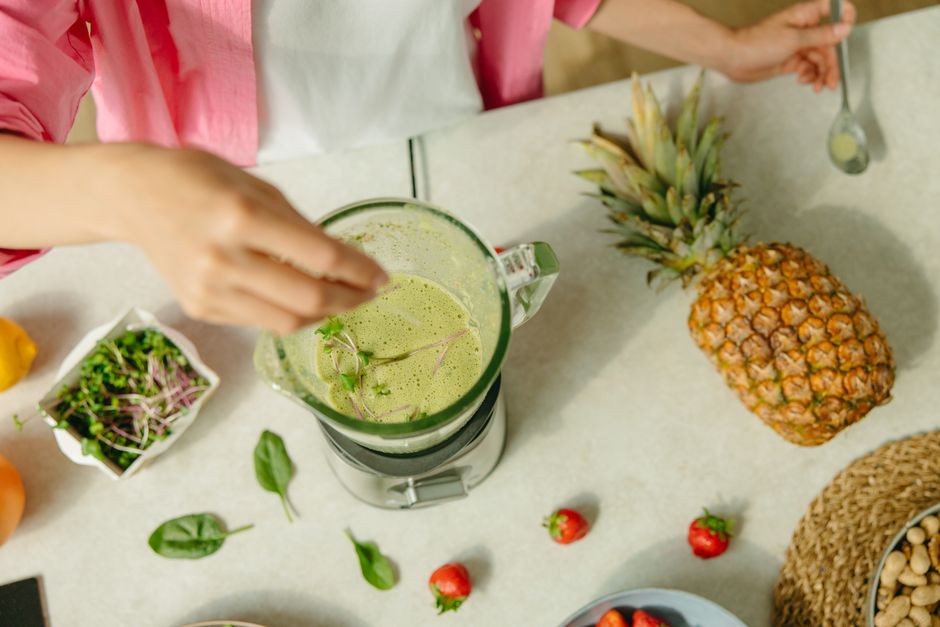
Greek yogurt is arguably the best protein booster for smoothies: one cup of full-fat Greek yogurt adds 17–20 grams of protein and around 220 calories, and it blends completely smooth. Cottage cheese is a surprising alternative — it sounds odd but blends invisibly into smoothies, delivering a similar protein payload at a lower cost per ounce. Buy the full-fat version of either to keep calories high.
Natural nut butters — peanut, almond, or sunflower seed for those with tree nut allergies — contribute both protein and fat. Two tablespoons of peanut butter add 8 grams of protein and 190 calories. Hemp seeds deserve a spot in every weight-gain pantry: three tablespoons deliver 10 grams of complete protein and 170 calories, and they blend so smoothly you won’t notice them. Chia seeds add 5 grams of protein and 140 calories per two tablespoons, plus omega-3 fats.
Protein powder can be useful when you need to hit a specific protein target without adding more food volume. Casein or whey concentrate blend smoothest in cold liquids. Plant-based options like pea protein work well but can add a slightly chalky texture — blend longer and add a tablespoon of nut butter to compensate. Choose unflavored or vanilla to keep recipe versatility wide.
—
5 High-Calorie Weight Gain Smoothie Recipes to Make This Week
Here are five tested recipes built for calorie density, real flavor, and easy weekday prep. Each comes together in under 5 minutes.
The Peanut Butter Banana Oat Shake (~700 Calories)
**Ingredients:** 1 cup whole milk, 1 frozen banana, ½ cup rolled oats, 3 tbsp natural peanut butter, 1 cup full-fat Greek yogurt, 1 tsp vanilla extract, pinch of salt.
Blend oats first with milk for 20 seconds to break them down before adding the remaining ingredients. This one step prevents a gritty texture that ruins the experience. Total blend time: 60 seconds on high. This is the workhorse recipe — straightforward, filling, and easy to batch prep.
The Chocolate Avocado Smoothie (~650 Calories)
**Ingredients:** 1 cup full-fat oat milk, ½ ripe avocado, 1 frozen banana, 2 tbsp almond butter, 2 tbsp unsweetened cocoa powder, 1 tbsp honey, ½ cup full-fat Greek yogurt.
The avocado gives this a thick, mousse-like texture. Add cocoa powder last to avoid clumping on the blades. Great for anyone who wants a dessert-style shake without leaning on processed ingredients.
The Tropical Coconut Mango Gainer (~600 Calories)
**Ingredients:** ½ cup full-fat canned coconut milk, ½ cup oat milk, 1 cup frozen mango chunks, 1 frozen banana, 3 tbsp hemp seeds, 1 tbsp coconut oil.
This is the best dairy-free option in the lineup. The canned coconut milk is the calorie driver — don’t substitute light coconut milk or the count drops by 200-plus calories. Blend until completely smooth, about 90 seconds.
The Vanilla Oat Breakfast Smoothie (~580 Calories)
**Ingredients:** 1 cup whole milk, 1 cup full-fat Greek yogurt, ½ cup rolled oats, 1 frozen banana, 2 Medjool dates (pitted), 1 tsp vanilla extract, ½ tsp cinnamon.
Medjool dates provide natural sweetness and about 130 extra calories. This one tastes like drinkable overnight oats and holds up well as a complete breakfast replacement on busy mornings.
The Pumpkin Spice Almond Butter Smoothie (~620 Calories)
**Ingredients:** 1 cup whole milk, ½ cup canned pumpkin puree (not pie filling), 1 frozen banana, 3 tbsp almond butter, ½ cup rolled oats, 1 tsp pumpkin pie spice, 1 tbsp maple syrup.
Canned pumpkin adds 40 calories per half cup while bringing fiber and beta-carotene. A perfect pantry-staple recipe for fall and winter months when you want something warming and seasonal.
—
Budget-Friendly Shopping List for a Week of High-Calorie Smoothies
One full week of two daily high-calorie smoothies — ten total — can be assembled for $25–$35 at Walmart or ALDI when you shop smart. The biggest cost drivers are Greek yogurt and nut butter, but both stretch across multiple recipes. Here’s a realistic breakdown:
| Ingredient | Approx. Cost | Servings Covered |
|---|---|---|
| Frozen bananas (3 lb bag) | $1.50 | 8–10 smoothies |
| Rolled oats (42 oz canister) | $3.50 | 15+ smoothies |
| Natural peanut butter (16 oz) | $3.00 | 8 smoothies |
| Full-fat Greek yogurt (32 oz) | $5.50 | 8 smoothies |
| Whole milk (gallon) | $3.50 | 10+ smoothies |
| Frozen mango (16 oz) | $2.50 | 4–5 smoothies |
| Hemp seeds (8 oz) | $6.00 | 12+ smoothies |
| Avocados (4-pack) | $4.00 | 8 smoothies |
Frozen fruit consistently beats fresh on both price and nutrition: freezing locks in peak-ripeness nutrients and eliminates spoilage waste. Buy nut butters and oats in bulk containers — the per-ounce cost drops significantly compared to smaller jars. Pantry staples like vanilla extract, cinnamon, and cocoa powder cover all five recipes with a single purchase that lasts months.
—
Meal Prep Tips: Batch-Blending and Freezer Smoothie Packs
Building freezer smoothie packs is the single most effective habit for staying consistent with high-calorie drinking. Spend 25–30 minutes on Sunday portioning out dry and frozen ingredients into labeled zip bags or silicone freezer bags — one bag per smoothie. When morning comes, dump the bag into the blender, add your liquid base and yogurt, and blend. Done in 90 seconds.
The rule for pack building: pre-portion everything that freezes well — banana chunks, frozen fruit, oats, hemp seeds, and even portioned nut butter frozen in ice cube trays. Add fresh ingredients like avocado and yogurt at blend time since they don’t freeze well in packs. Smoothies are best consumed immediately after blending, but if needed, they keep in a sealed mason jar in the refrigerator for up to 18–24 hours before separation becomes noticeable.
Keep your blender on the counter rather than in a cabinet — the friction of pulling it out is enough to break the routine on busy mornings. Pre-labeling bags with the recipe name and calorie count removes any decision fatigue from the process. Consistency over weeks is what drives steady, healthy weight gain results — not a perfect smoothie made once.
—
Smart Ingredient Swaps for Dietary Needs and Allergies
Every recipe in this guide can be adapted without sacrificing calorie density. For dairy-free weight gain smoothies, swap whole milk for full-fat oat milk or canned coconut milk, and replace Greek yogurt with full-fat soy yogurt or silken tofu blended smooth. Silken tofu adds 18 grams of protein per cup and blends completely invisibly — one of the best-kept secrets in plant-based bulking.
For nut-free smoothies, sunflower seed butter is the most direct swap for peanut or almond butter, with nearly identical calorie and fat content. Pumpkin seed butter and tahini are two solid alternatives. Both blend well and add a slightly earthy flavor that pairs nicely with cocoa or cinnamon-forward recipes.
For those managing blood sugar while still pursuing weight gain, reduce the banana to half and replace the remainder with additional oats or avocado. Medjool dates raise blood sugar more gently than refined sugar but should still be limited to one or two per smoothie. For a vegan complete protein combination without powder, combine hemp seeds, soy yogurt, and rolled oats — the amino acid profiles of hemp and soy together cover all essential amino acids adequately.
- Dairy-free: full-fat canned coconut milk, soy yogurt, silken tofu
- Nut-free: sunflower seed butter, tahini, pumpkin seeds
- Lower sugar: reduce banana, increase oats or avocado
- Vegan protein: hemp seeds + soy yogurt + rolled oats
—
How to Track Calories in Homemade Smoothies Without Obsessing
The most practical tracking method: log your recipe once in a free app like Cronometer or MyFitnessPal, save it as a custom recipe, and log it with a single tap every time you make it. This takes 5 minutes the first time and seconds every time after. You never have to weigh individual ingredients again unless you change the recipe.
Eyeballing smoothie calories is unreliable because the margin of error on tablespoon estimates for nut butter alone can swing 100–200 calories. Over a week, that inconsistency can be the difference between a real surplus and treading water. Hitting a consistent 300–500 calorie surplus daily is the goal — and smoothies are one of the cleanest ways to close that gap as a second meal or large between-meal snack.
Adjust portion sizes based on weekly scale trends. If you’re not gaining after two weeks, add one more tablespoon of nut butter or an extra half banana to each smoothie. If you’re gaining faster than desired, reduce the liquid base by a quarter cup. Small, measured adjustments outperform dramatic recipe overhauls every time.
—
Common Mistakes That Keep Your Weight Gain Smoothie From Working
The most calorie-killing mistake is loading your blender with ice. Ice adds zero calories, dilutes flavor, and increases volume without nutritional benefit. Use frozen banana or frozen fruit to create a cold, thick texture — these add calories while doing the same job. If you want a colder smoothie, chill your liquid base in the fridge beforehand.
The second most common error is skipping fat sources and building smoothies around protein alone. Protein provides 4 calories per gram; fat provides 9. A smoothie with 40 grams of protein but no nut butter, avocado, or full-fat dairy will cap out around 300–350 calories — still in weight-loss territory for most people. Fat is not optional in a weight-gain formula.
Timing matters too. Drinking a 700-calorie smoothie 30 minutes before a large meal suppresses appetite and causes you to eat less solid food, potentially offsetting the smoothie’s caloric contribution entirely. Schedule your high-calorie smoothie as a standalone meal or as a between-meal bridge at least 90 minutes from your next solid meal. And audit your dairy: if you’ve been defaulting to low-fat yogurt or reduced-fat milk out of habit, switching to full-fat versions alone can add 100–200 calories per smoothie with no extra effort.
—
How to Make High-Calorie Smoothies Taste Better Without Adding Junk
Flavor layering is the technique that separates a great smoothie from a forgettable one. Vanilla extract — just half a teaspoon — rounds out almost any flavor profile and adds perceived sweetness without sugar. Ground cinnamon adds warmth and pairs naturally with banana, oat, and pumpkin combinations. Unsweetened cocoa powder transforms a basic banana smoothie into something that tastes like a chocolate shake, at essentially zero net calories.
For natural sweetness, ripe Medjool dates are the best whole-food option: two dates add about 130 calories and a deep caramel sweetness without refined sugar. Ripe frozen bananas — the browner and spottier, the better — provide the most sweetness of any base ingredient. A small drizzle of raw honey, about one teaspoon, is fine in moderation and adds negligible calories relative to its flavor payoff.
Texture problems are straightforward to fix. Too thick: add liquid base in 2-tablespoon increments and re-blend for 10 seconds. Too thin: add an extra quarter of frozen banana or a tablespoon of oats and blend again. The ideal ratio for a 600-plus-calorie smoothie is roughly 1 cup liquid to 1.5 cups frozen ingredients to 3–4 tablespoons of a fat source. Finish with a sprinkle of hemp seeds or a drizzle of nut butter on top — this makes the smoothie feel like an intentional meal rather than a rushed drink.
—
Frequently Asked Questions (FAQ)
How many calories should a weight gain smoothie have?
A smoothie built for healthy weight gain should deliver 500–800 calories per serving. This range is substantial enough to meaningfully contribute to a daily calorie surplus without replacing too much solid food variety. Smaller individuals or those who are only slightly underweight should aim for the lower end; larger individuals with high energy output can build toward 800 calories using extra nut butter or oats.
Can I drink a high-calorie smoothie every day without gaining too much fat?
Gaining weight always involves some body fat alongside muscle — that’s normal human physiology. Whole-food high-calorie smoothies that emphasize protein, healthy fats, and complex carbs support more lean mass gain than junk-calorie approaches. Pair daily smoothies with regular strength training to direct surplus calories toward muscle rather than pure fat storage.
What is the cheapest way to make a high-calorie smoothie at home?
The most budget-friendly high-calorie base is whole milk + frozen banana + rolled oats + peanut butter. This combination delivers 550–600 calories for under $1.50 per serving when bought in bulk at a warehouse store or ALDI. Frozen fruit is always cheaper than fresh, and buying large containers of oats and natural peanut butter drops the per-serving cost dramatically compared to smaller packages.
Are weight gain smoothies better before or after a workout?
Both timing windows work, but for different reasons. Pre-workout (60–90 minutes before), a smoothie fuels your training session and ensures energy availability. Post-workout (within 45 minutes after), a smoothie delivers protein and carbs when muscles are most receptive to nutrient uptake, supporting recovery and growth. If you can only fit one, post-workout is slightly more effective for muscle gain when paired with at least 30 grams of protein in the smoothie.
Do I need protein powder in a weight gain smoothie?
No. Greek yogurt, cottage cheese, hemp seeds, and nut butters can collectively deliver 25–35 grams of protein in a single smoothie without any powder. Protein powder is a convenient top-up when you need to hit a specific number, but it’s not a requirement. Whole-food protein sources also contribute calories from fat and carbs, which is exactly what a high-calorie weight gain smoothie needs.
How long does a high-calorie smoothie keep in the fridge?
A blended smoothie stored in a sealed mason jar keeps for 18–24 hours in the refrigerator before separation and flavor degradation become noticeable. Give it a vigorous shake or a quick 10-second re-blend before drinking. Beyond 24 hours, the texture and nutritional quality decline enough that it’s worth making fresh.
Top Product Recommendations
| Product Name | Rating | Key Feature | Est. Price | Action |
|---|---|---|---|---|
| Top-rated high calorie weight gain protein powder | ★★★★★ | Editor-recommended high calorie weight gain protein powder from this guide | $18–$42 | Check Lowest Price on Amazon |
| Best-value natural peanut butter bulk jar | ★★★★☆ | Affordable natural peanut butter bulk jar — strong everyday results | $12–$28 | Check Lowest Price on Amazon |
| Premium hemp seeds for smoothies | ★★★★☆ | Higher-end hemp seeds for smoothies for visible, lasting results | $45–$95 | Check Lowest Price on Amazon |
Affiliate Disclosure: This post contains affiliate links. We may earn a commission if you buy through our links, at no extra cost to you.
Leave a Reply