Why High-Calorie Smoothies Work for Healthy Weight Gain
Adding healthy weight can be just as challenging as losing it, especially when you are working with a fast metabolism or a demanding training schedule. These high-calorie smoothie recipes give you a practical way to stack hundreds of extra calories into a single glass without feeling like you are choking down a second or third full meal. A well-built weight gain smoothie blends protein, healthy fats, and complex carbohydrates into one portable drink that supports muscle growth, sustains your energy throughout the day, and fits easily into a busy American lifestyle.
Unlike empty-calorie junk food, a thoughtfully constructed smoothie delivers real nutrition alongside its caloric density. You control every ingredient, so you avoid added sugars, artificial fillers, and low-quality additives that undermine your health goals. Whether you are a college student short on cooking time, a gym-goer recovering from an intense session, or someone simply trying to reach a healthier weight, smoothie-based meal planning is one of the most flexible tools you can keep in your kitchen.
Quick pick: Compare top-rated Weight Gain options.
High-Calorie Smoothie Ingredients That Actually Pack on Pounds
Choosing the right ingredients is the foundation of any effective weight gain smoothie. The goal is calorie density without excessive volume, meaning every ingredient should deliver meaningful nutrition per spoonful.
- **Bananas** are one of the most calorie-dense fruits available, offering roughly 100 calories per medium fruit along with potassium that supports muscle function.
- **Avocados** contribute around 160 calories and roughly 15 grams of heart-healthy monounsaturated fat in just half a fruit, creating an exceptionally creamy texture.
- **Mango chunks**, whether fresh or frozen, add natural sweetness and roughly 80 calories per half-cup serving with immune-boosting vitamin C.
- **Greek yogurt** delivers 100 to 130 calories per 6-ounce serving alongside 10 to 15 grams of protein, making it a dual-purpose thickener and protein source.
- **Nut butters** such as peanut butter, almond butter, or cashew butter provide roughly 190 to 200 calories and 7 grams of protein per 2-tablespoon serving.
- **Old-fashioned rolled oats** contribute 150 calories per half-cup with slow-digesting complex carbohydrates that sustain energy levels for hours.
- **Chia seeds** and **flaxseed** each offer about 130 to 135 calories per 2 tablespoons with the added benefit of omega-3 fatty acids and fiber.
- **Coconut milk** from a can delivers 200 to 250 calories per half-cup with a rich, velvety texture that makes any smoothie feel indulgent.
Leafy greens such as **baby spinach** deserve a place in your blender too. They add trace vitamins and minerals with negligible calorie impact, so you can fortify your smoothie without sacrificing the caloric density that your goals require.
Smoothie Preparation Tips for the Best Texture and Flavor
Even the best ingredients fall flat without proper preparation technique. A few simple habits will consistently transform your blending results.
- **Choose ripe fruits**: Bananas should have brown speckles on the peel, indicating peak sweetness. Ripe mangoes yield slightly to pressure and smell fragrant near the stem. Underripe fruits are starchy and less sweet, forcing you to add extra sweeteners to compensate.
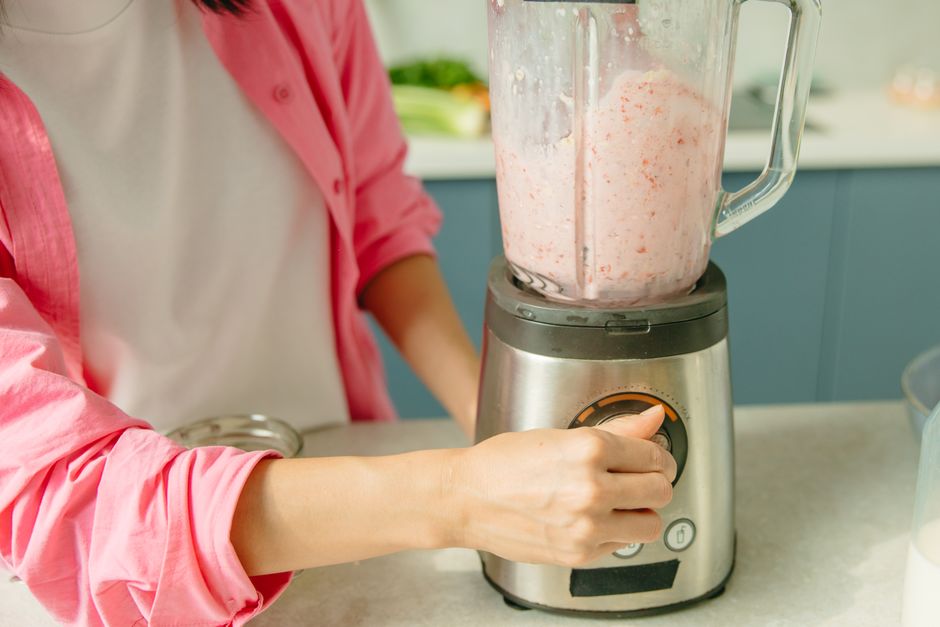
- **Blend in the right order**: Add liquid ingredients first, typically milk or coconut milk. Then add softer items like yogurt and ripe banana. Dense ingredients like oats, frozen avocado, and nut butter go in last, followed by ice if you want a thicker texture.
- **Blend for a full 60 seconds** on high power before scraping down the sides. Rushing this step leaves you with chunks of oats or unincorporated chia seeds that feel gritty on your tongue.
- **Prep ahead on Sundays**: Portion dry oats, frozen fruit, and seeds into individual zip-top bags. Store them in the freezer and grab one bag each morning — just add your liquid and blend.
- **Store smart**: Smoothies keep for 24 to 36 hours in a sealed mason jar in the refrigerator. Give them a vigorous shake before drinking, as ingredients naturally separate over time.
- **Do not freeze and reheat** a finished smoothie — the texture breaks down noticeably. Instead, freeze prep bags and blend fresh each day for the best result.
Flavor Combinations and Variations Worth Trying
One of the biggest advantages of smoothie-based meal planning is the sheer variety available to you. Once you understand the flavor-building blocks, you can invent combinations that keep your routine from getting stale.
Foundation Recipes to Start With
| Flavor Profile | Core Ingredients | Approximate Calories (16 oz) |
|---|---|---|
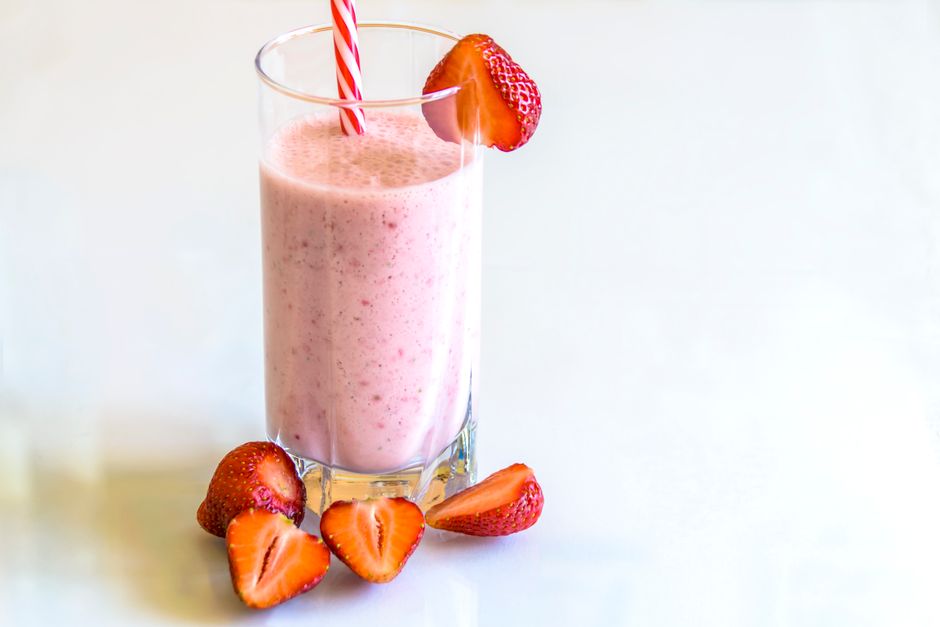
| Strawberry Banana | Banana, frozen strawberries, Greek yogurt, whole milk, honey | 480–520 |
| Tropical Mango | Mango chunks, banana, coconut milk, shredded coconut, Greek yogurt | 500–560 |
| Peanut Butter Chocolate | Banana, cocoa powder, peanut butter, whole milk, rolled oats | 540–600 |
Creative Seasonal Twists
- **Chocolate Avocado**: Replace half the banana with half a ripe avocado. Add 1 to 2 tablespoons of cocoa powder and a drizzle of maple syrup. The result is a silky, dessert-like smoothie with 550 to 620 calories per glass.
- **Cinnamon Almond**: Use almond butter as your nut butter base, add a generous dash of ground cinnamon, include half a banana for sweetness, and blend with oat milk and vanilla extract.
- **Pumpkin Spice Fall Blend**: Combine half a cup of canned pure pumpkin puree, banana, almond butter, oat milk, cinnamon, and a pinch of nutmeg. This seasonal variation delivers roughly 500 calories with immune-supporting vitamin A from the pumpkin.
Customizing your smoothie based on seasonal produce keeps costs down and flavor up. In summer, peaches and blueberries are abundant and inexpensive. In fall and winter, apples, pears, and pumpkin puree offer rich flavor at lower prices.
Nutritional Benefits of High-Calorie Smoothies
Understanding what each macronutrient does in your smoothie helps you build a drink that actually supports your body rather than just filling your stomach.
- **Protein** is the building block of muscle repair and growth. After resistance training, your muscles need amino acids to recover and grow stronger. Greek yogurt, cottage cheese, protein powder, and nut butters are your primary protein sources. Aim for 20 to 40 grams of protein per smoothie serving.
- **Healthy fats** drive hormone production, support brain function, and help your body absorb fat-soluble vitamins A, D, E, and K from the fruits and vegetables you include. Avocados, coconut milk, chia seeds, and nut butters are all exc nt fat sources that add substantial calories without spiking blood sugar.
- **Complex carbohydrates** from oats, banana, and mango provide sustained energy release, keeping your blood sugar stable and preventing the energy crashes associated with refined sugar. These carbs also fuel your workouts, allowing you to train hard enough to actually build new muscle tissue.
- **Vitamins and minerals** from whole-food ingredients support your immune system, bone health, and metabolic function. Spinach adds iron and calcium without altering flavor when blended with sweet fruits. Banana supplies potassium, which helps prevent muscle cramping after intense exercise.
A smoothie that combines all four macronutrient categories in balance gives your body exactly what it needs to add lean mass rather than storing excess calories as body fat.
Smoothie Serving Suggestions for Maximum Impact
Knowing when and how to drink your weight gain smoothie matters as much as what you put in it. Strategic timing amplifies the nutritional benefits.
- **Post-workout timing** is ideal for your most protein-forward smoothie. Your muscles are primed to absorb nutrients within a 45-minute window after training, making this the single most effective time to deliver protein and carbohydrates for recovery.
- **Serving size** for weight gain typically ranges from 16 to 24 fluid ounces. Start at 16 ounces and assess how your body responds. If you are still hungry 90 minutes later, increase to 20 ounces or pair the smoothie with a handful of almonds or a protein bar.
- **Pair with solid food** when using a smoothie as a meal replacement. A 600-calorie smoothie paired with a turkey sandwich or a plate of scrambled eggs creates a balanced 900 to 1,000-calorie meal that keeps you satisfied far longer than the smoothie alone.
- **Drink it chilled** for the best flavor and mouthfeel. If you blend with room-temperature ingredients, add a handful of ice or use chilled coconut milk to achieve a temperature that feels refreshing rather than lukewarm.
Time-Saving and Budget-Friendly Tips
Building calorie-dense smoothies does not have to be expensive or time-consuming. A few strategic habits can dramatically reduce your weekly prep time and grocery bill.
- **Buy frozen fruit in bags** rather than individual packages. Store-brand frozen mango, pineapple, and mixed berries cost roughly half as much per serving as fresh imported fruit and require zero prep time.
- **Purchase oats, chia seeds, and flaxseed in bulk bins** at warehouse clubs or natural grocery stores. These pantry staples are shelf-stable for months and cost significantly less when bought in bulk.
- **Make your own oat milk or almond milk** at home using a blender and a nut milk bag. It takes five minutes, costs about one-third of store-bought alternatives, and lets you control the sweetness and thickness.
- **Batch prep your dry bases** by portioning oats, chia seeds, and a serving of protein powder into individual containers each Sunday. Each morning, you simply add your fruit, pour in liquid, and blend.
- **Use up leftover ingredients** by freezing overripe bananas in their peels. Peel them before freezing for easier blending, and keep a zip bag of peeled frozen bananas ready at all times.
These habits collectively cut your smoothie prep time to under five minutes per serving while keeping your weekly grocery investment reasonable.
Looking for more weight gain meal ideas? Explore our full collection of calorie-dense recipes designed to support healthy, sustainable weight gain.
Frequently Asked Questions (FAQ)
Q: Can I add supplements to my smoothie for extra calories?
A: Yes. Adding a scoop of protein powder, a tablespoon of MCT oil, or a commercial weight gain powder to your smoothie is a straightforward way to increase calorie density without dramatically increasing volume. Protein powder adds 100 to 130 calories per scoop, and MCT oil contributes roughly 115 calories per tablespoon. Start with one supplement at a time so you can identify how each one affects your digestion and tolerance. Whole-food ingredients remain superior to powders for micronutrient diversity, so treat supplements as an addition rather than a replacement for real ingredients.
Q: How often should I drink high-calorie smoothies for healthy weight gain?
A: Most people benefit from one calorie-dense smoothie per day as a meal replacement or post-workout recovery drink. Two smoothies per day may be appropriate if you have a very high activity level or struggle to eat enough whole food throughout the day. Be mindful of total weekly calorie intake relative to your energy expenditure — consuming surplus calories consistently over several weeks is what drives weight gain, but excessive surplus leads to unwanted fat accumulation. Track your weight and body composition every two weeks and adjust portion sizes accordingly.
Q: Are there any side effects from drinking high-calorie smoothies every day?
A: The primary concerns are excess sugar intake and digestive tolerance. Smoothies made primarily with fruit can deliver a substantial sugar load in a single serving, which is why balancing fruit with protein, fat, and fiber from oats or chia seeds is critical. Some people experience bloating or loose stools when dramatically increasing daily fruit and fiber intake — introduce higher-fiber smoothies gradually over a week to allow your gut to adapt. If you have a history of blood sugar management issues, consult your healthcare provider before adopting a daily high-calorie smoothie routine.
Top Product Recommendations
| Product Name | Rating | Key Feature | Est. Price | Action |
|---|---|---|---|---|
| Top-rated peanut butter powder for smoothies | ★★★★★ | Editor-recommended peanut butter powder for smoothies from this guide | $18–$42 | Check Lowest Price on Amazon |
| Best-value coconut milk can for baking | ★★★★☆ | Affordable coconut milk can for baking — strong everyday results | $12–$28 | Check Lowest Price on Amazon |
| Premium rolled oats bulk pack | ★★★★☆ | Higher-end rolled oats bulk pack for visible, lasting results | $45–$95 | Check Lowest Price on Amazon |
Affiliate Disclosure: This post contains affiliate links. We may earn a commission if you buy through our links, at no extra cost to you.
Leave a Reply