Smoothie Basics for Weight Gain
Building a high-calorie smoothie starts with understanding which ingredients pack the most nutritional punch. **Healthy fats** like nut butters, avocado, and coconut oil add substantial calories while supporting hormone production and nutrient absorption. **Protein sources** such as Greek yogurt, protein powder, or silken tofu help build muscle mass rather than just adding empty calories. **Complex carbohydrates** from oats, bananas, and dates provide sustained energy and additional fiber.
The key to a creamy, drinkable texture is proper blending technique. Add liquid ingredients first to prevent the blender from straining, then layer softer fruits, followed by frozen ingredients and powders on top. Blend on low speed initially to incorporate everything, then increase to high for 45-60 seconds until completely smooth. If your smoothie is too thick, add milk or juice in small increments rather than all at once.
A successful weight-gain smoothie should contain 400-800 calories per serving, with a balanced ratio of macronutrients. Aim for roughly 20-30 grams of protein, 15-25 grams of healthy fats, and 50-80 grams of carbohydrates per smoothie to support healthy weight gain without overwhelming your digestive system.
Quick pick: Compare top-rated Weight Gain options.
Breakfast Smoothies
The **peanut butter banana oatmeal smoothie** is a morning powerhouse that delivers around 550 calories. Combine 2 tablespoons natural peanut butter, 1 large banana, ½ cup rolled oats, 1 cup whole milk, 1 tablespoon honey, and a dash of cinnamon. The oats provide slow-release energy throughout the morning, while peanut butter adds protein and healthy fats. Prep time is just 5 minutes, and it yields one generous serving that keeps you full until lunch.
For chocolate lovers, the **chocolate almond breakfast smoothie** offers 620 calories of indulgence. Blend 2 tablespoons almond butter, 2 tablespoons cocoa powder, 1 banana, 1 cup whole milk, 1 scoop chocolate protein powder, and 4-5 ice cubes. The combination of almond butter and protein powder delivers 35 grams of protein to kickstart muscle recovery and growth. This recipe serves one and takes just 3 minutes to prepare.
The **creamy strawberry yogurt smoothie** brings a lighter fruit flavor while maintaining high calories at 480 per serving. Mix 1 cup full-fat Greek yogurt, 1 cup frozen strawberries, ½ cup whole milk, 2 tablespoons honey, and 1 tablespoon ground flaxseed. Greek yogurt provides probiotics for gut health alongside substantial protein, while flaxseed adds omega-3 fatty acids. Common mistake: using low-fat yogurt cuts calories significantly—always choose full-fat versions for weight gain goals.
Post-Workout Smoothies
The **protein-packed berry smoothie** is ideal within 30 minutes after exercise, delivering 580 calories and 40 grams of protein. Combine 1 scoop vanilla protein powder, 1 cup mixed berries, 1 banana, 2 tablespoons almond butter, 1 cup whole milk, and 1 tablespoon chia seeds. Berries provide antioxidants to combat exercise-induced inflammation, while the quick-digesting carbs from banana replenish glycogen stores. Serves one, prep time 4 minutes.
For a tropical twist, the **tropical mango pineapple smoothie** offers 640 calories with immune-boosting vitamin C. Blend 1 cup frozen mango, ½ cup pineapple chunks, 1 banana, ½ cup coconut milk, ½ cup orange juice, 2 tablespoons coconut oil, and 1 scoop vanilla protein powder. Coconut milk and oil provide medium-chain triglycerides that convert quickly to energy. This recipe yields one large smoothie and requires 5 minutes of prep.
The **green tea avocado smoothie** delivers 520 calories with metabolism-supporting compounds from green tea. Steep 1 green tea bag in ½ cup hot water, cool completely, then blend with ½ avocado, 1 banana, 1 cup spinach, 1 cup almond milk, 2 tablespoons honey, and 1 scoop vanilla protein powder. Avocado creates an incredibly creamy texture while adding heart-healthy monounsaturated fats. Never add hot tea directly to the blender—it can crack plastic containers and destroy heat-sensitive nutrients.
Vegan High-Calorie Smoothies
The **nutrient-dense almond milk smoothie** proves plant-based eaters can hit 600 calories easily. Combine 1½ cups almond milk, 3 tablespoons almond butter, 2 bananas, 2 tablespoons maple syrup, ¼ cup oats, 1 tablespoon ground flaxseed, and 1 scoop vegan protein powder. Choose protein powders made from pea, hemp, or brown rice for complete amino acid profiles. This recipe serves one and requires 5 minutes preparation time.
The **coconut milk and spinach smoothie** delivers 680 calories while sneaking in leafy greens. Blend 1 can full-fat coconut milk, 2 cups fresh spinach, 1 mango, 1 banana, 2 tablespoons cashew butter, and 2 Medjool dates. Full-fat coconut milk is essential—light versions slash calories by 60%. Spinach adds iron and calcium without affecting the tropical fruit flavor. Yields one large smoothie, prep time 6 minutes.
The **dates and chia seeds smoothie** brings Middle Eastern sweetness at 590 calories per serving. Soak 5 Medjool dates in warm water for 10 minutes, then blend with 1 cup oat milk, 1 banana, 2 tablespoons tahini, 2 tablespoons chia seeds, ½ teaspoon vanilla extract, and ¼ teaspoon cardamom. Chia seeds expand in liquid, creating a thick, pudding-like consistency. Make ahead and refrigerate for breakfast grab-and-go options that stay fresh for 24 hours.
Nutritional Boosters
**Nut butters, seeds, and nuts** transform basic smoothies into calorie powerhouses without drastically changing flavor profiles. Add 2-3 tablespoons of peanut, almond, or cashew butter for an extra 180-200 calories and 6-8 grams of protein. Raw nuts like walnuts, pecans, or macadamias contribute 160-200 calories per ounce along with minerals like magnesium and zinc. Hemp seeds provide complete protein at 50 calories per tablespoon, while sunflower seeds add vitamin E and selenium.
**Healthy oils** slip into smoothies undetected while significantly boosting calorie content. One tablespoon of coconut oil adds 120 calories and medium-chain triglycerides that may support metabolism. Flaxseed oil contributes omega-3 fatty acids at 120 calories per tablespoon, supporting brain health and reducing inflammation. MCT oil, derived from coconut, provides 130 calories per tablespoon of readily available energy. Start with 1 tablespoon daily and increase gradually to avoid digestive upset.
**Superfoods** like acai, spirulina, and maca powder elevate nutritional density without major calorie additions. Acai powder brings antioxidants and a berry flavor at 70 calories per 2 tablespoons. Spirulina, a blue-green algae, packs complete protein and B vitamins into just 20 calories per tablespoon—its strong taste works best in chocolate or berry smoothies. Maca powder adds 60 calories per 2 tablespoons with an earthy, butterscotch-like flavor that complements nut butters beautifully.
Meal Replacement Smoothies
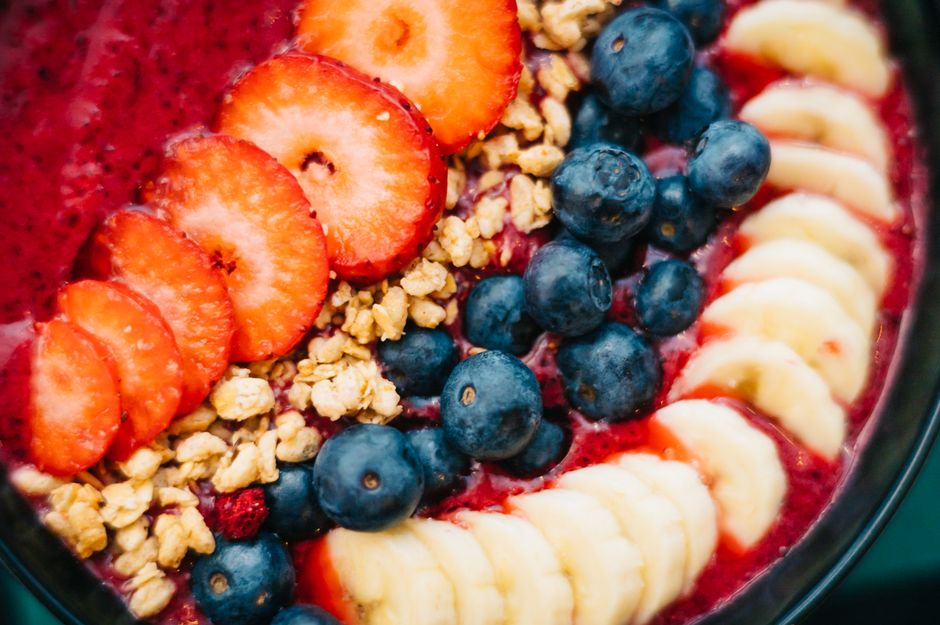
**High-calorie smoothie bowls** turn drinkable nutrition into a sit-down meal experience, typically containing 700-900 calories when topped generously. Base your bowl on a thick smoothie made with frozen fruit, limiting liquid to create a spoonable consistency. Blend 2 frozen bananas, ½ cup frozen berries, ½ avocado, 1 cup milk, and 2 tablespoons nut butter until thick. Pour into a bowl and top with granola, sliced banana, coconut flakes, chia seeds, and a drizzle of honey. The toppings add texture and an additional 200-300 calories.
**Thick, filling smoothie recipes** keep you satisfied for 4-5 hours, functioning as true meal replacements. The “Ultimate Gainer” combines 2 cups whole milk, 2 bananas, 3 tablespoons peanut butter, ½ cup oats, 2 scoops protein powder, and 1 tablespoon honey for 1,100 calories and 60 grams of protein. Freeze one banana beforehand for better texture. This substantial smoothie works best when consumed slowly over 15-20 minutes rather than chugging it quickly, which can cause digestive discomfort.
**Smoothies as part of a balanced meal plan** should complement whole foods rather than replace every meal. Aim for 1-2 smoothies daily alongside regular meals to add 600-1,200 calories without overwhelming your digestive system. Schedule your highest-calorie smoothie post-workout when your body is primed for nutrient absorption and muscle building. Pair lunch and dinner smoothies with whole food sides like toast with avocado or a handful of mixed nuts to practice chewing and maintain jaw strength.
Ingredient Swaps and Customization
Milk alternatives dramatically change both calorie content and flavor profiles in weight-gain smoothies. **Whole dairy milk** provides 150 calories per cup with complete protein, while coconut milk from a can delivers 445 calories per cup with rich, tropical flavor. Oat milk offers 120-140 calories per cup with natural sweetness, and soy milk provides 110 calories with 8 grams of plant protein. For maximum calories, choose full-fat versions over low-fat or skim options.
Protein powder selection matters for both taste and nutrition goals. **Whey protein** absorbs quickly, making it ideal post-workout, while **casein protein** digests slowly for sustained amino acid release overnight. Vegan options include pea protein (earthy flavor, best in chocolate smoothies), hemp protein (nutty taste, works with berry flavors), and brown rice protein (neutral flavor, versatile). Most powders provide 20-25 grams of protein and 100-130 calories per scoop.
Fruit swaps allow seasonal variety while maintaining calorie targets. Replace bananas (105 calories each) with mango (200 calories per cup) for tropical sweetness, or use frozen cherries (90 calories per cup) for a tart, antioxidant-rich option. Dates (66 calories each) substitute for added sugars while contributing fiber and potassium. Avocado (240 calories per fruit) replaces banana for creaminess without the sweetness—perfect for green or chocolate smoothies.
Frequently Asked Questions (FAQ)
What makes a smoothie high-calorie?
A smoothie becomes high-calorie when it combines **calorie-dense ingredients** like nut butters, oils, full-fat dairy, avocados, and oats rather than relying primarily on low-calorie fruits and vegetables. Adding 2-3 tablespoons of peanut butter contributes 180-300 calories, while a full-fat coconut milk base adds 445 calories per cup compared to just 39 calories for the same amount of unsweetened almond milk. Balancing nutrients means including 20-30 grams of protein from yogurt or protein powder, 15-25 grams of healthy fats from nuts or seeds, and 50-80 grams of carbohydrates from fruits and oats to support muscle growth rather than just fat storage.
Can smoothies help with weight gain?
Smoothies effectively support healthy weight gain because they deliver substantial calories in an easily digestible liquid form, making it simpler to consume more calories than you might eat in solid food form. They work particularly well for people with small appetites or those who feel too full after regular meals. Incorporating 1-2 high-calorie smoothies into your daily meal plan adds 600-1,200 extra calories without the effort of preparing multiple additional meals. The key is consistency—drinking a 600-calorie smoothie daily creates a 4,200-calorie weekly surplus that translates to roughly 1 pound of weight gain per week when combined with strength training to build muscle rather than just adding fat.
Are high-calorie smoothies suitable for vegans?
High-calorie smoothies work perfectly for vegan diets when you choose plant-based protein and fat sources. **Vegan-friendly ingredients** that boost calories include nut butters (180-200 calories per 2 tablespoons), full-fat coconut milk (445 calories per cup), avocados (240 calories per fruit), seeds like hemp and chia (50-60 calories per tablespoon), and oats (150 calories per ½ cup). Plant-based protein powders from pea, hemp, soy, or brown rice provide 20-25 grams of protein per scoop, matching dairy-based options. A vegan smoothie with coconut milk, almond butter, banana, oats, dates, and vegan protein powder easily reaches 700+ calories while providing complete nutrition for healthy weight gain.
Top Product Recommendations
| Product Name | Rating | Key Feature | Est. Price | Action |
|---|---|---|---|---|
| Best Weight Gain Pick | ★★★★★ | Top-rated overall | $25–$45 | Check Lowest Price on Amazon |
| Budget Weight Gain Option | ★★★★☆ | Great for beginners | $12–$28 | Check Lowest Price on Amazon |
| Premium Weight Gain Choice | ★★★★☆ | Pro-level results | $50–$90 | Check Lowest Price on Amazon |
Affiliate Disclosure: This post contains affiliate links. We may earn a commission if you buy through our links, at no extra cost to you.
Leave a Reply