How to Meal Prep for Weight Loss
Meal prepping is one of the most effective strategies for **weight-loss** success. Planning and preparing meals in advance helps you control portions, track calories accurately, and avoid impulsive food choices that derail progress. Start by dedicating two to three hours each week to cook and portion your meals into individual containers.
Choose a consistent prep day that fits your schedule, typically Sunday or Wednesday. Stock your kitchen with quality storage containers, a food scale, and basic cooking tools. Focus on simple recipes that reheat well and maintain flavor throughout the week.
Successful meal prep requires a structured approach: plan your weekly menu, create a detailed shopping list, batch cook proteins and grains, and portion everything immediately. This system eliminates daily decision fatigue and keeps you accountable to your calorie goals.
Easy Meal Prep Recipes for Weight Loss
Low-carb breakfast ideas
Egg muffins packed with vegetables deliver protein without excess carbs. Whisk six eggs with spinach, bell peppers, and turkey sausage, then bake in muffin tins at 350°F for 20 minutes. Each muffin contains roughly 80 calories and 7 grams of protein.
Greek yogurt parfaits with berries and a sprinkle of nuts offer quick grab-and-go nutrition. Layer plain Greek yogurt with fresh blueberries and sliced almonds in mason jars. Store up to five days in the refrigerator for convenient weekday breakfasts.
Chia pudding made with unsweetened almond milk provides fiber and omega-3 fatty acids. Mix three tablespoons of chia seeds with one cup of almond milk and refrigerate overnight. Top with fresh strawberries before eating.
Healthy lunch options
Grilled chicken breast over mixed greens creates a satisfying midday meal. Season chicken with paprika, garlic powder, and black pepper, then grill until internal temperature reaches 165°F. Divide four ounces of sliced chicken over containers of romaine, cucumber, and cherry tomatoes.
Turkey and vegetable stir-fry offers lean protein with colorful produce. Sauté ground turkey with broccoli, snap peas, and carrots in a tablespoon of olive oil. Season with ginger, garlic, and low-sodium soy sauce for flavor without added sugar.
Baked salmon with roasted asparagus provides heart-healthy fats and essential nutrients. Bake salmon fillets at 400°F for 12-15 minutes and roast asparagus alongside with a light coating of olive oil. Each serving delivers approximately 300 calories.
Simple dinner recipes
Sheet pan chicken thighs with Brussels sprouts and sweet potato simplifies evening prep. Arrange bone-in chicken thighs with halved Brussels sprouts and cubed sweet potato on a lined baking sheet. Roast at 425°F for 35-40 minutes until chicken reaches safe temperature.
Ground turkey taco bowls eliminate high-calorie tortillas while maintaining flavor. Brown one pound of 93% lean ground turkey with taco seasoning, then divide over cauliflower rice. Top with diced tomatoes, shredded lettuce, and a dollop of Greek yogurt instead of sour cream.
Baked cod with green beans offers a light yet filling dinner option. Season cod fillets with lemon juice, dill, and olive oil, then bake at 375°F for 15 minutes. Steam green beans separately and portion alongside the fish.
Meal Prep Ingredients for Weight Loss
Vegetables
Leafy greens like spinach, kale, and romaine form the foundation of weight-loss meals. These vegetables provide volume and fiber with minimal calories—one cup of raw spinach contains only seven calories. Wash and dry greens thoroughly, then store in containers lined with paper towels to maintain freshness.
Cruciferous vegetables including broccoli, cauliflower, and Brussels sprouts support satiety and digestive health. Roast these vegetables in large batches at 425°F for 20-25 minutes with olive oil and seasonings. They reheat well and add texture to any meal.
Bell peppers, zucchini, and mushrooms contribute nutrients and flavor without carbohydrate overload. Slice vegetables uniformly for even cooking and faster prep work. Store cut vegetables in airtight containers for up to five days.
Protein sources
Chicken breast remains the most versatile and affordable lean protein for meal prep. A four-ounce serving provides 26 grams of protein and only 120 calories. Grill, bake, or poach chicken in bulk, then slice or shred for various recipes throughout the week.
Ground turkey and lean beef offer variety while maintaining low fat content. Choose 93% lean or higher to minimize unnecessary calories. Brown meat with aromatics like onion and garlic, then portion into containers for quick reheating.
Fish including salmon, cod, and tilapia deliver protein and omega-3 fatty acids. Baked fish stays moist for three to four days when stored properly. Season simply with lemon, herbs, and minimal oil to control calorie density.
Healthy fats
Avocado provides monounsaturated fats that support hormone function and nutrient absorption. Add one-quarter of an avocado to meals for approximately 60 calories. Prepare avocado fresh rather than in advance to prevent browning.
Nuts and seeds like almonds, walnuts, and chia seeds offer concentrated nutrition in small portions. Measure carefully—one ounce of almonds contains 160 calories. Pre-portion nuts into small containers to avoid overeating.
Olive oil and coconut oil enhance flavor and support vitamin absorption. Use measuring spoons rather than pouring freely—one tablespoon contains 120 calories. A light drizzle over vegetables before roasting adds richness without excess fat.
Meal Prep Swaps for Weight Loss
Carbohydrate swaps
Cauliflower rice replaces traditional white rice with minimal calorie impact. One cup of cauliflower rice contains only 25 calories compared to 200 calories in white rice. Pulse raw cauliflower in a food processor, then sauté briefly or microwave before portioning.
Zucchini noodles substitute for pasta in Italian-inspired dishes. Spiralize fresh zucchini and sauté for two to three minutes until tender but not mushy. Each cup of zucchini noodles contains approximately 20 calories versus 200 for traditional pasta.
Spaghetti squash offers a naturally stringy texture similar to noodles. Halve the squash, remove seeds, and roast cut-side down at 400°F for 40 minutes. Scrape out strands with a fork and divide into portions.
Healthy ingredient alternatives
Greek yogurt replaces sour cream and mayonnaise in recipes with added protein. Plain Greek yogurt contains roughly 100 calories per half-cup with 15 grams of protein. Use as a base for dressings, dips, and taco toppings.
Applesauce substitutes for oil in baking recipes to reduce fat content. Replace half the oil in muffin or quick bread recipes with unsweetened applesauce. This swap maintains moisture while cutting calories significantly.
Nutritional yeast provides cheesy flavor without dairy or excess calories. Sprinkle over popcorn, pasta alternatives, or roasted vegetables. Two tablespoons contain only 20 calories plus B vitamins.
Portion control tips
Food scales ensure accurate serving sizes and calorie counts. Weigh proteins, grains, and high-calorie foods before portioning into containers. A digital scale with gram measurements provides precision for tracking macros.
Divided containers naturally limit portion sizes and prevent overfilling. Choose containers with separate compartments for protein, vegetables, and carbohydrates. This visual system reinforces balanced meal composition.
Measuring cups and spoons prevent calorie creep from estimation errors. Measure oils, nut butters, and dressings carefully—small amounts add up quickly. Keep measuring tools easily accessible during prep sessions.
Prepping Meals Ahead of Time for Weight Loss
Time-saving techniques
Batch cooking streamlines meal prep by preparing large quantities at once. Cook four to six chicken breasts simultaneously rather than one at a time. Roast multiple sheet pans of vegetables while the oven is hot.
One-pot meals reduce cleanup time and simplify cooking. Prepare chili, soup, or stew in a large pot, then divide into individual servings. These meals often taste better after flavors meld overnight.
Multitasking maximizes efficiency during prep sessions. While proteins bake, chop vegetables and prepare snacks. Cook grains in a rice cooker while focusing on other tasks.
Staying organized
Weekly meal plans eliminate daily decision-making and reduce stress. Write out seven days of breakfast, lunch, and dinner options. Create a master grocery list organized by store section.
Labeled containers prevent confusion and food waste. Mark each container with contents and preparation date using masking tape and permanent marker. Follow first-in, first-out rotation to use older meals first.
Prep schedules maintain consistency and build routine. Block off specific hours for shopping and cooking each week. Treat meal prep as a non-negotiable appointment.
Keeping meals fresh
Proper storage extends the life of prepared foods. Store containers in the refrigerator at 40°F or below. Place items you’ll eat first at the front for easy access.
Freezer-friendly meals expand prep possibilities beyond three to four days. Freeze soups, cooked grains, and certain proteins for up to three months. Thaw overnight in the refrigerator before reheating.
Airtight containers prevent moisture loss and freezer burn. Invest in quality glass or BPA-free plastic containers with secure lids. Remove excess air before sealing to maintain freshness.
Budget-friendly Meal Prep for Weight Loss
Cost-saving tips
Buy whole chickens instead of pre-cut pieces to save money per pound. Roast the whole bird, then use the carcass for homemade broth. This approach maximizes value from a single purchase.
Store brands offer the same quality as name brands at lower prices. Compare ingredient labels to verify nutritional equivalence. Generic Greek yogurt, canned beans, and frozen vegetables deliver significant savings.
Meatless meals reduce grocery costs while maintaining protein intake. Incorporate eggs, beans, lentils, and tofu throughout the week. These plant-based proteins cost considerably less than meat.
Buying in bulk
Wholesale clubs provide savings on staple items like chicken breast, eggs, and frozen vegetables. Split bulk packages with friends or family if storage space is limited. Calculate per-unit pricing to confirm actual savings.
Dry goods including oats, rice, and quinoa store well and cost less in larger quantities. Transfer bulk purchases to airtight containers to maintain freshness. Label containers with purchase dates.
Frozen vegetables retain nutrients and eliminate waste from spoilage. Stock up during sales and store in the freezer for several months. Frozen options often cost less than fresh out-of-season produce.
Seasonal ingredients
In-season produce costs less and tastes better than imported options. Buy berries in summer, squash in fall, and citrus in winter. Adjust recipes based on current availability.
Farmers markets offer fresh local produce at competitive prices. Visit near closing time for potential discounts on remaining inventory. Build relationships with vendors for consistent quality.
Preserve seasonal abundance through freezing or meal prep. Wash and freeze fresh berries on baking sheets before transferring to bags. Blanch vegetables before freezing to maintain color and texture.
Meal Prep Mistakes to Avoid for Weight Loss
Overeating healthy foods
Calorie-dense healthy foods like nuts, avocado, and olive oil still contribute to weight gain in excess. Track portions carefully even when eating nutritious items. Two tablespoons of almond butter contains 200 calories.
Unlimited vegetable consumption sounds safe but can interfere with satiety signals. Eating past fullness, even with low-calorie foods, disrupts natural hunger cues. Stop eating when satisfied, not stuffed.
Healthy meal prep doesn’t justify additional snacking or larger portions. Stick to planned meals and appropriate serving sizes. Use your food scale consistently to prevent portion creep.
Lack of variety
Eating identical meals daily leads to boredom and eventual abandonment. Rotate proteins, vegetables, and seasonings throughout the week. Prepare two to three different proteins each prep session.
Flavor fatigue undermines adherence to meal prep routines. Experiment with different spice blends, marinades, and cooking methods. Try Mexican-inspired seasonings one week and Asian flavors the next.
Textural sameness makes meals less satisfying. Include crunchy vegetables, tender proteins, and varied cooking methods. Mix raw and cooked elements for contrast.
Not accounting for calories
Eyeballing portions leads to calorie estimation errors. Weigh and measure ingredients during prep for accurate tracking. Small miscalculations accumulate over multiple meals.
Forgetting cooking oils and condiments can add hundreds of hidden calories. Track all ingredients including fats used for cooking and sauces for flavoring. A tablespoon of olive oil contains 120 calories.
Neglecting to track beverages undermines calorie deficits. Log coffee additions, smoothies, and any caloric drinks. Water, black coffee, and unsweetened tea remain best choices.
Staying on Track with Meal Prep for Weight Loss
Setting realistic goals
Sustainable weight loss averages one to two pounds per week. Set modest calorie deficits of 500 calories daily rather than aggressive restrictions. Extreme deficits lead to muscle loss and metabolic slowdown.
Short-term goals maintain motivation better than distant targets. Focus on consistent meal prep for one month before evaluating results. Celebrate non-scale victories like improved energy and better sleep.
Flexibility prevents all-or-nothing thinking that derails progress. Allow one to two non-prepped meals weekly for social occasions. Return to your routine immediately without guilt.
Tracking progress
Weekly weigh-ins provide data without daily fluctuation stress. Weigh yourself at the same time under consistent conditions. Track the trend over weeks rather than fixating on daily numbers.
Progress photos reveal changes that scales don’t capture. Take front, side, and back photos monthly in similar clothing and lighting. Compare photos every four weeks.
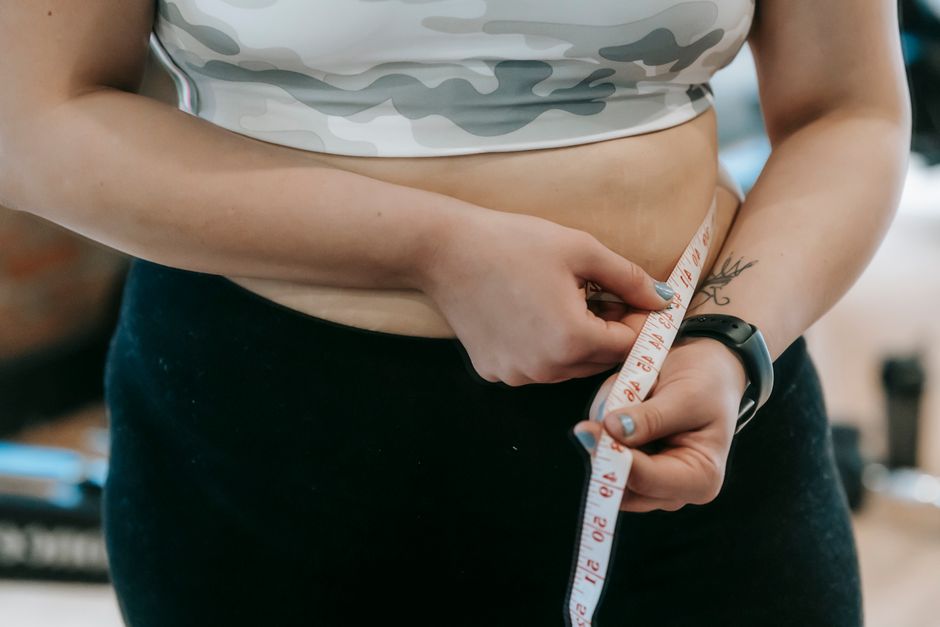
Measurements supplement weight data with additional progress indicators. Measure waist, hips, chest, and thighs monthly. Muscle gain may mask fat loss on the scale.
Adjusting as needed
Plateau periods require strategic changes to restart progress. Recalculate calorie needs after losing 10-15 pounds. Increase protein slightly or adjust carbohydrate timing.
Energy levels indicate whether calorie intake supports activity. Persistent fatigue suggests inadequate fuel. Gradually increase calories if workouts suffer or mood declines.
Hunger patterns signal appropriate meal timing and composition. Adjust meal frequency or macronutrient ratios if constant hunger interferes with adherence. More protein and fiber typically improve satiety.
Frequently Asked Questions (FAQ)
What is the best meal prep container for weight loss?
Glass containers with divided compartments work best for portion control and food safety. Look for containers that are microwave, dishwasher, and freezer safe. Three-compartment designs naturally enforce balanced meals with appropriate protein, vegetable, and carbohydrate portions. Glass won’t retain odors or stains like plastic and doesn’t leach chemicals when heated.
How often should I meal prep for weight loss?
Most people succeed with once or twice weekly prep sessions. Prepare three to four days of meals at a time to maintain freshness and food safety. Some prefer a Sunday prep for the entire week plus a Wednesday refresh for remaining days. Choose a frequency that fits your schedule and food storage capacity while ensuring meals remain appetizing.
Can meal prep help with weight loss if I have dietary restrictions?
Meal prep works exceptionally well with dietary restrictions by giving you complete control over ingredients. Gluten-free, dairy-free, and vegetarian diets all benefit from advance planning. Focus on naturally compliant whole foods like vegetables, lean proteins, and approved grains. Read labels carefully when using packaged ingredients and prepare sauces and dressings from scratch to avoid hidden allergens.
Explore more weight-loss guides on our site.
Top Product Recommendations
| Product Name | Rating | Key Feature | Est. Price | Action |
|---|---|---|---|---|
| Best Weight Loss Pick | ★★★★★ | Top-rated overall | $25–$45 | Check Lowest Price on Amazon |
| Budget Weight Loss Option | ★★★★☆ | Great for beginners | $12–$28 | Check Lowest Price on Amazon |
| Premium Weight Loss Choice | ★★★★☆ | Pro-level results | $50–$90 | Check Lowest Price on Amazon |
Affiliate Disclosure: This post contains affiliate links. We may earn a commission if you buy through our links, at no extra cost to you. Medical Disclaimer: This content is for informational purposes only and is not medical advice. Consult a healthcare professional before changing diet or exercise.
Leave a Reply