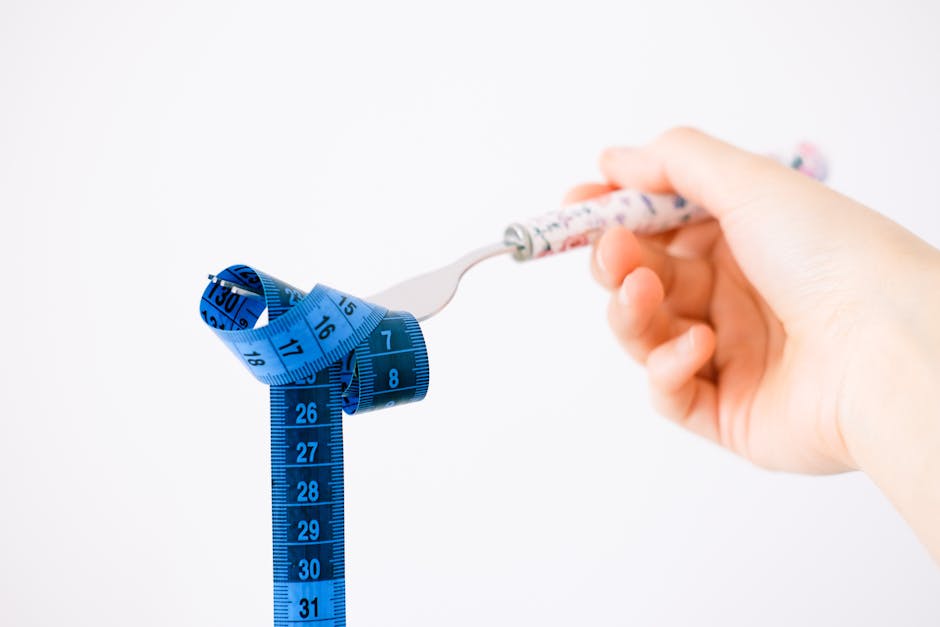
Meal Prep Essentials for Weight Loss
Meal prepping transforms your weight loss journey from daily stress into organized success. **Time-saving techniques** like batch cooking proteins and chopping vegetables in advance can reduce daily kitchen time to under 10 minutes. Start by dedicating 2-3 hours on Sunday afternoons to prepare your entire week’s foundation.
Budget-friendly ingredients form the backbone of sustainable meal prep. **Dried beans, lentils, and chickpeas** cost significantly less than pre-cooked alternatives while providing exceptional protein content. Frozen vegetables retain their nutritional value and eliminate waste from spoilage that often derails weight loss budgets.
High-protein options keep you satisfied longer and support muscle maintenance during weight loss. **Chicken thighs, ground turkey, and canned salmon** offer versatile protein sources that reheat well throughout the week. Greek yogurt and cottage cheese provide quick protein additions to any meal without extensive preparation time.
7-Day Meal Prep Plan for Weight Loss
Breakfast ideas for busy mornings should fuel your metabolism without requiring morning preparation. **Overnight oats with protein powder** can be prepared in mason jars for grab-and-go convenience. Egg muffins baked with vegetables provide portable protein that reheats perfectly in office microwaves.
Lunch and dinner recipes under 400 calories focus on volume and satisfaction rather than restriction. **Sheet pan meals** combining lean protein with roasted vegetables create complete meals in single containers. Cauliflower rice bowls topped with seasoned ground turkey and steamed broccoli deliver filling nutrition without exceeding calorie targets.
Snack options prevent afternoon energy crashes that lead to poor food choices. **Pre-portioned nuts, cut vegetables with hummus, and hard-boiled eggs** provide convenient options that support rather than sabotage your weight loss efforts. Prepare snack containers during your weekly prep session to eliminate decision fatigue during busy weekdays.
Meal Prep Mistakes to Avoid
Food waste undermines both your budget and motivation when ingredients spoil before use. **Plan meals around ingredient overlap** to ensure everything gets consumed within the week. Purchase versatile vegetables like bell peppers and zucchini that work in multiple recipe applications rather than single-use specialty items.
Boring meal plans lead to abandoning healthy eating habits in favor of convenient processed foods. **Rotate three different seasoning profiles** each week to transform identical base ingredients into varied flavor experiences. Mediterranean herbs, Mexican spices, and Asian-inspired seasonings can make chicken and vegetables taste completely different across multiple meals.
Overcooking or undercooking ingredients during batch preparation creates unappetizing meals that discourage adherence. **Use meat thermometers for proteins** and set timers for vegetables to ensure optimal texture and safety. Slightly undercook vegetables during prep since they’ll continue cooking when reheated throughout the week.
Female-Specific Meal Prep Tips
Balancing hormones through nutrition requires attention to micronutrients often overlooked in generic meal plans. **Iron-rich foods like spinach, lean beef, and pumpkin seeds** support energy levels that fluctuate during menstrual cycles. Include healthy fats from avocados and olive oil to support hormone production and absorption of fat-soluble vitamins.
Supporting female metabolism involves understanding how women’s bodies process and store nutrients differently than men’s. **Protein needs may be higher during certain cycle phases** to support muscle maintenance and satiety. Plan for 25-30 grams of protein per meal rather than the standard 20 grams often recommended in generic plans.
Adjusting portion sizes for female calorie needs prevents the common mistake of following male-oriented meal plans. **Most active women require 1,400-1,800 calories daily** for sustainable weight loss, significantly different from male requirements. Scale recipes appropriately and listen to hunger cues rather than forcing predetermined portion sizes.
Budget-Friendly Meal Prep for Weight Loss
Finding affordable high-protein ingredients requires strategic shopping and flexible meal planning. **Rotisserie chickens provide multiple meals** at lower per-pound costs than individual chicken breasts. Canned tuna and salmon offer convenient protein sources that store well and require minimal preparation time.
Seasonal produce reduces costs while providing peak nutritional value and flavor. **Summer squashes, winter root vegetables, and spring greens** align with natural growing cycles and local availability. Build meal plans around seasonal sales rather than forcing expensive out-of-season ingredients into your budget.
| Budget Protein Source | Cost per Serving | Prep Time | Storage Life |
|---|---|---|---|
| Dried Beans | $0.25 | 2 hours | 5 days |
| Canned Tuna | $0.75 | 2 minutes | 3 days |
| Ground Turkey | $1.25 | 15 minutes | 4 days |
| Rotisserie Chicken | $1.50 | 5 minutes | 3 days |
Meal prep containers and tools represent one-time investments that pay dividends over months of consistent use. **Glass containers with tight-fitting lids** prevent odor absorption and maintain food quality better than plastic alternatives. A sharp chef’s knife and cutting board streamline preparation time more effectively than multiple specialized gadgets.
High-Protein Meal Prep Recipes for Weight Loss
Breakfast options that keep you full all morning combine protein with complex carbohydrates and healthy fats. **Protein pancakes made with Greek yogurt and oats** can be batch-cooked and frozen for quick weekday reheating. Chia seed puddings prepared with protein powder provide convenient grab-and-go options that expand in your stomach for lasting satiety.
Lunch and dinner ideas balance taste with nutritional density to prevent meal fatigue. **Turkey and vegetable meatballs** prepared in large batches freeze well and pair with various sides throughout the month. Slow cooker pulled chicken seasoned differently each week provides versatile protein for salads, wraps, and grain bowls.
Snacks that support weight loss goals focus on protein and fiber combinations that stabilize blood sugar. **Cottage cheese with berries, apple slices with almond butter, and homemade protein balls** provide satisfying options that prevent afternoon energy crashes. Pre-portion these snacks during weekend prep to eliminate guesswork during busy weekdays.
Meal Prep Time-Saving Techniques
Batch cooking and freezing extends your preparation efforts across multiple weeks rather than requiring weekly repetition. **Cook large quantities of proteins and grains** that freeze well, then combine with fresh vegetables prepared weekly. This approach reduces overall time investment while maintaining meal variety and freshness.
Prepping ingredients in advance accelerates daily meal assembly without requiring complete cooking. **Wash and chop vegetables, marinate proteins, and pre-cook grains** during weekend sessions. Store prepared ingredients in clear containers with labels indicating preparation dates and intended uses.
Using slow cookers or Instant Pots enables hands-off meal preparation while you complete other weekend tasks. **Set proteins to cook while cleaning or running errands**, then return to perfectly cooked ingredients ready for portioning. These appliances also excel at preparing large batches of soups and stews that freeze exceptionally well.
Frequently Asked Questions
Q: How long do meal prepped foods stay fresh in the refrigerator?
A: Most meal prepped foods maintain quality for 3-4 days when stored properly in airtight containers. Cooked proteins and vegetables typically last longest, while leafy greens may need refreshing after 2-3 days.
Q: Can I freeze meal prepped portions for longer storage?
A: Yes, most cooked proteins, grains, and soups freeze well for up to 3 months. Avoid freezing meals containing mayonnaise-based dressings or high-water vegetables like cucumbers that become mushy when thawed.
Q: What’s the best way to reheat meal prepped foods safely?
A: Reheat foods to 165°F internal temperature using microwave, stovetop, or oven methods. Add a splash of water or broth to prevent drying out, and stir halfway through microwave reheating for even temperature distribution.
Top Product Recommendations
| Product Name | Rating | Key Feature | Est. Price | Action |
|---|---|---|---|---|
| Top-rated glass meal prep containers | ★★★★★ | Editor-recommended glass meal prep containers from this guide | $18–$42 | Check Lowest Price on Amazon |
| Best-value digital meat thermometer | ★★★★☆ | Affordable digital meat thermometer — strong everyday results | $12–$28 | Check Lowest Price on Amazon |
| Premium slow cooker | ★★★★☆ | Higher-end slow cooker for visible, lasting results | $45–$95 | Check Lowest Price on Amazon |
Affiliate Disclosure: This post contains affiliate links. We may earn a commission if you buy through our links, at no extra cost to you. Medical Disclaimer: This content is for informational purposes only and is not medical advice. Consult a healthcare professional before changing diet or exercise.
Leave a Reply