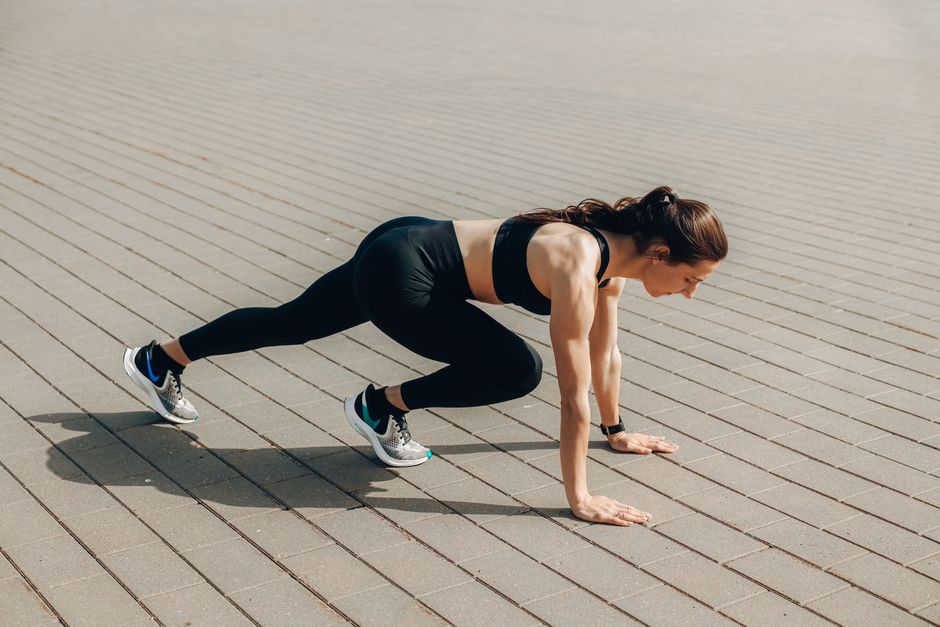
If you have been doing crunches every morning and wondering why your stomach is not getting flatter, you are not alone. Most people chasing belly fat loss focus entirely on exercise while ignoring the nutrition layer that actually moves the needle. This guide covers the workouts that burn visceral fat fastest, the pre- and post-workout meals that fuel your sessions without sabotaging your deficit, and budget-friendly recipes you can meal prep on a Sunday. By the time you finish reading, you will know exactly what to eat, when to eat it, and which workouts to pair with your meals for compounding results.
Why Belly Fat Is Different — And What Actually Targets It

Not all body fat behaves the same way. The fat sitting deep in your abdominal cavity — called **visceral fat** — is metabolically active and responds to stress hormones like cortisol in ways that fat on your hips or thighs simply does not. Subcutaneous fat, the pinchable layer just under your skin, is more cosmetic. Visceral fat, on the other hand, wraps around your organs, drives inflammation, and is closely tied to insulin resistance.
The bad news: you cannot spot-reduce belly fat with endless ab exercises. The core contraction you feel during a plank or bicycle crunch does not preferentially burn the fat draped over your six-pack. **Fat loss happens systemically** when you maintain a consistent caloric deficit and train the entire body. The good news: visceral fat is actually more metabolically responsive to exercise and dietary changes than stubborn subcutaneous fat, which means a well-designed program can produce visible results faster than you might expect.
Hormonal stress plays an outsized role here. When cortisol stays elevated from poor sleep, chronic anxiety, or excessive training volume without adequate recovery, your body becomes more efficient at storing fat in the midsection. That is why the nutrition and lifestyle sections of this guide are just as critical as the workout programming itself. You cannot out-train a consistently poor diet or a dysregulated sleep schedule.
Editor’s pick: HIIT jump rope for cardio — see current prices and reviews.
The Best Cardio Workouts to Torch Belly Fat at Home
High-Intensity Interval Training — known as **HIIT** — is the most efficient cardio format for shrinking visceral fat. Short bursts of max-effort work followed by brief rest periods create an oxygen debt that keeps your body burning calories for hours after the session ends. Research consistently shows that HIIT reduces abdominal fat more effectively than traditional steady-state cardio performed for the same amount of time.
You do not need a gym or expensive equipment. Try this no-gear circuit at home:
- **Warm-up:** 2 minutes of jumping jacks
- **Round 1:** Burpees (30 seconds), rest (15 seconds), mountain climbers (30 seconds), rest (15 seconds). Repeat 3 times.
- **Round 2:** High knees (30 seconds), rest (15 seconds), squat jumps (30 seconds), rest (15 seconds). Repeat 3 times.
- **Cool-down:** 2 minutes of slow walking and static stretching
This session takes about **20 minutes total** and burns more calories than a 45-minute jog. Aim for **3–4 HIIT sessions per week**, with at least one day of active recovery in between. If you are a beginner, start with 20-second work intervals and gradually build to 30–45 seconds as your conditioning improves.
Jump rope is another outstanding option. A 15-minute jumping rope session can burn **150–200 calories** for a 155-pound person, and the constant core engagement means your midsection is working throughout. A basic speed rope costs under $15 on Amazon and delivers cardio results that rival far more expensive equipment.
Strength Training: The Secret Weapon for Lasting Belly Fat Loss

Cardio burns calories in the moment, but strength training changes your metabolism for the long haul. Each pound of muscle you gain raises your **resting metabolic rate** — meaning your body burns more calories while you sleep, work, and watch television. This makes strength training the single most powerful tool for creating a sustained caloric deficit without having to eat dangerously low amounts of food.
Compound movements should anchor every strength session because they recruit the most muscle mass and deliver the highest caloric cost per set:
- **Squats** — quads, glutes, and core stabilization
- **Lunges** — unilateral leg strength and balance
- **Push-ups** — chest, shoulders, triceps, and deep core
- **Deadlifts** — posterior chain, lower back, and grip strength
- **Plank variations** — transverse abdominis and full core endurance
A simple full-body routine targeting belly fat might look like this:
| Day | Exercise | Sets | Reps | Rest |
|---|---|---|---|---|
| A | Goblet Squat | 3 | 12 | 60 sec |
| A | Push-Up | 3 | 10–12 | 60 sec |
| A | Bulgarian Split Squat | 3 | 10/leg | 60 sec |
| A | Plank | 3 | 30 sec | 45 sec |
| B | Romanian Deadlift | 3 | 12 | 60 sec |
| B | Inverted Row | 3 | 10–12 | 60 sec |
| B | Walking Lunge | 3 | 12/leg | 60 sec |
| B | Bicycle Crunch | 3 | 20 total | 45 sec |
Train **2–3 days per week** on non-consecutive days. Progressive overload — adding a rep, adding weight, or tightening your rest window — is what drives continued fat loss week after week. Without it, your body adapts and your results plateau.
Pre-Workout Nutrition: What to Eat Before Your Belly Fat Workout
What you put in your body before training directly affects how hard you can push and how efficiently you burn fat during the session. Eating the right fuel **60–90 minutes before** your workout gives you sustained energy, better performance, and improved fat oxidation. Skipping pre-workout nutrition leaves you training on empty, which limits intensity and recovery quality.
The ideal pre-workout snack for belly fat loss combines three elements: **lean protein, complex carbohydrates, and a small amount of fiber**. Protein supports muscle preservation during the fasted or fed state. Carbs top up glycogen stores for explosive work. Fiber slows digestion so you do not crash mid-session.
**Greek Yogurt Parfait** — Serves 1 — Prep time: 5 minutes
- 1 cup plain Greek yogurt (high protein, low sugar)
- ½ cup fresh or frozen mixed berries (antioxidants, natural sweetness)
- ¼ cup low-sugar granola (complex carbs, crunch)
- Optional: a drizzle of honey or a sprinkle of chia seeds
Layer the yogurt and berries in a glass or bowl, top with granola, and eat about **60–90 minutes before training**. This combination delivers roughly **30 grams of protein and 35 grams of carbohydrates** without excessive sugar. If you need something lighter, a **hard-boiled egg with a small apple** works equally well.
**What to skip:** sugary energy drinks, processed granola bars loaded with corn syrup, and high-fat fried foods. The sugar spike and crash will undermine your workout intensity, and high-fat foods slow digestion in a way that causes cramping during HIIT or strength training.
Post-Workout Nutrition: Refuel to Recover and Keep Burning Fat
The 30–60 minutes after your workout is a critical window for muscle repair and glycogen replenishment. Your muscles are primed to absorb nutrients like a dry sponge absorbs water — this is called the **anabolic window**, and leveraging it correctly accelerates recovery so you can train harder in your next session.
After a belly-fat-focused workout, your body needs **protein to repair muscle tissue** and **carbohydrates to restore depleted glycogen**. Without post-workout nutrition, you risk muscle catabolism, poor recovery, and eventually a lower resting metabolic rate — the opposite of what you want.
**Scrambled Eggs with Spinach and Whole-Wheat Toast** — Serves 1 — Prep time: 10 minutes
- 3 large eggs (or 2 eggs + 2 egg whites to reduce fat further)
- 1 cup fresh baby spinach (iron, fiber, micronutrients)
- 1 slice 100% whole-wheat bread, toasted
- Salt, pepper, and a pinch of red pepper flakes
- Cooking spray or 1 tsp olive oil
Whisk the eggs in a bowl with a splash of water or milk, season with salt and pepper, and scramble over medium-low heat. Wilt the spinach in the same pan with a touch of oil. Serve alongside the toasted whole-wheat bread. This meal delivers **25–30 grams of protein and 20–25 grams of carbs** for under 400 calories. You can swap the eggs for **canned salmon or tuna** if you want to diversify your protein sources on a budget.
For a plant-based alternative, blend a **post-workout smoothie** with 1 frozen banana, 1 scoop plant-based protein powder, 1 tablespoon almond butter, and 8 oz unsweetened almond milk.
Belly Fat-Fighting Drinks to Pair With Your Workout Routine
Beverages are an overlooked lever in belly fat loss. Sugary drinks and alcohol are among the most calorie-dense and metabolically harmful items in the typical American diet. Swapping them for targeted drinks that support hydration and metabolism can make a measurable difference in your results over weeks.
**Green Tea** is one of the most evidence-backed drinks for fat oxidation. The catechins — particularly **EGCG** — have been shown to modestly increase metabolic rate and enhance fat burning during moderate exercise. Drinking 2–3 cups daily is a simple, zero-calorie habit that stacks with your training. You can drink it hot or cold, unsweetened or with a small splash of lemon.
**DIY Metabolism-Boosting Smoothie** — Serves 1 — Prep time: 5 minutes
- 1 cup fresh spinach (iron and fiber)
- ½ frozen banana (creaminess and natural sugars)
- 1 scoop vanilla protein powder (whey or plant-based)
- 1 cup unsweetened almond milk
- ½ cup frozen mango or pineapple chunks
- Blend until smooth. Add ice if desired.
This smoothie provides **20–25 grams of protein, fiber, and natural electrolytes** to support your training day. The mango adds vitamin C and a tropical flavor that makes it feel like a treat rather than health food.
**Apple Cider Vinegar Drink** — Serves 1 — Prep time: 2 minutes
- 1 tablespoon raw apple cider vinegar (with “the mother”)
- 8 oz water
- Juice of ½ lemon
- Optional: ½ tsp raw honey or stevia to taste
Drink this **before your two largest meals of the day**. The acetic acid in ACV has modest evidence for improving insulin sensitivity and promoting feelings of fullness, which can help naturally reduce caloric intake without willpower alone.
Meal Timing and Portion Control for Belly Fat Results
Calories matter most for fat loss, but **meal timing around your workouts** can influence energy levels, performance, and body composition. Front-loading your calories earlier in the day — eating larger meals at breakfast and lunch and tapering toward dinner — aligns better with your natural circadian rhythm and insulin sensitivity.
A simple hand-based portion guide keeps serving sizes visual and portable:
| Hand Measure | Food Type | Approximate Amount |
|---|---|---|
| Palm | Lean protein | 3–4 oz cooked |
| Fist | Non-starchy vegetables | 1–2 cups |
| Cupped hand | Complex carbs | ½–1 cup cooked |
| Thumb | Healthy fats | 1–2 tbsp |
Build every main meal around a **palm-sized portion of protein**, a **fist-sized portion of vegetables**, and a **cupped-hand portion of smart carbs**. This framework eliminates the need for food scales or calorie counting while keeping portions in a fat-loss range.
Common mistakes that stall belly fat loss include late-night snacking on processed foods, oversized restaurant portions that provide two or three servings in a single dish, and washing meals down with sugary beverages or excessive alcohol. Fixing just these three habits can create a 300–500 calorie daily deficit for most people without changing anything else.
Budget-Friendly Meal Prep for a Belly Fat-Focused Week
Meal prepping once a week is the single highest-leverage habit for anyone serious about belly fat nutrition. When healthy food is ready to grab, you are far less likely to order takeout or grab a processed snack at 9 p.m. A **$75–100 weekly grocery budget** can cover a full week of belly-fat-focused meals for one person if you shop strategically.
**Affordable protein sources to prioritize:**
- **Eggs** — about $3–4 per dozen, versatile for breakfast, lunch, or dinner
- **Chicken thighs** — cheaper than breasts, more flavorful, and harder to overcook
- **Canned tuna or salmon** — shelf-stable protein with omega-3s, under $2 per can
- **Greek yogurt** — high protein, works as a snack or breakfast base
- **Frozen shrimp** — affordable, fast-cooking, lean protein
- **Dry beans and lentils** — dirt cheap, high fiber, exc nt for plant-based meal builders
**Sunday Meal Prep Session (2–3 hours):**
1. Bake or grill **4–5 chicken thighs** seasoned with olive oil, garlic, paprika, and salt. Portion into 4 containers.
2. Cook **2 cups of dry quinoa or brown rice** in bulk. Stores well in the fridge for 5 days.
3. Roast **2–3 pounds of mixed vegetables** — broccoli, Brussels sprouts, carrots, and bell peppers — at 425°F for 25–30 minutes.
4. Hard-boil **6–8 eggs** for grab-and-go protein snacks.
5. Wash and portion **4–5 cups of spinach** and **2–3 bags of mixed greens**.
Repurpose these components throughout the week: chicken + quinoa + roasted vegetables on Monday, scrambled eggs + spinach + toast on Tuesday, tuna salad over greens on Wednesday. The variety comes from sauces, seasonings, and simple add-ins rather than cooking separate meals from scratch each day.
Lifestyle Habits That Accelerate Belly Fat Loss Beyond the Gym
Even the most disciplined workout and nutrition program can be undermined by poor sleep and unmanaged stress. **Cortisol and visceral fat are directly linked.** When you sleep fewer than 7 hours per night, cortisol levels rise, appetite-regulating hormones like leptin and ghrelin become dysregulated, and your body shifts toward fat storage rather than fat mobilization.
Aim for **7–9 hours of quality sleep** as a non-negotiable part of your belly fat loss protocol. A consistent bedtime, a cool dark room, and limiting screens 30–60 minutes before sleep all contribute to deeper, more restorative rest.
Stress management does not have to be elaborate. A **20-minute morning walk**, five minutes of box breathing (inhale 4 seconds, hold 4, exhale 4, hold 4), or five minutes of journaling before bed can meaningfully lower baseline cortisol over weeks. The goal is building habits that interrupt the chronic stress cycle rather than waiting until stress becomes overwhelming.
**Alcohol** deserves a special callout because it is uniquely damaging to belly fat goals. It provides **7 calories per gram with zero nutritional value**, disrupts sleep architecture, raises cortisol, and impairs fat oxidation for up to 24 hours after consumption. A single craft beer or margarita can represent 150–250 hidden calories that do nothing for your training performance. Reducing alcohol to 1–2 occasions per week — and choosing clear spirits mixed with soda water and lime over sugary cocktails — is one of the fastest ways to accelerate belly fat loss.
Frequently Asked Questions (FAQ)
Can you actually spot reduce belly fat with specific exercises?
No — spot reduction is a persistent myth. Fat loss happens systemically across the body. Targeted ab exercises like planks, crunches, and bicycle crunches strengthen and define the underlying muscles, but they do not preferentially burn the fat layer covering those muscles. The only way to reduce belly fat specifically is through a sustained caloric deficit combined with full-body training and cardiovascular exercise.
How long does it take to lose belly fat with exercise?
Most people notice initial changes in **4–6 weeks** with consistent training and nutrition. Visually significant results typically appear around **8–12 weeks**. Individual timelines vary based on diet quality, sleep consistency, training intensity, age, hormone levels, and starting body composition. The most important variable is adherence — someone who trains moderately and eats consistently will always outperform someone who goes all-out for two weeks and then quits.
What is the best workout for losing belly fat fast?
**HIIT combined with full-body strength training** produces the fastest results for most people. HIIT burns a high number of calories in a short window and creates an afterburn effect called excess post-exercise oxygen consumption (EPOC). Strength training preserves and builds metabolically active muscle tissue that raises your resting metabolic rate long-term. Alternating between **2–3 cardio sessions and 2–3 strength sessions per week** — with adequate rest days — is the most evidence-based combination for accelerated belly fat loss.
Do I need expensive equipment or a gym membership to lose belly fat?
No. Bodyweight HIIT, jumping rope, resistance bands, and walking intervals all produce exc nt results from home with **zero or minimal equipment investment**. The most important investments are consistency, a solid nutrition plan built around whole foods, and adequate sleep. A $15 jump rope and a set of $20 resistance bands can replace an expensive gym membership entirely while delivering comparable — or in some cases superior — cardio and strength benefits for fat loss.
Top Product Recommendations
| Product Name | Rating | Key Feature | Est. Price | Action |
|---|---|---|---|---|
| Top-rated HIIT jump rope for cardio | ★★★★★ | Editor-recommended HIIT jump rope for cardio from this guide | $18–$42 | Check Lowest Price on Amazon |
| Best-value resistance bands set for strength training | ★★★★☆ | Affordable resistance bands set for strength training — strong everyday results | $12–$28 | Check Lowest Price on Amazon |
| Premium Greek yogurt high protein | ★★★★☆ | Higher-end Greek yogurt high protein for visible, lasting results | $45–$95 | Check Lowest Price on Amazon |
Affiliate Disclosure: This post contains affiliate links. We may earn a commission if you buy through our links, at no extra cost to you. Medical Disclaimer: This content is for informational purposes only and is not medical advice. Consult a healthcare professional before changing diet or exercise.
Leave a Reply