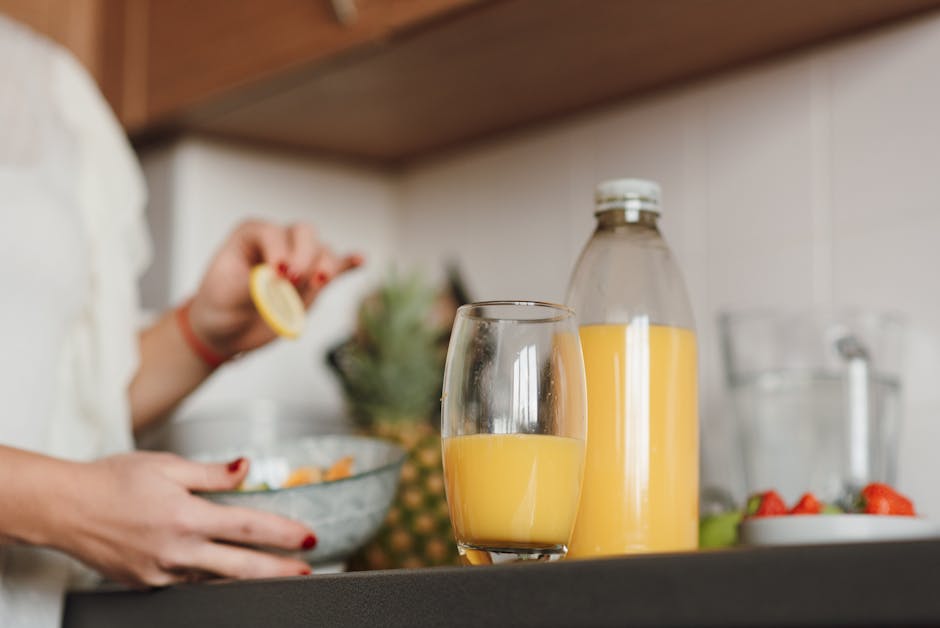
What Is Detox and Why Does It Matter?
Detox is a word that gets thrown around a lot in health circles, but what does it actually mean for your everyday nutrition? Put simply, detox refers to supporting your body’s natural ability to process and eliminate waste through the foods you eat. Every single day, your liver, kidneys, and digestive system work to filter out the things your body does not need. A detox-focused approach to eating is about giving those systems high-quality fuel to do their job efficiently.
When you fill your plate with whole, unprocessed foods, you provide the vitamins, minerals, and fiber your body uses to run its internal cleansing processes. Leafy greens, citrus fruits, cruciferous vegetables, and antioxidant-rich berries all play a specific role in supporting liver function and promoting healthy digestion. The goal is not to starve yourself or chase the latest juice cleanse trend. Instead, think of detox eating as a practical, sustainable way to load up on the nutrients that actually move the needle for your health.
**The core benefits of a detox-friendly eating pattern include:**
- Improved digestion and regular bowel movements
- Reduced inflammation throughout the body
- Higher energy levels from nutrient-dense foods
- Better blood sugar balance between meals
- Stronger immune function during seasonal transitions
Understanding the “why” behind detox eating makes it much easier to stay motivated in the kitchen. You are not just throwing random vegetables together — every ingredient has a purpose.
Key Ingredients That Support Your Body’s Natural Detox Process
Building a solid detox meal starts with knowing which ingredients actually do the work. Certain foods contain compounds that specifically support liver enzymes, add bulk to your stool, and fight oxidative stress. These are the workhorses of any detox kitchen.
The Foundation: Leafy Greens and Cruciferous Vegetables
Kale, spinach, arugula, and Swiss chard form the base of almost every detox-friendly meal. These greens are rich in chlorophyll, which helps bind to heavy metals and environmental toxins in your gut. Cruciferous vegetables like broccoli, cauliflower, and Brussels sprouts contain glucosinolates — compounds that activate liver detoxification enzymes.
Flavor Builders: Alliums and Aromatics
Garlic, onions, leeks, and shallots are more than just flavor boosters. They contain sulfur compounds that support the liver’s glutathione production, one of the body’s most powerful natural antioxidants. Adding aromatics to your cooking is one of the simplest swaps you can make for a more detox-friendly plate.
Anti-Inflammatory Additions: Turmeric and Ginger
Turmeric contains curcumin, which has been widely studied for its anti-inflammatory properties. Ginger supports digestive motility and helps reduce nausea. Together, these two roots add warmth and depth to soups, grain bowls, and stir-fries while doing double duty for your system.
Fruits for Antioxidant Power
Berries — especially blueberries, blackberries, and raspberries — are packed with anthocyanins that fight free radical damage. Citrus fruits like lemons, grapefruits, and oranges provide vitamin C, which is essential for the liver’s detoxification pathways.
Choosing Seasonal Produce to Maximize Nutrition and Value
Buying produce in season is one of the smartest budget moves you can make. Fruits and vegetables that are harvested at peak ripeness contain higher concentrations of vitamins and minerals compared to produce that is picked early and ripened in transit.
Spring and Summer Detox Picks
During the warmer months, stock up on tender greens like spinach and arugula, asparagus, zucchini, and fresh herbs like cilantro and parsley. Berries are at their peak in summer, offering maximum antioxidant punch at lower prices at farmer’s markets.
Fall and Winter Alternatives
When temperatures drop, shift toward hearty cruciferous vegetables like kale, Brussels sprouts, and cabbage. Root vegetables such as sweet potatoes, carrots, and beets are filling, inexpensive, and hold up well in storage. Citrus fruits come into season in winter, giving you a fresh supply of vitamin C when cold and flu season hits.
Budget-Friendly Strategies for Buying Organic and Healthy Ingredients
Eating well does not have to drain your bank account. With a few strategic habits, you can build detox meals that are both nutritious and affordable.
**Smart shopping tips that actually work:**
- Buy frozen fruits and vegetables when fresh options are out of season — they are flash-frozen at peak freshness and retain nearly all their nutrients
- Choose store brands and bulk sections for pantry staples like quinoa, brown rice, and lentils
- Prioritize organic versions of the “Dirty Dozen” — the twelve fruits and vegetables with the highest pesticide residues — and buy conventional versions of the “Clean Fifteen” instead
- Shop at farmer’s markets toward the end of the day when vendors discount unsold produce
Frozen spinach, blueberries, and cauliflower are all exc nt budget staples that you can use in multiple recipes throughout the week. Stocking your pantry with versatile ingredients reduces waste and makes healthy cooking more convenient on busy nights.
Preparing Your Detox Meal: Simple Steps for Home Cooks
Now that you have your ingredients, it is time to get organized. Meal prep is what separates people who eat well consistently from those who default to takeout by Wednesday. The good news is that you do not need to spend your entire Sunday in the kitchen.
Step 1: Wash and Prep Your Greens
The first thing to do when you get home from the grocery store is wash and dry your greens thoroughly. Wet leaves spoil faster, so use a salad spinner or pat them dry with clean kitchen towels. Once dry, store them in a sealed container lined with a paper towel to absorb excess moisture.
Step 2: Batch Cook Your Grains and Legumes
Cook a large batch of quinoa, brown rice, or farro at the start of the week. These grains keep well in the refrigerator for up to five days and reheat in under two minutes. Simultaneously, cook a pot of lentils or chickpeas — both are exc nt sources of plant-based protein and fiber.
Step 3: Roast Your Vegetables
Spread chopped cruciferous vegetables and root vegetables on a sheet pan, drizzle with olive oil, and roast at 425°F for 20 to 25 minutes. Roasting brings out the natural sweetness in vegetables and creates a satisfying texture that holds up in grain bowls.
Step 4: Prep Your Aromatics and Sauces
Dice your onions, mince your garlic, and grate your ginger and turmeric root ahead of time. Making a simple lemon-tahini dressing or a ginger-soy sauce base in advance saves precious minutes on weeknights when you are short on time.
Smart Ingredient Swaps to Boost Nutritional Value Without Losing Flavor
You do not need to overhaul your entire cooking style to eat more detox-friendly meals. Small, strategic swaps can dramatically increase the nutrient density of your food while keeping the flavors you love.
| Traditional Ingredient | Detox Swap | Nutrition Benefit |
|---|---|---|
| White rice | Cauliflower rice | 75% fewer calories, higher vitamin C |
| Sour cream | Greek yogurt | More protein, probiotics, less fat |
| Salt | Lemon zest | Bright flavor without sodium |
| Mayo-based dressing | Tahini-lemon dressing | Healthy fats, more protein |
| Croutons | toasted pumpkin seeds | Zinc, magnesium, and crunch |
| Pasta | Zucchini noodles | Lower carbs, higher fiber |
These swaps are subtle enough that most people will not even notice the difference in taste. Cauliflower rice, for example, absorbs the flavor of whatever sauce you pair it with, making it an almost invisible upgrade for stir-fries and grain bowls. Swapping croutons for toasted seeds adds a satisfying crunch along with trace minerals that most American diets fall short on.
Creative Serving Ideas to Make Your Detox Meal Shine
Presentation matters more than most people realize. A meal that looks appealing triggers a psychological response that makes food taste better and feel more satisfying. This is especially important when you are introducing more plant-based meals into your routine.
Build a Balanced Grain Bowl
The grain bowl format is one of the most versatile ways to serve a detox meal. Start with a base of cooked quinoa or brown rice, add roasted and raw vegetables, include a source of plant protein like chickpeas or edamame, and finish with a drizzle of tahini or lemon dressing. The visual contrast of colors — deep greens, bright orange carrots, and purple cabbage — makes the bowl look restaurant-quality in minutes.
Think About Texture Contrast
A great detox meal should have multiple textures working together. Pair soft roasted vegetables with crunchy raw ones, add something chewy like dried cranberries or raisins, and finish with something creamy like avocado or a tahini-based sauce. Texture variety keeps every bite interesting.
Garnish Generously
Fresh herbs like cilantro, parsley, and mint transform a plain plate into something that looks intentional. A squeeze of lemon juice right before serving brightens flavors and adds a final hit of vitamin C. Toasted sesame seeds or hemp hearts on top add visual appeal along with a boost of omega-3 fatty acids.
Storing and Reusing Leftovers the Smart Way
One of the biggest barriers to eating well is food waste. The average American household throws away hundreds of dollars worth of food every year. A few simple storage habits can change that.
**Storage guidelines that actually work:**
- Store prepped grains and roasted vegetables separately from fresh greens — moisture makes fresh leaves wilt fast
- Use glass containers with tight-sealing lids to keep food fresh longer and avoid plastic chemical leaching
- Label everything with the date you prepped it so nothing gets lost in the back of the refrigerator
- Freeze individual portions of cooked grains and legumes for quick assembly later
**Ways to reuse leftovers creatively:**
- Leftover roasted vegetables become a filling for omelets and frittatas the next morning
- Extra quinoa works perfectly as a base for breakfast porridge with berries and almond milk
- Cooked chickpeas blend into a quick hummus for snacking with cucumber and bell pepper slices
- Leftover grain bowl components reheat well in a skillet with a fried egg on top
Building these reuse habits into your routine means your Sunday prep session pays dividends for the entire week. You spend an hour in the kitchen once and set yourself up for stress-free meals every day.
Frequently Asked Questions (FAQ)
Q: What are the biggest misconceptions about detox eating?
A: The most common misconception is that detoxing means drinking nothing but juice for days or following an extreme cleanse that leaves you starving. In reality, your body has built-in detoxification systems — your liver, kidneys, and digestive tract — that work around the clock. Detox eating simply means giving your body the nutrient-dense whole foods it needs to do that job well. Extreme juice cleanses and very-low-calorie detox diets are not necessary and can sometimes be harmful, especially if they lack adequate protein or fiber.
Q: How often should I incorporate detox meals into my routine?
A: Most nutrition experts recommend aiming for two to three detox-focused meals per week rather than trying to overhaul your entire diet overnight. This could mean having a couple of nourishing grain bowls for dinner and batch-prepping a quinoa and vegetable lunch for the workweek. Consistency matters far more than perfection, and finding a rhythm that fits your lifestyle is the key to making it stick long-term.
Q: Can I combine detox eating with other health practices like exercise or intermittent fasting?
A: Absolutely. Detox-friendly eating pairs well with regular exercise, quality sleep, and stress management practices like meditation or yoga. These habits reinforce each other — physical movement supports lymphatic circulation, adequate sleep gives your body time to repair and reset, and nutrient-dense foods provide the fuel your body needs for recovery. Just make sure you are eating enough overall calories and protein to support your activity level.
Q: Are there any side effects to expect when starting a detox-focused meal plan?
A: Some people experience mild symptoms when they first shift to a more plant-heavy, whole-food diet, including temporary fatigue, headaches, or changes in digestion. These symptoms typically subside within a few days as your body adjusts. Staying well-hydrated, ensuring adequate protein at each meal, and transitioning gradually rather than all at once can minimize these effects. If you have a specific medical condition or are taking medications, check with your healthcare provider before making significant dietary changes.
Explore more detox guides on our site.
Top Product Recommendations
| Product Name | Rating | Key Feature | Est. Price | Action |
|---|---|---|---|---|
| Best Detox Pick | ★★★★★ | Top-rated overall | $25–$45 | Check Lowest Price on Amazon |
| Budget Detox Option | ★★★★☆ | Great for beginners | $12–$28 | Check Lowest Price on Amazon |
| Premium Detox Choice | ★★★★☆ | Pro-level results | $50–$90 | Check Lowest Price on Amazon |
Affiliate Disclosure: This post contains affiliate links. We may earn a commission if you buy through our links, at no extra cost to you.
Leave a Reply