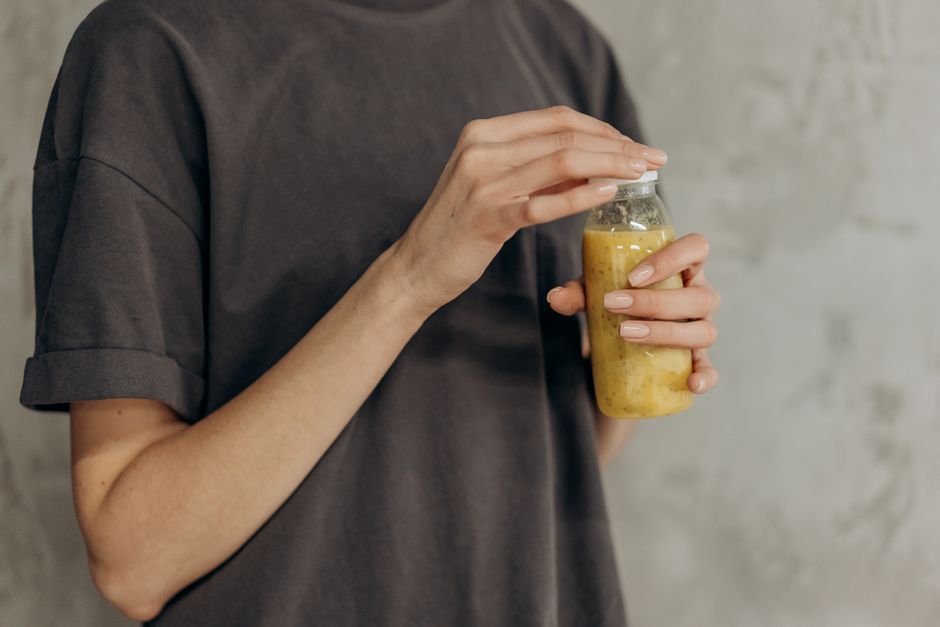
{# Best Probiotic Drinks for Gut Health in 2026: A Complete Nutrition & Recipe Guide
If you’ve been searching for the **best probiotic drinks for gut health in 2026**, you’re in good company. Millions of Americans are turning to fermented beverages to support digestion, immunity, and everyday wellness — and the options have never been better. This guide covers what probiotics actually do, which drinks deliver the most benefit, and simple homemade recipes you can start this week.
—
Understanding Probiotics and Why They Matter

**Probiotics** are live microorganisms — primarily bacteria and yeasts — that deliver measurable health benefits when consumed in adequate amounts. They populate your gut microbiome, the vast ecosystem of microbes that influences digestion, mood, immunity, and even metabolism. Think of your gut as a garden: probiotics are the seeds that keep it productive.
The science has matured considerably over the past decade. Research consistently links a diverse gut microbiome to reduced inflammation, better nutrient absorption, and a stronger immune response. For US adults dealing with bloating, irregular digestion, or post-antibiotic recovery, probiotic drinks offer a practical, food-first approach that fits naturally into daily life.
Drinkable formats have surged in popularity because they’re convenient, genuinely tasty, and shelf-stable options are widely available at Whole Foods, Trader Joe’s, and even Walmart. They’re also easier for most people to build into a daily habit compared to capsule supplements — especially if you’re already focused on eating for better gut health.
—
Editor’s pick: milk kefir grains starter culture — see current prices and reviews.
Top Probiotic Drinks Worth Adding to Your Routine
Not all probiotic beverages are created equal. The strain count, fermentation method, and sugar content vary widely — and those differences matter.
- **Kefir** — A tangy, milk-based drink fermented with kefir grains. It typically contains 12 or more probiotic strains and up to **10–34 billion CFUs per cup**, making it one of the most potent commercial probiotic foods available.
- **Kombucha** — A fermented tea made with a SCOBY (symbiotic culture of bacteria and yeast). It’s lightly effervescent, lower in probiotics than kefir, but rich in organic acids and antioxidants.
- **Yogurt-based drinks** — Drinkable yogurt and lassi deliver well-researched strains like *Lactobacillus acidophilus*. They’re mild, kid-friendly, and easy to find at any grocery store.
- **Lacto-fermented beverages** — This category includes beet kvass, fermented lemonade, and water kefir, all made through natural lactic acid fermentation without dairy.
| Drink | Probiotic Strains | CFU Range | Best For |
|---|---|---|---|
| Milk Kefir | 12–30+ strains | 10–34 billion/cup | Broad gut support |
| Kombucha | 5–10 strains | 1–3 billion/cup | Antioxidants + digestion |
| Drinkable Yogurt | 2–5 strains | 5–10 billion/cup | Kids, mild support |
| Water Kefir | 10–15 strains | 5–15 billion/cup | Dairy-free option |
| Lacto-fermented Tea | Varies | 1–5 billion/cup | Variety + flavor |
—
Making Probiotic Drinks at Home

Homemade probiotic drinks cost a fraction of store-bought options and give you full control over ingredients. The basic setup is minimal.
**Equipment you’ll need:**
- Wide-mouth glass mason jars (quart or half-gallon)
- Cheesecloth or a breathable cloth cover secured with a rubber band
- A kitchen thermometer for milk-based ferments
- Wooden or plastic spoons — avoid metal with live cultures
**Core ingredients to keep on hand:**
- Kefir grains or a SCOBY starter culture
- Whole or 2% milk for milk kefir; filtered water for water kefir
- Organic cane sugar (it feeds the culture, not you)
- Caffeinated black or green tea for kombucha
- Fresh or frozen fruit for flavoring second ferments
The process for most probiotic drinks follows the same arc: combine your culture with its food source, keep it at room temperature (68–75°F is ideal for most ferments), and let beneficial bacteria do the work over 24–72 hours. Taste before bottling, and refrigerate once you hit your preferred tartness level.
—
Four Probiotic Drink Recipes to Make This Week
These recipes are beginner-friendly, use ingredients available at any US grocery store, and deliver genuine probiotic value.
Strawberry Kefir Smoothie
**Prep time:** 5 minutes | **Servings:** 2
- 1 cup plain milk kefir
- 1 cup frozen strawberries
- 1 ripe banana
- 1 tbsp honey
- ½ tsp vanilla extract
Blend everything until smooth. For a dairy-free version, substitute coconut milk kefir or plain water kefir with a splash of coconut cream. This smoothie delivers roughly **10–15 billion CFUs** and works well as a breakfast or post-workout option.
Ginger-Turmeric Kombucha Fizz
**Prep time:** 10 minutes (plus 48-hour second ferment) | **Servings:** 4
- 1 quart plain homemade or store-bought kombucha
- 1-inch piece fresh ginger, grated
- ½ tsp ground turmeric
- Juice of ½ lemon
- 1 tsp raw honey
Combine all ingredients in a flip-top glass bottle. Seal and leave at room temperature for 48 hours for natural carbonation, then refrigerate. The ginger and turmeric contribute anti-inflammatory compounds that work alongside kombucha’s organic acids.
Blueberry Yogurt Smoothie
**Prep time:** 5 minutes | **Servings:** 2
- 1 cup plain whole-milk drinkable yogurt
- ¾ cup frozen blueberries
- ½ cup unsweetened almond milk
- 1 tbsp ground flaxseed
- Pinch of cinnamon
Blend until creamy. The flaxseed adds prebiotic fiber that feeds the cultures already in the yogurt — a synbiotic combination that research shows improves gut colonization compared to probiotics alone. **Dairy-free swap:** Replace the yogurt with a coconut-based drinkable yogurt and use oat milk.
Honey Lemon Fermented Tea
**Prep time:** 10 minutes (plus 24-hour ferment) | **Servings:** 4
- 2 cups brewed green tea, cooled to room temperature
- 2 tbsp raw honey
- Juice of 1 lemon
- ¼ tsp water kefir grains, or 2 tbsp finished water kefir as a starter
Combine in a clean jar, cover loosely, and ferment at room temperature for 24 hours. Strain and refrigerate. Light, refreshing, and mild in probiotic load — a solid entry point if you’re new to fermented drinks.
—
Common Fermentation Mistakes and How to Avoid Them
Even experienced home fermenters lose batches. Knowing the pitfalls ahead of time saves ingredients and frustration.
- **Using metal tools** — Metal can inhibit fermentation activity. Stick to wood, plastic, or silicone utensils and glass jars throughout the process.
- **Fermenting in direct sunlight** — UV exposure damages live cultures. A dark cabinet or pantry corner is ideal.
- **Adding honey to hot liquid** — Temperatures above 110°F kill beneficial microbes. Always cool liquids to room temperature first.
- **Sealing jars too tight during active fermentation** — CO₂ needs an escape route. Use a loose lid or breathable cloth cover for the first ferment, or you risk dangerous pressure buildup.
- **Pulling the ferment too early** — Give it the full recommended time. An early pull typically means weak flavor and low probiotic activity — both underwhelming results.
—
How to Work Probiotic Drinks into a Healthy Diet
Timing and portion size affect how well live cultures survive their journey through your digestive system — and getting this right amplifies the benefit from every sip.
**Recommended serving sizes** range from **4–8 oz daily** for beginners, scaling up to 12–16 oz once your gut has adapted over two to three weeks. Starting small reduces the temporary bloating that some people experience when first introducing live cultures.
**When to drink them:**
- With or just before a meal — food in the stomach slightly dilutes stomach acid, improving bacterial survival rates
- Morning is popular because it sets a digestive rhythm for the rest of the day
- Avoid drinking immediately after hot coffee or tea, which can neutralize some cultures
Pairing probiotic drinks with prebiotic-rich healthy foods creates a synbiotic effect that research shows outperforms either approach alone. Good prebiotic pairings include oatmeal, bananas, garlic, onions, and asparagus — all straightforward additions to a regular US grocery list.
—
Nutrition Snapshot: What You’re Actually Drinking
Knowing the nutritional profile of your probiotic drink helps you fit it into your daily calorie and macro goals without surprises.
| Drink (8 oz) | Calories | Sugar | Protein | Probiotic Level |
|---|---|---|---|---|
| Plain Milk Kefir | 110 | 9g (natural) | 9g | High |
| Plain Kombucha | 30–60 | 4–7g | 0g | Moderate |
| Drinkable Yogurt | 130 | 14g | 8g | Moderate–High |
| Water Kefir | 20–50 | 2–5g | 0g | Moderate |
| Fermented Lemonade | 40 | 6g | 0g | Low–Moderate |
The biggest nutritional watch-out is **added sugar in flavored commercial versions**. Some flavored kombuchas contain 14 or more grams of sugar per bottle, which partially offsets the metabolic benefits. Plain or lightly flavored homemade versions are almost always the smarter nutritional choice — and significantly cheaper per serving.
—
Frequently Asked Questions (FAQ)
**Q: What are the signs of an unhealthy gut?**
Common signs include persistent bloating, irregular bowel movements, fatigue, skin flare-ups like eczema, and unexplained weight changes. These symptoms have multiple causes, but a disrupted gut microbiome is frequently a contributing factor that responds well to consistent dietary changes.
**Q: Can probiotic drinks help with weight loss?**
Research suggests that certain strains — particularly *Lactobacillus gasseri* and *Bifidobacterium lactis* — may support modest weight management by reducing inflammation and improving metabolic markers. Probiotic drinks work best as part of a broader diet that limits ultra-processed foods and includes plenty of fiber-rich vegetables and whole grains.
**Q: Are there side effects to drinking probiotic beverages?**
Most healthy adults tolerate them well, but temporary gas, bloating, or loose stools are common during the first one to two weeks as your microbiome adjusts. People with compromised immune systems, recent surgery, or serious gastrointestinal conditions should check with a doctor before adding probiotic drinks regularly.
**Q: How long before I notice a difference in gut health?**
Most people report noticeable improvements in digestion and bloating within two to four weeks of consistent daily consumption. Systemic benefits — better energy, clearer skin, more stable mood — often take six to eight weeks to become apparent, since microbiome shifts happen gradually.
**Q: Do I need to refrigerate all probiotic drinks?**
Commercially packaged kombucha and kefir should always be kept refrigerated after opening. Some shelf-stable formats use heat-killed cultures and don’t require refrigeration, but those products deliver significantly fewer live bacteria. For homemade ferments, refrigerate after reaching your desired tartness to halt active fermentation and preserve the cultures.
Top Product Recommendations
| Product Name | Rating | Key Feature | Est. Price | Action |
|---|---|---|---|---|
| Top-rated milk kefir grains starter culture | ★★★★★ | Editor-recommended milk kefir grains starter culture from this guide | $18–$42 | Check Lowest Price on Amazon |
| Best-value kombucha SCOBY starter kit | ★★★★☆ | Affordable kombucha SCOBY starter kit — strong everyday results | $12–$28 | Check Lowest Price on Amazon |
| Premium drinkable probiotic yogurt plain | ★★★★☆ | Higher-end drinkable probiotic yogurt plain for visible, lasting results | $45–$95 | Check Lowest Price on Amazon |
Affiliate Disclosure: This post contains affiliate links. We may earn a commission if you buy through our links, at no extra cost to you.
Leave a Reply