{# Best Electrolyte Drinks Without Sugar for Athletes: Your Complete Hydration Guide
If you train hard, sweat matters. The **best electrolyte drinks without sugar for athletes** replace what you lose without spiking blood glucose or crashing your energy mid-session. This guide covers why electrolytes matter, what to look for on a label, three easy homemade recipes, and smart strategies for every sport and activity level.
—
Why Electrolyte Drinks Are Crucial for Athletes

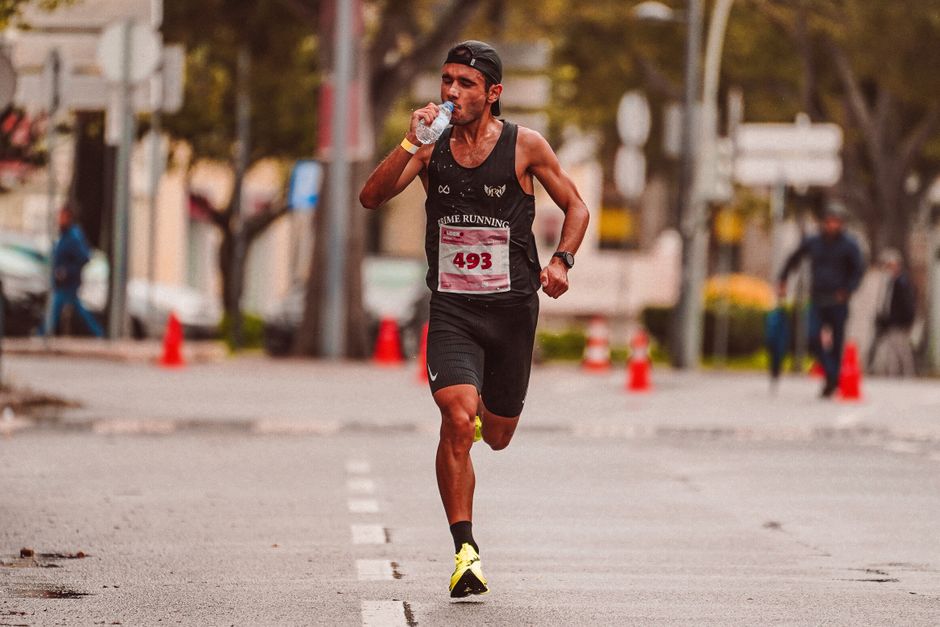
Your body loses more than water when you sweat — it sheds **sodium, potassium, magnesium, and calcium**. These minerals regulate muscle contractions, nerve signals, and fluid balance. When they drop, performance follows.
Electrolyte imbalances trigger cramping, fatigue, and dizziness. In serious cases, low blood sodium (hyponatremia) becomes a medical concern. Research consistently shows that a fluid loss equal to just 2% of body weight can reduce aerobic performance by up to 10% — a measurable hit whether you’re racing or lifting.
The trouble with most commercial sports drinks is sugar. Popular options often pack around 34 grams of added sugar per bottle, nearly matching the daily limit the American Heart Association recommends for adults. For endurance athletes burning fuel over several hours, some carbohydrates have a place. For gym sessions under 90 minutes, that sugar load is unnecessary calories with a blood sugar crash waiting at the end.
Understanding [healthy hydration habits](https://sieunjayf.blog/category/healthy/) starts with knowing exactly what goes into your bottle — and what doesn’t need to be there.
—
Editor’s pick: sugar free electrolyte powder packets — see current prices and reviews.
What to Look for on an Electrolyte Drink Label
Not all electrolyte products are created equal. Prioritize drinks that deliver a **complete mineral profile** without relying on sucrose or high-fructose corn syrup as the base.
- **Sodium**: 200–400 mg per serving covers most workout scenarios
- **Potassium**: 100–200 mg supports muscle function and helps prevent cramping
- **Magnesium**: 20–60 mg aids muscle recovery and promotes quality sleep
- **Calcium**: 20–50 mg supports bone health and proper nerve firing
For sweetness without sugar, look for **stevia, monk fruit extract, or erythritol**. These zero-calorie sweeteners satisfy the palate without affecting insulin levels. If you notice digestive sensitivity, avoid products with aspartame or sorbitol. Bonus ingredients worth considering: **B vitamins** support energy metabolism, and **vitamin C** provides antioxidant support after hard training sessions.
One labeling warning worth knowing: “naturally flavored” doesn’t automatically mean sugar-free. Scan the added sugars line on the Nutrition Facts panel, not just the front of the package.
—
Three Homemade Electrolyte Drink Recipes
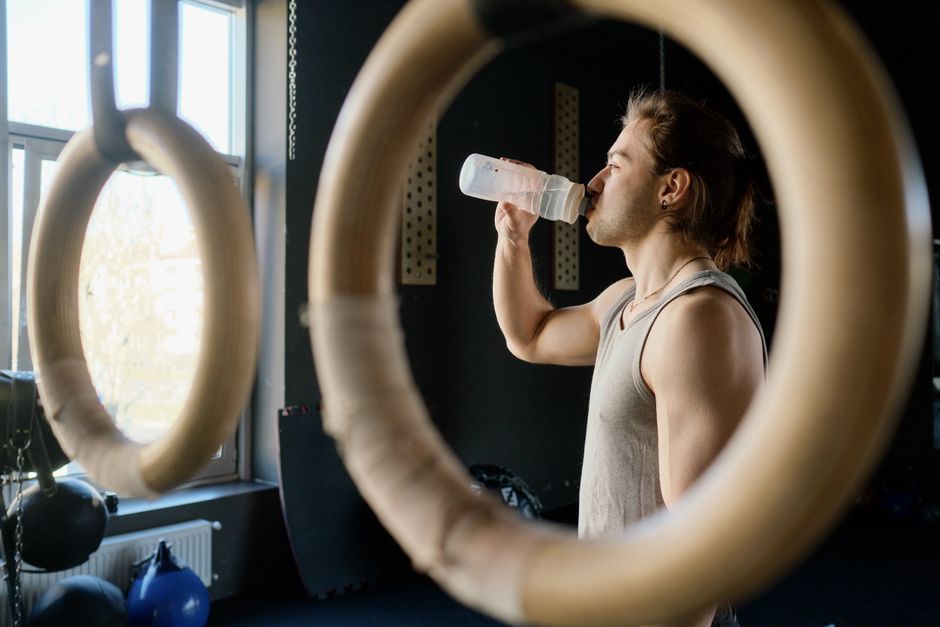
Making your own electrolyte drink costs a fraction of store-bought options and gives you full control over every ingredient. These three recipes cover different training scenarios and take almost no prep time.
Recipe 1: Basic Salt-and-Citrus Electrolyte Water
**Servings**: 1 (16 oz) | **Prep time**: 2 minutes
**Ingredients**
- 16 oz filtered water
- ¼ tsp pink Himalayan salt or sea salt
- Juice of ½ lemon or lime
- 1–2 pinches cream of tartar (a reliable potassium source)
- Stevia drops to taste (optional)
**Instructions**: Stir all ingredients until the salt fully dissolves. Drink within 24 hours. This is the go-to choice for morning workouts and light cardio sessions where you want simple, clean hydration without anything elaborate.
—
Recipe 2: Coconut Water and Lemon Blend
**Servings**: 1 (12 oz) | **Prep time**: 2 minutes
**Ingredients**
- 8 oz **unsweetened coconut water** (naturally high in potassium)
- 4 oz filtered water
- Juice of 1 lemon
- Pinch of sea salt
- Optional: a small slice of fresh ginger for anti-inflammatory benefit
**Instructions**: Combine all ingredients and stir. Unsweetened coconut water contains roughly 600 mg of potassium per cup, making this blend especially effective after long runs or cycling sessions. Always verify the label says **unsweetened** — some widely sold brands quietly add sugar.
—
Recipe 3: Green Tea Electrolyte Blend
**Servings**: 1 (16 oz) | **Prep time**: 5 minutes (plus cooling time)
**Ingredients**
- 1 cup brewed green tea, cooled
- 1 cup filtered water
- ¼ tsp sea salt
- 1 tbsp fresh lemon juice
- 1 tsp honey or 3 drops monk fruit (optional)
**Instructions**: Brew green tea at 175°F to avoid bitterness, then let it cool completely. Combine with remaining ingredients and stir. The natural caffeine content gives a mild performance lift, making this ideal for early morning training when you want a gentle stimulant alongside your hydration.
—
Smart Swaps and Everyday Alternatives
You don’t always need a dedicated recipe. A few simple substitutions make a real difference in your daily hydration without adding sugar.
- Replace a sugary sports drink with **sparkling water + a pinch of salt + citrus juice** for a zero-sugar, fizzy alternative
- Add **stevia or monk fruit drops** to plain water for flavor without calories
- Infuse a pitcher of water overnight with **cucumber, mint, and a small pinch of salt** — the mineral content is modest, but it significantly encourages more consistent drinking throughout the day
For athletes who need portability, **sugar-free electrolyte powder packets** are a practical middle ground. Look for options listing sodium and potassium as the primary ingredients rather than sugar or maltodextrin. A quality powder packet slips into a gym bag and mixes in seconds — no prep required.
—
How to Prep and Store Electrolyte Drinks
Batch-prepping hydration saves time during heavy training weeks. Most homemade electrolyte drinks stay fresh in the refrigerator for **48–72 hours** in a sealed container.
- Use **glass or BPA-free bottles** to avoid plastic compounds leaching into acidic citrus-based blends
- Label each container with the prep date so freshness is never a guessing game
- Don’t leave drinks at room temperature longer than **2 hours** — coconut water-based blends spoil noticeably faster than plain salt-and-citrus recipes
- For race prep or multi-day events, freeze individual portions in silicone ice cube trays; drop 2–3 cubes into your bottle before training and let them melt during warm-up
—
Hydration Needs by Sport and Activity
Electrolyte needs shift considerably depending on sport, intensity, and weather. A one-size-fits-all approach leaves real performance on the table.
| Activity | Session Length | Key Priority | Recommended Sodium |
|---|---|---|---|
| Weight training | Under 60 min | Light replenishment | 150–200 mg |
| Distance running | 60–120 min | Sodium + potassium | 300–400 mg |
| Outdoor cycling | 90+ min | Full electrolyte profile | 400–500 mg |
| Hot yoga | 60 min | High sweat-loss replacement | 250–350 mg |
| Team sports (soccer, basketball) | 60–90 min | Quick absorption | 200–300 mg |
For **endurance events lasting over two hours**, plain water creates a real dilutional hyponatremia risk. Increase sodium and consider adding **magnesium** to reduce late-race cramping. For shorter gym sessions, a lighter drink with 150–200 mg sodium and no sugar is sufficient.
Hot and humid conditions can raise sweat rate by 30–50%. In summer heat, add an extra pinch of salt to your recipe and sip every 15–20 minutes rather than waiting until you feel thirsty.
—
Homemade vs. Store-Bought Sugar-Free Electrolytes: An Honest Comparison
| Factor | Homemade Recipe | Store-Bought Powder (No Sugar) |
|---|---|---|
| Cost per serving | $0.10–$0.30 | $0.75–$2.00 |
| Ingredient control | Full | Label-dependent |
| Convenience | Requires prep | Mix-and-go |
| Electrolyte precision | Varies by recipe | Usually measured |
| Additives | None | May include natural flavors |
| Shelf life (prepped) | 48–72 hours | Months (dry powder) |
Both approaches are genuinely useful. Homemade wins on cost and clean ingredients. Quality powder packets win on portability and consistency when you’re traveling or pressed for time. Many serious athletes keep both on hand.
Building a reliable routine around [smart, healthy nutrition choices](https://sieunjayf.blog/category/healthy/) — including what you drink before, during, and after training — compounds over time in ways that show up in your performance numbers.
—
Frequently Asked Questions
**Q: When is the best time to drink an electrolyte beverage?**
Drink a small electrolyte beverage about 30 minutes before training to pre-load sodium and potassium. Sip during activity if your session runs longer than 45 minutes. After training, a full serving within 30 minutes accelerates fluid rebalancing and supports muscle recovery.
**Q: How do I know if a drink has too much sugar?**
Check the Nutrition Facts panel for “Added Sugars” specifically — not just total sugars, which include naturally occurring ones. Anything above 15 grams of added sugar per serving is high for a workout drink. Watch for ingredient names like sucrose, dextrose, cane juice, and fruit concentrate; these are all added sugars regardless of how they appear on the label.
**Q: Can I really make a quality electrolyte drink at home?**
Yes, and it’s faster than most people assume. The core formula is filtered water + sea salt + a potassium source (cream of tartar or unsweetened coconut water) + citrus juice. A batch takes under five minutes, costs under 30 cents per serving, and contains zero added sugar. Adjust salt to taste and use filtered water for the cleanest flavor.
**Q: Are sugar-free electrolyte drinks safe for daily use?**
For most healthy adults who exercise regularly, yes. The key is keeping sodium intake in a reasonable range on rest days — you don’t need 400 mg of sodium in your water when you’re sitting at a desk. A lighter recipe with 100–150 mg sodium works well for non-training days if you want to stay consistently hydrated.
**Q: Do electrolyte drinks without sugar still taste good?**
They can, especially once you adjust to less sweetness. The citrus in most recipes carries more flavor than you might expect, and a few drops of monk fruit or stevia add enough sweetness to make a drink enjoyable without any glycemic impact. The green tea blend, in particular, has a flavor profile that most people find surprisingly pleasant right out of the fridge.
Top Product Recommendations
| Product Name | Rating | Key Feature | Est. Price | Action |
|---|---|---|---|---|
| Top-rated sugar free electrolyte powder packets | ★★★★★ | Editor-recommended sugar free electrolyte powder packets from this guide | $18–$42 | Check Lowest Price on Amazon |
| Best-value unsweetened coconut water for athletes | ★★★★☆ | Affordable unsweetened coconut water for athletes — strong everyday results | $12–$28 | Check Lowest Price on Amazon |
| Premium pink Himalayan salt for hydration | ★★★★☆ | Higher-end pink Himalayan salt for hydration for visible, lasting results | $45–$95 | Check Lowest Price on Amazon |
Affiliate Disclosure: This post contains affiliate links. We may earn a commission if you buy through our links, at no extra cost to you.
Leave a Reply