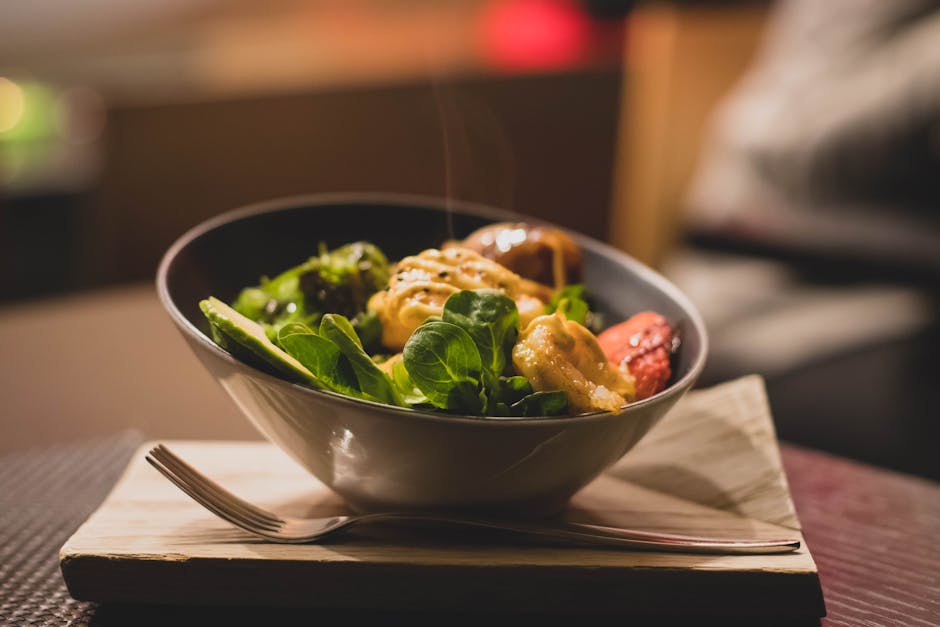
Mistakes to Avoid When Meal Prepping
Building a healthy lifestyle starts with smart planning, but even the most well-intentioned home cooks stumble into common meal prep traps that undermine their goals. Understanding these pitfalls is the first step toward creating a sustainable routine that actually saves time, money, and stress in the long run. The good news is that every one of these mistakes has a straightforward fix once you know what to watch out for.
Overcooking or undercooking ingredients ranks among the most frequent issues people encounter. When you cook grains, proteins, or vegetables too far in advance, they continue to break down in the refrigerator, resulting in mushy textures and dull flavors by the time you actually eat them. Conversely, undercooking leaves ingredients unsafe or unappetizing. The solution is to slightly undercook items that will be reheated, since carryover heat finishes the job, and store raw components separately until assembly. Testing a few minutes before the recommended time makes a measurable difference in final texture.
Failing to balance nutrients across your weekly meals is another trap that derails many meal prep efforts. Loading your containers with carbs and skipping adequate protein or healthy fats leads to energy crashes, cravings, and the dreaded mid-afternoon slump. Each prepped meal should include a solid source of lean protein, complex carbohydrates, and a colorful mix of vegetables to keep blood sugar stable and hunger at bay throughout the day.
Ignoring portion control silently sabotages even the most carefully planned menus. When you prepare large batches without individually portioning servings, it is far too easy to heap extra onto your plate out of habit or hunger. Using a food scale or measuring cups during prep, and storing single servings in labeled containers, removes guesswork entirely and keeps your calorie intake aligned with your health goals.
Affordable and Healthy Two-Ingredient Meals
You do not need a fully stocked pantry or hours of free time to eat well. Some of the most nutritious meals come together in under ten minutes using just two ingredients, making them perfect for busy weeknights, packed lunches, or last-minute dinner solutions. These simple combinations prove that healthy eating does not have to be complicated or expensive.
Greek yogurt with fresh or frozen blueberries delivers a powerful punch of protein, probiotics, and antioxidants at an incredibly low cost. The thick, creamy texture of plain Greek yogurt satisfies like dessert while keeping added sugars in check. Toss in a handful of blueberries, a light drizzle of honey if desired, and you have a breakfast or snack that supports gut health, brain function, and sustained energy. This meal works equally well as a quick grab-and-go option or a sit-down morning ritual.
A spinach and egg scramble exemplifies how simple ingredients can form a complete, balanced meal. Whisk two or three eggs with a generous handful of fresh baby spinach, season with salt and pepper, and cook in a lightly oiled pan for about five minutes. Eggs provide high-quality protein and essential vitamins, while spinach adds iron, folate, and fiber. You can elevate this dish with a sprinkle of shredded cheese or a splash of hot sauce without straying from the healthy template.
A sweet potato and black bean hash makes an exc nt budget-friendly dinner or meal prep staple. Cube one medium sweet potato, toss with canned black beans (rinsed and drained), add smoked paprika, cumin, and a bit of olive oil, then roast at 400°F for 25 to 30 minutes until golden. The sweet potato offers complex carbohydrates and vitamin A, while black beans contribute plant-based protein and fiber, creating a filling dish that keeps you satisfied for hours without taxing your grocery budget.
Time-Saving Meal Prep Techniques
Time is the most cited barrier to healthy eating, but a handful of proven prep strategies can slash your kitchen time dramatically while ensuring you always have something nutritious within reach. The key is working smarter, not harder, by building systems that pay off across every meal you prepare throughout the week.
Prepping ingredients in bulk on a single day each week is the foundation of efficient meal prep. Dedicate one to two hours on Sunday afternoon to washing and chopping vegetables, cooking grains like quinoa or brown rice, and grilling or baking a batch of chicken breasts or tofu. Store everything in clear, labeled containers in the refrigerator where you can see it at a glance. When dinnertime arrives, you assemble rather than cook from scratch, cutting active kitchen time to under fifteen minutes per meal.
Using a slow cooker or Instant Pot transforms the meal prep equation entirely. These appliances allow you to dump ingredients in the morning, set them, and come home to a fully cooked meal without any last-minute effort. A slow cooker excels with soups, stews, and shredded meats, while an Instant Pot handles beans from dry, hardboiled eggs, and one-pot meals in a fraction of the traditional time. Both appliances free you up to handle other tasks while dinner practically makes itself, removing the temptation to order takeout when you are tired and hungry.
Preparing full meals in advance takes bulk prep one step further and maximizes convenience during the week. Cook four or five complete lunches and dinners on prep day, portion them into individual containers, and refrigerate or freeze them. Label each container with the dish name and date cooked. Having a rotating menu of ready-to-heat meals eliminates the daily question of what to eat, which is where most healthy eating plans quietly fall apart. On busy days, you simply grab a container, microwave for two to three minutes, and enjoy a homemade meal without any extra work.
Healthy Ingredient Swaps for Common Recipes
One of the simplest paths to better nutrition does not require learning new cooking techniques or buying exotic superfoods. It starts with strategic ingredient substitutions that cut calories, boost fiber, and increase micronutrients while preserving the flavors and textures you already love. These swaps integrate seamlessly into familiar recipes so your favorite dishes become genuinely good for you.
Cauliflower rice has revolutionized low-carb eating without sacrificing the satisfaction of a grain-based side dish. Pulse raw cauliflower florets in a food processor until they resemble rice grains, then sauté in a pan with a drizzle of olive oil and a pinch of salt for five to seven minutes. One cup of cauliflower rice contains roughly one-quarter of the calories of an equivalent serving of white rice while delivering vitamin C, vitamin K, and a meaningful dose of fiber. Use it as a base for stir-fries, a side for grilled proteins, or a bed for curries and chili.
Swapping Greek yogurt for sour cream instantly improves the nutritional profile of tacos, baked potatoes, and sauces. Greek yogurt offers significantly more protein and far less fat than traditional sour cream, with a tangy flavor profile that meshes perfectly in Mexican dishes, creamy dressings, and baked potato toppings. When baking, Greek yogurt also substitutes effectively for mayonnaise in chicken salad, coleslaw, and sandwich spreads, cutting saturated fat while adding a dose of probiotics that support digestive health.
Replacing traditional pasta with zucchini noodles transforms a comfort food staple into a nutrient-dense, low-calorie meal. Spiralize medium zucchini into noodles using a dedicated spiralizer or a basic handheld tool, then toss them in a hot pan with a small amount of olive oil for two to three minutes until just tender. Zucchini noodles provide vitamin A, vitamin C, and potassium with a fraction of the carbohydrates found in regular pasta. Pair them with your favorite tomato sauce, pesto, or a light olive oil and garlic dressing, and top with grated Parmesan for a satisfying dinner that does not leave you feeling heavy or sluggish.
Nutrient-Packed and Delicious Smoothie Recipes
Smoothies represent one of the most versatile tools in any healthy eating arsenal, combining multiple nutrient-dense ingredients into a single portable meal or snack that takes under five minutes to make. When built with the right proportions of protein, fiber, healthy fats, and produce, a well-crafted smoothie sustains energy, supports recovery, and satisfies sweet cravings without added sugars or processed ingredients.
A berry and spinach smoothie delivers an antioxidant powerhouse in a refreshing, mildly sweet package. Combine one cup of mixed frozen berries, one handful of fresh spinach, one scoop of your preferred protein powder or one tablespoon of nut butter, one cup of unsweetened almond milk, and half a frozen banana for natural sweetness. Blend until completely smooth, adding more liquid if needed to reach your preferred consistency. The spinach blends in invisibly, providing iron and folate without altering the berry flavor, while the banana adds potassium and creates a creamy texture that rivals any milkshake.
The tropical mango and kale smoothie transports your taste buds to a sun-drenched beach while delivering serious nutrition. Blend one cup of frozen mango chunks, one large handful of kale leaves (stems removed), half a cup of coconut water, one-quarter cup of plain Greek yogurt, and one teaspoon of freshly grated ginger. Kale brings calcium, vitamin K, and a robust mineral profile, while mango contributes vitamin C and natural sweetness that pairs beautifully with the earthy bite of ginger. This combination is especially refreshing after a workout or as an afternoon energy boost that carries you through to dinner without a sugar crash.
A chocolate and avocado smoothie sounds indulgent but functions as a genuinely nutritious meal replacement or recovery drink. Blend half a ripe avocado, one tablespoon of unsweetened cocoa powder, one cup of oat milk or dairy milk, one tablespoon of honey or maple syrup, and a handful of ice. The avocado creates an exceptionally creamy, rich mouthfeel that rivals premium milkshakes, while providing heart-healthy monounsaturated fats and fiber that promote satiety. Cocoa adds antioxidants and that deep chocolate flavor you crave, making this smoothie a crowd-pleaser for adults and older children alike. It works as a filling breakfast on rushed mornings or a post-exercise recovery drink that helps rebuild and refuel.
Prepping Healthy and Delicious Snacks
Snacking gets a bad reputation, but when you control what goes into your between-meal eats, it becomes one of the most effective tools for maintaining steady energy, preventing overeating at mealtimes, and keeping your metabolism active throughout the day. Preparing snacks in advance removes the temptation to grab processed convenience foods when hunger strikes unexpectedly.
Roasting chickpeas or edamame creates a crunchy, satisfying snack that rivals any chip for texture while delivering impressive nutrition. For roasted chickpeas, drain and pat dry one can of rinsed chickpeas, toss with olive oil, smoked paprika, garlic powder, and a pinch of cayenne, then spread on a baking sheet and roast at 400°F for 25 to 35 minutes, shaking the pan halfway through, until deeply golden and crisp. Edamame requires only tossing frozen pods with sesame oil and sea salt and roasting at the same temperature for fifteen to twenty minutes. Both snacks provide plant-based protein, fiber, and minerals, making them far more filling and nourishing than pretzels or crackers.
Slicing and preparing raw vegetables with hummus takes less than ten minutes but yields days of grab-and-go snack portions. Wash and slice carrots, celery, bell peppers, cucumber, and radishes into stick or bite-size shapes, then portion them into small containers alongside two to three tablespoons of hummus per serving. The combination delivers vitamins, minerals, water content from the vegetables, and a modest amount of protein and healthy fats from the hummus. Prep all your vegetable sticks on Sunday evening and store them in an airtight container lined with paper towels to absorb excess moisture and keep them crisp through midweek.
Baking homemade energy bars or balls produces a snack you can feel genuinely good about eating, with no mysterious additives or inflated sugar content. A basic energy ball recipe combines one cup of rolled oats, half a cup of peanut or almond butter, one-third cup of honey or agave syrup, a handful of mini chocolate chips, and two tablespoons of ground flaxseed. Mix everything together, refrigerate for thirty minutes until firm, then roll into twelve equal balls and store in the refrigerator for up to a week. These portable snacks provide sustained energy from complex carbohydrates, healthy fats, and a bit of protein, making them ideal for pre-workout fuel, long meetings, or road trips where healthy options are scarce.
Balancing Macronutrients in Your Meals
Understanding macronutrients and how they work together in each meal is the difference between eating healthy and just going through the motions of it. Protein, carbohydrates, and fats each play distinct and irreplaceable roles in energy production, muscle maintenance, hormone regulation, and overall satiety. Designing every plate with all three in mind creates meals that fuel your body properly and keep you feeling full and focused for hours.
Ensuring adequate protein at each meal starts with knowing how much your body actually needs, which for most active adults ranges from 0.8 to 1.2 grams per kilogram of body weight daily. Quality protein sources include chicken breast, turkey, fish, eggs, Greek yogurt, cottage cheese, tofu, tempeh, lentils, and beans. Distributing your protein intake evenly across three meals rather than loading all of it into dinner helps optimize muscle protein synthesis and keeps hunger hormones in check throughout the day. A simple visual guide is to fill one-quarter of your plate with a lean protein source at every meal.
Carbohydrates are your body’s preferred energy source, and cutting them out entirely or dramatically restricting them leads to fatigue, brain fog, and nutritional gaps that compromise your health. Focus on complex carbohydrates like sweet potatoes, oats, quinoa, brown rice, and whole grain bread, which release energy gradually and keep blood sugar stable. Pairing carbs with protein and fat further slows digestion and prevents energy spikes and crashes. Filling one-quarter of your plate with nutrient-dense carbs ensures you have the fuel to power through workouts, work tasks, and daily responsibilities without relying on caffeine as a crutch.
Healthy fats round out your plate and unlock the absorption of fat-soluble vitamins A, D, E, and K from vegetables and other foods. Sources like avocado, olive oil, nuts, seeds, and fatty fish such as salmon provide essential omega-3 and omega-6 fatty acids that support brain function, reduce inflammation, and promote heart health. Using the remaining quarter of your plate for vegetables and drizzling them with a modest amount of olive oil or topping with sliced avocado ensures you are getting these critical nutrients without overdoing calorie density. Avoiding extreme diets that eliminate entire food groups preserves dietary variety, prevents nutrient deficiencies, and makes your healthy eating plan sustainable for years rather than weeks.
Frequently Asked Questions (FAQ)
What are some common mistakes people make when meal prepping for healthy eating?
The most frequent mistakes include overcooking or undercooking ingredients, which leads to poor texture and flavor by midweek; failing to balance macronutrients across meals, which causes energy crashes and cravings; and ignoring portion control by cooking in bulk without individually portioning servings. Addressing these three areas immediately elevates any meal prep routine from frustrating to effective and sustainable.
Can you suggest some affordable and healthy two-ingredient meal ideas?
Absolutely. Greek yogurt topped with fresh or frozen blueberries provides protein and antioxidants for under a dollar per serving. A spinach and egg scramble cooks in five minutes and delivers complete protein with iron-rich greens. A sweet potato and black bean hash roasted in the oven creates a hearty, fiber-dense meal from pantry staples that costs very little per serving and keeps well for several days.
How can I save time when meal prepping while still eating healthy?
Dedicate one to two hours weekly to washing, chopping, and cooking staples in bulk. Invest in a slow cooker or Instant Pot to prepare hands-off meals while you handle other tasks. Prepare complete individual meals in advance and store them in labeled containers so you simply grab and reheat rather than assembling from scratch each day. These three strategies together can reduce your weekly kitchen time significantly while ensuring every meal is nutritious and ready when you need it.
Explore more healthy guides on our site.
Top Product Recommendations
| Product Name | Rating | Key Feature | Est. Price | Action |
|---|---|---|---|---|
| Best Healthy Pick | ★★★★★ | Top-rated overall | $25–$45 | Check Lowest Price on Amazon |
| Budget Healthy Option | ★★★★☆ | Great for beginners | $12–$28 | Check Lowest Price on Amazon |
| Premium Healthy Choice | ★★★★☆ | Pro-level results | $50–$90 | Check Lowest Price on Amazon |
Affiliate Disclosure: This post contains affiliate links. We may earn a commission if you buy through our links, at no extra cost to you.
Leave a Reply