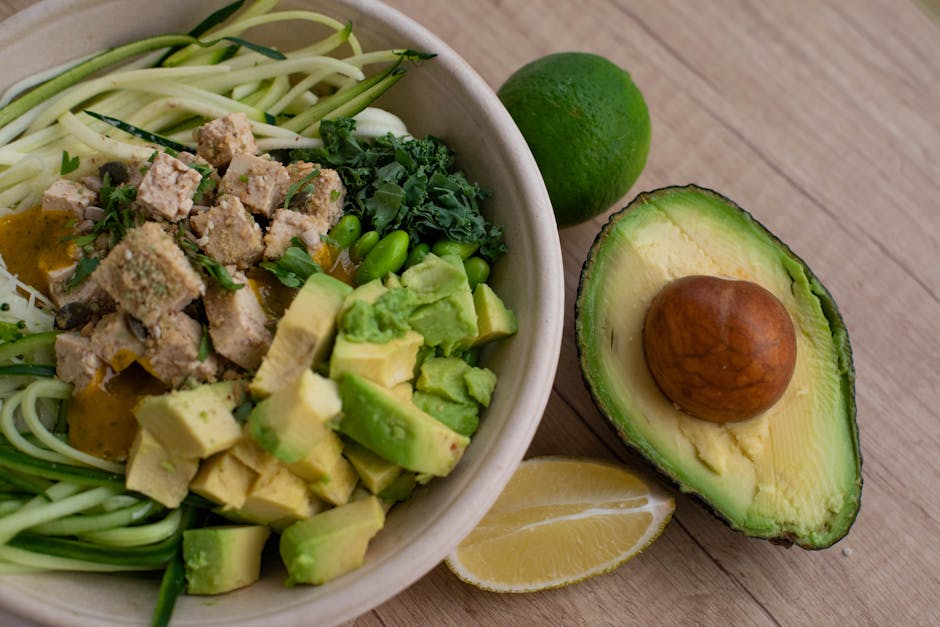
Keto 101: Understanding the Basics
The ketogenic diet, commonly referred to as keto, is a low-carbohydrate, high-fat eating plan designed to shift your body into a metabolic state called ketosis. In ketosis, your liver converts dietary fat into ketone bodies, which serve as an efficient fuel source for your brain and muscles instead of relying on glucose from carbohydrates. This metabolic adaptation is what makes the keto diet distinct from standard low-fat or calorie-restricted approaches.
Understanding macronutrients is central to any successful keto plan. A typical keto ratio breaks down to roughly 70–75% of daily calories from fat, 20–25% from protein, and only 5–10% from carbohydrates — usually keeping total carbs below 20 to 50 grams per day. Healthy fats such as avocado oil, olive oil, and coconut oil form the cornerstone of the diet, while protein sources like eggs, beef, and poultry provide necessary amino acids. Low-starch vegetables round out the plate to supply fiber and micronutrients without spiking blood sugar.
The benefits reported by people following a keto lifestyle include steady energy levels throughout the day, reduced hunger pangs due to the satiating effect of dietary fat and protein, and improved mental clarity. Some research also points to favorable changes in triglyceride levels and blood sugar regulation. Of course, individual results vary, and it’s always wise to consult a healthcare provider before making significant dietary changes, especially for those with underlying medical conditions.
Keto Shopping List: Essential Pantry Staples
Building a well-stocked keto pantry starts with quality cooking oils. Avocado oil, coconut oil, and extra virgin olive oil are the workhorses of a keto kitchen — each bringing a distinct smoke point and flavor profile. Avocado oil handles high-heat searing and roasting beautifully, coconut oil adds a subtle richness to baked goods and curries, and olive oil is ideal for dressings, marinades, and low-temperature sautéing. Keeping two or three oils on hand gives you flexibility across all your cooking needs.
Low-carb vegetables are the backbone of every keto plate. Leafy greens like spinach, kale, and arugula provide iron, calcium, and antioxidants for very few net carbs. Broccoli, cauliflower, and zucchini are versatile staples that can be transformed into rice substitutes, pizza crusts, or noodle alternatives. Asparagus, bell peppers, and green beans round out the vegetable rotation to keep meals interesting week after week.
Protein sources should cover a range of formats — from shelf-stable to fresh. Eggs are arguably the most cost-effective and versatile keto protein, working for breakfast, lunch, and dinner. Grass-fed ground beef, chicken thighs, and wild-caught fish such as salmon or sardines offer omega-3 fatty acids alongside quality protein. In the dairy aisle, stock full-fat cheese (cheddar, mozzarella, parmesan), heavy cream for cooking and coffee, and unsweetened almond milk as a lower-carb milk alternative.
Meal Planning Made Easy: Keto-Friendly Recipes
Breakfast on keto doesn’t have to be boring. A quick keto smoothie blends half an avocado, a handful of spinach, a scoop of protein powder, and unsweetened almond milk with a splash of vanilla extract — all whirled together in under three minutes. Egg muffins are another batch-cooking favorite: whisk eggs with diced bell peppers, shredded cheese, and cooked bacon, then bake in a muffin tin for protein-packed grab-and-go meals throughout the week. For a more substantial morning, skip the bread and serve smashed avocado on cucumber slices with everything bagel seasoning and a sprinkle of red pepper flakes.
Lunch options shine when you focus on fresh vegetables and lean proteins. A salad bowl with grilled chicken, mixed greens, cherry tomatoes, cucumber, and a dressing made from olive oil, lemon juice, and Dijon mustard delivers a complete meal in under 20 minutes. Lettuce wraps stuffed with seasoned ground beef, sautéed onions, and a dollop of sour cream replace high-carb tortillas neatly. Zucchini noodles tossed with pesto, cherry tomatoes, and pan-seared shrimp offer a pasta-like experience without the glucose spike.
Dinner favorites keep keto home cooks coming back for more. A thick-cut ribeye grilled to medium-rare perfection, finished with a pat of herb butter, pairs perfectly with roasted broccoli drizzled in olive oil and garlic. Roasted salmon with lemon and dill, served alongside sautéed spinach, is a 25-minute meal that feels restaurant-worthy. A vegetable stir-fry using cauliflower rice, snow peas, and thinly sliced chicken thigh in a soy-free coconut aminos sauce satisfies Chinese-takeout cravings without the rice bowl.
Keto on a Budget: Saving Money While Eating Well
Eating keto does not require breaking the bank. One of the most effective budget strategies is buying pantry staples in bulk. Items like coconut oil, olive oil, almond flour, and canned wild fish have long shelf lives, making them ideal candidates for bulk purchasing at warehouse clubs or online retailers. Purchasing whole chickens instead of pre-cut parts saves money and gives you bones and scraps for making a rich bone broth — a bonus ingredient for keto soups and sauces.
Seasonal produce is both cheaper and fresher. In spring and summer, zucchini, spinach, and asparagus flood farmers’ markets at low prices. Fall brings cauliflower, Brussels sprouts, and pumpkins — all keto-friendly and often discounted when sold in bulk. Frozen vegetables are a budget-friendly alternative that retains most of their nutritional value and can be stored for months without waste.
Batch cooking transforms raw ingredients into multiple meals across the week. A single weekend session can yield a large pot of ground beef and vegetable soup, a tray of baked chicken thighs, and a batch of cauliflower rice. Portion these items into airtight containers and refrigerate or freeze until needed. This approach cuts down on impulse food purchases and reduces daily cooking time to a matter of minutes. DIY keto alternatives — such as making your own almond flour crackers, cheese crisps, or fat bombs — almost always cost less than their specialty-store equivalents.
Time-Saving Techniques for Busy Home Cooks
One-pot meals are a game-changer for keto home cooks juggling demanding schedules. A single cast-iron skillet can yield an entire dinner: brown chicken thighs, remove them, then sauté broccoli, bell peppers, and onions in the rendered fat before returning the chicken to the pan with a splash of chicken broth and a sprinkle of Italian seasoning. Cover and cook on low heat for 15 minutes and dinner is served with virtually no cleanup.
Sheet pan recipes simplify the cooking process by leveraging the oven rather than the stovetop. Toss chicken drumsticks, zucchini wedges, and cherry tomatoes with olive oil, garlic powder, smoked paprika, and salt. Spread everything on a single sheet pan and roast at 425°F for 30–35 minutes until the chicken is golden and the vegetables are caramelized. This method uses one pan, one spatula, and about five minutes of active prep time.
Prepping ingredients ahead of time is perhaps the single biggest time-saver for keto home cooks. Wash and chop all vegetables for the week on Sunday evening and store them in airtight containers with a paper towel to absorb moisture. Hard-boil a dozen eggs for quick protein snacks. Cook a batch of bacon and crumble it into zip-top bags for adding to salads, egg dishes, or vegetable sides throughout the week. Multipurpose ingredients like rotisserie chicken — available at most grocery delis — can be repurposed across three different meals: a salad topping on Monday, lettuce wraps on Wednesday, and a chicken-zucchini soup on Friday.
Keto for Beginners: Overcoming Common Challenges
Carb cravings are one of the most commonly reported hurdles during the first one to two weeks of keto eating. When your body is adapting to lower carbohydrate intake, you may experience what many refer to as the “keto flu” — fatigue, irritability, and intense cravings for bread, pasta, or sweets. Counteracting these symptoms starts with ensuring adequate electrolyte intake: add a pinch of Redmond Real Salt to your water, sip on bone broth, and snack on olives or pickles for quick sodium replenishment. Fat-rich snacks like a small handful of macadamia nuts or a square of dark chocolate (85% cacao or higher) can quiet cravings without kicking you out of ketosis.
Hydration deserves extra attention on a keto diet. Because the body sheds water weight rapidly during the initial phase of carbohydrate restriction, replacing those fluids is essential. Plain water should be your primary beverage, but unsweetened tea and black coffee are also compatible with keto. Be cautious with sweetened drinks, fruit juices, and milk — even small amounts can add unnecessary carbohydrates. Adding a slice of lemon or cucumber to water can improve taste without adding carbs.
Eating out while maintaining ketosis requires a bit of advance planning. Scan menus for protein-forward dishes with vegetable sides rather than starchy accompaniments. Request that sauces and dressings be served on the side so you can control portions. Grilled fish, steak, or roasted chicken with a side salad and olive oil dressing are almost universally available at restaurants. When traveling, pack a small cooler with keto staples like beef jerky, hard-boiled eggs, string cheese, and single-serving nut butter pouches to avoid being caught without keto-friendly options.
Frequently Asked Questions (FAQ)
What are net carbs, and why do they matter on a keto diet?
Net carbs refer to the total carbohydrates in a food minus the fiber content — essentially the carbohydrates that your body absorbs and uses for energy. Because fiber passes through the digestive system largely intact, it does not significantly impact blood sugar or ketosis. Calculating net carbs helps keto dieters maximize their carbohydrate allowance by choosing fiber-rich foods that won’t disrupt ketosis. For example, 100 grams of cauliflower contains about 5 grams of total carbohydrates and 2 grams of fiber, leaving roughly 3 grams of net carbs per serving.
How can I ensure I’m getting enough fiber while following a keto diet?
Meeting daily fiber goals on keto requires intentional food choices. Leafy greens like spinach and kale, cruciferous vegetables such as broccoli and Brussels sprouts, and low-carb nuts like walnuts and pecans are all exc nt sources of dietary fiber. Adding chia seeds or ground flaxseed to smoothies, yogurt parfaits, or baked goods provides a fiber boost without significantly raising net carbs. If whole-food fiber sources are insufficient, a tablespoon of psyllium husk powder mixed into water can bridge the gap — just be sure to drink plenty of additional water throughout the day.
Can I still enjoy occasional treats while staying in ketosis?
Yes, occasional keto-friendly treats are entirely possible with the right substitutions. Dark chocolate with 85% cacao or higher, unsweetened nut butter, full-fat whipped cream sweetened with a low-carb alternative, and homemade fat bombs made from coconut oil and cocoa powder all satisfy sweet cravings without derailing ketosis. The key is moderation and careful label reading — many products marketed as keto-friendly still contain hidden sugars or maltitol, which can spike blood glucose. Preparing treats at home gives you full control over ingredients and portions.
Is it possible to be vegetarian or vegan while following a keto diet?
Absolutely — though it requires more thoughtful planning. Vegetarian keto dieters can lean heavily on eggs, full-fat dairy, tofu, tempeh, avocado, coconut products, and a wide variety of low-carb vegetables and nuts. Vegan keto is more restrictive but entirely achievable by focusing on tofu-based proteins, tempeh, coconut-based dairy alternatives, leafy greens, avocados, nuts, seeds, and plant-based fat sources like avocado oil and coconut oil. Nutritional yeast can provide a savory, cheese-like flavor boost. Vegans and vegetarians on keto should monitor B12, iron, and omega-3 levels with periodic blood work and consider targeted supplementation after consulting a healthcare professional.
Explore more keto guides on our site.
Top Product Recommendations
| Product Name | Rating | Key Feature | Est. Price | Action |
|---|---|---|---|---|
| Best Keto Pick | ★★★★★ | Top-rated overall | $25–$45 | Check Lowest Price on Amazon |
| Budget Keto Option | ★★★★☆ | Great for beginners | $12–$28 | Check Lowest Price on Amazon |
| Premium Keto Choice | ★★★★☆ | Pro-level results | $50–$90 | Check Lowest Price on Amazon |
Affiliate Disclosure: This post contains affiliate links. We may earn a commission if you buy through our links, at no extra cost to you.
Leave a Reply