
Why Maltitol Ruins Your Keto Energy Drink
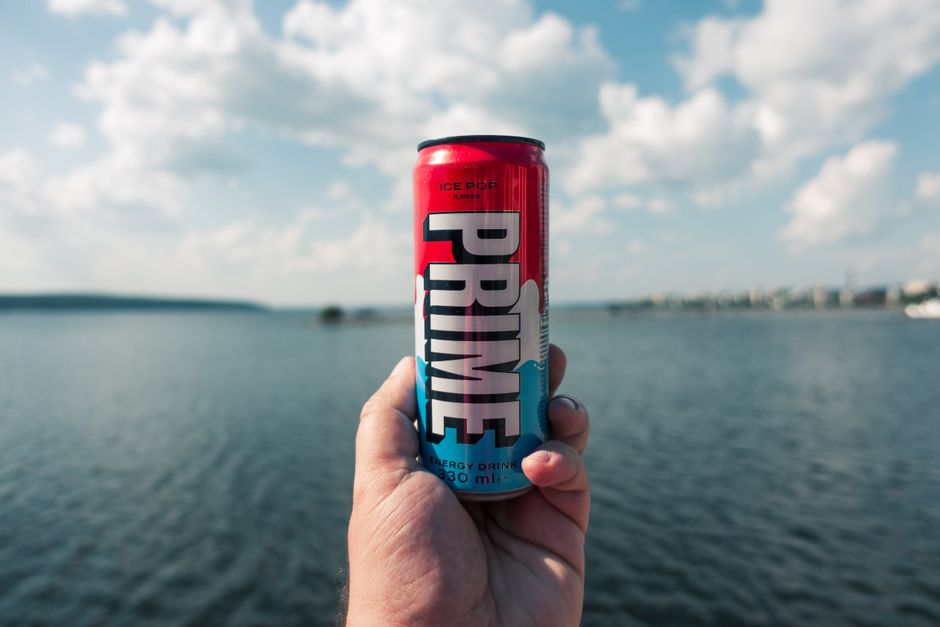
If you’ve grabbed a “sugar-free” energy drink and still felt bloated or knocked out of ketosis by noon, maltitol is likely the reason. This guide is built for keto dieters who want **keto friendly energy drinks without maltitol** — practical, affordable options that keep you in fat-burning mode without the gut distress.
Maltitol is a sugar alcohol derived from maltose with a glycemic index of 35–52 — closer to white bread than most people expect. Unlike erythritol, which has a GI of nearly zero, maltitol raises blood glucose and triggers a real insulin response. It also ferments partially in the gut, which is what causes the bloating and cramping that keto drinkers commonly report.
For anyone managing blood sugar, inflammation, or digestive sensitivity, maltitol is worth cutting entirely — not just reducing.
Editor’s pick: erythritol bulk keto sweetener — see current prices and reviews.
Sweeteners That Are Actually Safe on Keto
Not all sugar alcohols behave the same way, and knowing the clean options makes label-reading much faster.
- **Erythritol**: GI of ~0; absorbed and excreted without metabolizing; the most well-studied keto sweetener
- **Allulose**: GI of ~0; tastes close to table sugar; FDA allows it to be excluded from “total sugars” on US nutrition labels
- **Monk fruit extract**: Zero calories, zero glycemic impact; often blended with erythritol to balance sweetness
- **Stevia leaf extract**: Plant-based, zero-calorie, zero-glycemic; widely available and budget-friendly
- **Xylitol**: GI of ~7; acceptable in small amounts but less favorable than the four above — and toxic to dogs if you’re mixing drinks at home
Maltitol, sorbitol, and maltodextrin are the three to avoid. If any of these appear anywhere in the ingredient list, the product isn’t clean keto regardless of what the front panel claims.
Exploring the full range of [keto-friendly beverages and nutrition strategies](https://sieunjayf.blog/category/keto/) can help you build a drink routine that actually supports your goals.
How to Read an Energy Drink Label the Keto Way
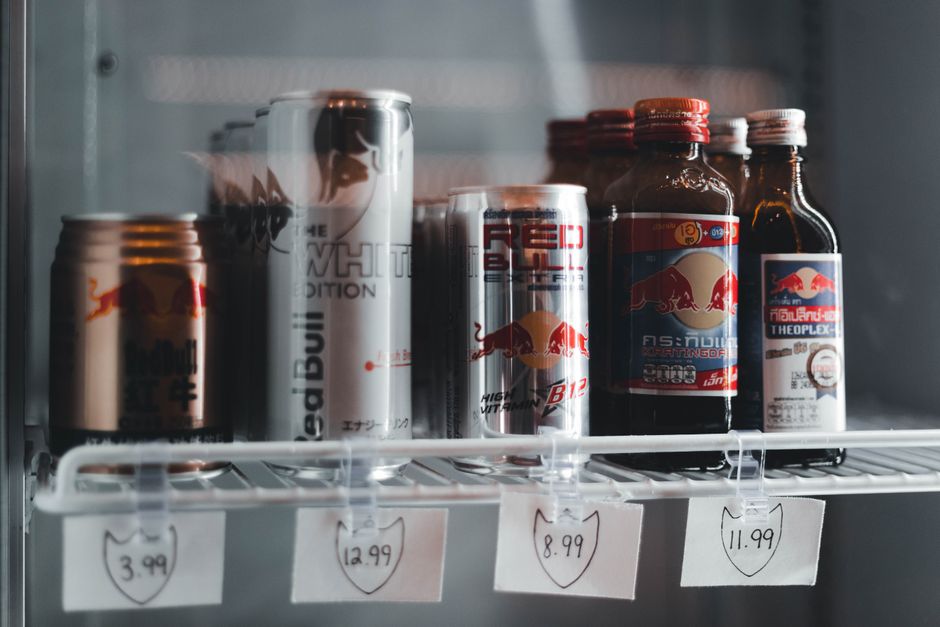
“Sugar-free” and “keto-friendly” are marketing terms with no strict regulatory definition in the US. They do not guarantee maltitol is absent. Here’s where it hides:
- Listed under “sugar alcohols” in the Nutrition Facts carbohydrate section
- Listed as **maltitol syrup** in the ingredients, separate from the sweetener callout
- Buried after more prominently featured sweeteners like stevia
The net carb calculation is where the real damage happens. With erythritol, you subtract the full sugar alcohol amount from total carbs. With maltitol, **you cannot do the same** — count at minimum half the maltitol grams toward net carbs. A product showing “2g net carbs” on the front may actually deliver 10–15g of metabolically active carbohydrate.
A clean keto energy drink label will show erythritol, monk fruit, stevia, or allulose as sweeteners — and nothing else in that category.
Store-Bought vs. DIY: What’s Available and What It Costs
| Format | Avg. Cost Per Serving | Label Control |
|---|---|---|
| Canned RTD energy drink | $2.50–$4.00 | Fixed formula |
| Powdered mix (canister) | $0.75–$1.50 | Moderate |
| DIY from bulk ingredients | $0.30–$0.60 | Full control |
Powdered electrolyte mixes generally offer cleaner formulas and better transparency than canned options. In the US, maltitol-free options are available at **Walmart, Target, Costco, Whole Foods, and Amazon**. When in doubt, ordering online lets you access third-party tested products with full ingredient disclosure.
For electrolyte powders, look for **NSF Certified for Sport** or **Informed Sport** badges — these indicate third-party testing for label accuracy and contaminant screening.
DIY Keto Energy Drink Base Recipe (No Maltitol)
**Prep time**: 5 minutes | **Servings**: 1
**Ingredients:**
- 12 oz sparkling or filtered water
- ¼ tsp pink Himalayan salt
- ⅛ tsp cream of tartar (~495mg potassium)
- 1 serving unflavored, maltitol-free electrolyte powder
- 1–2 tsp liquid monk fruit drops or 1 tsp powdered erythritol
- 1 tsp matcha powder or 1 oz cold brew concentrate
- Juice of ½ lemon or lime (optional)
**Steps:**
1. Combine salt, cream of tartar, and electrolyte powder in a glass or shaker bottle.
2. Add sweetener and lemon juice; stir until dissolved.
3. Add matcha or cold brew and shake for 10 seconds.
4. Pour over ice and top with sparkling water.
**Swaps:** No matcha? Use ½ tsp green tea extract powder. Caffeine-sensitive? Skip the matcha and use it as a pure electrolyte drink. Prefer still water? It works just as well.
**Estimated cost per serving**: $0.35–$0.55 using bulk ingredients.
Flavor Variations to Keep It Interesting
Once the base is down, variations take about 30 extra seconds.
**Citrus Burst**: Full lemon juice, extra pinch of pink salt, 10 drops liquid monk fruit over ice. Clean and naturally energizing.
**Berry Focus**: Muddle 4–5 fresh raspberries in the glass, add stevia drops and crushed ice. The tartness balances the sweetener well.
**Ginger-Mint Digestive Blend**: Steep fresh ginger and spearmint in hot water for 5 minutes, cool completely, then use as your water base with lemon juice, erythritol, and a pinch of salt. This variation is especially useful for anyone dealing with **acid reflux or inflammation** — ginger has solid documented support as an anti-inflammatory and digestive aid.
**Tropical Swap**: 4 oz unsweetened coconut water (under 6g total carbs per 4 oz) blended with 8 oz soda water, pineapple extract, and a small amount of allulose.
Keto Energy Drinks for Specific Health Needs
Keto isn’t one-size-fits-all, and your drink should reflect your specific health context.
**Blood sugar management (prediabetes, Type 2 diabetes)**: The maltitol-free requirement is non-negotiable here. Erythritol and allulose are the safest choices — neither produces a meaningful insulin response based on available clinical data. Monitor total carb load from any added coconut water or fruit juice.
**Chronic inflammation and autoimmune conditions**: Add ¼ tsp turmeric powder or fresh ginger to a warm keto drink base. **Lion’s mane mushroom powder** has emerging research support for neurological and immune benefits and mixes easily into any base.
**Hormonal balance**: Adaptogen additions like ashwagandha (300–600mg) or maca powder (start with ½ tsp) can be blended in. Keep maca modest — it does contribute a small amount of carbohydrate, so account for it in your daily totals.
**Acid reflux**: Avoid heavy citric acid concentrations. Use the ginger-mint base and consider adding 1–2 oz of aloe vera inner fillet juice as a soothing, low-carb base liquid.
Pre-Workout Keto Energy Drinks Without the Bloat
Pre-workout powders are a major hiding spot for **maltodextrin and maltitol** — used as cheap filler that directly undermines ketosis. A clean pre-workout keto energy drink should include:
- **Caffeine**: 100–200mg from green tea extract or anhydrous caffeine
- **Electrolytes**: sodium, potassium, and magnesium at meaningful doses
- **Sweetener**: erythritol or monk fruit only
- **MCT oil**: 1 tsp (about 5g) for fast-burning ketone-friendly fuel
The MCT caveat matters: starting with a full tablespoon of MCT oil in a pre-workout drink is a reliable way to trigger GI distress mid-training. Start with 1 teaspoon and increase over 1–2 weeks. **C8 MCT (caprylic acid)** converts to ketones fastest but is also the most likely to cause issues if overdosed.
Consume your pre-workout drink 20–30 minutes before exercise. For fasted morning workouts, this drink can serve as your entire pre-training fuel source.
Common Keto Drink Mistakes That Stall Results
Even experienced keto dieters make these — and most don’t realize it until results plateau.
- **Trusting “keto” branding without reading the label**: No regulatory definition exists for keto branding in the US. Always check the full ingredient list.
- **Caffeine without electrolytes**: Caffeine is a diuretic. On keto, where carb-driven water retention is already gone, this combination accelerates electrolyte depletion and drives **keto flu symptoms** — headache, fatigue, muscle cramps.
- **Adding MCT oil too fast**: One of the most common beginner mistakes. Titrate up over 7–14 days.
- **Sweet drinks amplifying cravings**: Some people find that even zero-calorie sweeteners in frequent flavored drinks intensify sugar cravings. If that’s you, shift toward plain salted sparkling water with lemon.
- **Ignoring trace sugars in flavored sparkling waters**: Some popular brands use natural fruit flavors that contain trace sugars — small amounts that can add up at 4–6 cans per day on a strict 20g net carb budget.
For a deeper look at how these drink choices fit into a full low-carb eating plan, the [keto nutrition and recipe category](https://sieunjayf.blog/category/keto/) covers meals, macros, and ingredient swaps that pair well with any drink routine.
Budget Weekly Keto Drink Prep Plan
Batch-prepping once a week cuts daily decision fatigue and drops the per-serving cost further.
**Sunday batch routine:**
1. Make a 64 oz pitcher of base electrolyte drink (scale the base recipe 5–6x)
2. Divide into 16 oz mason jars — four weekday servings
3. Prep two flavor variations so variety is already done
4. Refrigerate; base drink stays fresh 4–5 days
**Pantry staples to keep stocked:**
- Bulk erythritol (2 lb bag)
- Liquid monk fruit drops
- Pink Himalayan salt
- Magnesium glycinate or unflavored electrolyte powder
- Cream of tartar
- Matcha powder or cold brew concentrate
**Estimated weekly cost**: $7–$10 for daily drinkers using bulk ingredients — less than two canned energy drinks at retail.
Where to Buy Clean Keto Energy Drink Ingredients in the US
Most of what you need is available at mainstream US retailers.
- **Erythritol and monk fruit**: Walmart, Costco (bulk 3 lb bags), Thrive Market, Amazon Subscribe & Save
- **Allulose**: Improving availability at Whole Foods, Sprouts, and Kroger-affiliated chains; best selection and price currently online — look for non-GMO verified options
- **Electrolyte powder**: Amazon and supplement retailers; prioritize NSF Certified for Sport or Informed Sport certified products; avoid proprietary blends that obscure individual electrolyte doses
- **Matcha and green tea extract**: Costco, Trader Joe’s, Amazon; culinary-grade matcha is sufficient for beverage use and significantly cheaper than ceremonial grade
For magnesium specifically, **glycinate or malate forms** absorb better and cause less GI distress than magnesium oxide, which is the common low-cost form in cheaper blends. Buy erythritol in 2–5 lb bags rather than small packets — the per-ounce cost drops 60–70%.
Frequently Asked Questions
Does maltitol kick you out of ketosis?
Yes, it can. Maltitol has a glycemic index of 35–52, which means it raises blood glucose and triggers an insulin response in most people. Unlike erythritol, you can’t subtract its full gram count from net carbs. You can test your own response with a blood glucose meter or ketone strips 30–60 minutes after consuming it — but for most people on strict keto, it’s worth avoiding entirely.
What makes a keto energy drink safe without causing bloat?
Look for drinks sweetened only with **erythritol, allulose, monk fruit, or stevia** — and confirm maltitol, sorbitol, and maltodextrin are absent from the full ingredient list. Powdered electrolyte mixes tend to have cleaner formulas than canned RTD options. The DIY base recipe in this guide uses four core ingredients and takes under five minutes.
Can people with diabetes drink keto energy drinks sweetened with erythritol?
Based on available clinical data, erythritol produces no meaningful insulin response and is generally considered safe for blood sugar management. It’s a significantly better option than maltitol for anyone managing blood glucose. Individual responses still vary, so anyone managing diabetes should confirm their specific tolerance with a healthcare provider before making routine changes.
Are homemade keto energy drinks actually cheaper than store-bought?
Significantly. A DIY drink using bulk erythritol, monk fruit drops, pink salt, cream of tartar, and matcha runs about $0.35–$0.55 per 16 oz serving. A comparable commercial option costs $1.50–$4.00 per serving. Over a month of daily use, that’s a savings of $30–$100+. Bulk ingredients like erythritol and salt have long shelf lives, so the per-serving cost drops further over time.
Is allulose better than erythritol for keto drinks?
Both are exc nt choices with near-zero glycemic impact. Allulose tastes closer to table sugar and doesn’t produce the mild cooling aftertaste that erythritol sometimes does on its own. Erythritol is more widely available and typically less expensive. Many clean keto drink formulas use a blend of the two — or pair one with monk fruit — to get the best taste profile without relying on either alone.
Top Product Recommendations
| Product Name | Rating | Key Feature | Est. Price | Action |
|---|---|---|---|---|
| Top-rated erythritol bulk keto sweetener | ★★★★★ | Editor-recommended erythritol bulk keto sweetener from this guide | $18–$42 | Check Lowest Price on Amazon |
| Best-value maltitol free electrolyte powder keto | ★★★★☆ | Affordable maltitol free electrolyte powder keto — strong everyday results | $12–$28 | Check Lowest Price on Amazon |
| Premium liquid monk fruit drops keto | ★★★★☆ | Higher-end liquid monk fruit drops keto for visible, lasting results | $45–$95 | Check Lowest Price on Amazon |
Affiliate Disclosure: This post contains affiliate links. We may earn a commission if you buy through our links, at no extra cost to you.
Leave a Reply