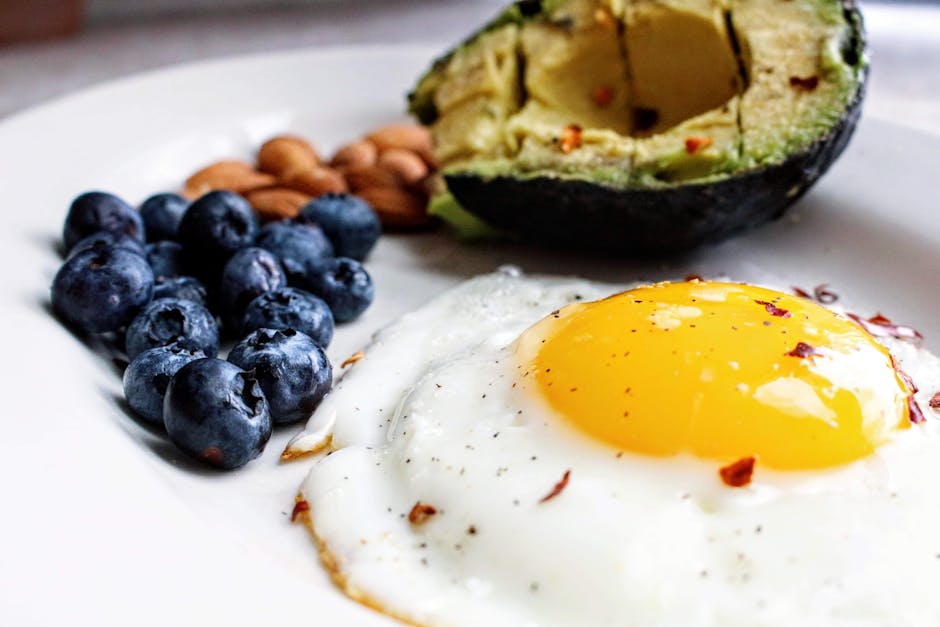
What is the Keto Diet?
The ketogenic diet, commonly referred to as keto, is a low-carbohydrate, high-fat eating plan designed to shift your body into a state of ketosis. In ketosis, your body switches from burning glucose (derived from carbohydrates) as its primary fuel source to burning fat and producing molecules called ketones. By drastically reducing carbohydrate intake and replacing it with healthy fats, the keto diet forces your metabolism into this fat-burning mode.
People adopt the keto diet for several reasons, including weight loss, improved energy levels, better blood sugar control, and mental clarity. Research suggests that a well-formulated ketogenic diet may help reduce triglycerides, increase HDL cholesterol, and support sustainable fat loss when combined with a balanced lifestyle. Many followers report feeling more focused and energized once they fully adapt to burning fat instead of sugar.
What sets keto apart from other low-carb diets is its strict macronutrient breakdown. Most keto plans aim for 70–75% of daily calories from fat, 20–25% from protein, and only 5–10% from carbohydrates — typically limiting carbs to 20–50 grams per day. This precise ratio is what distinguishes a true ketogenic diet from a general low-carb approach, making it a distinct and powerful nutrition strategy for the right individual.
Foods to Enjoy on Keto
The foundation of any keto meal plan is built on whole, minimally processed foods that are naturally low in carbohydrates and high in healthy fats. Leafy green vegetables such as spinach, kale, arugula, and lettuce are exc nt staples because they provide fiber, vitamins, and minerals while keeping carb counts extremely low. Other low-carb vegetables like zucchini, broccoli, cauliflower, bell peppers, and asparagus round out the menu with versatile cooking options.
For protein, focus on whole cuts of meat including beef, pork, lamb, chicken, and turkey. Fatty cuts like ribeye steak, pork belly, and chicken thighs are especially popular on keto because they provide both protein and fat in one package. Fatty fish such as salmon, mackerel, sardines, and tuna deliver omega-3 fatty acids alongside quality protein, supporting both heart health and ketosis.
Dairy products play a supporting role in keto cooking. Heavy cream, butter, cream cheese, and hard cheeses like cheddar, gouda, and parmesan are all keto-friendly when consumed in moderation. For sweeteners, stick with natural sugar substitutes like erythritol, stevia, and monk fruit, which do not spike blood glucose or interrupt ketosis. Avocados, coconut oil, olive oil, and MCT oil are the go-to fat sources that anchor every keto meal plan.
Foods to Avoid on Keto
Successfully maintaining ketosis requires identifying and eliminating high-carbohydrate foods from your daily diet. Grains are the most obvious category to remove: bread, pasta, rice, oats, cereal, and baked goods all contain large amounts of starch that can quickly exceed your daily carb limit. Even whole-grain versions like brown rice or quinoa are too high in carbs to fit comfortably into a standard keto plan.
Hidden carbohydrates are one of the sneakiest pitfalls on keto. Many sauces, dressings, and condiments contain added sugar, cornstarch, or other thickeners that can quietly add up. Soy sauce, ketchup, BBQ sauce, teriyaki glaze, honey mustard, and certain mayonnaise brands can each contribute 5–15 grams of carbs per serving without you realizing it. Always check nutrition labels for added sugars and starch-based ingredients before adding any condiment to your plate.
When eating out or buying packaged foods, be vigilant about ingredients like maltodextrin, dextrose, modified starch, and maltitol — all of which can spike blood sugar and kick you out of ketosis. Root vegetables such as potatoes, sweet potatoes, beets, and carrots are also too starchy for regular keto consumption. Fruit with high sugar content, including bananas, grapes, mangoes, and dried fruit, should be limited or avoided entirely while following a strict ketogenic plan.
Crafting a Keto Meal Plan
Building a balanced keto meal plan starts with understanding your daily macronutrient targets and planning meals that hit those numbers consistently. A typical day might begin with eggs cooked in butter alongside spinach and avocado for breakfast, followed by a salmon fillet with roasted broccoli and olive oil for lunch, and finished with a hearty beef stew loaded with low-carb vegetables for dinner. Distributing protein evenly across all three meals helps prevent overeating while maintaining muscle mass.
Meal prep is an essential strategy for anyone serious about keto, because cooking ahead prevents the temptation to grab high-carb convenience foods when time is short. Sundays are ideal for batch-cooking proteins like chicken thighs, ground beef, and bacon, then portioning them into containers with pre-washed vegetables and healthy fats. Investing in quality glass containers and a reliable food scale makes the process much more manageable and cost-effective over time.
Snacks and beverages matter just as much as main meals. Keto-friendly snacks include nuts like macadamias, walnuts, and pecans (in moderation), cheese crisps, hard-boiled eggs, celery with cream cheese, and pork rinds. For beverages, water, sparkling water, unsweetened tea, black coffee, and bone broth are all safe choices that won’t disrupt ketosis. Avoid fruit juices, regular soda, sweetened coffee drinks, and beer, all of which are loaded with fast-digesting carbohydrates.
Keto Recipe Ideas for Beginners
Starting your keto journey with simple, foolproof recipes builds confidence and keeps you motivated. A basic breakfast omelet is one of the easiest dishes to master: whisk three eggs with a splash of heavy cream, pour into a hot buttered skillet, and fill with spinach, mushrooms, and cheddar cheese. Cook until set, fold, and serve with half an avocado on the side. Prep time is about 5 minutes, and this meal serves one person while delivering roughly 2–3 grams of net carbs.
For lunch, try a keto Cobb salad that can be assembled in under 10 minutes. Layer chopped romaine lettuce with grilled chicken breast, crispy bacon bits, hard-boiled eggs, crumbled blue cheese, diced avocado, and cherry tomatoes. Drizzle with olive oil and red wine vinegar, and you have a satisfying, carb-conscious meal that keeps you full for hours. This recipe serves one and contains approximately 4–5 grams of net carbs depending on ingredient proportions.
Dinner recipes should feel hearty enough to satisfy cravings for comfort food. A pan-seared pork chop with garlic butter and steamed cauliflower is a weeknight staple that comes together in about 25 minutes total, including prep. Season the pork chop with salt, pepper, and paprika, sear in a cast-iron skillet for 4 minutes per side, then baste with garlic butter until cooked through. Roast cauliflower florets in the oven at 425°F with olive oil and parmesan for a low-carb side that actually tastes indulgent. This dinner serves two and provides roughly 3–4 grams of net carbs per portion.
Vegetarian and Vegan Keto Options
Following keto as a vegetarian or vegan requires careful planning, but it is absolutely achievable with the right food choices. Plant-based proteins that fit a keto framework include tofu, tempeh, seitan (in moderation due to higher carbs), edamame, and hemp seeds. These foods provide substantial protein and fat while keeping carbohydrates manageable when portioned correctly. Combining tofu scramble with nutritional yeast, turmeric, and avocado creates a satisfying breakfast that contains virtually no animal products.
Increasing vegetable intake is second nature for plant-based keto dieters, and low-carb produce like leafy greens, cabbage, zucchini, mushrooms, and eggplant form the backbone of every meal. A vegan keto stir-fry might feature firm tofu, broccoli, snow peas, and bell peppers cooked in coconut oil and seasoned with soy sauce and sesame seeds — totaling around 6–8 grams of net carbs per generous serving. Cauliflower rice paired with curry tofu is another filling option that works for both lunch and dinner.
Breakfast ideas for vegan keto include coconut yogurt parfaits layered with chia seeds, unsweetened coconut flakes, and a handful of walnuts. Lunch could be a large salad with avocado, olives, cucumber, leafy greens, and tahini dressing (check labels for carb count). For dinner, try zucchini noodles tossed with a rich avocado basil pesto, cherry tomatoes, and pine nuts — a dish that feels indulgent without breaking your carb budget or your plant-based commitment.
Eating Out on Keto
Navigating restaurant menus while staying in ketosis is easier than most people expect once you know what to look for. The simplest strategy is to order a protein-based dish — a steak, grilled salmon, or roasted chicken — and ask for a double portion of non-starchy vegetables prepared without sauce or with olive oil and lemon instead. Most restaurants are happy to accommodate dietary requests, and removing starchy sides like rice, fries, or bread from your plate eliminates a significant carb load.
Fast-food chains have expanded their low-carb options significantly. Many now offer lettuce-wrapped burgers, bunless sandwiches, or protein-forward bowls that skip the bread and pasta. At burger joints, order a double patty with cheese, skip the bun, and add bacon for extra fat. At Mexican restaurants, opt for a burrito bowl with carnitas or grilled chicken, extra cheese, guacamole, and sour cream, holding the rice and beans. These substitutions keep meals under 10 grams of net carbs while delivering satisfying fat and protein.
When dining out with friends or colleagues, clear communication about your dietary needs removes awkward guesswork. You can politely say, “I’m following a low-carb eating plan, so I’m skipping the bread, rice, and pasta — just want to make sure the dish comes with extra vegetables or salad instead.” Most servers and hosts appreciate the heads-up and will accommodate accordingly. Keep a few keto-friendly snack options in your bag or car for long days when restaurant choices are limited, ensuring you never have to compromise your goals.
Troubleshooting Common Keto Issues
The first week of keto often comes with adjustment symptoms collectively known as the “keto flu.” These include fatigue, headache, muscle cramps, irritability, and brain fog as your body transitions from burning glucose to burning fat. The primary cause is electrolyte loss through increased urination, which happens when insulin drops and the kidneys release stored water. Counteract this by drinking bone broth, adding extra salt to your food, and eating potassium-rich foods like avocado and leafy greens. Most people feel significantly better within 3–7 days.
One of the most frustrating issues is stalled weight loss, which is especially common after the initial rapid water-weight loss phase. If scale progress halts for more than two weeks, first verify you are truly in ketosis using ketone strips or a blood meter. Then audit your total carb and calorie intake — even “keto-friendly” foods like nuts, cheese, and artificial sweeteners can add up. Hidden ingredients in condiments, sugar-free products, and processed snacks may also be keeping your net carb count higher than you realize.
Reaching ketosis can be difficult for some people due to factors like chronic stress, poor sleep, underlying thyroid issues, or hidden food sensitivities. Prioritizing 7–9 hours of quality sleep, managing stress through light exercise or meditation, and staying properly hydrated all support the metabolic shift. If you consistently eat under 30 grams of total carbs and still cannot achieve ketosis, consult a healthcare provider to rule out metabolic conditions that may require a different approach. Patience and consistency matter more than perfection — every small adjustment moves you closer to your goals.
Frequently Asked Questions (FAQ)
What is the difference between net carbs and total carbs?
Total carbs represent the full amount of carbohydrates in a food, including fiber, sugar alcohols, and all other carbohydrate types. Net carbs subtract the fiber and certain sugar alcohols because these ingredients are either indigestible or have a minimal impact on blood glucose. On keto, tracking net carbs is generally more useful because fiber does not spike insulin or interrupt ketosis. To calculate net carbs, simply subtract the grams of dietary fiber from the total carbohydrate count on a nutrition label.
How can I tell if I’m in ketosis?
There are three primary methods for confirming ketosis. Blood ketone meters provide the most accurate reading by measuring beta-hydroxybutyrate (BHB) in the bloodstream — levels above 0.5 mmol/L indicate nutritional ketosis. Urine ketone strips are less precise but more affordable, showing excess ketones your body excretes during early adaptation. Breath analyzers measure acetone, another ketone byproduct, and offer a reusable option despite variable accuracy. Some people also notice physical signs like increased energy, reduced hunger, a metallic taste in the mouth, or fruity-smelling breath.
What are some common mistakes people make when following a keto diet?
One of the biggest mistakes is consuming too much protein, which can trigger gluconeogenesis — a process where the body converts excess protein into glucose, potentially slowing ketosis. Another frequent error is under-eating fat, leaving dieters hungry and fatigued when they should be feeling satisfied. Many beginners also overlook hidden carbs in condiments, sauces, and “sugar-free” products that are sweetened with maltitol or other high-glycemic ingredients. Finally, not drinking enough water and neglecting electrolyte intake leads to dehydration and the infamous keto flu symptoms. Careful tracking, adequate fat intake, and diligent label reading prevent these pitfalls from derailing your progress.
Explore more keto guides on our site.
Top Product Recommendations
| Product Name | Rating | Key Feature | Est. Price | Action |
|---|---|---|---|---|
| Best Keto Pick | ★★★★★ | Top-rated overall | $25–$45 | Check Lowest Price on Amazon |
| Budget Keto Option | ★★★★☆ | Great for beginners | $12–$28 | Check Lowest Price on Amazon |
| Premium Keto Choice | ★★★★☆ | Pro-level results | $50–$90 | Check Lowest Price on Amazon |
Affiliate Disclosure: This post contains affiliate links. We may earn a commission if you buy through our links, at no extra cost to you.
Leave a Reply